Water heater article archive
Water Heater Sizzling Sound? Proven Diagnostic Guide | Better Water Heaters
Historical article, not newly reviewed advice. Verify current requirements, incentives and model guidance with the relevant authority or manufacturer before relying on them. Equipment and service needs require an assessment.
📋 Table of Contents
According to the U.S. Department of Energy, water heating is the second largest expense in most homes, accounting for roughly 18% of your utility bill. If you hear a water heater sizzling sound coming from your garage or closet, you aren't just hearing noise; you're hearing your money evaporate through inefficiency.
Here’s the thing: that sound—often described as bacon frying in a pan—is a specific diagnostic signal. While a rumbling sound usually points to large chunks of sediment, a sizzle is more precise. It typically means water is being trapped under a layer of minerals or, more seriously, that liquid is physically dripping onto a hot burner or heating element. For a busy Bay Area homeowner, ignoring this sound is the equivalent of ignoring a 'Check Engine' light on a commute down the 101.
What Causes the Water Heater Sizzling Sound?
The most common cause of a sizzling noise is water reaching a temperature high enough to vaporize instantly upon contact with a hot surface.
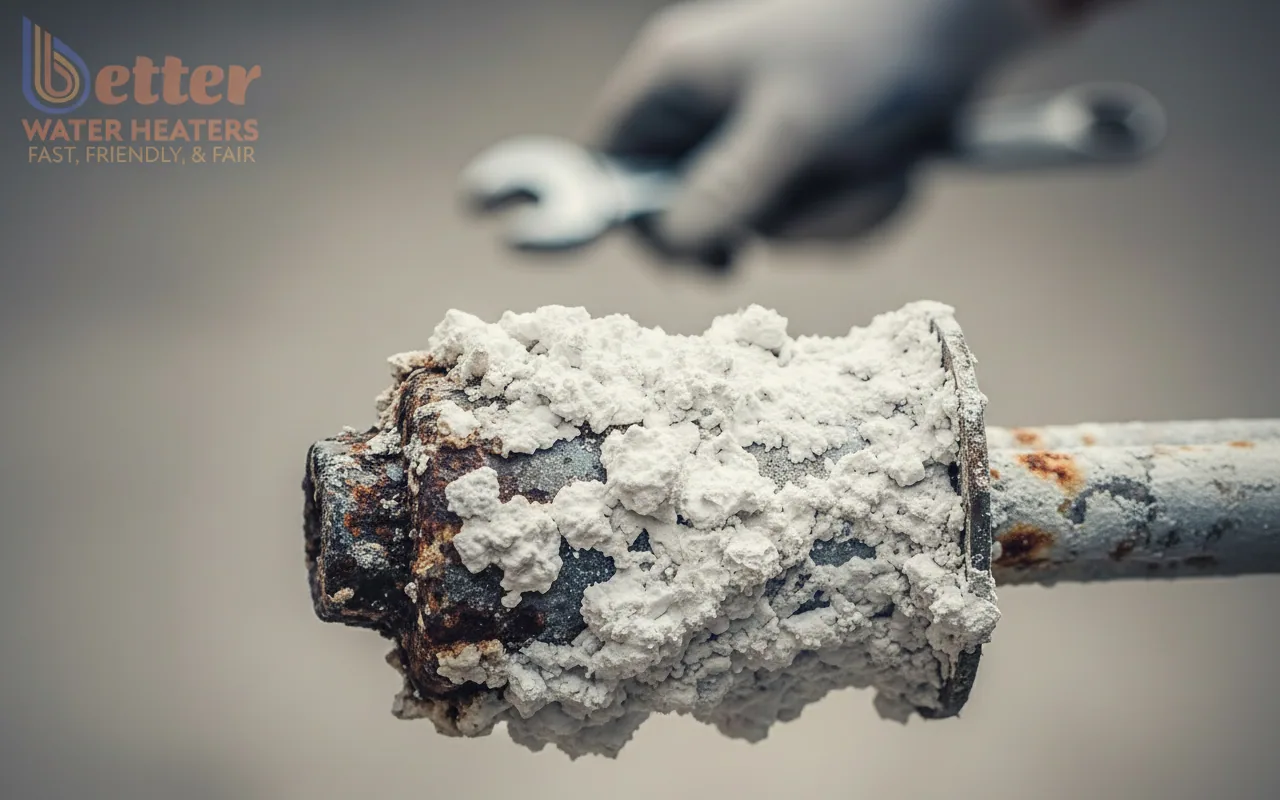
- Sediment Encapsulation: Over time, calcium and magnesium (hard water minerals) settle at the bottom of the tank. In electric models, this sediment in water heater tanks coats the lower heating element.
- The 'Bacon' Effect: Tiny amounts of water get trapped under this crust of lime scale. When the element heats up, that trapped water boils instantly, creating the characteristic sizzle.
- Internal Condensation: On gas models, if you’ve just used a lot of hot water, the cold water refilling the tank can cause exterior condensation. This 'internal rain' drips onto the hot burner assembly.
- Active Tank Leaks: A more ominous cause is a pinhole leak in the inner tank lining that allows water to spray or drip onto the hot heating components.
Why Bay Area Water is a Factor
While we love our Hetch Hetchy water, many parts of the South Bay and East Bay deal with moderate to high water hardness. This mineral content accelerates hard water mineral buildup, making the 'sizzling' sound a frequent complaint for residents in San Jose and Fremont. If you haven't flushed your tank in over a year, you likely have an inch or more of 'scale' acting as a thermal blanket between the heat source and the water.
The Energy Bill Analysis: What That Sizzle Costs You
That sizzling sound is the sound of an insulator fighting a heater, and the heater is losing. Most people miss the fact that sediment is a terrible conductor of heat.
When your heating element is buried in sediment, it has to stay on longer and run hotter to reach your thermostat's target temperature. According to Energy.gov, sediment buildup can reduce water heater efficiency by as much as 20% to 30%. In a high-cost area like the Bay Area, where PG&E rates are significantly above the national average, that efficiency loss can translate to hundreds of dollars in wasted energy annually.
Common signs of efficiency loss include:
- Hot water running out faster than it did two years ago.
- A visible increase in the 'Gas' or 'Electric' portion of your utility bill.
- The water heater running for long periods even when no one is home.
Need a professional to check your efficiency? Schedule your free estimate with our local specialists today.
Heating Element Failure: The 'Last Breath' Hook
In electric units, the sizzling sound is often the final warning before a total heating element failure. When the element is encased in lime scale, it cannot dissipate heat into the water effectively. The internal wire eventually overheats and snaps—a process known as 'burning out.'
What most people miss is that a sizzle can also indicate a 'dry fire' situation. If the water level drops or an air pocket forms around the element, it will sizzle and pop before melting. If you hear this sound and suddenly lose all hot water, the element has likely reached its end of life. Replacing an element is a standard repair, but if the tank itself is corroded, a full replacement is often the more cost-effective long-term move for established homeowners.
| Sound Type | Likely Cause | Risk Level |
|---|---|---|
| Sizzling/Hissing | Sediment on element or burner condensation | Moderate - Efficiency loss |
| Popping/Banging | Large sediment chunks (Kettling) | High - Tank fatigue |
| Whistling | High pressure or valves | Critical - Safety risk |
DIY Flushing vs. Professional Descaling
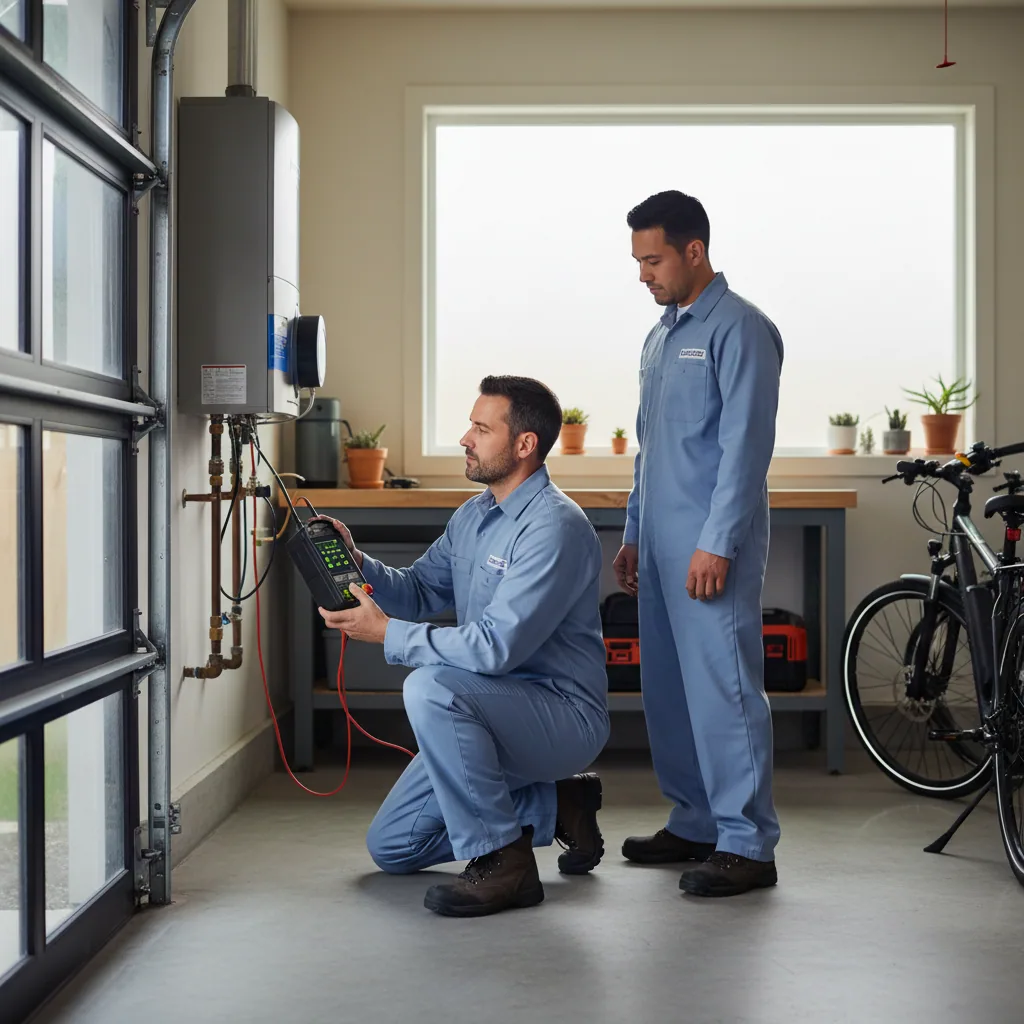
The best way to silence a water heater sizzling sound is to remove the minerals causing the interference. While a simple water heater sediment flush can be done by a handy homeowner, it often isn't enough for severe scale.
A standard flush involves connecting a garden hose to the drain valve and letting the water pressure push out loose debris. However, lime scale that is 'baked' onto the elements requires professional descaling solutions. We use eco-friendly, food-grade citric acid solutions to break down the minerals without damaging the tank lining or the environment. This is especially important for high-efficiency tankless units, where the heat exchanger fins are extremely narrow and prone to clogging.
Rule of thumb: If you flush your heater and the water comes out clear but the sizzling continues, the sediment is hardened and needs a professional chemical descale or element replacement.
Ready to restore your home's efficiency? Learn more about our maintenance services.
When the Sizzle Means a Plumbing Emergency
The real kicker? Sometimes a sizzle is the sound of a 'silent killer'—a slow leak inside the combustion chamber. If water is dripping from the tank onto the burner, it creates a sizzle as it evaporates. This is one of the primary tank leak symptoms that homeowners overlook because they don't see a puddle on the floor yet.
In our work with property managers in San Mateo and Palo Alto, we’ve found that catching a sizzle early can prevent a catastrophic flood. Once the inner lining of a tank is breached, it’s only a matter of time before the structural integrity fails. We recommend installing smart leak detection sensors near the base of the unit. These devices can alert your phone the moment moisture is detected, potentially saving you thousands in water damage repairs.
Strategic Maintenance for Bay Area Homeowners
For busy entrepreneurs and marketing directors, maintenance is about risk mitigation. You wouldn't skip a backup for your data, so don't skip the backup for your home's most vital appliance. At Better Water Heaters, we’ve spent 20+ years helping Bay Area neighbors navigate these exact issues.
Try this: Tonight, when the house is quiet, stand near your water heater while someone runs a hot shower. If you hear that bacon sizzle, it’s time to act. Whether it’s a simple flush, an element replacement, or a transition to a high-efficiency heat pump model (which can qualify for up to $4,900 in local rebates), addressing it now prevents an emergency call on a busy Monday morning.
Don't let a small noise become a big problem. Contact us at Better Water Heaters for a professional diagnostic visit. We serve everything from San Jose to Redwood City with same-day expertise.
Frequently Asked Questions
Is a sizzling water heater dangerous?
A sizzling sound itself isn't typically an immediate explosion risk, but it indicates significant sediment in water heater tanks or a potential leak. If the sizzle is accompanied by the smell of gas or a whistling sound, shut off the unit immediately and call a professional, as this could indicate a pressure or combustion issue.
Can I fix the sizzling sound myself?
You can attempt a water heater sediment flush by draining the tank through a garden hose to remove loose minerals. However, if the sound is caused by lime scale 'baked' onto the electric elements or a leak dripping onto the burner, you will likely need a professional to replace the heating element failure components or the tank itself.
How long does a water heater last after it starts making noise?
If the noise is caused by sediment, the heater could last several more years if flushed immediately. However, if the sizzling is a symptom of a tank leak, the unit may fail completely within weeks or months. Regular maintenance in the Bay Area is key to reaching the typical 10-15 year lifespan of a tank unit.
Why does my tankless water heater sizzle?
Tankless units usually sizzle due to hard water mineral buildup within the heat exchanger. Because the passages are so small, even a thin layer of scale can cause the unit to overheat and make noise. These systems require a professional descaling flush with a pump and specialized solution every 1-2 years to maintain their 20-year lifespan.