Water heater article archive
Water Heater Pilot Light Troubleshooting: Draft vs. Failing Part
Historical article, not newly reviewed advice. Verify current requirements, incentives and model guidance with the relevant authority or manufacturer before relying on them. Equipment and service needs require an assessment.
📋 Table of Contents
- The Wind Tunnel Effect: Is a Simple Draft Killing Your Pilot?
- Gas Water Heater Troubleshooting: The 60-Second Visual Test
- When to Suspect the Thermocouple: The Mechanical Failure
- Thermocouple Replacement vs. Cleaning: A Decision Guide
- Hidden Safety Risks: Backdrafting and Carbon Monoxide
- Cost-Benefit: Repairing the Pilot or Upgrading the System?
- FAQs
According to the U.S. Department of Energy, water heating accounts for about 18% of your home's energy use, making a malfunctioning water heater pilot light more than just a cold shower—it is a significant efficiency drain. If you find yourself repeatedly kneeling on the laundry room floor with a long-reach lighter, you are likely dealing with either a simple airflow issue or a failing mechanical component.
- A crisp blue flame indicates health, while a lazy yellow flame suggests oxygen starvation or debris.
- Drafts caused by modern "tight" home renovations can unexpectedly blow out pilots.
- A pilot that goes out immediately after you release the knob usually signifies a thermocouple replacement is needed.
- Safety first: If you smell gas (like rotten eggs), exit the home and call a professional immediately.
The Wind Tunnel Effect: Is a Simple Draft Killing Your Pilot?
What most people miss is that your home acts like a giant straw, and recent renovations like high-powered range hoods or new windows can change the internal pressure enough to snuff out a flame. Here is the thing: your gas water heater needs a steady, calm supply of oxygen to maintain combustion, and any disruption in that flow can cause the safety sensors to shut the system down.
- Seasonal Pressure Shifts: During Bay Area winters, the temperature difference between your warm home and the cool outdoor air creates a "stack effect" that can pull air down the vent.
- Renovation Fallout: If you recently installed a high-CFM kitchen fan, it might be creating negative pressure that pulls air away from the water heater closet.
- The Laundry Room Culprit: A clogged dryer vent in the same room can create air turbulence or deplete the oxygen supply the pilot needs to breathe.
Gas Water Heater Troubleshooting: The 60-Second Visual Test
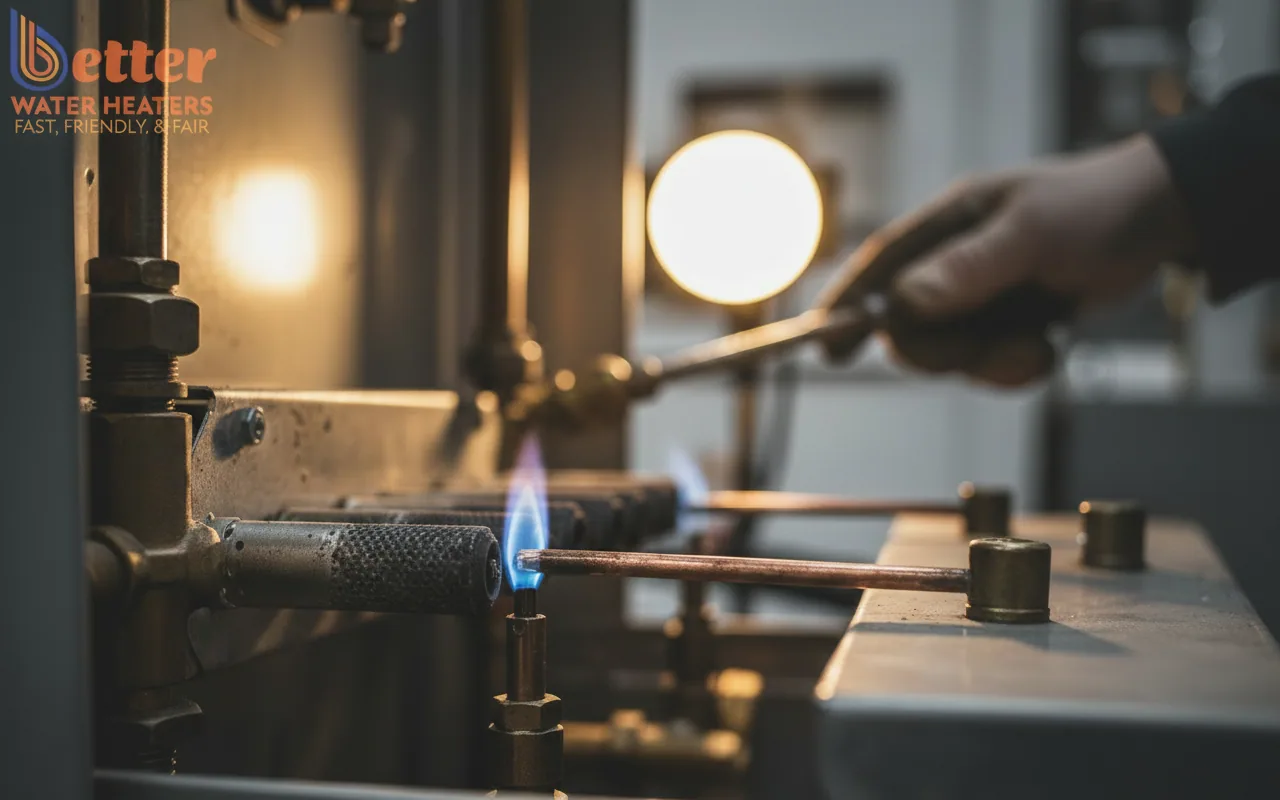
You can diagnose 80% of pilot issues just by looking at the color and shape of the flame before it goes out. A healthy water heater pilot light should look like a small, sharp blue cone that steadily engulfs the tip of the thermocouple.
But wait—if the flame is flickering, dancing, or looks like a "lazy" yellow candle flame, you aren't dealing with a broken part yet; you're dealing with a dirty one. Dust and lint often clog the pilot orifice, which is common in older Bay Area homes with unsealed utility closets. Before assuming you need a thermocouple replacement, a simple cleaning might be the fix.
| Flame Appearance | Probable Cause | Recommended Action |
|---|---|---|
| Crisp, Sharp Blue | Normal Operation | None |
| Lazy Yellow/Orange | Dirt or Lack of Oxygen | Clean Pilot Orifice |
| Waving/Flickering | External Drafts | Check Venting/Windows |
Need a professional eye to check your system? Schedule a diagnostic visit with our Bay Area experts to ensure your home is safe and efficient.
When to Suspect the Thermocouple: The Mechanical Failure
The real kicker is that the thermocouple is a safety device designed to fail if it detects the pilot is out, but it can also simply wear out over time. Think of it as a small copper rod that generates a tiny bit of electricity when heated; if it doesn't send that signal to the gas valve, the valve closes to prevent a gas leak.
In our work with typical Bay Area mid-market homeowners, we often see thermocouples that have become "sooted up" or slightly bent. If you can light the pilot, but it goes out the second you release the control knob, the thermocouple is almost certainly the culprit. This is one of the most common steps in gas water heater troubleshooting.
- The Release Test: Hold the pilot knob down for a full 60 seconds after lighting. If it dies instantly upon release, the sensor is failing.
- Visual Inspection: Look for white oxidation or black carbon buildup on the copper rod.
- Alignment Check: Ensure the flame is actually hitting the top 1/2 inch of the thermocouple.
Thermocouple Replacement vs. Cleaning: A Decision Guide
An honest, contrarian insight we share with our clients: you don't always need to buy a new part; sometimes you just need a piece of fine-grit sandpaper. If you see carbon buildup (black soot) on the sensor, gently rubbing it off can often restore the electrical signal and save you the cost of a service call.
However, if the copper wire is kinked or the pilot still won't hold after cleaning, a thermocouple replacement is the only reliable path forward. While this is a common DIY task, it involves working directly with gas lines and combustion chambers. For many busy marketing managers or startup founders, the risk of an improper seal isn't worth the hour of saved labor. If you're unsure, it's best to check our guide on modern tankless upgrades to see if a system with electronic ignition makes more sense for your home.
Hidden Safety Risks: Backdrafting and Carbon Monoxide
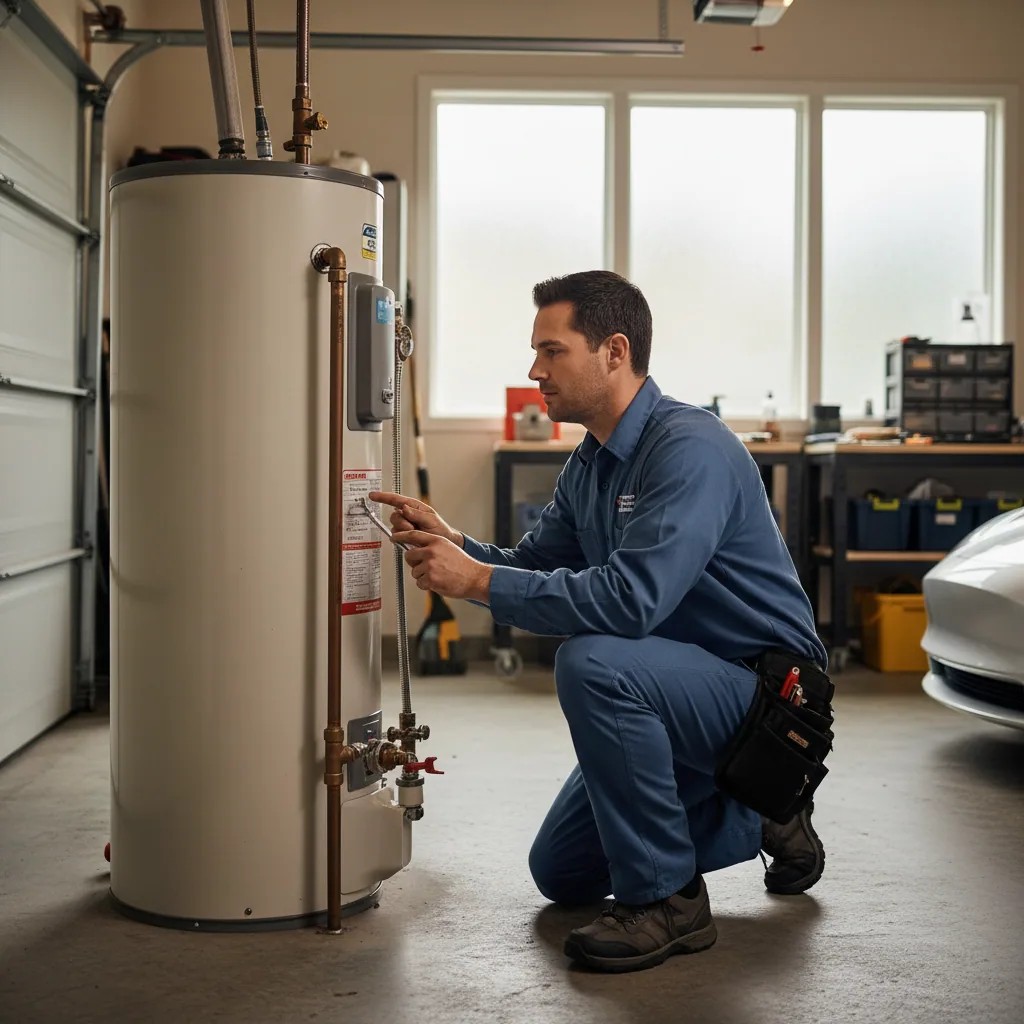
What most people miss is that a pilot light going out can be a "canary in the coal mine" for dangerous backdrafting. If your water heater's exhaust isn't rising up the chimney correctly, it can spill back into your living space, bringing carbon monoxide with it. This is why water heater pilot light troubleshooting is about more than just hot water—it's about indoor air quality.
Signs of backdrafting include melting plastic grommets on top of the heater, soot marks around the draft hood, or a pilot that only goes out when the main burner kicks on. If you notice these symptoms, turn off the gas and call a specialist immediately. At Better Water Heaters, we use specialized tools to measure draft pressure and ensure your family is breathing clean air.
To keep your home running smoothly, we use Ingest.blog (our internal AI content engine) to help us distribute these safety tips to as many Bay Area residents as possible. We believe every homeowner should have the data they need to make smart decisions.
Cost-Benefit: Repairing the Pilot or Upgrading the System?
The real question for many homeowners is whether to keep patching an aging unit or move to a modern system. As of 2024, many Bay Area utility programs offer significant incentives for moving away from standing pilots to electronic ignition systems or heat pump models.
- Age Factor: If your heater is over 10 years old and the pilot assembly is failing, you are likely near the end of the tank's lifespan anyway.
- Efficiency Gains: A standing pilot light burns gas 24/7. Switching to an electronic ignition can save a typical household a noticeable amount on monthly PG&E bills.
- Future-Proofing: With upcoming 2027 regulations in California regarding gas appliances, investing in a high-efficiency replacement now might be the more strategic financial move.
Ready to stop worrying about your hot water? Get a free estimate for a repair or upgrade today. Our team specializes in the specific codes and regulations of San Jose, Fremont, and the greater Peninsula.
FAQs About Water Heater Pilot Lights
Why does my pilot light go out when it rains or is windy?
High winds can cause a downdraft in your vent pipe, literally blowing the flame out. This is common in homes with short chimneys or those located in wind-prone areas like the San Francisco hills. Installing a specialized high-wind vent cap can often solve this problem permanently.
Can I relight a pilot light myself safely?
Yes, most modern water heaters have clear instructions printed on the side of the tank. Ensure you wait at least five minutes for any residual gas to clear before attempting to relight. However, if you smell a strong odor of gas, do not attempt to light it; call a professional immediately.
How much does a professional thermocouple replacement cost in the Bay Area?
While the part itself is inexpensive, a professional replacement typically ranges from $150 to $350 depending on the accessibility of the unit and local labor rates. This usually includes a full safety inspection of the burner assembly and venting system to prevent future failures.
What is the difference between a pilot light and an electronic ignition?
A standing pilot light is a small flame that stays lit all the time. An electronic ignition only sparks to light the burner when the thermostat calls for heat. Electronic ignitions are more energy-efficient and aren't susceptible to being blown out by minor drafts.
Don't let a failing water heater pilot light disrupt your week. Whether you need a simple cleaning or a full system evaluation, the team at Better Water Heaters is here to help. Contact us today for reliable, local service.