Water heater article archive
Water Heater Making Noise? Proven Fixes for Banging Pipes | Better Water Heaters
Historical article, not newly reviewed advice. Verify current requirements, incentives and model guidance with the relevant authority or manufacturer before relying on them. Equipment and service needs require an assessment.
📋 Table of Contents
According to the Department of Energy, water heating is the second largest expense in your home, accounting for about 18% of your utility bill. If your water heater making noise has become the soundtrack to your morning shower, you aren't just dealing with a nuisance—you're hearing your appliance struggle against internal pressure and mineral buildup.
Key Takeaways for Homeowners
- Kettling is caused by sediment trapping steam, which can reduce efficiency by up to 20%.
- Water hammer occurs when moving water hits a closed valve, vibrating your entire plumbing system.
- A water heater expansion tank is often the missing piece of equipment required by modern California building codes to prevent tank failure.
- Ignoring these sounds can lead to insurance claim denials if the resulting flood is deemed a result of "neglected maintenance."
Why Is Your Water Heater Making Noise? The Diagnostic Guide
The sound of your water heater shouldn't be a mystery; usually, the specific rhythm and pitch of the noise tell you exactly what is failing inside the tank. Most Bay Area homeowners describe these sounds as popping, rumbling, or a sharp metallic bang that echoes through the walls.
Here’s the thing: your water heater is a pressurized vessel. When minerals like calcium and magnesium—common in our local hard water—settle at the bottom, they create a crust. As the burner heats the water, steam bubbles get trapped under this sediment layer and eventually "pop" through, a phenomenon known as water heater kettling.
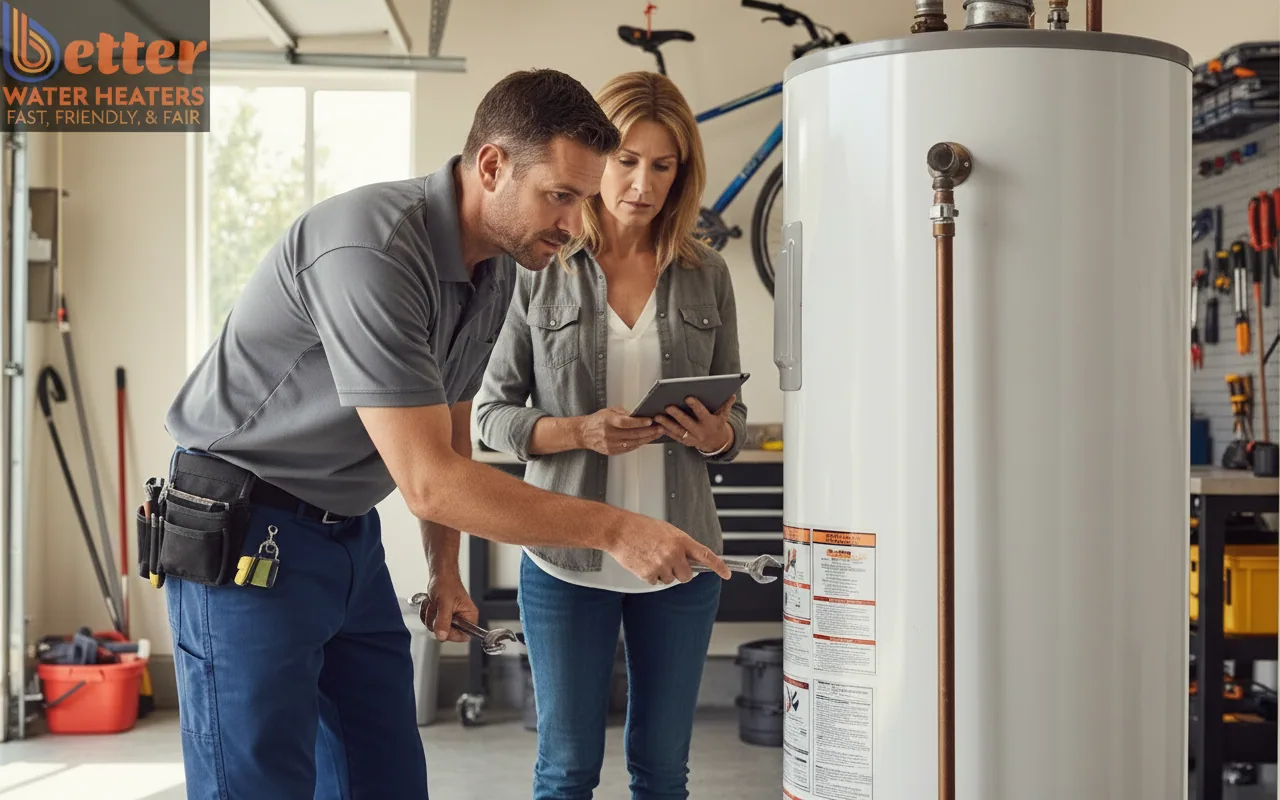
Common Sounds and What They Mean
- Popping or Rumbling: This is almost always sediment buildup. It forces the heater to run longer, spiking your energy costs.
- Sharp Banging (Water Hammer): This happens when a faucet is turned off quickly, sending a shockwave back through the pipes.
- Screeching or Whistling: Usually indicates a partially closed valve or high pressure forcing water through a small opening.
- Ticking: Often just the heat traps or pipes expanding against wooden studs, which is generally harmless but annoying.
If you're hearing these sounds daily, it's time to check your system. Schedule a professional diagnostic to catch small issues before they turn into a flooded garage.
The Danger of Banging Pipes and Hot Water Pressure
Banging pipes when you run hot water are often a symptom of thermal expansion, a leading cause of premature tank failure in the Bay Area. In a "closed-loop" plumbing system—which most modern homes have due to backflow preventers—water has nowhere to go when it expands as it heats up.
What most people miss is that water is incompressible. When that extra volume has no escape, it puts immense stress on the internal glass lining of your tank and the seams of your pipes. Over time, this constant flexing leads to microscopic cracks. The real kicker? You won't know the lining has failed until you see a puddle on the floor.
Why Thermal Expansion Matters
- It causes the T&P (Temperature and Pressure) relief valve to drip, which is a sign the system is over-pressurized.
- It shortens the lifespan of your faucets, toilets, and appliances by stressing internal seals.
- Modern building codes in cities like San Jose and Fremont now strictly require a water heater expansion tank to absorb this excess pressure.
| Symptom | Likely Cause | Urgency Level |
|---|---|---|
| Loud Popping | Sediment Buildup (Kettling) | Moderate - Affects Bills |
| Metal Clanging | Water Hammer | High - Can Burst Pipes |
| Dripping T&P Valve | High Thermal Pressure | Critical - Tank Failure Risk |
The Role of the Water Heater Expansion Tank
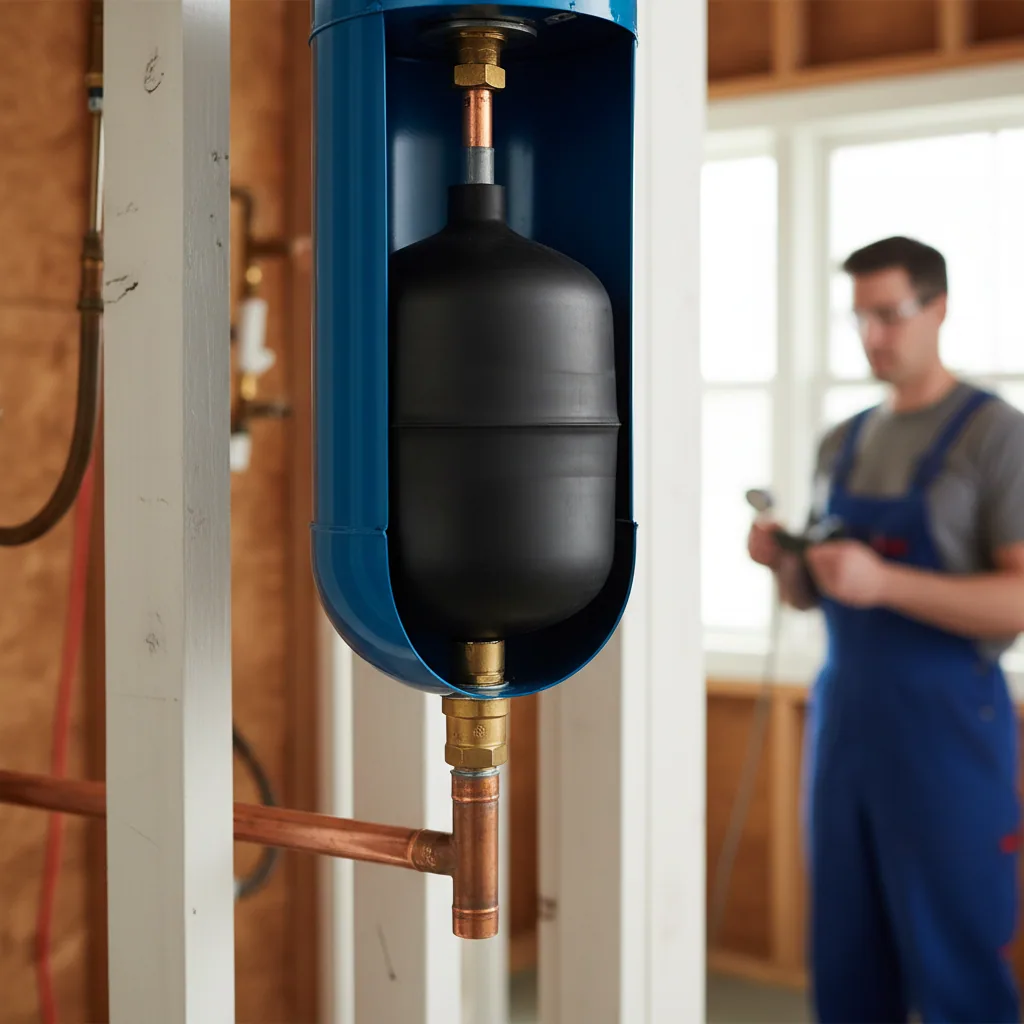
A water heater expansion tank acts as a shock absorber for your plumbing system, providing a dedicated space for expanding water to go. It’s a small, pressurized tank—usually about 2 gallons—installed on the cold water inlet line above your heater.
In our work with typical Bay Area mid-market homeowners, we often find that older installations skipped this component. However, with the rising popularity of high-efficiency units, the pressure swings are more pronounced. If your pipes bang every time the heater kicks on, your expansion tank has likely failed or was never installed.
But wait—don't just buy the first tank you see at a big-box store. The thermal expansion tank cost is relatively low (usually $150–$300 for the part), but it must be pressurized correctly to match your home's static water pressure to work effectively. You can learn more about local requirements by searching our expansion tank guide.
Sediment Flushing vs. Professional Descaling
Is your water heater making noise specifically like a low-pitched growl? That’s the sound of your energy bill rising. According to ENERGY STAR, just a quarter-inch of sediment can cause a significant drop in heat transfer efficiency.
For traditional tank heaters, a sediment flushing service once a year is the gold standard. This involves draining the tank to wash out the minerals. However, if you have a tankless unit, the process is different. Tankless systems require a tankless descaling kit and a vinegar-based solution to clear the heat exchanger. If you ignore this, the unit will eventually overheat and throw an error code, leaving you with a cold shower at the worst possible time.
DIY vs. Professional Maintenance
- DIY Flushing: Good for preventative care if done every 6 months from the day of installation.
- Professional Descaling: Necessary if the noise is already loud, as specialized pumps and solutions are needed to break down hardened scale.
- The Risk: If you try to flush a tank that hasn't been touched in 10 years, you might actually cause a leak by removing the sediment that was "plugging" a corroded hole.
Need a hand? Our team handles everything from tankless descaling to full system flushes. Call Better Water Heaters at (408) 686-4969 for a quick tune-up.
The 'Hidden Cost of Silence': Why Ignoring Noises is Risky
The most dangerous sound a water heater makes is no sound at all after years of banging. When the popping stops but the sediment remains, it often means the bottom of the tank has become so encrusted that the thermostat can no longer accurately read the water temperature. This leads to "dry firing," which can crack the tank floor.
Furthermore, many insurance companies are now getting stricter about water damage claims. If an adjuster finds that your tank failed due to a massive buildup of scale that was clearly audible for months, they may categorize the flood as "preventable neglect." This could leave you on the hook for thousands in flooring and drywall repairs.
For our marketing and tech-professional clients who value efficiency, we often recommend smart home integration. Using acoustic sensors or smart leak detectors can alert you to banging pipes at night or pressure spikes before they lead to a catastrophic failure. We use our internal AI content engine to track these emerging home-tech trends so we can keep our Bay Area neighbors ahead of the curve.
When to Call a Professional for Banging Pipes
While some minor expansion noise is normal in winter when groundwater temperatures drop, loud metallic banging should never be ignored. If your water heater making noise is accompanied by any of the following, call a specialist immediately:
- Water pooling around the base of the unit.
- A visible bulge in the side of the water heater tank.
- Rusty or discolored hot water.
- The T&P relief valve is constantly spraying or dripping.
At Better Water Heaters, we’ve spent 20 years helping Bay Area residents navigate local codes and complex rebates. Whether you need a water hammer arrestor installation or a full system replacement, we provide transparent pricing and same-day service. Contact us today for a free estimate.
Frequently Asked Questions
Is a popping water heater dangerous?
While it rarely leads to an explosion, a popping water heater is a sign of severe internal stress. The "popping" is steam bubbles escaping through sediment. This causes the tank to overheat and can eventually lead to a leak or a total tank failure, which could flood your home.
How much does a water heater expansion tank cost to install?
In the Bay Area, a professional installation for a water heater expansion tank typically ranges from $350 to $600, including parts and labor. This is a small investment compared to the cost of a new water heater or the deductible on a water damage insurance claim.
Why are my pipes banging when the hot water is turned off?
This is usually "water hammer." It happens when the flow of water is suddenly stopped, causing a pressure wave to bounce back through your plumbing. Installing water hammer arrestors or checking your home's pressure reducing valve (PRV) can usually solve this issue quickly.
Can I fix a noisy water heater by flushing it myself?
If the water heater making noise is relatively new, a DIY flush may help. However, if the unit is more than 5 years old and has never been flushed, professional help is advised. Removing heavy sediment in an old tank can sometimes reveal existing corrosion leaks that the sediment was sealing.
Take Action This Week
Don't wait for the puddle. This weekend, take five minutes to listen to your water heater while it's heating. If you hear popping, rumbling, or see a dripping valve, you are seeing the warning signs of a failing system. Checking your home's water pressure with a simple $10 gauge from the hardware store is a great first step—anything over 80 PSI means your plumbing is in the "danger zone." If you're over that limit, give us a call to stabilize your system and protect your home.