Water heater article archive
Smelly Hot Water Solutions: Clear the Rotten Egg Odor Fast
Historical article, not newly reviewed advice. Verify current requirements, incentives and model guidance with the relevant authority or manufacturer before relying on them. Equipment and service needs require an assessment.
📋 Table of Contents
Few things ruin a relaxing morning like turning on the shower only to be hit by a wave of smelly hot water that reminds you of a swamp. According to the Environmental Protection Agency (EPA), while sulfur odors are often classified as a "secondary nuisance," they signal a specific chemical or bacterial reaction that can actually accelerate the corrosion of your plumbing fixtures.
For many Bay Area homeowners, this isn't just a minor annoyance; it’s a sign that your water heater’s internal defense system is failing. If you have established a home in San Jose or Walnut Creek, you’ve likely noticed that local mineral content varies wildly, and when those minerals meet an aging tank, the results are literally stinky. Here is how to diagnose the problem and move past temporary flushes to a permanent, tech-forward solution.
Key Takeaways for Busy Homeowners
- The Diagnostic: If the smell is only in the hot water, the heater is the culprit; if it's in both, it's your source water.
- The Cause: A reaction between sulfate-reducing bacteria and your tank's magnesium anode rod creates hydrogen sulfide gas.
- The Fix: Replacing a standard sacrificial rod with a powered anode rod typically eliminates the odor permanently.
- The Risk: Ignoring the smell can lead to internal tank pitting and premature leaks.
Why Your Water Heater Produces a Sulfur Smell
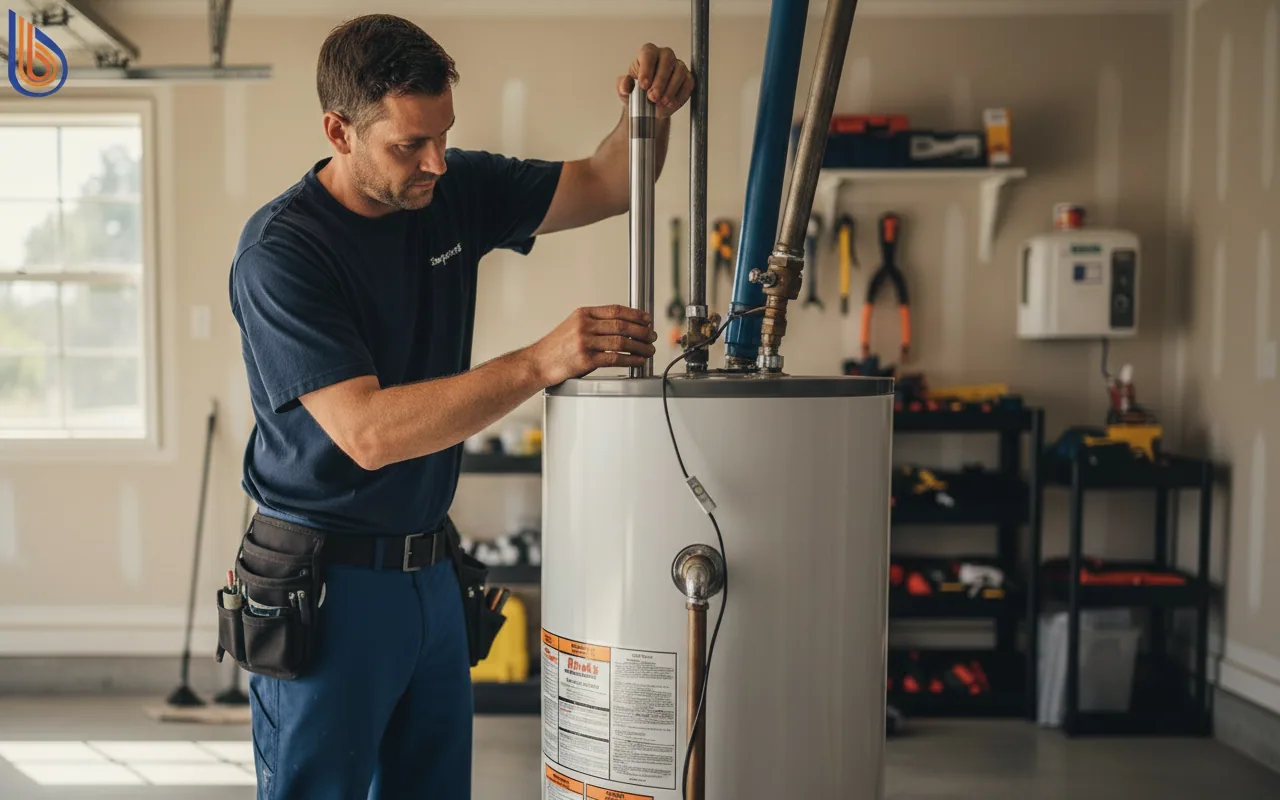
The real kicker is that your water heater is designed to corrode—just not the tank itself. Inside every standard tank is a "sacrificial" anode rod, usually made of magnesium or aluminum, which attracts corrosive elements so the steel tank doesn't have to.
However, in many Bay Area homes with water softeners, the increased conductivity of the water causes the magnesium rod to react more aggressively. This reaction provides the perfect buffet for sulfate-reducing bacteria (SRB). These bacteria aren't usually harmful to drink, but as they consume the byproduct of the corroding rod, they release hydrogen sulfide gas—the source of that unmistakable water heater sulfur smell.
What most people miss is the "Vacation Stink." If you’ve recently returned from a trip to Tahoe or a week-long business flight, you might find the smell is ten times worse. This happens because the water sat stagnant, allowing the bacteria to colonize and the gas to build up without being flushed out by daily use.
The 30-Second Diagnostic: Heater vs. Pipes
Before you spend a dime on repairs, you need to know exactly where the rotten egg smell in pipes is coming from. We often see homeowners spend hundreds on filtration systems they don't need because they misdiagnosed the source.
- Run the cold water: Let it run for two minutes. If it smells like sulfur, the issue is your city water supply or your well.
- Run the hot water: If the smell only appears when the temperature rises, the problem is 100% inside your water heater tank.
- Check one vs. all: If the smell is only at the kitchen sink, it’s likely a dirty P-trap or a localized pipe issue, not the heater.
Need a professional eye to confirm? Schedule a diagnostic visit with our Bay Area specialists to pinpoint the exact cause of your odor issues.
Sacrificial vs. Powered Anode Rods: The Tech Upgrade
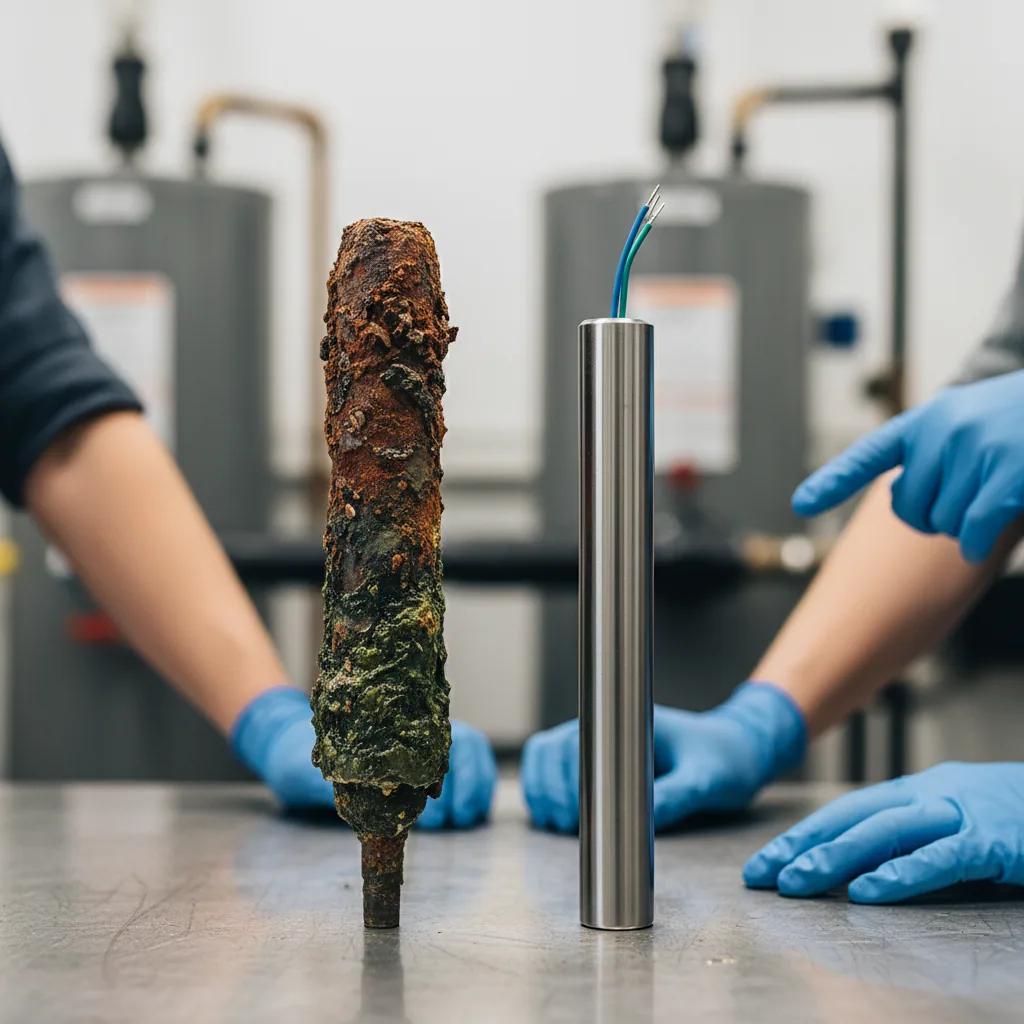
Most traditional plumbers will suggest replacing your magnesium rod with an aluminum one. While this can reduce the smell, it’s often a temporary band-aid, and aluminum byproducts in drinking water are a growing concern for health-conscious families.
| Feature | Magnesium Rod (Standard) | Powered Anode Rod (Tech Upgrade) |
|---|---|---|
| Lifespan | 3-5 Years | 20+ Years |
| Odor Control | Poor (can cause sulfur smell) | Excellent (stops the reaction) |
| Maintenance | Requires replacement | Maintenance-free |
The modern solution is the powered anode rod. Instead of dissolving away like a sacrificial rod, it uses a small amount of electricity to send pulses through the water, preventing corrosion without the chemical reaction that creates gas. In our work with established homeowners in the Peninsula, switching to a powered rod is the most requested upgrade because it’s a "set it and forget it" solution.
How to Flush Water Heater Bacteria Safely
Here’s the thing: if you want a quick fix for tonight’s guest arrival, you can perform a temporary disinfection. While a flush water heater bacteria procedure won't keep the smell away forever if the rod is still reacting, it will clear the air for a few weeks.
- Turn off the power or gas to your unit.
- Close the cold water inlet.
- Drain about 2-5 gallons of water from the bottom drain valve.
- Carefully add hydrogen peroxide (preferred for eco-friendly homes) or a small amount of bleach into the tank via the cold water supply line or the anode port.
- Let it sit for two hours, then flush the entire tank until the water runs clear and scent-free.
For a detailed walkthrough on general upkeep, check out our water heater maintenance guides. But remember, if you find yourself flushing every month, you are treating the symptom, not the disease.
When to Call a Bay Area Specialist
But wait—before you grab a pipe wrench, you should know that removing an old anode rod can be a nightmare. In a typical Bay Area mid-market home, these rods are often factory-tightened with impact wrenches. Trying to force it can actually tip the heater over or snap the internal threading, turning a $200 fix into a $2,500 replacement.
You should call a professional if:
- The rod is stuck and won't budge with standard tools.
- You see rusty water accompanied by the smell (this indicates the tank is already failing).
- Your water heater is over 10 years old (it might be time to discuss a heat pump water heater transition).
Ready to get rid of the stink for good? Contact Better Water Heaters today for same-day service in San Jose, Fremont, and across the Bay Area.
The Hidden Cost of Ignoring the Odor
What most people miss is that the sulfur smell isn't just gross—it's corrosive. The same hydrogen sulfide gas that smells like eggs is mildly acidic. Over time, it can lead to "pitting" in your steel tank. Once a pit goes all the way through the glass lining, the steel will rust through in months.
Think of your anode rod like the oil in your car. You can ignore the warning light for a while, but eventually, the engine seizes. In the Bay Area, where a new water heater installation must meet strict seismic strapping and energy codes, preventing a premature failure is a massive financial win.
Actionable Takeaway: Do This Monday Morning
Don't let smelly hot water become the new normal in your home. This week, perform the "Cold Water Test" mentioned above. If the smell is isolated to your hot water, skip the hardware store bleach and look into a powered anode rod. It is the only way to ensure your morning shower doesn't smell like a science experiment gone wrong. If you're managing a busy schedule or multiple properties, hiring a pro to swap the rod now will save you a flooded garage later.
Frequently Asked Questions
Is the sulfur smell in my hot water dangerous?
Generally, the hydrogen sulfide gas produced in water heaters is not harmful at the low concentrations found in homes. However, it is highly unpleasant and can signify that your anode rod is no longer protecting your tank, which could lead to leaks and water damage if left unaddressed.
Why does my water softener make the smell worse?
Water softeners replace hard minerals with sodium, which increases the water's conductivity. This speeds up the sacrificial process of a magnesium anode rod. The faster the rod corrodes, the more byproduct is available for bacteria to turn into smelly hydrogen sulfide gas.
Can I just remove the anode rod and not replace it?
You should never leave a water heater without an anode rod. Doing so leaves the steel tank completely unprotected against the Bay Area's water chemistry. Without a rod, a standard tank can rust through and fail in as little as 12 to 24 months, voiding your warranty.
How long does a powered anode rod last?
Unlike sacrificial rods that dissolve, a powered anode rod is made of non-corrosive materials like titanium. As long as it remains plugged into a power source, it can last 20 years or more, often outlasting the water heater itself, making it a highly cost-effective tech upgrade.