Water heater article archive
Running Out of Hot Water? Proven Causes & Fast Fixes | Better Water Heaters
Historical article, not newly reviewed advice. Verify current requirements, incentives and model guidance with the relevant authority or manufacturer before relying on them. Equipment and service needs require an assessment.
📋 Table of Contents
- 1. The Broken Dip Tube: The Silent Temperature Killer
- 2. Sediment Buildup: The Hidden Capacity Thief
- 3. Failing Heating Elements in Electric Units
- 4. Undersized Tanks for Modern Lifestyles
- 5. The ROI of Switching to Tankless
- 6. Thermostat Issues and Seasonal Shifts
- 7. When a Swap is Smarter Than a Repair
- FAQs
Nothing ruins a Bay Area morning faster than running out of hot water just as you’ve finished lathering up. According to the U.S. Department of Energy, water heating is the second largest energy expense in most homes, yet we only notice the system when it fails us mid-rinse.
If your hot water runs out fast, you aren't necessarily looking at a full system replacement. Often, the culprit is a specific, fixable component that has reached its limit due to hard water or age. Here is a breakdown of why your water heater not enough hot water is happening and what you can do about it before Monday morning.
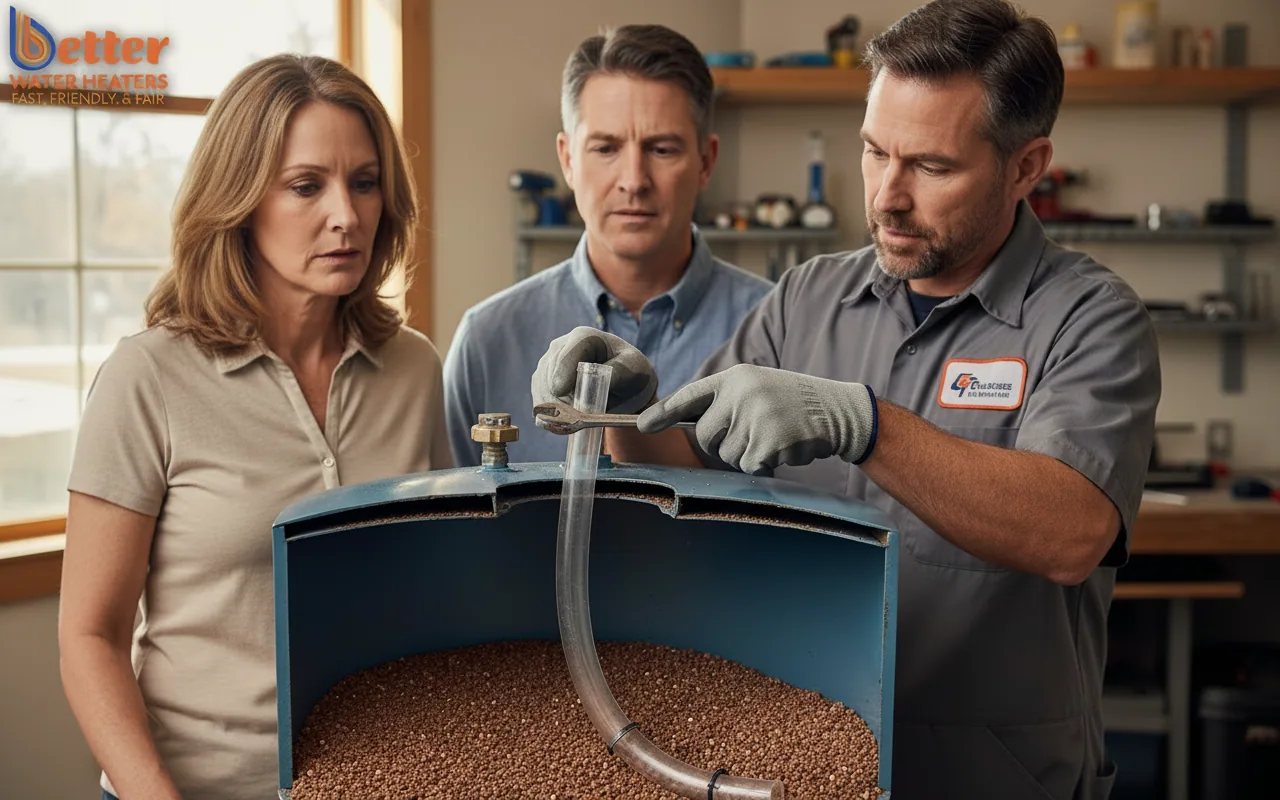
1. The Broken Dip Tube: The Silent Temperature Killer
A cracked or broken dip tube is one of the most common reasons for a sudden drop in water temperature during use. This plastic tube is responsible for directing incoming cold water to the bottom of the tank to be heated; if it breaks, cold water mixes with the hot water at the top of the tank, sending a lukewarm slurry to your showerhead.
- The Symptom: You have hot water for exactly 2-3 minutes, then it turns cold instantly.
- The Cause: In many units manufactured between 1993 and 1997, and in aging units across the Bay Area, these tubes simply disintegrate.
- The Fix: A professional can usually replace the dip tube without replacing the entire tank, saving you thousands.
2. Sediment Buildup: The Hidden Capacity Thief
Over time, minerals like calcium and magnesium settle at the bottom of your tank, creating a thick layer of "rock" that displaces usable water. In hard-water regions like San Jose or Fremont, this sediment can take up to 20% of your tank's total volume, meaning your 50-gallon tank is effectively only holding 40 gallons of hot water.
- Recovery Rate Issues: Sediment acts as an insulator, making it harder for the burner or element to heat the water, drastically slowing your water heater recovery rate.
- Popping Noises: If you hear a rumbling or popping sound, that’s steam bubbles fighting through the sediment layer.
- Maintenance: A professional sediment flush service can often restore capacity if the buildup hasn't hardened completely.
Need a professional diagnostic? If you're tired of cold showers, schedule a free estimate with our Bay Area specialists today to see if a flush or repair can solve your problem.
3. Failing Heating Elements in Electric Units
Most electric water heaters rely on two heating elements; if the top one fails, you get no hot water, but if the bottom one fails, your hot water runs out fast. This happens because the water at the bottom of the tank never reaches the target temperature, leaving you with only the top third of the tank to use.
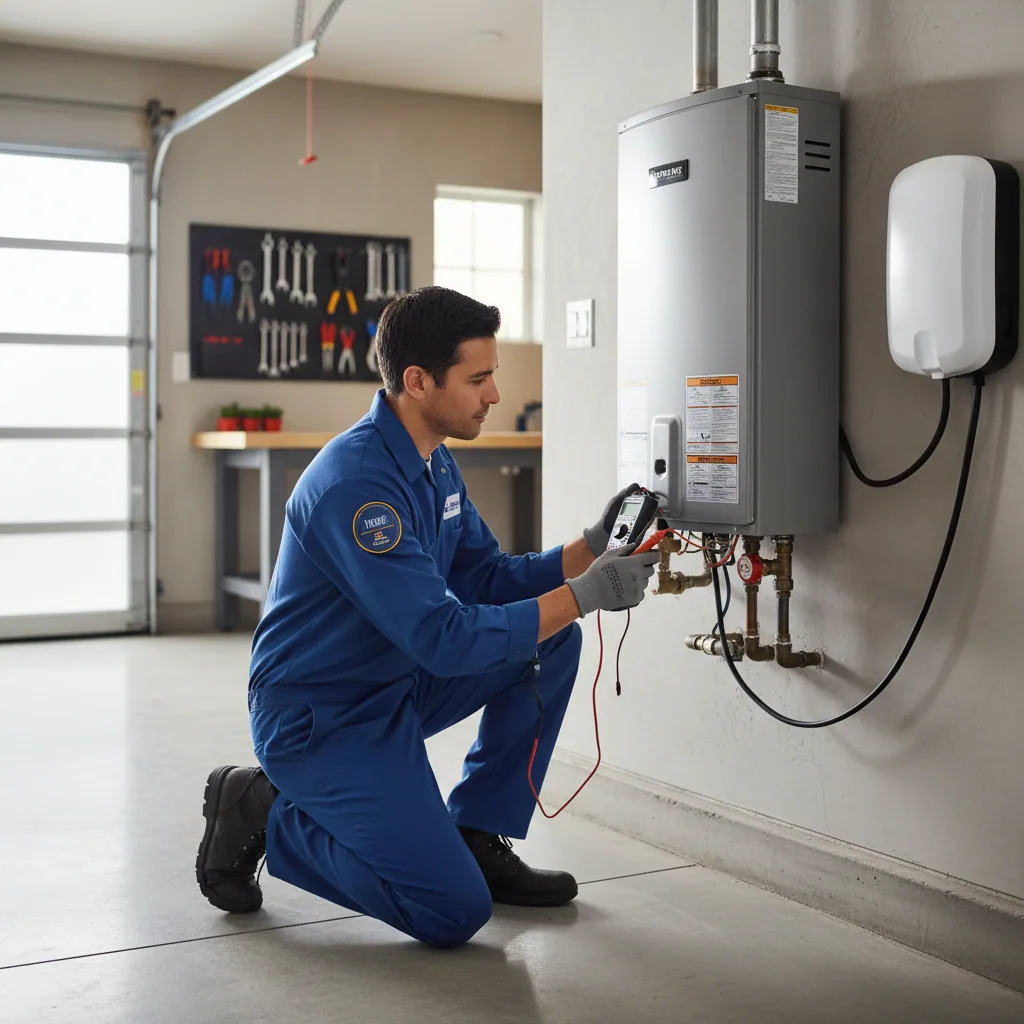
- Testing: A technician uses a multimeter to check for continuity in the elements.
- Replacement: Replacing an element is a standard repair that can add years to your unit's life.
- Warning: Never attempt to replace an element without turning off the breaker, as high-voltage electricity and water are a lethal combination.
4. Undersized Tanks for Modern Lifestyles
What worked for a family of two in 2010 might not work for a household with three teenagers and a high-flow rain showerhead today. We often see Bay Area homeowners who have upgraded their bathrooms but forgot to upgrade the "engine" behind the walls, leading to running out of hot water during peak morning hours.
| Household Size | Standard Tank Size | Tankless Equivalent |
|---|---|---|
| 1-2 People | 30-40 Gallons | Single Unit |
| 3-4 People | 50 Gallons | Standard Whole-Home |
| 5+ People | 75+ Gallons | High-Output Tankless |
5. The ROI of Switching to Tankless
The real kicker? You can stop worrying about capacity entirely by transitioning to a tankless system. While the ENERGY STAR certified tankless models have a higher upfront cost, they provide an endless supply of hot water because they heat on demand rather than storing a finite amount.
- Space Savings: Ideal for compact San Francisco or Oakland homes where every square foot counts.
- Longevity: Tankless units typically last 20+ years, nearly double the lifespan of a traditional tank.
- Rebates: Many Bay Area residents qualify for significant incentives when upgrading to high-efficiency models.
At Better Water Heaters, we’ve helped countless families transition to "endless hot water." For a deeper dive into the tech, check out our tankless water heater comparison guide.
6. Thermostat Issues and Seasonal Shifts
Sometimes the problem isn't the hardware, but the settings. During Bay Area winters, the incoming cold water from the city main is significantly colder, meaning your heater has to work twice as hard to reach your preferred temperature, which can make it feel like you are running out of hot water faster than usual.
- Check the Dial: Ensure your thermostat is set between 120°F and 140°F.
- Safety First: Settings above 140°F significantly increase the risk of scalding, especially for children and seniors.
- Insulation: Adding an insulation blanket to an older tank in a cold garage can help maintain heat longer.
7. When a Swap is Smarter Than a Repair
Here’s the thing: if your tank is over 10 years old and leaking from the bottom, a repair is just throwing good money after bad. We often see homeowners spend $400 on a repair only to have the tank fail completely three months later. If you see rust in your water or moisture around the base, it's time to look at a replacement.
- Age: Check the manufacturer's label for the build date.
- Frequent Repairs: If you've called a plumber twice in one year, the unit is telling you it's done.
- Efficiency: New hybrid heat pump models can save a typical household hundreds per year in energy costs.
Stop shivering in the shower. Our team offers same-day service across the Bay Area to ensure you never have to deal with a cold shower again. Contact us today for a professional performance audit.
Frequently Asked Questions
Why does my hot water run out fast in the winter?
During winter, the groundwater entering your home is much colder. Your water heater must use more energy and time to raise the water to your set temperature. This effectively lowers the "first-hour rating" of your tank, making it feel like you have less hot water than in the summer months.
How do I know if my dip tube is broken?
The most common sign of a broken dip tube is finding small bits of white plastic in your faucet aerators or showerhead. Additionally, if your water goes from hot to cold very quickly but the recovery time is normal, the dip tube is likely failing to send cold water to the bottom of the tank.
Is a sediment flush something I can do myself?
While homeowners can technically flush a water heater, it can be risky. If the sediment has hardened, it can clog the drain valve, preventing you from closing it and causing a flood. In the Bay Area, where hard water is common, a professional flush is recommended to ensure the system is fully cleared and safe.
Will a low-flow showerhead help my hot water last longer?
Yes, installing a low-flow showerhead (1.5 to 2.0 GPM) can significantly extend your hot water supply. However, if you are still running out of hot water within minutes, it usually indicates an internal mechanical issue like a failing element or sediment buildup that a new showerhead won't fix.