Water heater article archive
Fixing Fluctuating Water Temperature in Bay Area Homes | Better Water Heaters
Historical article, not newly reviewed advice. Verify current requirements, incentives and model guidance with the relevant authority or manufacturer before relying on them. Equipment and service needs require an assessment.
📋 Table of Contents
Few things ruin a morning faster than a shower that swings from scalding to freezing without warning. According to a recent study by the U.S. Department of Energy, water heating is the second largest energy expense in most homes, yet fluctuating water temperature remains one of the most common complaints we hear from homeowners in San Jose and across the Peninsula.
Key Takeaways for Busy Homeowners
- The 'Cold Water Sandwich': Common in tankless systems, this is a brief burst of cold water between hot cycles.
- Dip Tube Failure: If your tank heater starts strong but goes cold fast, a cracked internal tube is likely the culprit.
- Hard Water Impact: Mineral buildup in Bay Area pipes creates "thermal pockets" that confuse your heater’s sensors.
- Smart Solutions: Wi-Fi enabled mixing valves can often stabilize temperatures without a full system replacement.
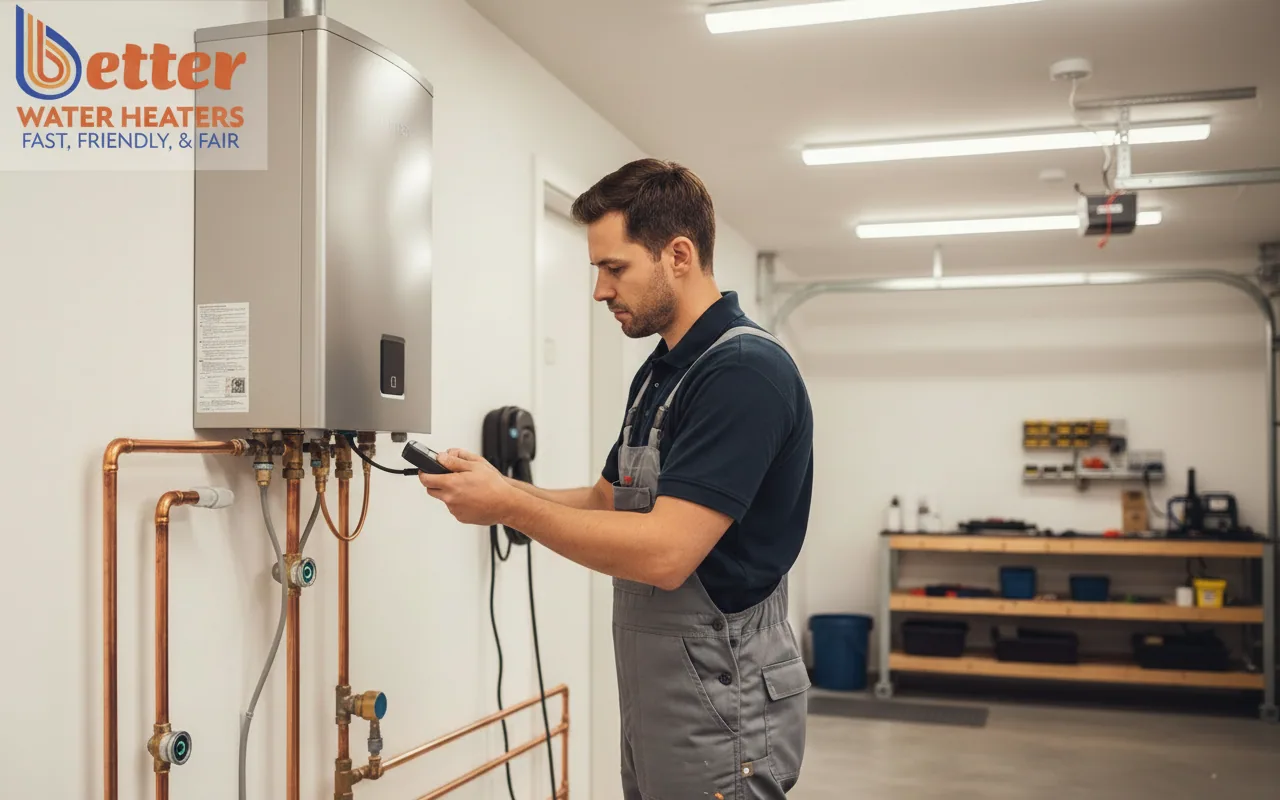
Understanding the 'Cold Water Sandwich' in Tankless Systems
If you own a tankless unit and notice a sudden blast of cold air mid-shower, you aren't crazy—you're experiencing a "cold water sandwich." This phenomenon occurs because the heater takes a few seconds to fire up when you turn the tap back on, leaving a pocket of unheated water in the pipes.
Here’s the thing: while tankless systems are incredibly efficient, they don't hold a reservoir of hot water. When you turn off the shower to lather up and turn it back on, the water already in the pipes is hot, but the water passing through the heater while it re-ignites stays cold. This creates the "sandwich" effect that many Bay Area residents find frustrating.
Try this to minimize the effect:
- Install a small point-of-use buffer tank to maintain a steady supply.
- Look into "recirculation pumps" which keep hot water moving through your loop constantly.
- Avoid "short-cycling" the tap; if you need hot water, keep the flow steady rather than toggling it on and off.
Need a permanent fix for your tankless system? Schedule a professional diagnostic to see if a recirculation kit is right for your home.
Broken Dip Tube Symptoms: The Hidden Culprit in Tank Heaters
What most people miss is that a water heater can sound perfectly fine while delivering totally inconsistent results. If you have a traditional tank and your fluctuating water temperature feels like it runs out of steam after only five minutes, your dip tube has likely snapped.
The dip tube is a plastic pipe that directs incoming cold water to the bottom of the tank to be heated. When it cracks or breaks, cold water stays at the top of the tank and mixes immediately with the hot water exiting to your shower. You get a "lukewarm" experience that never stays consistent.
Common signs of a failing dip tube:
- Small white plastic flecks appearing in your faucet aerators or showerhead.
- Hot water that starts at the right temperature but drops significantly within minutes.
- A visible decrease in the total volume of hot water available compared to last year.
Hard Water and Sediment: The Bay Area’s Silent Efficiency Killer
In our work with typical Bay Area mid-market homes, we often find that the local water supply—while safe—is relatively hard. Over time, calcium and magnesium settle at the bottom of your tank, creating a thick layer of sediment that acts as an insulator between the burner and the water.
This sediment doesn't just make the heater work harder; it creates "thermal pockets." The heater’s thermostat might think the water is 120 degrees because the sediment is trapping heat, even though the rest of the tank is still cold. This leads to fluctuating water temperature as the heater cycles on and off erratically.
Rule of thumb: Flush your water heater once a year. If you haven't done it in three years, the sediment might be too thick for a simple DIY flush, and you’ll need a professional water heater maintenance service to clear the scale.
The DIY Diagnostic: Using a Kitchen Thermometer
Before you call for water heater repair in the Bay Area, you can perform a simple check using a tool you already own: a digital meat thermometer. This helps determine if the issue is the heater itself or a faulty mixing valve in your shower wall.
How to test:
- Go to the faucet closest to the water heater and run the hot water for two minutes.
- Measure the temperature. It should be within 2-3 degrees of your heater's setting (usually 120°F).
- Now, go to the shower where you experience the fluctuations and measure the temperature there.
- If the kitchen tap is steady but the shower is a roller coaster, the problem is your shower's mixing valve, not the water heater.
By identifying this early, you save yourself the cost of an unnecessary heater replacement when a $50 valve part was the real issue. It’s about being smart with your maintenance budget.
Comparing Solutions for Inconsistent Heat
Choosing the right fix depends on your system type and the age of your home. Below is a quick breakdown of how we approach these issues for our clients.
| Issue | Primary Symptom | Recommended Fix |
|---|---|---|
| Cold Water Sandwich | 30-second burst of cold water | Recirculation pump or buffer tank |
| Broken Dip Tube | Hot water runs out very fast | Dip tube replacement (Standard Tank) |
| Sediment Buildup | Popping noises & erratic heat | Annual tank flush / Descaling |
| Failed Mixing Valve | Fluctuation in only one room | Replace shower cartridge/valve |
If you're managing multiple properties or a busy household, keeping track of these schedules can be a nightmare. We use our internal AI content engine to help us document these common issues so our technicians and customers stay on the same page about preventative care.
Smart Home Integration: Predicting Failure Before It Happens
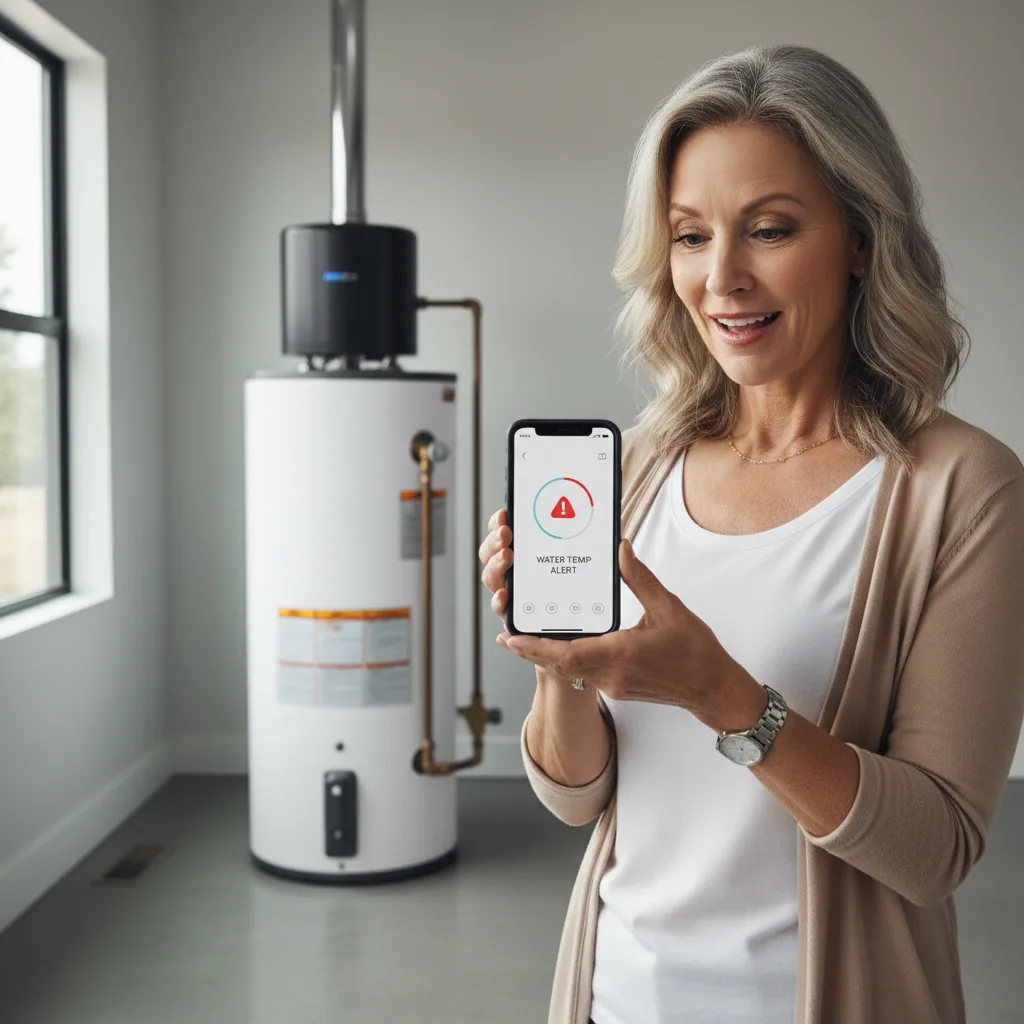
The real kicker? You don't have to wait for a cold shower to know your heater is failing. Modern smart home sensors can now monitor both water pressure and temperature fluctuations in real-time. According to Forbes Home, smart leak detectors can save homeowners thousands in potential water damage, but their temperature tracking is equally valuable.
By installing a Wi-Fi enabled sensor near your heater’s output, you can receive an alert on your phone the moment your water temperature starts to deviate from the norm. This allows you to catch broken dip tube symptoms or thermostat failures weeks before they result in a complete loss of hot water.
Best practice: If you are upgrading your heater, choose a model with integrated smart diagnostics. Brands like Rheem and Rinnai now offer apps that tell you exactly why your temperature is fluctuating—saving you hours of troubleshooting.
When to Call a Professional for Water Heater Repair in the Bay Area
While a thermometer test is a great start, certain issues require a licensed expert to ensure your home remains up to California plumbing code. If you notice any of the following, it’s time to put down the wrench and call in the specialists.
- Water Leaking: Any moisture around the base of the tank or the bottom of a tankless unit is an emergency.
- Gas Smells: If you smell "rotten eggs" near your unit, shut off the gas valve immediately and call us.
- Electrical Issues: If your hybrid heat pump heater is tripping the breaker, you likely have a dry-fired element.
- Permit Requirements: In cities like San Francisco or San Jose, major component replacements often require local permits to ensure seismic strapping is up to date.
Ready to stop the roller coaster? Contact Better Water Heaters today for a flat-rate diagnostic. We’ve served the Bay Area for over 20 years, and we know exactly how to stabilize your home’s hot water.
Frequently Asked Questions
Why does my water get cold when someone else turns on a faucet?
This is usually a pressure balance issue. If your home has older plumbing, the sudden demand for cold water elsewhere drops the pressure, causing the mixing valve to send more hot water (or vice versa) to your shower. Installing a pressure-balancing valve can solve this fluctuating water temperature issue.
How much does a water heater mixing valve repair cost?
A standard thermostatic mixing valve repair typically ranges from $250 to $500, including labor. This is a cost-effective way to prevent scalding and ensure a consistent temperature throughout the house, especially in older Bay Area homes with fluctuating supply pressures.
Can I fix a cold water sandwich myself?
While you can adjust your usage habits, a permanent cold water sandwich fix usually requires installing a recirculation pump or a small buffer tank. These involve cutting into your plumbing lines and should be handled by a professional to maintain your manufacturer's warranty.
Is fluctuating water temperature a sign I need a new heater?
Not necessarily. Many fluctuations are caused by external factors like failing mixing valves, sediment buildup, or a broken dip tube. A professional inspection can determine if a simple repair will extend your heater's life for another 5-10 years or if a replacement is more cost-effective.
Stop guessing and start showering in comfort. Use a kitchen thermometer to check your tap temp today—if it's swinging more than 5 degrees, give us a call before Monday morning.