Water heater article archive
Electric Water Heater Humming Sound: Proven Fixes | Better Water Heaters
Historical article, not newly reviewed advice. Verify current requirements, incentives and model guidance with the relevant authority or manufacturer before relying on them. Equipment and service needs require an assessment.
📋 Table of Contents
According to the U.S. Department of Energy, water heating is the second largest expense in most homes, accounting for roughly 18% of your utility bills. When you start hearing a persistent electric water heater humming sound, it isn’t just a background nuisance—it is often a signal that your system is working harder than it should, literally vibrating your hard-earned money away.
Key Takeaways for Bay Area Homeowners
- Loose Elements: The most common cause of humming is a heating element that has loosened, causing it to vibrate as water flows past.
- Sediment Issues: Mineral deposits from hard water can trap steam bubbles, leading to a phenomenon known as "kettling."
- Efficiency Loss: A vibrating element can reduce heat transfer efficiency by up to 15%, increasing monthly costs.
- Safety First: While a hum is often mechanical, it can occasionally signal a dangerous electrical arc risk.
The Science Behind the Electric Water Heater Humming Sound
Here’s the thing: your water heater shouldn’t be a musical instrument, but the physics of heating water makes it prone to specific types of resonance. When an electric water heater noise develops, it is usually the result of harmonic resonance—a fancy way of saying something inside the tank is shaking at a specific frequency.
What most people miss is that the heating elements in your tank are long, U-shaped metal rods. As they heat up, they are subjected to the flow of water around them. If the gasket or the element itself isn't seated perfectly, that flow causes the element to flutter like a reed in a saxophone. In our work with typical Bay Area mid-market residential clients, we often find that even a quarter-turn of a loose element can silence a unit completely.
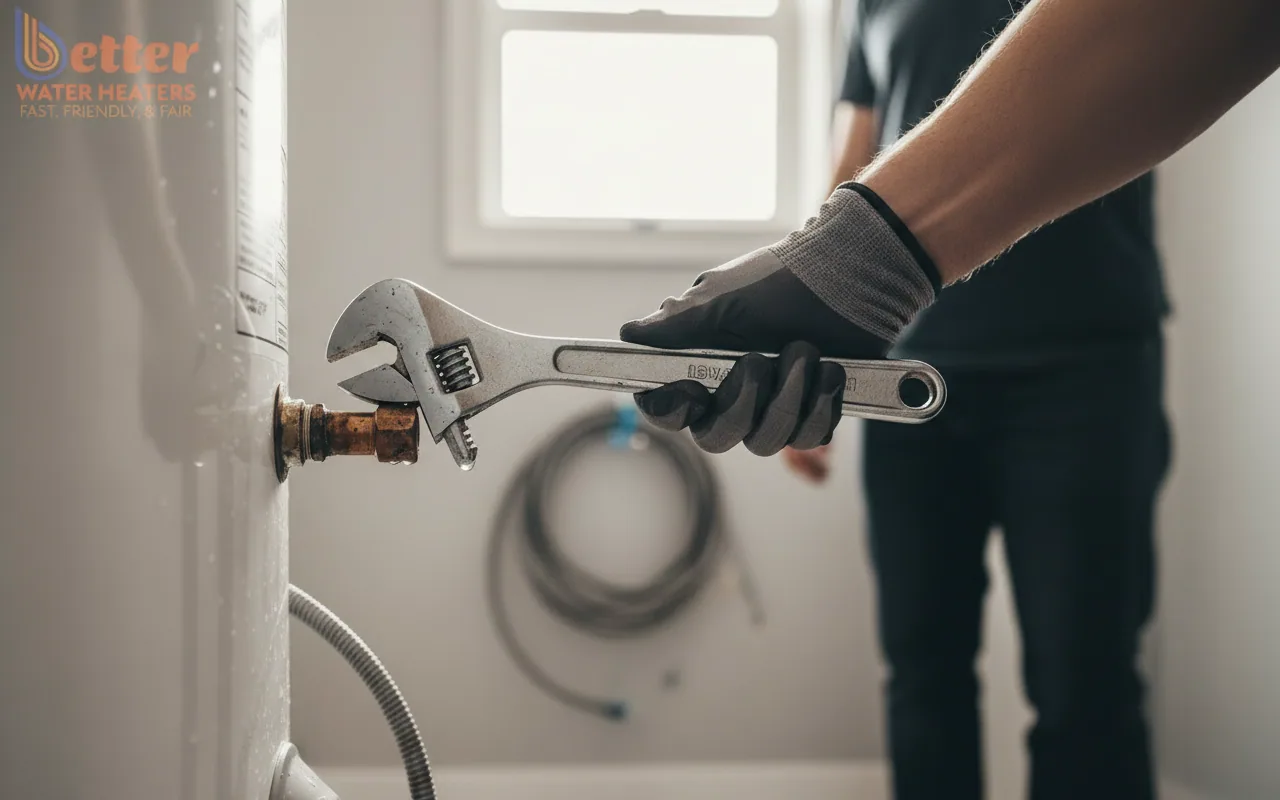
Common Causes of a Vibrating Water Heater
The real kicker is that a vibrating water heater is often a symptom of the specific water conditions we deal with in Northern California. Depending on your zip code, mineral shifts in the local water supply can accelerate the issues that lead to noise.
- Loose Heating Elements: This is the #1 culprit. The element vibrates against the water, creating a steady, low-pitched hum.
- Sediment Buildup: In areas like San Jose or Fremont with harder water, minerals settle at the bottom. As the bottom element heats up, it vibrates the sediment layer.
- High Water Pressure: If your home’s pressure is above 80 PSI, the sheer force of water entering the tank can cause internal components to rattle.
- Electrical Frequency: Occasionally, a loose wire connection can create a 60Hz hum that sounds mechanical but is actually electrical.
But wait—not all sounds are created equal. If the sound is more of a "popping" than a "humming," you are likely dealing with sediment-induced kettling. This happens when water gets trapped under a layer of minerals, boils, and "pops" as it escapes. You can learn more about these differences in our guide to water heater noises.
The Hidden Cost of Ignoring the Hum
An honest, contrarian insight: Most plumbers will tell you a hum is "harmless," but they are ignoring the energy physics. When an element is vibrating, it isn't just making noise; it's losing surface contact efficiency. According to Energy.gov, maintaining your water heater's internal components is vital for preventing standby heat loss.
A humming heater is often a heater that is about to fail. The constant vibration wears down the element's protective sheath. Once that sheath cracks, the internal filament makes contact with the water—a process called "dry-firing"—which will instantly short out your breaker and leave you with a cold shower on a Monday morning. For busy startup founders and entrepreneurs in the Bay Area, this is a productivity killer you can’t afford.
Need a professional ear? If your heater is making sounds you can't identify, schedule a professional diagnostic today to prevent a mid-winter breakdown.
How to Diagnose and Fix the Noise
Before you call in the pros, there are a few things you can check yourself. However, always remember the DIY Safety Threshold: if you are touching electrical panels or removing elements, the power must be off at the breaker. Here is our recommended diagnostic path:
- Check the Element Tightness: Use a specialized element wrench to ensure the heating elements are snug against the tank.
- Flush the Tank: If the hum is accompanied by a rumbling, a full flush can remove the sediment causing the vibration.
- Inspect the Gaskets: Over time, the rubber gaskets that seal the elements can harden and lose their dampening ability.
- Verify Water Pressure: Use a simple pressure gauge on your outdoor hose bib to ensure your home isn't exceeding safe limits.
Transitioning to a quieter home environment is easier when you understand the mechanics. For those who want to dive deeper into the technical side, we use our internal AI content engine to track emerging trends in water heater technology, such as how new smart controllers might interact with electrical resonance.

When to Call a Water Heater Specialist
Determining when a sound is a "fix" versus a "replacement" is where expertise matters. In our work with property managers managing multiple units, we emphasize that a humming sound in a unit older than 10 years is usually the first sign of tank fatigue. While you can replace an element, you can't replace the integrity of a thinning tank wall.
If you notice any of the following, stop the DIY efforts and call a specialist:
- The humming is accompanied by a burning smell or scorched plastic near the access panels.
- The noise persists even after the heating cycle has finished.
- You see water pooling at the base of the heater.
- The hum is so loud it can be heard through walls in other rooms.
We specialize in electric water heater repair across the Bay Area, from San Jose to Redwood City. We understand the local codes and the specific challenges posed by our regional water chemistry.
Comparison: Humming vs. Other Water Heater Noises
| Sound Type | Primary Cause | Urgency Level |
|---|---|---|
| Steady Hum | Loose Heating Element | Medium - Efficiency Loss |
| Loud Popping | Sediment Buildup (Kettling) | High - Tank Damage Risk |
| Screeching | Restricted Water Flow | Medium - Valve Issue |
| Clicking | Electrical Relay / Smart Controller | Low - Normal Operation |
Final Rule of Thumb
Don't let a small vibration turn into a major flood. If your electric water heater humming sound is getting louder, it is your system's way of asking for a tune-up. Take action this week: check your water pressure and consider a professional flush to extend the life of your appliance.
Ready to silence the noise? Contact Better Water Heaters for a same-day inspection and expert repair. We help Bay Area homeowners stay efficient and stress-free.
Frequently Asked Questions
Is a humming water heater dangerous?
Generally, a humming sound is a mechanical vibration and not an immediate explosion risk. However, it can indicate a loose heating element that may eventually lead to an electrical short or "dry-firing." If the hum is accompanied by a burning smell or sparks, shut off the breaker immediately and call a professional.
Can sediment cause an electric water heater humming sound?
Yes. While sediment usually causes popping or rumbling, a fine layer of scale on the heating element itself can cause it to vibrate at a high frequency, creating a distinct hum. This is especially common in Bay Area cities with high mineral content in the water supply, such as parts of the East Bay.
How do I stop my water heater from vibrating?
The most effective way to stop the vibration is to ensure the heating elements are tightened to the manufacturer's specifications and to flush the tank to remove sediment. If the vibration persists, you may need to replace the heating element gaskets or install a water pressure regulator if your home's PSI is too high.
Will a humming water heater increase my electric bill?
Yes, indirectly. A humming element is often coated in scale or vibrating away from the water it is meant to heat, which forces the unit to run longer cycles to reach the desired temperature. Over time, this inefficiency can add up to a noticeable increase in your monthly energy expenditures.