Water heater article archive
BAAQMD Water Heater Regulations: The 2027 Countdown Guide | Better Water Heaters
Historical article, not newly reviewed advice. Verify current requirements, incentives and model guidance with the relevant authority or manufacturer before relying on them. Equipment and service needs require an assessment.
📋 Table of Contents
- Understanding BAAQMD Rule 9-4 and 9-6
- The Emergency Replacement Crisis: Why Waiting is a Trap
- Heat Pump Water Heater Rebates 2024: Maximizing Your ROI
- The 200-Amp Question: Preparing Your Electrical Panel
- Bay Area Water Heater Replacement: Gas vs. Heat Pump Costs
- Zero-Emission Installation: Challenges in Older Bay Area Homes
- Final Roadmap: Your 2027 Preparation Plan
- FAQs
According to the Bay Area Air Quality Management District, water heaters and furnaces account for roughly 90% of NOx emissions from residential buildings. Because of this, the BAAQMD water heater regulations are officially phasing out the sale and installation of traditional natural gas water heaters starting in 2027.
For most Bay Area homeowners, this isn't just a policy update—it is a ticking clock on your home’s infrastructure. If your current gas tank is more than 8 years old, you are likely one breakdown away from a logistical nightmare involving emergency electrical upgrades and permit delays.
Key Takeaways for 2024
- The Deadline: Starting January 1, 2027, single-family homes can no longer install gas water heaters.
- The Tech: Heat Pump Water Heaters (HPWH) are the primary compliance path for zero-emission standards.
- The Incentives: Between TECH Clean California and Federal tax credits, you can currently offset up to $4,900+ in costs.
- The Bottleneck: Electrical panel upgrades (moving to 200-amp service) are the #1 cause of project delays in San Jose and Oakland.
Understanding BAAQMD Rule 9-4 and 9-6
The real kicker about these regulations is that they target the point of sale, meaning retailers and contractors simply won't be allowed to sell you a gas unit once the deadline hits. BAAQMD Rule 9-6 specifically mandates that all new water heaters sold in the Bay Area must meet a "zero-NOx" emission standard.
Here’s the thing: "Zero-NOx" is essentially code for electric. While ultra-low NOx gas heaters exist today, they do not meet the 2027 requirement. This transition is part of a larger push to decarbonize the California grid, similar to the mandates recently discussed by Energy.gov regarding residential efficiency standards.
- 2027: Ban takes effect for small residential water heaters (single-family homes).
- 2029: Ban expands to larger commercial and multi-family units.
- Compliance: Only applies to new installations; you do not have to rip out a working gas heater.
The Emergency Replacement Crisis: Why Waiting is a Trap
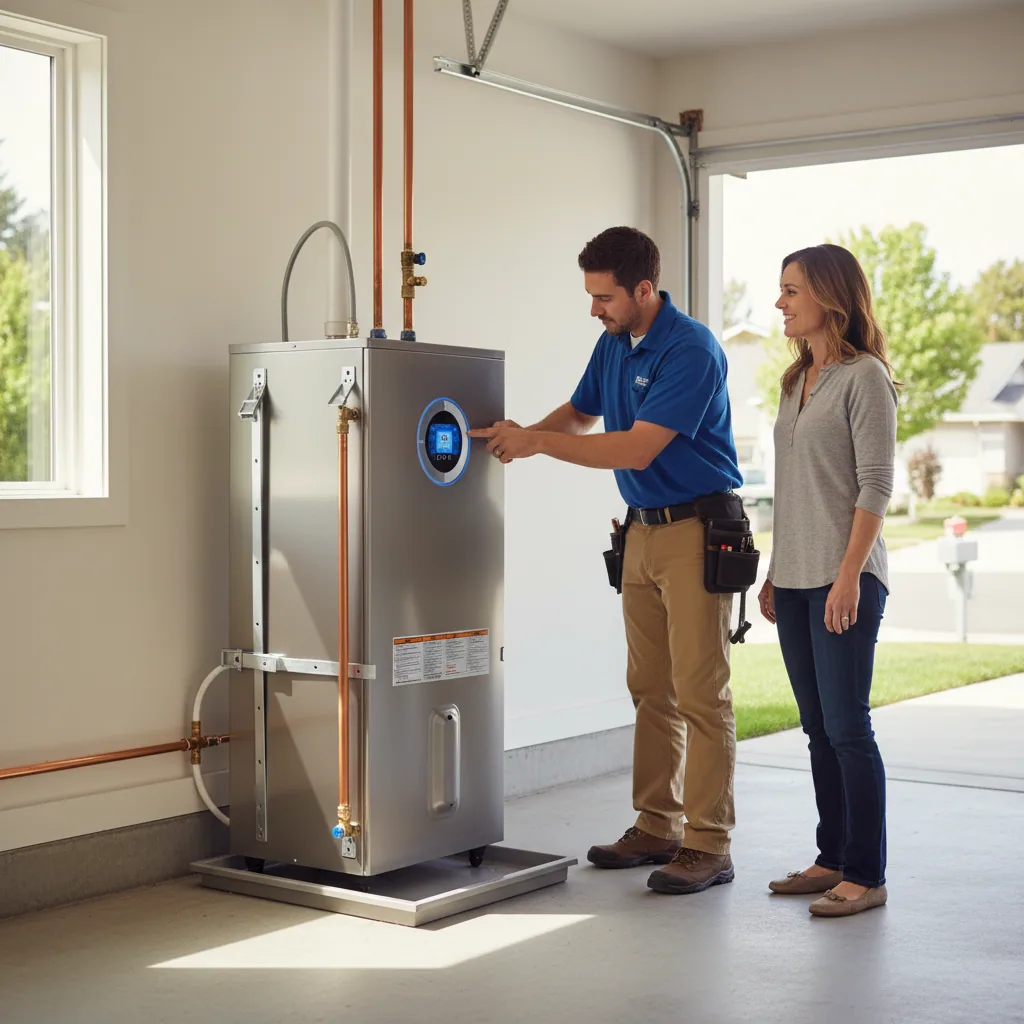
Most homeowners wait until their water heater leaks all over the garage to call a plumber, but under the new BAAQMD water heater regulations, that strategy will fail. In a typical Bay Area mid-market home, switching from gas to electric isn't a simple "swap"; it often requires a new 240V circuit and potentially a main electrical panel upgrade.
What most people miss is that an emergency replacement on a Friday night doesn't give you time to wait three weeks for a PG&E transformer upgrade or a city electrical permit. If your gas heater dies in 2027, you may be stuck without hot water for weeks while your home is brought up to electrical code.
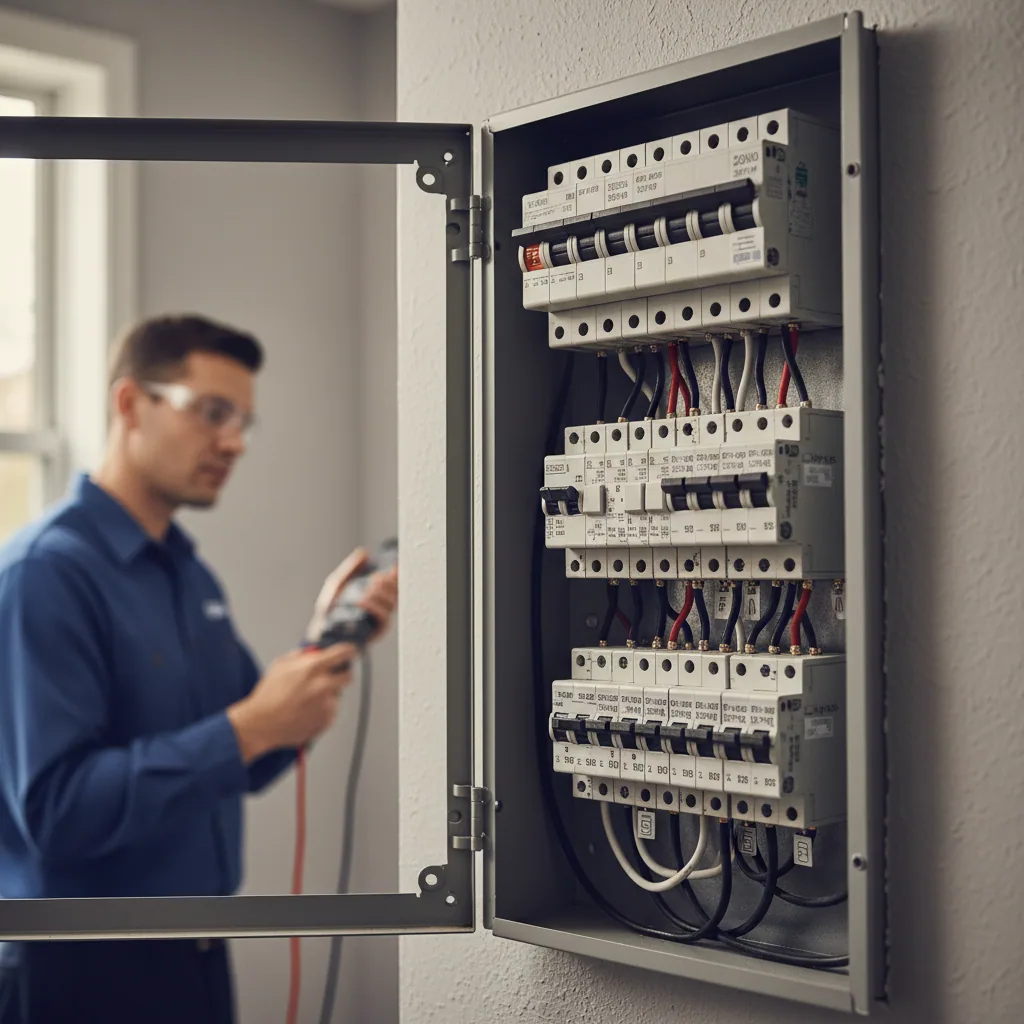
Try this: Check your electrical panel today. If you see a 100-amp main breaker and it's full of switches, you are a prime candidate for a proactive upgrade. Proactive planning allows you to leverage same-day service before the 2027 rush spikes labor prices.
Heat Pump Water Heater Rebates 2024: Maximizing Your ROI
While the upfront cost of a heat pump is higher than a gas tank, the current incentive landscape is the most generous we have seen in 20 years. By combining local, state, and federal programs, the "green premium" of switching to electric often disappears entirely.
| Incentive Source | Amount | Eligibility |
|---|---|---|
| TECH Clean California | $1,000 - $3,100 | Available to all PG&E customers |
| Federal Tax Credit (25C) | 30% (Up to $2,000) | Annual cap applies |
| BayREN / Local Utility | $250 - $1,000 | Varies by County (e.g., San Mateo, Santa Clara) |
To qualify for these heat pump water heater rebates 2024, you must use a certified contractor who is enrolled in the TECH directory. We handle the paperwork for our clients because the rebate portals are notoriously difficult for homeowners to navigate.
The 200-Amp Question: Preparing Your Electrical Panel
Switching to a zero-emission water heater installation usually requires a 30-amp, 240-volt dedicated circuit. In our work with established homeowners in Palo Alto and Los Gatos, we frequently find that older 100-amp panels are already at capacity due to EV chargers and AC units.
An honest, contrarian insight: You might not actually need a $5,000 panel upgrade. Many modern heat pumps, like the Rheem ProTerra, offer "plug-in" 120V models designed specifically for gas-to-electric retrofits without heavy wiring. However, these units have slower recovery times. If you have a large family, the 240V "hybrid" model is still the gold standard for performance.
Contractor Checklist for Electrical Readiness:
- Does the contractor have an in-house electrician or a trusted partner for permits?
- Have they calculated your current panel load?
- Are they installing a thermal expansion tank to meet current California plumbing codes?
Bay Area Water Heater Replacement: Gas vs. Heat Pump Costs
Let's talk real numbers without the marketing fluff. A standard gas water heater replacement in the Bay Area typically ranges from $2,500 to $4,500 depending on venting requirements. A heat pump installation usually starts at $6,000 and can go up to $9,000 if electrical work is extensive.
However, once you apply $3,000+ in rebates and factor in that a heat pump is 3-4x more efficient than gas, the total cost of ownership over 10 years is significantly lower. According to the EPA, high-efficiency appliances are the single best way to hedge against rising natural gas prices in California.
Need a custom breakdown for your home? Request a free quote today and we’ll help you map out the rebates available in your specific zip code.
Zero-Emission Installation: Challenges in Older Bay Area Homes
Older homes in San Francisco or Berkeley present unique challenges for the 2027 mandate. Space is the primary concern; heat pumps need roughly 700 to 1,000 cubic feet of air space to "breathe" and extract heat effectively. If your water heater is in a tiny closet, you’ll need louvered doors or ducting.
Furthermore, heat pumps generate condensate (water) that needs to be drained. In a garage, this is easy. In a basement or interior closet, it might require a small condensate pump. These are the small details that "big box" installers often miss, leading to permit failures and mold issues later.
At Better Water Heaters, we’ve spent 20 years navigating these local quirks. Whether it’s seismic strapping for earthquake safety or navigating the BAAQMD Rule 9-6 specifics, we ensure your home is future-proofed.
Final Roadmap: Your 2027 Preparation Plan
The transition to zero-emission heating is inevitable. Instead of waiting for a crisis, follow this proactive schedule to save money and stress.
- Now: Identify the age of your water heater. If it’s 10+ years old, it’s on borrowed time.
- Next 6 Months: Get an electrical load calculation done for your home.
- 2025: Lock in current TECH Clean California incentives before funding pools are depleted or reduced.
- 2026: Expect labor rates to climb as the "panic installations" begin.
Ready to get ahead of the 2027 mandate? Don't let a leaky tank force you into an expensive, rushed decision. Contact Better Water Heaters today to schedule a professional assessment of your home’s readiness for the BAAQMD transition.
Frequently Asked Questions
Will I be forced to replace my working gas water heater in 2027?
No, the BAAQMD water heater regulations only apply to the sale and installation of new units. You can continue to use and repair your existing gas water heater until it reaches the end of its functional life. However, once it fails after 2027, you must replace it with a zero-emission model.
What is the difference between BAAQMD Rule 9-4 and 9-6?
Rule 9-4 focuses on NOx emissions from furnaces, while Rule 9-6 specifically targets residential water heaters. Both rules were amended to transition the Bay Area toward zero-emission building technologies to improve local air quality and meet California's climate goals.
Are there still rebates for gas water heaters?
In most of the Bay Area, rebates for gas water heaters have been phased out to encourage the adoption of electric heat pumps. To maximize your savings, you should look toward heat pump water heater rebates 2024 programs like TECH Clean California and the Federal 25C tax credit.
Do heat pump water heaters work in the Bay Area's climate?
Yes, the Bay Area has an ideal climate for heat pumps. Because our temperatures rarely drop below freezing, these units can efficiently extract heat from the air year-round. They are significantly more efficient here than in colder climates like the Northeast or Midwest.