
📋 Table of Contents
According to the U.S. Geological Survey (USGS), there is a 72% probability that a magnitude 6.7 or greater earthquake will strike the San Francisco Bay Region before 2043. For most homeowners, a seismic safety audit is the only thing standing between a minor tremor and a $50,000 flood or fire disaster caused by a compromised water heater.
Key Takeaways:
- Compliance with California Health and Safety Code Section 19211 is mandatory for all real estate transfers.
- Standard straps often fail due to improper anchoring into drywall rather than structural studs.
- An automatic gas shut-off valve is the single most effective tool for preventing post-earthquake residential fires.
- Micro-tremor fatigue can loosen rigid plumbing joints over time, even without a major quake.
1. The Structural Anchor: Earthquake Strapping Requirements
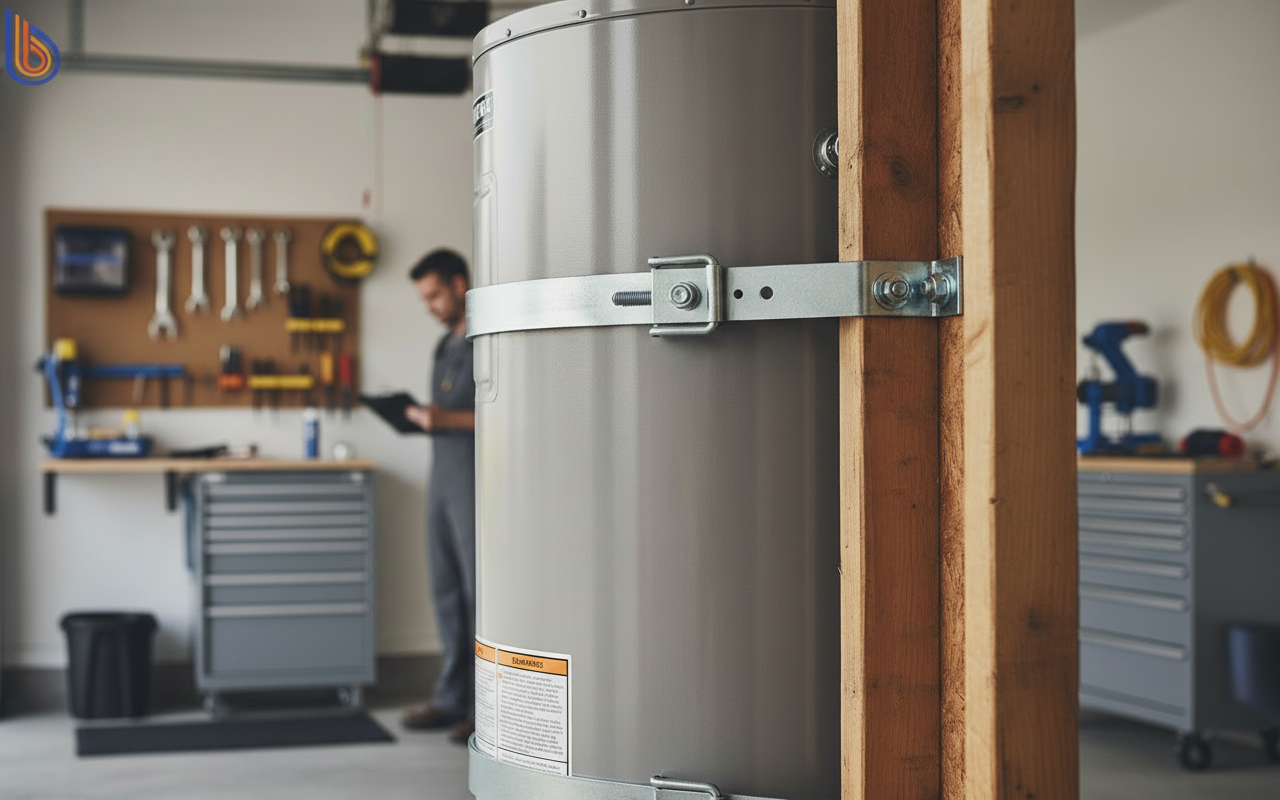
The real kicker? Most “DIY” strapping kits found at big-box retailers are installed incorrectly, often anchored into thin drywall rather than the home’s structural framing. To meet earthquake strapping requirements, your water heater must be secured in the upper and lower one-third of the tank to prevent tipping or sliding off its base.
California Plumbing Code 507.2 is very specific about the materials and positioning used for these supports. In our work with Bay Area homeowners, we frequently see straps that have become loose due to “micro-tremor fatigue”—the cumulative effect of small, imperceptible vibrations that occur weekly in the East Bay and Peninsula. Over time, these vibrations back out screws and stretch cheap metal banding.
- Point 1 Checklist:
- Straps must be heavy-duty galvanized steel, not thin plumber’s tape.
- Lag bolts must penetrate at least 1.5 inches into solid wood studs or masonry.
- The lower strap must be at least 4 inches above the gas control valve to ensure accessibility.
- Tension must be tight enough to prevent any lateral movement during a simulated shake.
Code Minimum vs. Maximum Protection
While the state requires two straps, modern safety standards for larger 75-gallon tanks or units located in high-traffic garages often suggest a third strap or reinforced shelving. If you are unsure if your current setup passes muster, you can schedule a professional inspection to verify your compliance before your next insurance renewal.
2. The Fire Guard: Automatic Gas Shut-Off Valve Integration
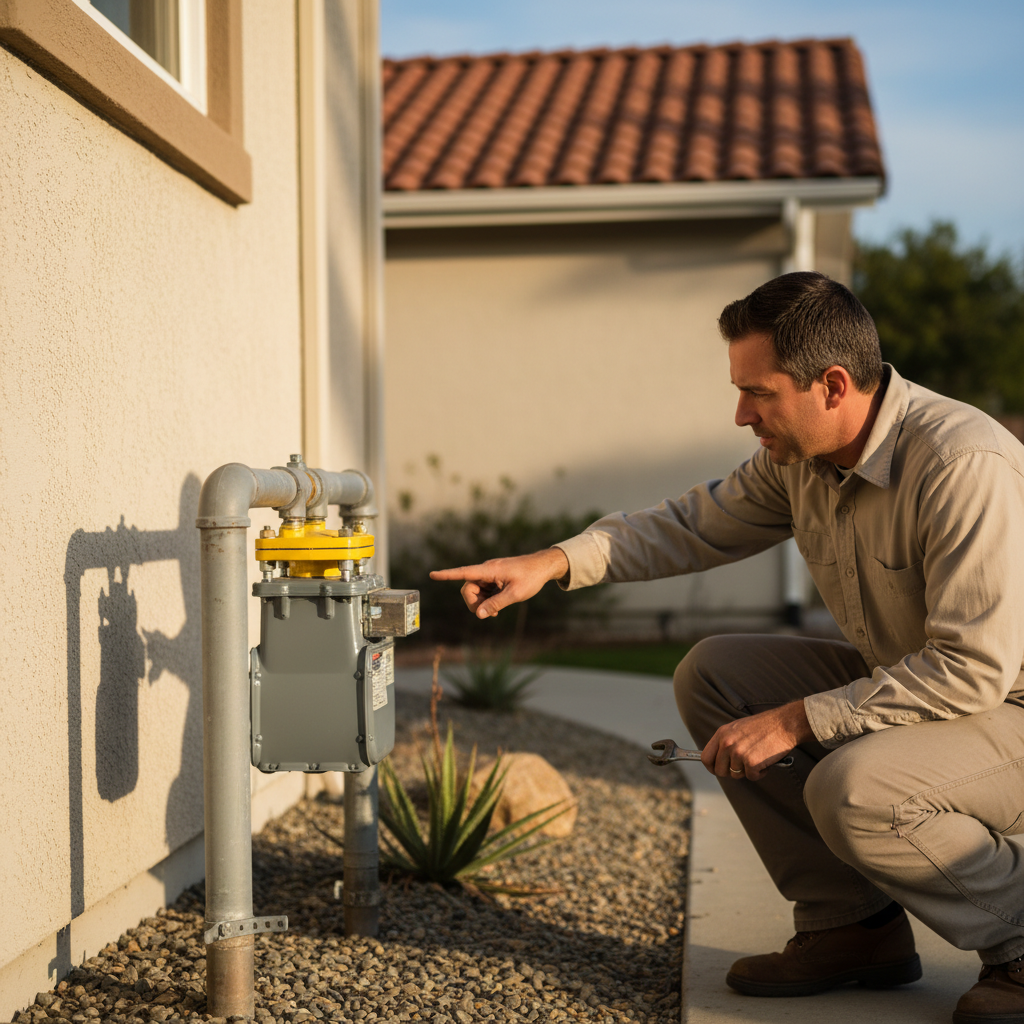
What most people miss is that the water heater itself isn’t the biggest threat during an earthquake; it’s the gas line attached to it. An automatic gas shut-off valve, also known as a seismic actuator, is designed to instantly kill the gas flow to your home when it detects a magnitude 5.1 or greater vibration.
Here is the thing: post-earthquake fires are frequently caused by appliances shifting just enough to crack a rigid gas pipe. By installing a seismic valve at the main meter, you protect every gas appliance in the house, not just the water heater. Many local municipalities, including the San Francisco Public Utilities Commission service areas, strongly encourage these installations to reduce city-wide fire risks.
- Benefits of a Seismic Gas Valve:
- Prevents gas leaks from fractured internal piping.
- May qualify you for significant discounts on your homeowner’s insurance premiums.
- Provides peace of mind for property managers handling multi-unit dwellings.
- Resets easily with a standard tool once the area is declared safe.
3. The Flex Factor: Flexible Gas Connector Installation
Rigid pipes are the enemy of seismic safety because they snap under the lateral stress of a shifting foundation. A flexible gas connector installation acts as a shock absorber, allowing the water heater to move slightly without rupturing the fuel supply. According to FEMA, utility failures are the leading cause of secondary damage following a seismic event.
But wait—not all “flex” lines are created equal. We often find older brass connectors that have become brittle over decades. During a seismic safety audit, we replace these with stainless steel corrugated connectors that are rated for high-vibration environments. This is a critical step for modern seismic water heater strapping protocols.
| Component | Standard Installation | Seismic-Ready Upgrade |
|---|---|---|
| Gas Line | Rigid Black Iron Pipe | Corrugated Stainless Steel (CSS) |
| Water Lines | Copper Hard-Pipe | Braided Stainless Flex Hoses |
| Strapping | Single Wrap (Thin) | Double/Triple Stud-Anchored Steel |
Need a quick checkup? Browse our maintenance guides to see what a compliant Bay Area installation looks like.
4. The Expansion Tank and Structural Placement
The final point of our audit focuses on the expansion tank seismic support. In a closed-loop plumbing system, which is common in San Jose and Fremont, expansion tanks are often left “hanging” by their copper pipes. During a quake, the weight of a water-filled expansion tank can easily shear off the connection, leading to an immediate flood.
The real kicker? Structural placement matters just as much as the hardware. If your water heater is located on a raised platform or in a closet near a primary exit, its failure could block your escape route. A professional seismic safety audit evaluates the “path of failure” to ensure your family can get out safely even if the appliance shifts.
- Check that expansion tanks are independently supported by a wall bracket.
- Ensure the water heater is not located directly under heavy storage items that could fall and crush the vent hood.
- Verify that the T&P (Temperature and Pressure) relief valve is piped to the exterior to prevent scalding during a tank rupture.
Why a Professional Audit Beats a Handyman Fix
In our work with first-time homebuyers in the Bay Area, we see a recurring trend: sellers hire a general handyman to “strap the heater” just to clear a home inspection. These fixes often fail because they don’t account for the specific weight distribution of the tank or the 2027 zero-NOx requirements that might affect future replacements. A specialist knows the nuances of local municipal codes that a generalist might overlook.
Furthermore, if you’re managing a growing portfolio of rental properties, a documented seismic safety audit is a vital liability shield. It proves you have met the duty of care required by California law. For those managing high-volume service businesses, using tools like Ingest.blog to automate safety compliance updates for your tenants can be a game-changer.
The ROI of Resilience: Saving Your Home
Think of this audit as an investment rather than an expense. A typical professional strapping and valve service might cost a few hundred dollars, but it protects a $2,000–$5,000 appliance and prevents tens of thousands in water and fire damage. In the high-stakes Bay Area real estate market, a certified-safe water heater is a selling point that gives buyers confidence.
Ready to secure your home? Contact Better Water Heaters today to schedule your 4-point seismic safety audit and ensure your home is ready for whatever the fault lines throw our way.
Frequently Asked Questions
Is a seismic safety audit required by law in California?
Yes, under California Health and Safety Code Section 19211, all sellers of real property must certify that the water heater is braced, anchored, or strapped to resist falling during an earthquake. Failure to comply can delay real estate closings and create significant liability for the seller.
What is the difference between a standard strap and seismic strapping?
Standard strapping often refers to a single point of contact, whereas seismic strapping requires at least two points of contact (upper and lower thirds) anchored directly into structural studs. In the Bay Area, we also account for micro-tremor fatigue by using higher-gauge steel and specialized lag bolts.
How much does an automatic gas shut-off valve cost to install?
Costs vary depending on the size of your gas meter and the complexity of the piping, but most residential installations range from $400 to $800. This investment often pays for itself through insurance premium reductions and the prevention of catastrophic fire damage.
Can I install earthquake straps myself?
While DIY kits are available, they often fail professional home inspections because they are not anchored into the correct structural members. A professional audit ensures that the strapping meets the specific height and tension requirements of California Plumbing Code 507.2.