
📋 Table of Contents
- What is the Seismic Bracing Protocol?
- California Plumbing Code Section 507.3 and Your Liability
- The 3-Point Inspection Framework for Bay Area Homeowners
- The ‘Soft-Story’ Vulnerability: Multi-Unit Challenges
- Beyond the Strap: Automatic Gas Shut-Off Valves (ASGSOV)
- Common DIY Mistakes in Seismic Bracing
- FAQs
According to the U.S. Geological Survey, there is a 72% probability of at least one magnitude 6.7 or greater earthquake striking the San Francisco Bay Area before 2043. For homeowners living near the Hayward or San Andreas faults, following a strict seismic bracing protocol isn’t just a legal checkbox—it is the primary defense against a ruptured gas line and a subsequent house fire.
The California plumbing code is notoriously specific about how water heaters must be secured, yet we frequently find sub-standard installations in even the most high-end Silicon Valley residences. Whether you are a first-time homebuyer in San Jose or a seasoned property manager in Redwood City, understanding the mechanics of water heater earthquake straps is vital for protecting your asset and your family.
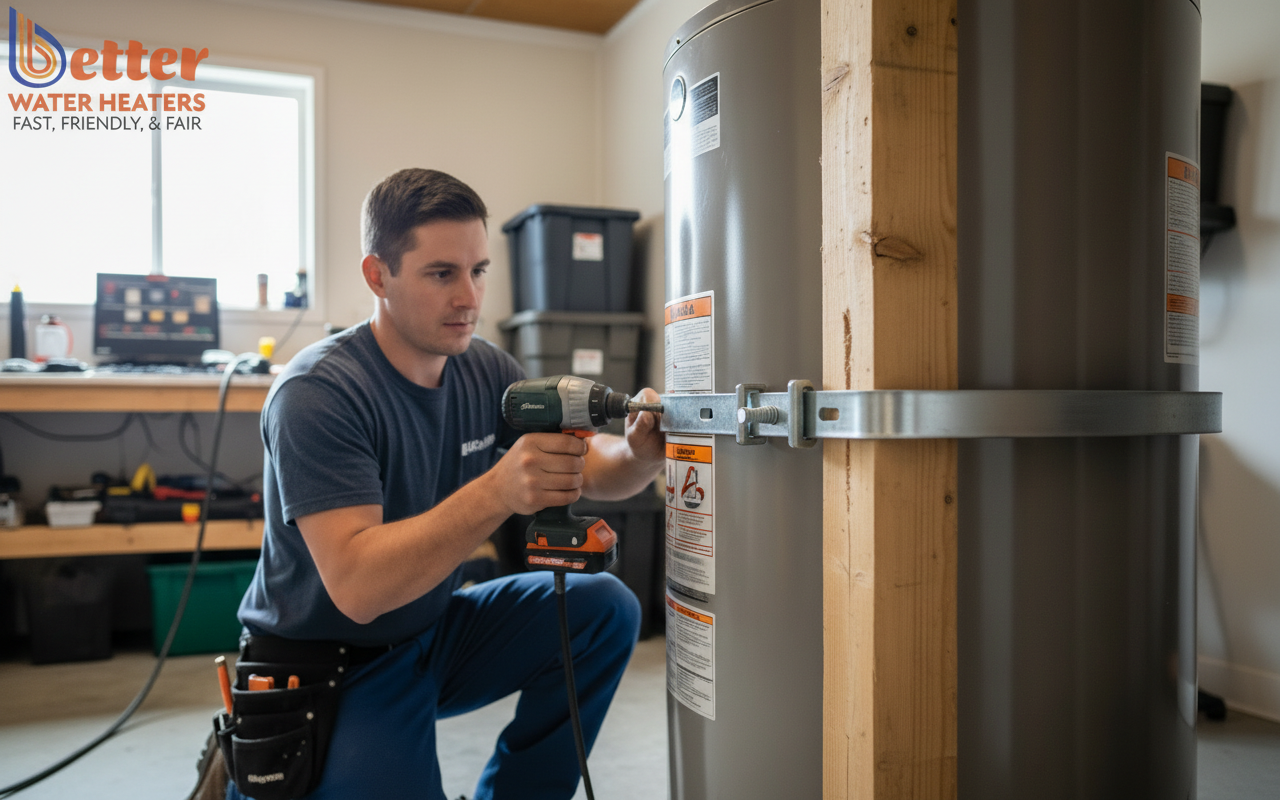
What is the Seismic Bracing Protocol?
The protocol is a standardized engineering framework designed to ensure that a water heater remains upright and stationary during significant ground motion. In the Bay Area, where lateral forces during a tremor can exceed the weight of the appliance itself, a simple “strap-and-go” approach is insufficient.
- Lateral Stability: The system must resist horizontal movement to prevent the unit from tipping.
- Vertical Displacement: Strategic anchoring prevents the unit from “jumping” or sliding off its base.
- Connection Integrity: The protocol ensures that flexible connectors for gas and water have enough slack to move without snapping.
What most people miss is that a full 50-gallon water heater weighs approximately 450 to 500 pounds. When that mass starts oscillating during a 6.0 magnitude quake, a single flimsy strap from a big-box store will likely snap, leading to what we call “the domino effect” of utility failures. This is why modern safety standards require a more robust, dual-point anchoring system.
California Plumbing Code Section 507.3 and Your Liability
Compliance with California Plumbing Code Section 507.3 is mandatory for all new installations and replacements, but its implications reach far into homeowner insurance and liability. If a non-compliant water heater causes fire or flood damage during an earthquake, insurance adjusters may use that code violation as grounds to deny or reduce your claim payout.
- Two-Strap Minimum: The code requires at least two wraps of strapping—one in the upper one-third and one in the lower one-third of the unit.
- Clearance Requirements: Straps must be at least 4 inches away from the controls to ensure they don’t interfere with emergency shut-offs.
- Structural Anchoring: Straps must be anchored into the wall studs using heavy-duty lag bolts, not just the drywall.
The real kicker? While the state code provides the baseline, many Bay Area municipalities—like San Francisco or Berkeley—have even stricter local amendments due to their specific soil types and liquefaction zones. Working with Water Heater Specialists ensures you aren’t just meeting the state minimum, but the local maximum for safety.
Need to verify your current setup? Schedule a professional safety inspection today to ensure your home is up to code.
The 3-Point Inspection Framework for Bay Area Homeowners
We use a specialized framework to audit existing installations, focusing on the failure points most common in older Bay Area homes. Here is how you can perform a preliminary check on your own system.
1. The Anchor Point Audit
Check where the water heater earthquake straps meet the wall. Are they screwed into a flimsy piece of plywood, or are they secured with 1/4-inch lag bolts directly into the structural studs? In many “soft-story” retrofits common in San Francisco apartments, the lack of solid wood backing makes standard strapping useless without custom blocking.
2. Strap Height and Tension
The seismic strap height requirements are precise. The lower strap must be at least 4 inches above the gas control valve, and the upper strap must be at least 9 inches below the top of the tank. If the straps are loose enough to slide up or down with a firm tug, they will fail during a tremor.
3. Flexible Utility Connections
Rigid copper piping or hard gas lines are the enemies of seismic safety. The seismic bracing protocol requires the use of corrugated stainless steel or flexible connectors that allow the tank to shift slightly without rupturing the supply lines. According to the Department of Energy, flexible connectors are the single most effective way to prevent post-earthquake fires.
The ‘Soft-Story’ Vulnerability: Multi-Unit Challenges
Standard bracing techniques often fail in multi-unit dwellings where the water heater is located in a garage or a “soft-story” ground floor. In these structures, the building itself moves differently than a standard single-family home, requiring structural anchoring for water heaters that accounts for higher vibration frequencies.
In our work with local property managers, we often find that older buildings have “closet clearance” issues. When a space is too tight to wrap a standard strap, we must use specialized HCD seismic bracing guidelines to install box-style brackets or floor-mounted seismic stands. These aren’t DIY projects; they require an understanding of load-bearing physics.
But wait—there is a new factor in the mix. As the Bay Area transitions to Heat Pump Water Heaters (HPWH), we are dealing with units that are significantly taller and heavier than traditional gas tanks. These units often require reinforced platforms and specialized seismic safety compliance kits to handle the top-heavy weight distribution of the heat pump compressor.
Beyond the Strap: Automatic Gas Shut-Off Valves (ASGSOV)
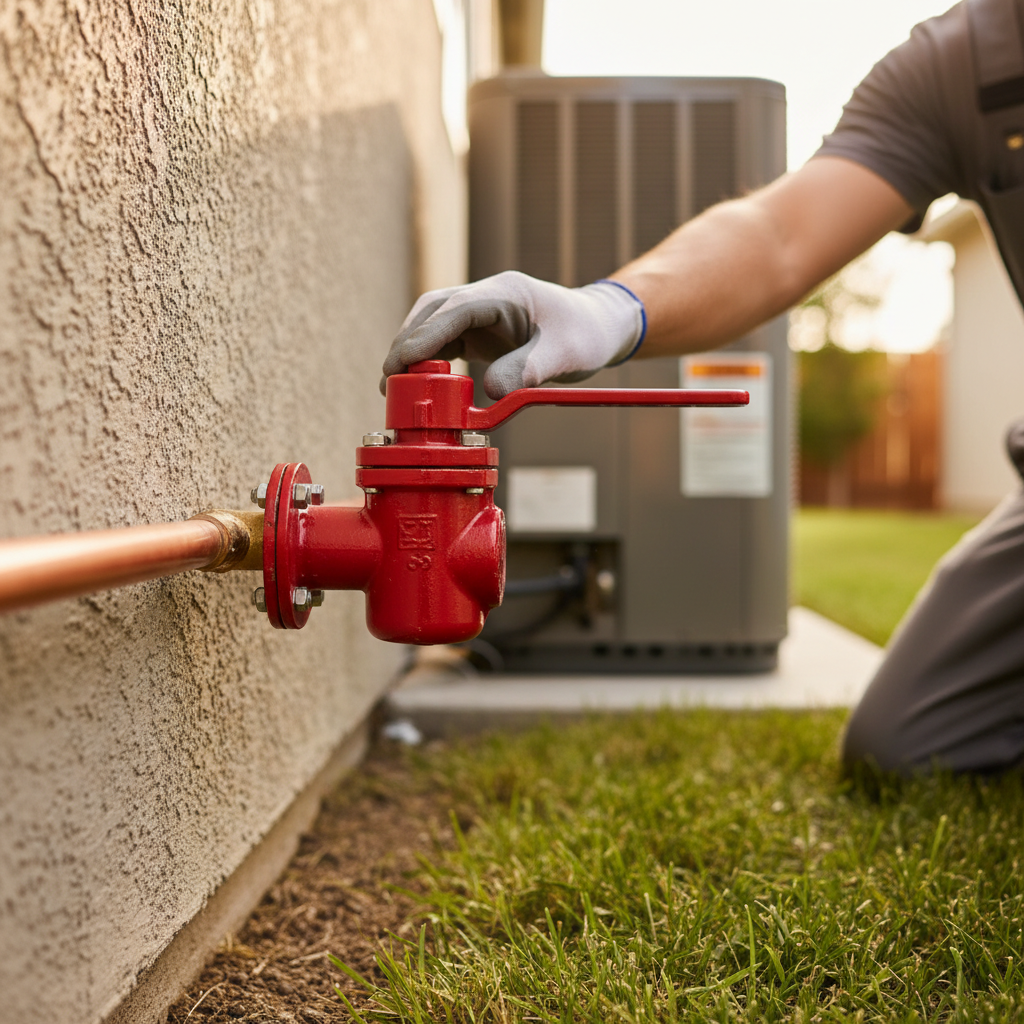
While straps keep the tank from falling, an automatic gas shut-off valve installation is what stops a disaster in its tracks. These valves are triggered by a 5.0 magnitude or greater earthquake, instantly cutting the fuel supply to your home. Many insurance companies now offer premium discounts for homes that combine the seismic bracing protocol with a certified ASGSOV.
| Feature | Standard Strapping | Professional Seismic Protocol |
|---|---|---|
| Hardware | Plumber’s Tape/Thin Metal | Heavy-Duty Gauged Steel Straps |
| Anchoring | Drywall Screws | 3″ Lag Bolts into Studs |
| Flexibility | Rigid Pipes | Certified Flexible Connectors |
| Gas Safety | Manual Valve Only | Seismic Auto-Shutoff Valve |
The real insight? Most homeowners think the straps are there to save the water heater. They aren’t. They are there to save the house. A fallen water heater is a $2,000 replacement; a gas-fed house fire is a total loss. To stay updated on the latest safety tech, we use ingest.blog to track emerging building standards across California.
Common DIY Mistakes in Seismic Bracing
We frequently encounter “handyman specials” that provide a false sense of security. Here is what we see most often in mid-market Bay Area homes:
- Using the wrong screws: Sheet metal screws or drywall screws will shear off instantly under the weight of a full tank.
- Single-strap systems: Many older homes still only have one strap, which allows the bottom of the tank to kick out, rupturing the gas line.
- Overtightening: Straps that are too tight can actually damage the insulation jacket of the heater, leading to energy loss.
- Ignoring the base: If the water heater is on a wooden stand, that stand must also be anchored to the floor or wall.
Here’s the thing: seismic safety isn’t a “one size fits all” solution. A typical Bay Area client living in a 1920s Craftsman in Palo Alto has very different structural needs than someone in a modern condo in San Jose. Our 20+ years of local expertise allow us to adapt the seismic bracing protocol to the specific architecture of your home.
Ready for a safety upgrade? Contact us for a free quote on a code-compliant seismic retrofit.
FAQs About Seismic Bracing in the Bay Area
Do I really need earthquake straps for a tankless water heater?
Yes. While tankless units are wall-mounted and lighter, they still require structural anchoring for water heaters according to California Plumbing Code Section 507.3. Because they are connected to high-pressure gas lines, any shifting can cause a dangerous leak. We use specialized mounting plates to ensure they stay secured to the wall studs.
What is the cost of a professional seismic bracing retrofit?
For a typical Bay Area residence, a professional seismic retrofit—including heavy-duty straps, lag bolts, and flexible connectors—usually ranges from $250 to $500 depending on the complexity of the wall access. This is a small investment compared to the potential thousands in earthquake-related damage or insurance deductibles.
Is an automatic gas shut-off valve required by law?
In many Bay Area cities, such as Los Angeles and certain parts of San Francisco, an automatic gas shut-off valve installation is required during any major renovation or when selling a home. Even if not legally mandated in your specific zip code, it is highly recommended by the FEMA earthquake safety guidelines.
Can I install the earthquake straps myself?
While DIY kits are available, most homeowners lack the tools to properly locate studs behind water heater insulation or the knowledge to meet HCD seismic bracing guidelines. Incorrect installation provides zero protection and can lead to code violations during a home inspection when you try to sell your property.
How often should I check my seismic bracing?
We recommend a quick visual inspection once a year. Look for signs of corrosion on the straps, ensure the lag bolts haven’t loosened, and verify that no items are leaning against the straps that could cause them to shift. If you notice any sagging or rust, it is time for a replacement.
Take Action This Week: Secure Your Home
Don’t wait for the next tremor to find out if your water heater is a liability. This week, take five minutes to go into your garage or utility closet with a flashlight. Check for two points of contact, verify the use of flexible connectors, and ensure those straps are bolted into studs—not just drywall. If your system looks like it belongs in the 1990s, it probably isn’t ready for the next big one. Book your seismic safety audit with Better Water Heaters today and gain the peace of mind that comes with professional-grade protection.