Water heater article archive
Water Heater Short Cycling: Why We Refused a $9,000 Job
Historical article, not newly reviewed advice. Verify current requirements, incentives and model guidance with the relevant authority or manufacturer before relying on them. Equipment and service needs require an assessment.
📋 Table of Contents
We recently walked away from a $9,000 installation in a San Mateo luxury high-rise because the client’s requested upgrade would have been dead in three years. Most plumbers see a high-end condo and smell a commission, but installing a massive unit in a tight space is the fastest way to trigger water heater short cycling and a total system meltdown.
The real kicker? The homeowner had already been quoted by three other 'top-rated' Bay Area firms who were more than happy to take the check. They didn't care that the mechanical closet was smaller than a coach-class airplane bathroom or that the shared venting stack couldn't handle the BTUs. At Better Water Heaters, we prioritize engineering over ego, and here is why that $9,000 'upgrade' was actually a ticking time bomb.
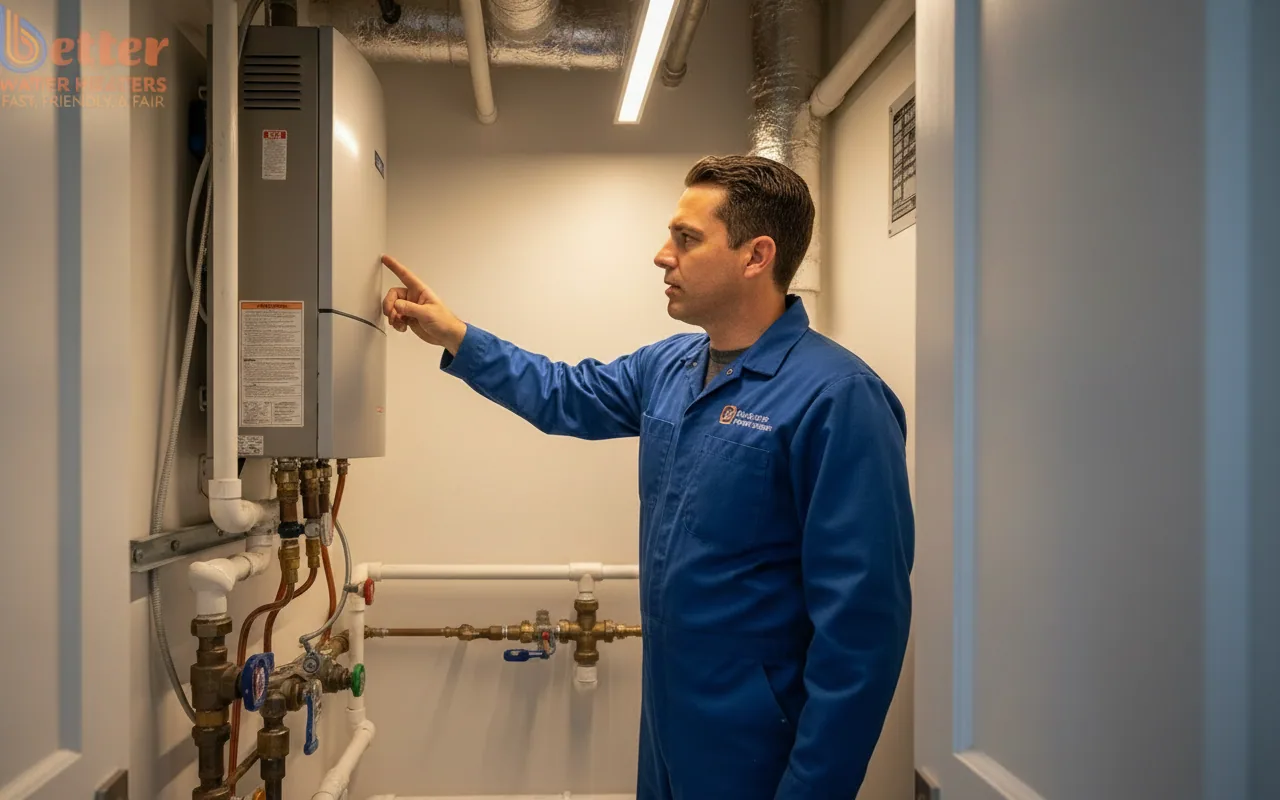
The Physics of Failure: Why Bigger Isn't Better in San Mateo
Most homeowners assume a larger water heater means more comfort, but in a modern condo, an oversized unit is actually a liability that leads to rapid component failure. When a high-capacity burner or compressor is crammed into a closet with poor airflow, it hits its target temperature in seconds, shuts off, and then restarts moments later—a process known as water heater short cycling.
- Motherboard Burnout: Constant ignition cycles fry the sensitive electronics in high-efficiency units within 24–36 months.
- Thermal Stress: Rapid heating and cooling cycles cause the heat exchanger to expand and contract too quickly, leading to premature cracks.
- Efficiency Loss: A unit that never runs a full cycle never reaches its rated Energy Star efficiency, spiking your PG&E bill.
What most people miss is that San Mateo's specific building codes and micro-climates affect how these units breathe. In high-density luxury buildings near the water, humidity and shared venting pressures mean your water heater is fighting for its life every time it kicks on. If you're noticing your hot water fluctuates or the unit makes a clicking sound every few minutes, you might be a victim of water heater short cycling.
The 'Luxury Condo Trap' Explained
Architects love aesthetics, but they hate mechanical engineers. In many $2M+ condos in the Bay Area, water heaters are tucked into 'blind' closets with zero passive ventilation. When you install a 199k BTU tankless unit where a 40-gallon tank once sat, the unit literally chokes on its own exhaust. This creates a vacuum effect that forces the sensors to kill the flame, starting the short-cycle loop all over again.
The $9,000 Case Study: A San Mateo Disaster Averted
One of our clients in a San Mateo high-rise wanted the 'best of the best'—a commercial-grade heat pump system that cost nearly five figures. On paper, it looked like a green energy dream, but our diagnostic showed the electrical panel and the closet's cubic footage couldn't support the airflow requirements of such a beast.
- The Diagnosis: The existing unit was already failing due to oversized water heater problems; the previous installer had ignored the manufacturer's clearance specs.
- The Confrontation: We told the client that installing the $9,000 unit would void the warranty on day one because the environment didn't meet the install manual’s standards.
- The Solution: We recommended a right-sized, high-efficiency unit with a modified venting path that cost $3,500 less but would last 15 years longer.
But wait—why would a company turn down more money? Because we’ve seen too many Energy.gov reports on heat pump failures caused by poor installation environments. We’d rather have a customer for life than a one-time payday followed by a lawsuit when the compressor dies in 2027.
Need a second opinion on a high quote? Schedule a professional diagnostic before you over-invest in a system that won't last.
Comparing the Costs: Right-Sizing vs. Over-Sizing
The total cost of ownership (TCO) is where the 'Sales-First' plumbers hide the truth. An oversized unit doesn't just cost more upfront; it drains your bank account every month it struggles to operate. According to data from ENERGY STAR, short-cycling can reduce the lifespan of a heat pump by up to 60%.
| Factor | Right-Sized Unit | Oversized Unit |
|---|---|---|
| Upfront Cost | $4,000 - $6,000 | $8,000 - $11,000 |
| Expected Lifespan | 12 - 15 Years | 3 - 5 Years |
| Annual Maintenance | Low | High (Sensor Cleanings) |
| Short-Cycling Risk | Minimal | Critical |
The real kicker? Many San Mateo homeowners are being pushed toward condo water heater replacement options that are technically 'commercial grade' but are totally inappropriate for residential square footage. This is often a tactic to bypass residential price caps or to clear out old inventory that isn't moving.
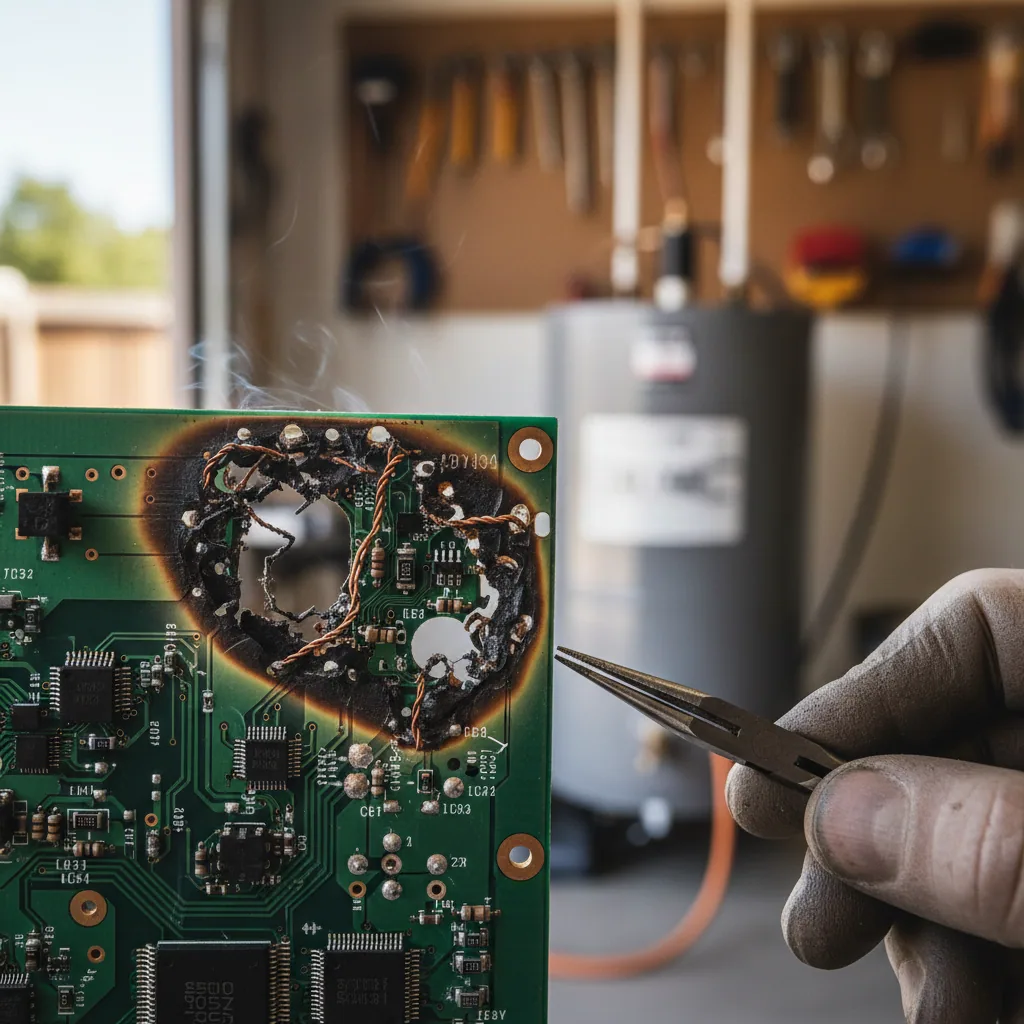
Signs Your Current System is Short-Cycling
You don't need to be a master plumber to know something is wrong. If your luxury condo feels like it has 'moody' hot water, the machine is trying to tell you it's suffocating. Here's what to look for:
- Rapid Clicking: You hear the igniter sparking every 30-60 seconds while you're in the shower.
- Error Code 11 or 12: On tankless units like Rinnai or Navien, these often signal flame failure due to poor venting.
- Lukewarm Fluctuations: The water starts hot, goes cold for ten seconds, then gets hot again (the 'sandwich' effect).
- High Electric/Gas Bills: A 20% spike in energy costs without a change in usage is a classic sign of water heater short cycling.
Here's the thing: most 'big box' plumbing companies will just swap out a sensor and charge you $400, only for the problem to return in a month. They aren't addressing the root cause—the system design flaw. If you’re dealing with tankless water heater venting issues, a simple repair is just a band-aid on a gunshot wound.
The 2027 Regulation Shadow: Why Sizing Matters Now
California is moving toward a ban on gas water heaters by 2027, which means many San Mateo residents are rushing to switch to heat pumps. This is where the high-efficiency heat pump troubleshooting nightmares begin. These units require significantly more physical space and air volume to extract heat from the environment.
What most people miss is that a poorly planned transition from gas to heat pump in a condo can lead to 'ice box' effects where your mechanical closet drops to 40 degrees, causing the unit to work twice as hard. We’ve seen Series A tech execs in Palo Alto spend $12k on a system that effectively turned their laundry room into a refrigerator because the installer didn't understand air exchange rates.
Don't get trapped by poor planning. Talk to a specialist who understands the 2027 transition requirements today.
The Ethics of Refusal in the Plumbing Industry
In an industry dominated by private equity-backed firms, 'The Refusal' is a lost art. Most technicians are paid on commission; they are literally incentivized to sell you the most expensive, oversized unit possible. At Better Water Heaters, our experts are paid to provide solutions, not just sell hardware. If a job isn't right for your home’s infrastructure, we won't do it. It’s that simple.
FAQs: Navigating Condo Water Heater Sizing
What exactly causes water heater short cycling?
Short cycling occurs when a water heater is too powerful for the demand or the space. It reaches its internal temperature limit too quickly—often due to restricted airflow or oversized burners—causing it to shut down safety sensors. It then restarts immediately, creating a cycle that destroys the motherboard and compressor over time.
Can I install a high-capacity tankless unit in a small condo?
Only if your venting and gas line infrastructure support it. Most luxury condos have 1/2-inch gas lines and shared vent stacks that cannot handle the 199,000 BTUs required by 'large' tankless units. Forcing this installation leads to tankless water heater venting issues and frequent system lockouts.
Are heat pump water heaters a good choice for San Mateo condos?
They can be, but they require careful engineering. Because they pull heat from the surrounding air, they need about 1,000 cubic feet of space or dedicated ducting. Without this, the unit will short-cycle or fail to provide consistent hot water, leading to high-efficiency heat pump troubleshooting calls every winter.
How do I know if the quote I received is for an oversized unit?
Check the BTU rating or the Gallons Per Minute (GPM). For a 2-bedroom San Mateo condo, anything over 160k BTUs or 7 GPM is usually overkill and potentially dangerous for your infrastructure. If the plumber didn't measure your closet or check your vent diameter, they are likely over-sizing the unit.
The bottom line is this: A $9,000 water heater that lasts 3 years is a much worse investment than a $5,500 unit that lasts 15. Don't let a slick salesperson talk you into a 'commercial-grade' disaster. If your current plumber isn't talking about air volume, gas pressure, and BTU loads, they aren't a specialist—they're a salesman. Stick with the experts who aren't afraid to say 'no' to a bad job.