Water heater article archive
Water Heater Recovery Rate: Why SF Fog Demands More | Better Water Heaters
Historical article, not newly reviewed advice. Verify current requirements, incentives and model guidance with the relevant authority or manufacturer before relying on them. Equipment and service needs require an assessment.
📋 Table of Contents
When the iconic San Francisco fog rolls into the Richmond or Sunset districts, it does more than just obscure the Golden Gate Bridge—it actively challenges your home's water heater recovery rate. For Bay Area homeowners, the 'Cold Shower Test' is a common reality where the third person in the shower is met with a lukewarm surprise. Understanding the technical nuances of how our coastal climate impacts appliance performance is the first step toward lasting home comfort.
Key Takeaways for Bay Area Homeowners
- Groundwater Temperature: SF groundwater is often 5-10 degrees colder than the national average due to persistent coastal cooling.
- Recovery vs. Capacity: A large tank matters less than how quickly that tank can reheat (the recovery rate).
- Microclimate Specs: Homes in foggy corridors require higher BTU or kilowatt inputs than those in sunnier patches like Potrero Hill.
- 2024 Mandates: New California energy codes favor high-efficiency systems that balance recovery with lower carbon footprints.
Understanding Water Heater Recovery Rate in Coastal Climates
Technically speaking, the water heater recovery rate refers to the amount of water a unit can heat to a set temperature (usually a 90-degree rise) within one hour. In a vacuum, a standard 50-gallon tank might seem sufficient for a family of four. However, San Francisco is not a vacuum; it is a high-humidity, low-temperature environment that saps thermal energy.
According to the U.S. Department of Energy, sizing a water heater based solely on tank size is a common mistake. Instead, sophisticated homeowners must look at the first hour rating for water heaters (FHR), which combines tank capacity with the recovery speed. In our local climate, a unit with a low FHR will struggle because the incoming water is significantly colder, requiring more energy to reach a comfortable 120°F.
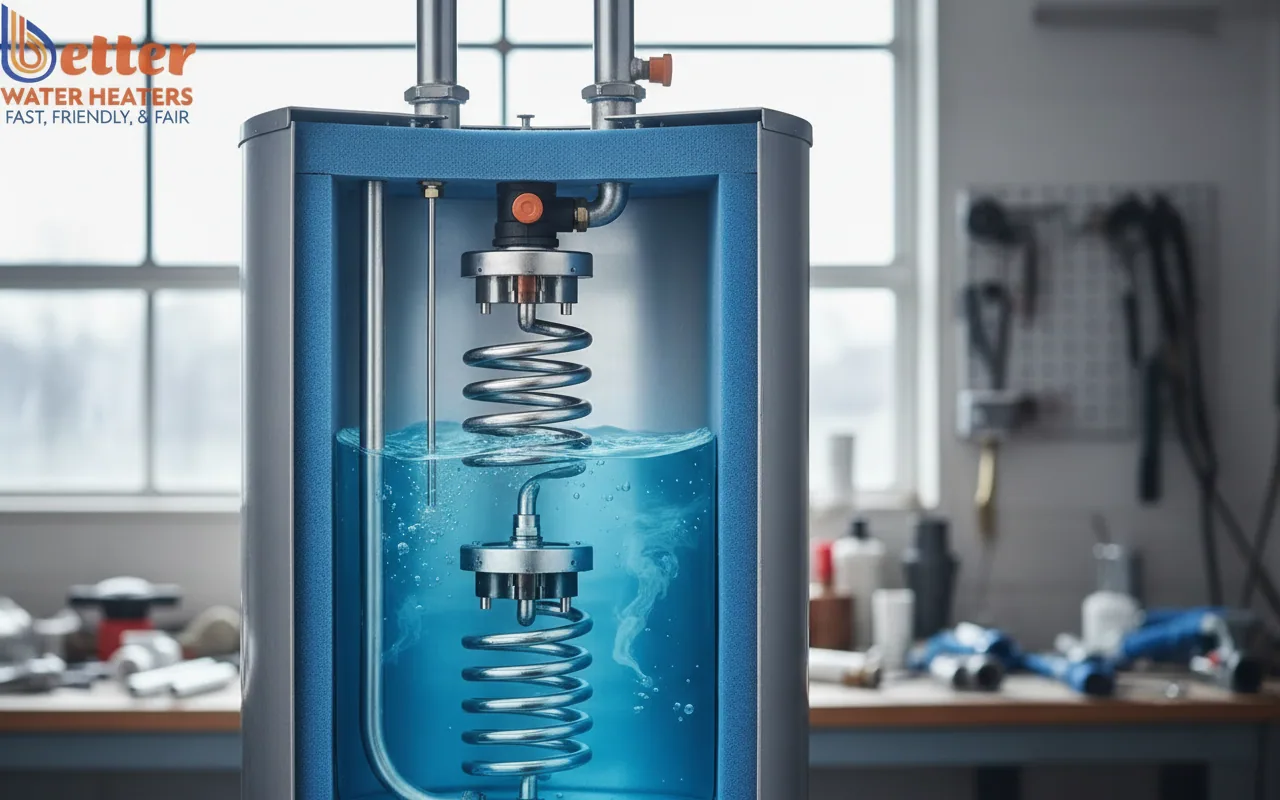
The Impact of the 'Fog-to-Faucet' Lag
Why does the fog matter so much? It comes down to the dew point and groundwater thermal dynamics. Consider these factors unique to our region:
- Consistent Humidity: Damp air can lead to increased condensation in gas vent lines, potentially triggering safety sensors and shutting down the heating cycle.
- Thermal Conductivity: Cold, damp soil surrounding underground pipes keeps incoming water at a steady, chilly 50-55°F year-round.
- Basement Microclimates: Many San Francisco Victorians have uninsulated garages or basements where ambient temperatures mirror the foggy exterior, causing 'standby heat loss.'
Microclimate Engineering: Richmond vs. Potrero Hill
A strategic approach to San Francisco plumbing services requires acknowledging that a home in the Sunset District has different mechanical needs than one in the Mission. The temperature delta—the difference between incoming cold water and your desired hot water—is simply wider in the fog belts.
| District Type | Avg. Ambient Temp | Recommended Recovery Rate | Best Technology Fit |
|---|---|---|---|
| Foggy (Richmond/Sunset) | 52°F - 58°F | High (40+ GPH) | High-Output Tankless or Hybrid Heat Pump | Sunny (Mission/Potrero) | 62°F - 68°F | Standard (30-35 GPH) | Standard High-Efficiency Tank |
| Windy (Twin Peaks) | 50°F - 55°F | Ultra-High (45+ GPH) | Power-Vent Gas or Scaled Heat Pump |
If you are tired of running out of hot water during the morning rush, it may be time for a professional assessment. Schedule a free sizing consultation with our experts to find the perfect fit for your specific neighborhood.
The First Hour Rating for Water Heaters Explained
To master the water heater recovery rate, you must understand the First Hour Rating (FHR). This metric is found on the yellow EnergyGuide label of every new unit. It tells you exactly how much hot water the unit can deliver during a busy hour when everyone is showering and the dishwasher is running.
- Calculation: FHR = (Tank Capacity × 0.70) + Recovery Rate.
- Application: If your family uses 60 gallons of water in the peak hour, but your heater only has an FHR of 45, you will fail the 'Cold Shower Test' every time.
- The SF Buffer: We recommend adding a 15% 'fog buffer' to your FHR calculations to account for colder-than-average groundwater temperatures.
Solving the Recovery Challenge with Modern Tech
Transitioning to a heat pump water heater in San Francisco is an excellent way to balance recovery needs with environmental goals. While early generations were criticized for slow recovery, 2024 models from brands like Rheem and Bradford White feature 'High Demand' modes that utilize electric elements to boost recovery during peak times.
Furthermore, these units are highly compatible with Bay Area energy rebates 2024, which can offset the initial investment by up to $4,900. Organizations like BayREN provide significant incentives for homeowners moving away from gas, making high-recovery electrification more affordable than ever.
Victorian Retrofitting: High Demand in Small Spaces
Many of our clients live in historic multi-unit Victorians where basement square footage is at a premium. In these scenarios, a traditional large-capacity tank isn't feasible. This is where tankless vs tank recovery time becomes a critical debate. A tankless system offers an 'infinite' recovery rate because it heats water on demand, but it requires specific gas line or electrical upgrades to handle the SF cold-water intake.
- Space Saving: Tankless units mount on the wall, freeing up floor space for storage or ADU conversions.
- Endless Flow: Ideal for homes with oversized soaking tubs or multiple showerheads.
- Efficiency: Only uses energy when the faucet is turned on, eliminating standby loss in drafty SF basements.
Struggling to fit a modern system into a 100-year-old basement? Our San Francisco specialists have 20+ years of experience navigating tight spaces and local building codes.
Maximizing Efficiency and Rebates in 2024
As we move toward the 2027 gas water heater regulations, choosing a high-efficiency water heater for coastal climates is a savvy financial move. The 2024 California energy mandates are pushing homeowners toward systems that not only have a high water heater recovery rate but also integrate with smart home technology to shift energy use to off-peak hours.
By investing in a high-recovery system now, you protect your home's resale value and ensure compliance with upcoming local air quality district rules. Plus, with the current federal tax credits under the Inflation Reduction Act, you can recoup a significant portion of your upgrade costs through the IRS Energy Efficient Home Improvement Credit.
Maintenance Tips for Peak Recovery
Even the best system will see its water heater recovery rate decline if neglected. San Francisco's water, while high quality, can still lead to mineral scaling in high-efficiency heat exchangers.
- Annual Flushing: Remove sediment from the bottom of the tank to ensure the burner or element isn't heating through an inch of sludge.
- Anode Rod Inspection: Replace every 3-5 years to prevent tank corrosion.
- Filter Cleaning: For tankless systems, clean the intake filter to maintain proper flow and heat exchange.
Conclusion: Don't Settle for Lukewarm
Your home's water heater recovery rate is the engine that drives your daily comfort. In the unique atmospheric conditions of the Bay Area, a generic 'off-the-shelf' solution is rarely enough to pass the Cold Shower Test. By focusing on your First Hour Rating and choosing technology suited for our microclimates, you can enjoy endless hot water while reducing your energy bills.
Ready to upgrade your home's performance? At Better Water Heaters, we combine 20+ years of local expertise with a deep understanding of the latest rebate programs. Contact us today at (408) 686-4969 for a professional diagnostic and a transparent, same-day estimate. Let's make sure your next shower is as warm as a sunny day in the Mission—no matter how much fog is outside.
Frequently Asked Questions
What is a good water heater recovery rate for a family of four in San Francisco?
For a typical SF household, we recommend a First Hour Rating (FHR) of at least 65-75 gallons. Because our groundwater is colder than the national average, your unit needs to be able to raise the temperature more quickly than a unit in a warmer climate like Los Angeles or Phoenix.
How does San Francisco fog affect my outdoor tankless water heater?
SF fog increases ambient humidity, which can lead to faster oxidation of external components and potential venting issues if the unit isn't properly shielded. We recommend high-grade stainless steel venting and regular inspections for units installed in high-fog corridors like the Sunset District.
Are there specific rebates for heat pump water heaters in Santa Clara County?
Yes, residents can access multiple layers of incentives, including TECH Clean California rebates and local utility programs from Silicon Valley Clean Energy (SVCE). Combined with federal tax credits, these can often cover over 50% of the total installation cost for a high-efficiency heat pump system.
Why does my water heater take longer to recover in the winter?
During winter months, the groundwater entering your home can drop by several degrees. This increases the 'temperature rise' required to reach your set point, forcing the heating elements to run longer and effectively lowering your water heater recovery rate during the coldest months of the year.