
📋 Table of Contents
- The Strategic Choice: Integrated Sensors vs. External Automatic Shut-off Valves
- Why Integrated Smart Water Heater Features Often Fall Short
- The Reliability Matrix: Physical Barriers vs. Digital Alerts
- Insurance Requirements and the ‘Single Point of Failure’
- Future-Proofing Your Home for 2027 and Beyond
- FAQs
According to the Insurance Institute for Business & Home Safety, water heater failures are one of the top five sources of residential water damage, with average claims often exceeding $4,000 for finished spaces. For Bay Area homeowners living in multi-story residences, a water heater leak detection system isn’t just a luxury—it is a critical line of defense against gravity-fed disasters that can ruin multiple floors in minutes.
The Strategic Choice: Integrated Sensors vs. External Automatic Shut-off Valves
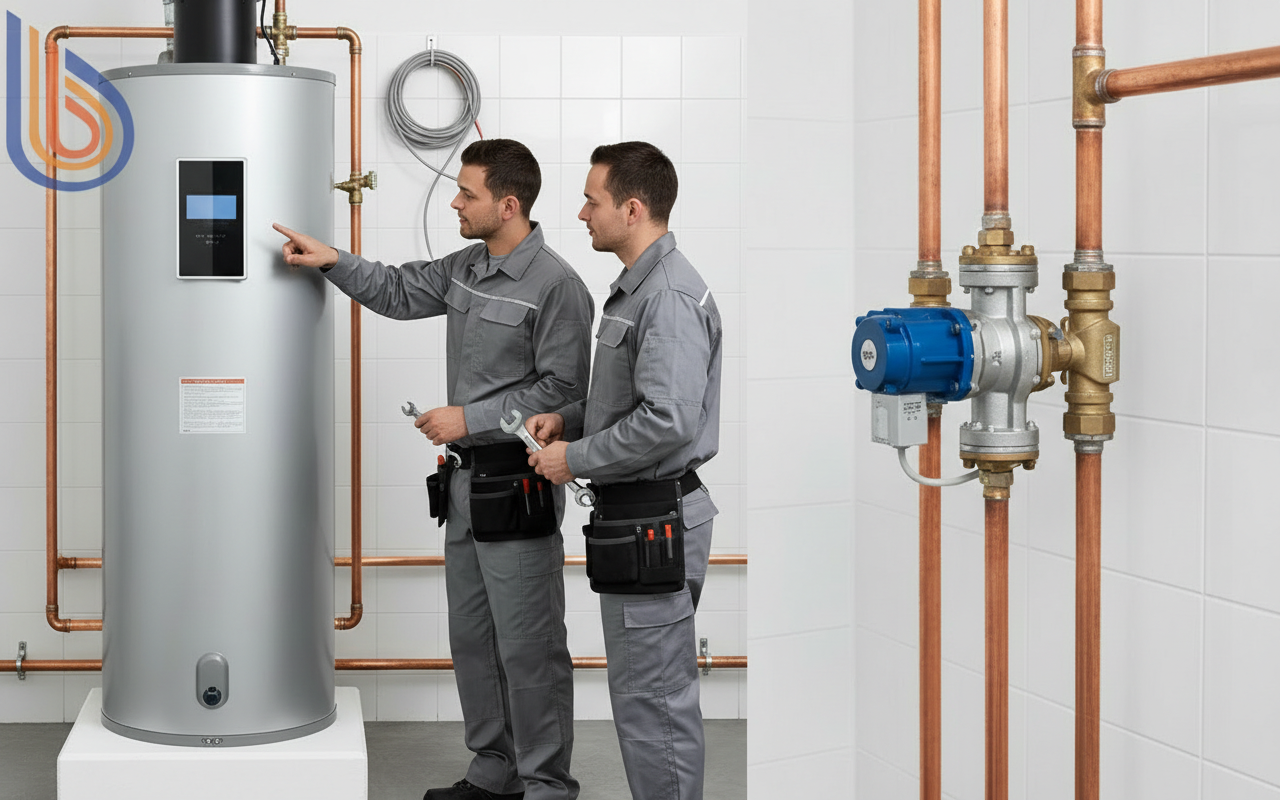
The real kicker is that while most modern high-end units come with built-in sensors, they often lack the physical authority to stop a flood if the tank’s inner lining catastrophicly fails. Here is the thing: integrated systems are designed to protect the appliance, whereas an automatic shut-off valve is designed to protect your home.
- Integrated Systems: Usually consist of a moisture sensor in the unit’s base pan that triggers a software alert or shuts off the gas/electric heating element.
- External Systems: Professional-grade hardware like the Moen Flo or Phyn that physically turns off the main water supply to the unit or the entire house when moisture is detected.
- Hybrid Approaches: Combining factory diagnostics with mechanical redundancy for maximum peace of mind.
In our work with Series B SaaS founders and established Silicon Valley families, we have seen that the “set it and forget it” mentality only works if the hardware is capable of a hard mechanical override during a power outage or Wi-Fi failure.
Why Integrated Smart Water Heater Features Often Fall Short
Most manufacturers now include smart water heater features as a selling point, but these are frequently diagnostic tools rather than true flood prevention systems. What most people miss is that a sensor that only turns off the burner does nothing to stop the 50 gallons of pressurized water already in the tank from emptying onto your floor.
Consider these limitations of factory-integrated leak detection:
- Limited Scope: They typically only detect water inside the heater’s own drip pan, missing leaks from supply lines or T&P valves that spray outward.
- Communication Lag: If your Wi-Fi is down, you might get the notification three hours too late.
- Lack of Mechanical Closure: Many integrated systems do not include a motorized ball valve to physically stop water flow.
For a detailed look at modern unit capabilities, you can explore our comparison of tank and tankless technologies to see how sensing varies by model.
The Reliability Matrix: Physical Barriers vs. Digital Alerts
An external automatic shut-off valve provides a physical fail-safe that operates independently of the water heater’s internal logic. According to Energy.gov, maintaining appliance efficiency is key, but safety upgrades are what prevent total property loss.
| Feature | Integrated Sensors | External Shut-off Valves |
|---|---|---|
| Response Action | Alert + Heat Cutoff | Physical Water Shut-off |
| Coverage Area | Unit Base Only | Whole Unit / Supply Lines |
| Insurance Discount | Rarely Qualified | Highly Likely |
| Manual Override | Software Based | Mechanical Handle |
But wait—before you assume external is always better, consider the maintenance. Mechanical valves can seize over time due to the hard water common in parts of the East Bay and South Bay. Regular cycling of the valve is required to ensure plumbing emergency prevention works when you actually need it.
Need help determining which system fits your home’s plumbing layout? Schedule a professional assessment with our team today to avoid a $20,000 restoration bill later.
Insurance Requirements and the ‘Single Point of Failure’
Insurance carriers in California are becoming increasingly aggressive about requiring water damage mitigation devices, especially for homes with water heaters located in attics or closet spaces above living areas. The contrarian insight here? A “smart” water heater might actually increase your liability if you rely on its Wi-Fi alerts as your primary safety net without a mechanical backup.
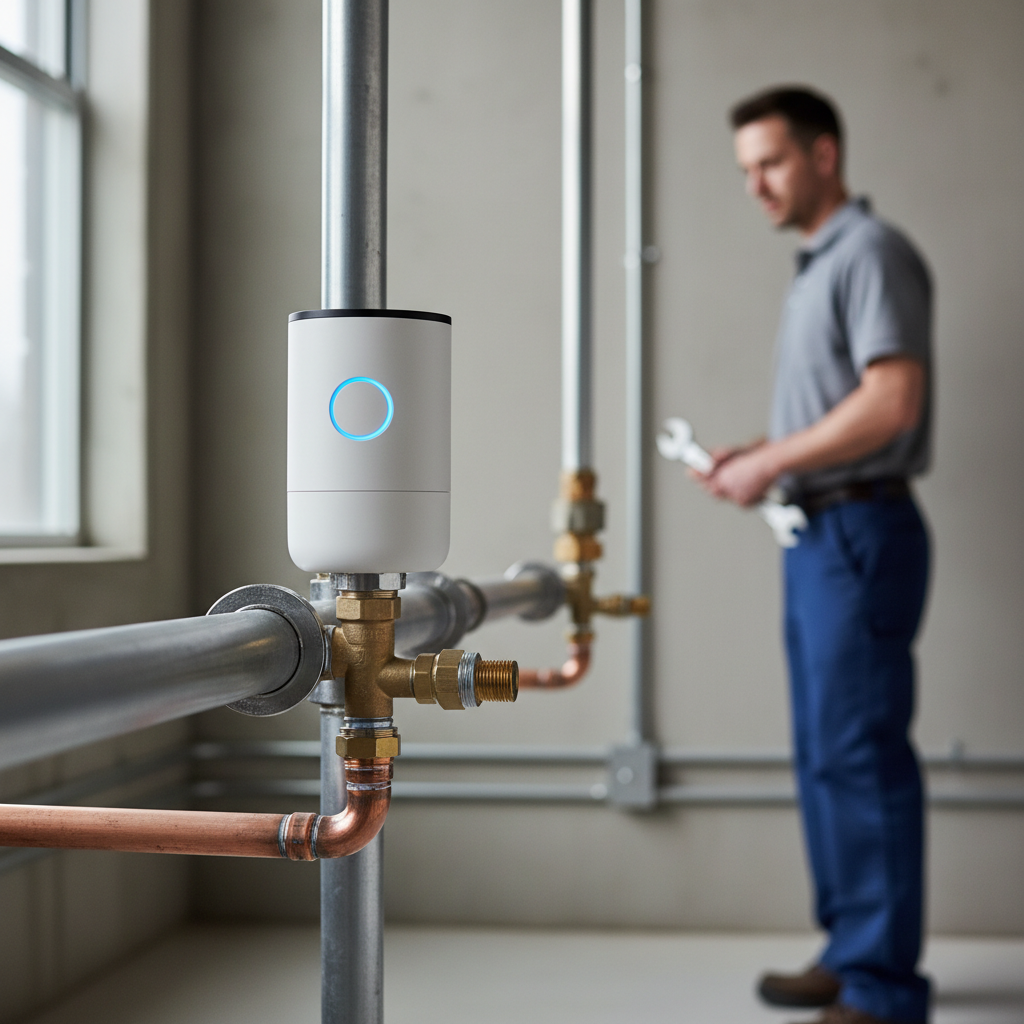
In a typical Bay Area mid-market client scenario, we often find that installing a professional-grade automatic shut-off valve pays for itself through insurance premium credits within 3-5 years. More importantly, these systems eliminate the single point of failure by operating on local protocols (like Matter or Thread) that don’t rely on your internet connection to function.
- Pro-Grade Systems: Use high-torque ball valves that can cut through scale buildup.
- Consumer-Grade DIY: Often use solenoid valves that can fail in the “open” position or leak internally over time.
- Vacation Mode: External valves allow you to shut down the water remotely, a feature integrated sensors rarely offer with the same level of granular control.
Retrofitting vs. New Installations
If you have a perfectly functional water heater that is 5-7 years old, you don’t need to replace the whole unit to get modern smart home water monitoring. Retrofitting an older unit with a high-end external valve is often the most cost-effective way to future-proof your utility room.
We use specific maintenance protocols to ensure these retrofitted valves stay operational in high-moisture environments. It’s not just about the tech; it’s about the installation quality.
Future-Proofing Your Home for 2027 and Beyond
With the Bay Area Air Quality Management District (BAAQMD) moving toward zero-NOx requirements by 2027, many homeowners are transitioning to heat pump water heaters. These units often come with robust water heater leak detection built-in, but the complexity of these machines makes external redundancy even more important. Because these units are more expensive to repair, preventing a flood also protects your high-value investment.
To keep our clients informed, we utilize our internal AI content engine to track local regulatory shifts and rebate updates in real-time. This ensures that when we recommend a smart leak detection system, it aligns with both current codes and future technology standards.
The Expert Recommendation
If your water heater is located in a garage with a floor drain, integrated sensors are likely sufficient. However, if your unit is located inside the home, on a second floor, or in a finished closet, an external automatic shut-off valve is non-negotiable. The modularity of external systems means that when the water heater eventually dies in 12-15 years, you don’t lose your safety system—you simply swap the heater and keep the valve.
Ready to protect your home from the silent threat of water damage? Contact Better Water Heaters today for a free consultation on the best leak prevention strategy for your specific property.
Frequently Asked Questions
Does my insurance company offer discounts for leak detection?
Many major carriers like State Farm and Chubb offer premium credits or deductible waivers if you install a professional-grade automatic shut-off valve. Integrated sensors alone rarely qualify because they lack the mechanical shut-off capability that insurers prioritize for water damage mitigation.
Can I install an automatic shut-off valve myself?
While DIY kits exist, they often involve “clip-on” motors that lack the torque to close a stubborn valve. For true plumbing emergency prevention, a professional should install a dedicated motorized ball valve directly into your plumbing line to ensure it functions under pressure.
Do smart leak detectors work during a power outage?
Integrated smart water heater features usually fail during a power outage unless the unit is on a battery backup. However, many high-end external valves feature internal battery reservoirs or manual overrides that allow them to close even when the grid is down.
How often should I test my water heater leak detection system?
We recommend testing your water heater leak detection every six months. For integrated sensors, this involves placing a damp cloth on the probe. For external valves, you should use the app or manual button to cycle the valve to ensure it hasn’t seized due to mineral deposits.