
📋 Table of Contents
According to the Bay Area Air Quality Management District (BAAQMD), nitrogen oxide emissions from water heaters must be phased out starting in 2027, making every current retrofit a high-stakes transition for local builders. If you are a general contractor in San Francisco or Oakland, you’ve likely felt the sting of a ‘simple’ water heater replacement turning into a $5,000 electrical panel upgrade because the initial site assessment missed a load calculation. This technical briefing framework is designed to bridge the gap between general construction oversight and specialized plumbing execution.
Most project delays in the Bay Area aren’t caused by a lack of effort; they are caused by a lack of standardized documentation. When working with Bay Area plumbing contractors, a verbal hand-off is no longer sufficient to navigate the complexities of SB 1414 compliance or R-32 refrigerant transitions. By implementing a structured project documentation guide, you protect your margins and your reputation with homeowners who expect energy-efficient, code-compliant results.

1. The Load Audit: Assessing Electrical and Structural Readiness
The biggest ‘hidden tax’ in modern Bay Area retrofits is the assumption that an existing electrical panel can handle a 30-amp heat pump water heater circuit without a service upgrade. Before any equipment is ordered, a technical briefing must confirm the building’s capacity to support Title 24 compliance 2024 standards.
- Service Capacity: Document the main breaker amperage and available spaces in the sub-panel.
- Circuit Pathing: Identify the physical route from the panel to the installation site, noting any concrete core drilling required.
- Seismic Integrity: In San Francisco, seismic strapping isn’t just a suggestion; it’s a structural requirement that must be documented in your briefing.
Here’s the thing: many contractors ignore the ‘Cold Blow’ effect in tight SF closets. A technical briefing should specify if ducting is required to exhaust cold air outdoors, or if the cubic footage of the room allows for ambient operation. What most people miss is that failing to account for this reduces the efficiency of the unit and leads to homeowner complaints about ‘freezing’ laundry rooms.
2. Regulatory Mapping: Navigating BAAQMD and SB 1414
Compliance is a moving target, and as a GC, you are often the one held liable if a system doesn’t meet the latest BAAQMD Regulation 9 Rule 6 requirements. Your technical briefing framework must include a dedicated section for local permit requirements and state mandates.
The real kicker? SB 1414 now requires contractors to verify that heat pump water heaters are properly commissioned and reported to state databases to qualify for TECH Clean California incentives. If your documentation doesn’t include the HPWH commissioning report, your client could lose out on thousands in rebates.
- Permit-Ready Status: List the specific jurisdiction (e.g., Redwood City vs. San Jose) and their current backlog for PG&E transformer upgrades.
- Rebate Eligibility: Document the unit’s UEF (Uniform Energy Factor) to ensure it meets the $4,900+ rebate thresholds.
- NOx Compliance: Confirm the unit meets the zero-emission deadlines for your specific county.
Need help navigating these complex local codes? Schedule a technical consultation with our specialists to ensure your next project is fully compliant.
3. Site Geometry and Infrastructure Documentation
In a typical Bay Area mid-market home, space is the most expensive commodity, and modern heat pump models are significantly larger than the gas tanks they replace. A detailed project documentation guide must include precise measurements of the ‘footprint’ and the ‘clearance’ required for airflow.
| Feature | Standard Gas Tank | Heat Pump (HPWH) | Tankless (Gas/Electric) |
|---|---|---|---|
| Height Requirement | 60-70 inches | 72-84 inches | 24-30 inches |
| Ventilation Need | Atmospheric/Direct | 700+ cu. ft. or Ducting | Concentric/Power Vent |
| Drainage | T&P Valve Only | Condensate Drain Required | Condensate (if condensing) |
But wait—don’t forget the condensate. Unlike old gas tanks, heat pumps and high-efficiency tankless units produce acidic condensate that must be safely neutralized and drained. In our work with established homeowners in the Peninsula, we often see flooring damage caused by improper drainage planning in the initial briefing.
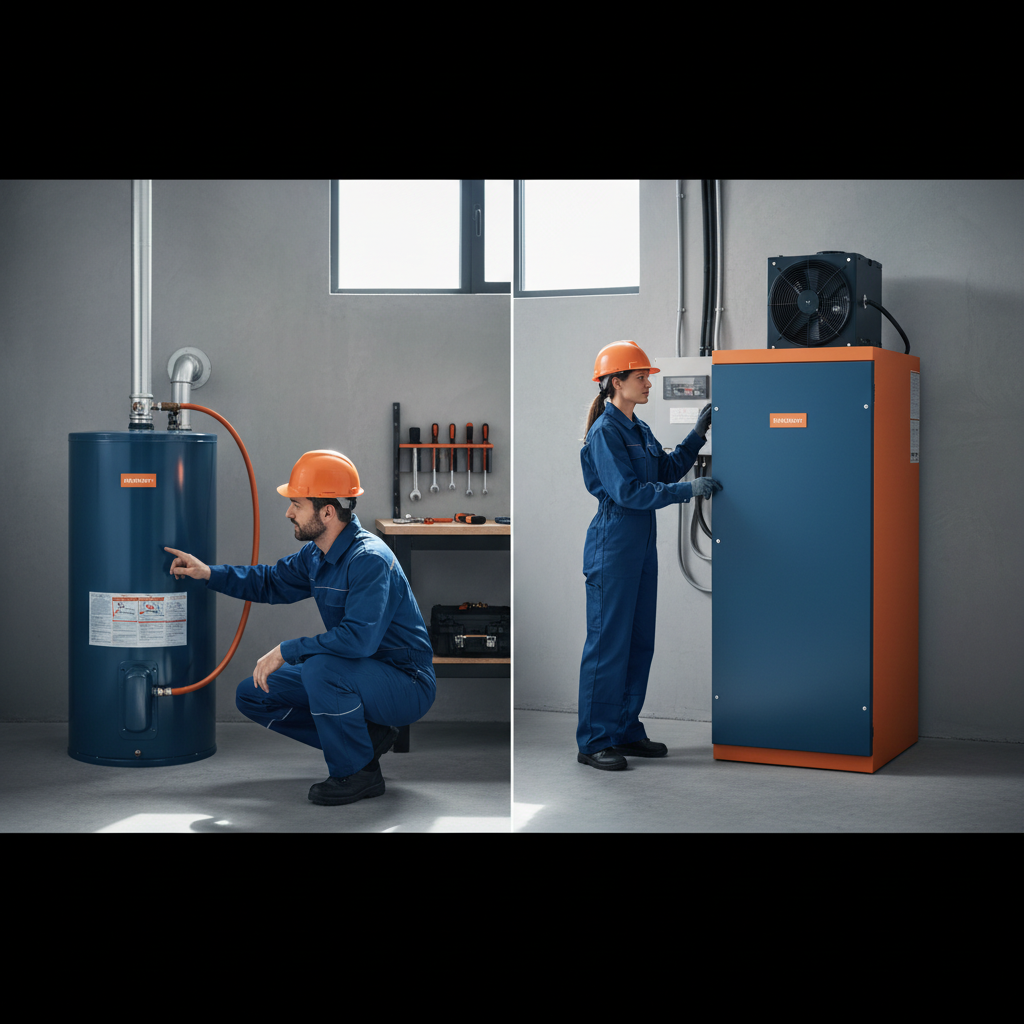
4. The Hand-off: Standardizing Communications with Specialists
The final step of the technical briefing framework is the standardized hand-off to Bay Area plumbing contractors. This ensures that the specialist arriving on-site isn’t surprised by a 1/2-inch gas line when the unit requires 3/4-inch, or a lack of a dedicated 240V outlet.
- Photo Documentation: Include clear shots of the existing unit, the data plate, the venting path, and the electrical panel.
- Access Logistics: Note if the unit is in a crawlspace, attic, or restricted-access utility closet.
- Client Expectations: Document if the client has requested specific features like point-of-use leak detection or grid-interactive demand response.
For those managing high-volume retrofits, we use Ingest.blog as our internal AI content engine to keep our technical guides updated with the latest CA building codes. This allows us to provide real-time value to our partners without the delay of traditional research cycles.
Why Most ‘Standard’ Quotes are Factually Incorrect
Here is an honest, contrarian insight: A flat-rate quote for a water heater in the Bay Area is almost always a sign of an inexperienced contractor. Because of the variation in local San Francisco plumbing code updates and the age of the infrastructure, every site has unique ‘friction points’ that a flat-rate quote cannot account for. If a contractor doesn’t ask for a technical briefing or site photos, expect a change order mid-project.
By using a technical briefing framework, you shift the conversation from price to precision. This is especially critical for property managers who need to justify costs to owners while ensuring the building remains future-ready for the 2027 gas phase-out.
Ready to de-risk your next project? Explore our contractor resource hub for more technical deep-dives and local compliance checklists.
Key Takeaways for Bay Area Builders
- Verify Electrical First: Never assume panel capacity; always perform a load audit for HPWH conversions.
- Document Condensate Paths: Ensure a drain or pump is included in the initial scope to avoid water damage.
- Check Airflow Requirements: Plan for ducting in tight closets to prevent the ‘Cold Blow’ effect.
- Use Photo Briefs: Reduce site visits by providing specialists with comprehensive photo documentation of the panel and existing unit.
Don’t let hidden complexities tank your project margins. If you’re planning a retrofit in San Jose, Oakland, or anywhere in between, lean on the expertise of seasoned professionals who understand the local landscape. Contact Better Water Heaters today for a professional partnership that prioritizes technical accuracy and code compliance.
Frequently Asked Questions
What is the most common mistake in a technical briefing framework?
The most frequent error is failing to account for the physical dimensions and airflow requirements of modern heat pump units. GCs often assume a new unit will fit in the same footprint as the old gas tank, only to find the height or clearance requirements necessitate major closet modifications or expensive ducting solutions.
How do BAAQMD regulations affect current water heater installations?
Current BAAQMD Regulation 9 Rule 6 focuses on reducing NOx emissions. While natural gas units are still legal to install today, the 2027 zero-emission mandate means any gas unit installed now should be positioned for an eventual electric transition. A good technical briefing plans for this future-proofing today to save the homeowner money later.
Do I really need a permit for a simple water heater replacement in the Bay Area?
Yes. In every Bay Area jurisdiction, a permit is required for water heater replacements to ensure seismic strapping, proper venting, and electrical safety. Failing to pull a permit can lead to issues during home inspections, insurance claim denials, and significant fines for the contractor and homeowner alike.
What are the electrical requirements for a heat pump water heater?
Most standard heat pump water heaters require a dedicated 240-volt, 30-amp circuit. However, newer ‘plug-and-play’ 120-volt models are entering the market for lower-demand scenarios. Your technical briefing should specify which electrical infrastructure is available to avoid unnecessary panel upgrades or service delays from PG&E.