
📋 Table of Contents
According to the U.S. Department of Energy, water heating is the second largest energy expense in most homes, accounting for roughly 18% of your utility bill. In the high-cost environment of the San Francisco Bay Area, choosing between a tankless vs heat pump water heater isn’t just a matter of preference—it’s a strategic infrastructure decision that can swing your installation costs by thousands of dollars based on your home’s electrical panel capacity.
Key Takeaways for SF Homeowners
- Infrastructure First: Most older SF homes require a 200-amp panel upgrade for electric tankless, making heat pumps more viable for 100-amp services.
- Rebate Reality: You can access up to $4,900 in combined incentives for heat pumps, while tankless rebates are significantly lower.
- Space Optimization: Tankless wins on square footage, but heat pumps offer superior dehumidification for damp Creek Zone crawlspaces.
The Infrastructure Reality of SF Creek Zone Homes
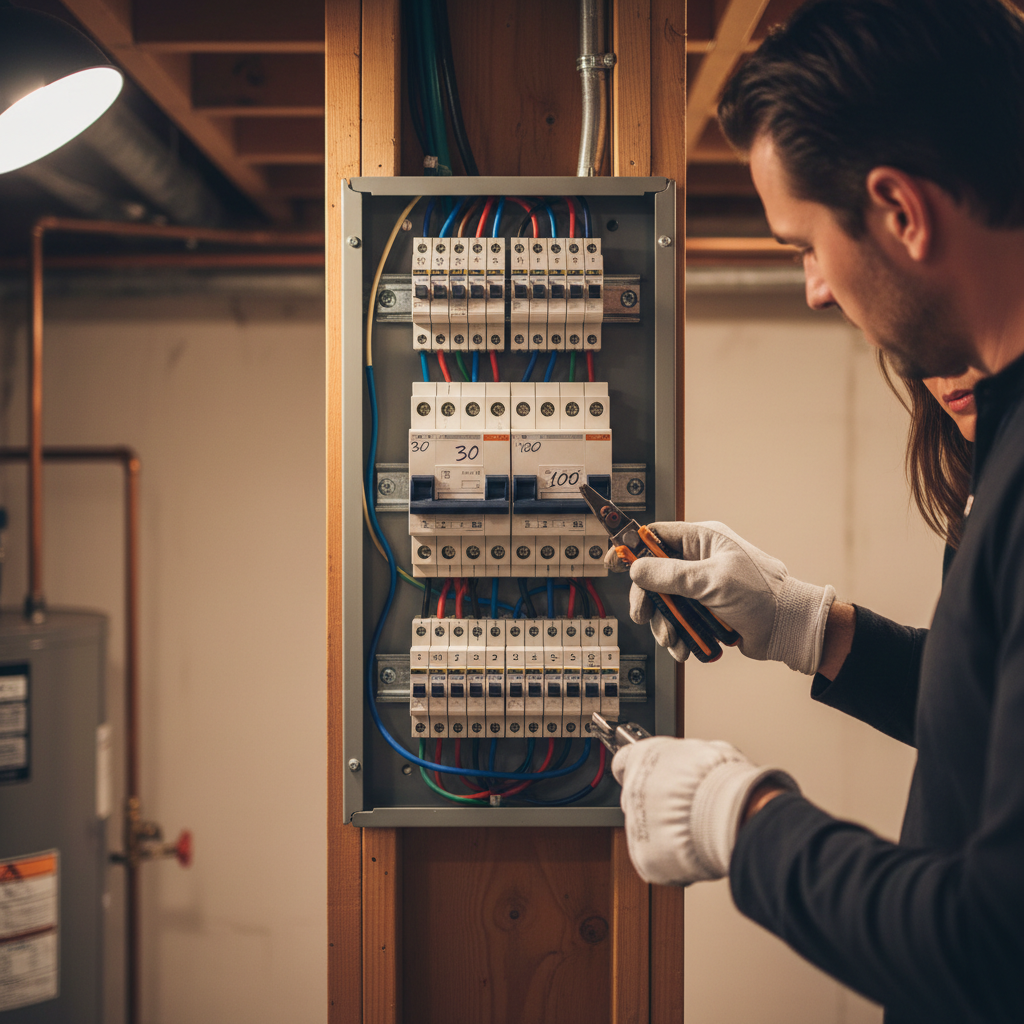
The most important factor in the tankless vs heat pump water heater debate isn’t the unit itself, but what’s behind your drywall. Many homes in the SF Creek Zone—areas like the Mission or Glen Park—sit on older electrical grids and 100-amp panels that simply cannot handle the instantaneous draw of a whole-home electric tankless system.
What most people miss is that a high-efficiency electric tankless unit can require up to four 40-amp breakers. If you are a startup founder or busy professional living in a classic San Francisco Victorian, you might face a $3,000 to $5,000 electrical panel upgrade before the first drop of water is even heated. In contrast, a heat pump water heater (HPWH) typically runs on a single 30-amp circuit, often fitting within existing electrical overhead.
- Gas Line Sizing: Gas tankless units require a 3/4-inch gas line; many older SF homes only have 1/2-inch lines.
- Electrical Load: Heat pumps are the “path of least resistance” for homes avoiding a main panel upgrade.
- Venting Requirements: Tankless units require specific Category III or IV stainless steel or PVC venting that must meet strict San Francisco plumbing codes.
High-Efficiency Water Heater Comparison: Performance vs. Efficiency
Efficiency is a metric of how much energy is used, but performance is a metric of how happy you are in the shower. While heat pumps are the most energy-efficient technology on the market today, they rely on a storage tank and have a slower “recovery rate” than the on-demand delivery of a tankless system.
Here’s the thing: in a typical Bay Area multi-generational household where three showers run simultaneously at 7:00 AM, a heat pump might struggle unless it is significantly oversized. A tankless system, however, provides an endless stream of hot water. The real kicker? San Francisco’s ambient humidity and fog cycles. Heat pumps actually thrive in damp Creek Zone crawlspaces because they act as a dehumidifier while they heat your water, pulling moisture out of the air and protecting your home’s subfloor from rot.
| Feature | Gas Tankless | Heat Pump (Hybrid) |
|---|---|---|
| Energy Factor | 0.81 – 0.97 | 3.5 – 4.0+ |
| Hot Water Supply | Endless | Limited to Tank Size | Minimal (Wall-mount) | Significant (Cylinder) |
| SF Rebates | Moderate | High (Up to $4,900) |
But wait—don’t let the “endless hot water” tag blind you to the Tankless vs Heat Pump ROI. When you factor in the BayREN and TECH Clean California incentives, the net cost of a heat pump is often lower than a high-end tankless installation.
Need help navigating the SF permit maze? Schedule a free site assessment with our experts to see which system your home’s infrastructure can actually support.
The Fog Factor: Microclimates and Recovery Rates
San Francisco’s microclimates play a surprising role in how these units perform. Heat pumps extract heat from the surrounding air; in the chilly, fog-heavy neighborhoods of the Sunset or Richmond districts, a heat pump installed in an unconditioned garage will have a slightly lower Coefficient of Performance (COP) than one in a warmer inland area like San Jose.
However, the heat pump water heater cold weather performance in the Bay Area is still remarkably high because our temperatures rarely drop below freezing. In our work with established homeowners in the Creek Zone, we’ve found that the humidity actually helps. Moist air carries more thermal energy than dry air, meaning SF’s famous fog can actually be an asset for your heat pump’s efficiency.
Financial Incentives: Bay Area HEEHRA Rebates and Beyond
The financial landscape for water heaters changed drastically with the Inflation Reduction Act. If you are looking for a high efficiency water heater comparison, you must look at the post-rebate price tag. For many SF residents, the SF Environment Department water heater mandates are pushing us toward a carbon-free future, and the incentives reflect that.
- Federal Tax Credit (25C): Up to $2,000 for heat pump water heaters.
- TECH Clean California: Incentives ranging from $1,000 to $3,100 depending on your utility and location.
- BayREN: Local rebates that can be stacked with state and federal funds.
- CleanPowerSF: Specific localized incentives for switching from gas to electric.
What most people miss is that these rebates are often “point-of-sale” or require specific contractor certifications. At Better Water Heaters, we handle the paperwork to ensure you maximize your Bay Area HEEHRA rebates without the typical bureaucratic headache.
Space-Saving vs. Energy-Saving: The SF ADU Dilemma
In a typical Bay Area mid-market property, square footage is valued at over $1,000 per foot. If you are building an ADU or living in a narrow lot home, the footprint of a water heater matters. A tankless unit is the size of a suitcase and mounts on the wall, freeing up a closet or floor space. A heat pump requires a larger footprint and at least 700 to 1,000 cubic feet of air space to breathe.
Contrarian Insight: Most “green” advocates push for heat pumps exclusively, but for a 400-square-foot San Francisco ADU, an electric tankless—despite its lower efficiency—might be the better financial move because it saves $10,000+ in usable living space. Efficiency isn’t just about therms; it’s about the efficient use of your home’s footprint.
Ready to reclaim your closet space? Contact us today for a specialized quote on tankless conversions.
The 2027 Gas Mandate: Future-Proofing Your Investment
The Bay Area Air Quality Management District (BAAQMD) has passed regulations that will effectively phase out the sale of gas water heaters starting in 2027. If you install a gas tankless today, you are likely installing the last gas appliance that home will ever see. For homeowners concerned about resale value, a heat pump is a “future-proof” asset that aligns with upcoming SF Environment Department water heater mandates.
While we use ingest.blog, our internal AI content engine, to help keep our local regulatory database up to date, the human expertise of our 20+ years in the field is what ensures your installation meets the latest San Francisco plumbing codes and seismic strapping requirements.
Frequently Asked Questions
Is a tankless vs heat pump water heater better for a large family?
For a large family with back-to-back showers, a tankless water heater is usually superior because it provides a continuous flow of hot water. However, if you choose a heat pump, you should opt for an 80-gallon model to ensure enough stored hot water is available during peak demand periods without relying on the less efficient electric resistance mode.
Will a heat pump water heater make my garage too cold?
A heat pump water heater will exhaust cool, dry air. In a typical San Francisco garage, this might drop the temperature by 3 to 5 degrees Fahrenheit. While this is negligible for most, it can actually be a benefit by helping to dehumidify damp areas common in Creek Zone properties.
Do I need a 200-amp panel for a heat pump water heater?
Usually, no. Most heat pump water heaters can run on a 30-amp, 240V circuit, which most 100-amp or 125-amp panels can accommodate. This is a primary reason why heat pumps are often a more cost-effective “total project” than electric tankless systems, which almost always require a 200-amp upgrade.
What are the maintenance differences between the two?
Tankless units require an annual flush to remove scale buildup, especially in areas with hard water. Heat pumps require very little maintenance other than periodically cleaning the air filter and checking the condensate drain line. Both systems benefit from a professional inspection every 2 to 3 years to ensure optimal performance.
Final Verdict: How to Choose This Week
If your priority is endless hot water and saving space, go Tankless. If your priority is maximizing rebates, lowering monthly bills, and future-proofing against gas bans, go Heat Pump. Before you buy, check your electrical panel—that single 100-amp or 200-amp label is the most honest consultant you’ll ever find. For a professional assessment that considers the unique plumbing codes of San Francisco, reach out to the team at Better Water Heaters.
Get your free, no-obligation estimate here or call us today to discuss your Creek Zone home’s specific needs.