Water heater article archive
Sediment Flush 101: Saving Your Water Heater | Better Water Heaters
Historical article, not newly reviewed advice. Verify current requirements, incentives and model guidance with the relevant authority or manufacturer before relying on them. Equipment and service needs require an assessment.
📋 Table of Contents
Performing a sediment flush 101 routine is the single most effective way to protect your home from the hidden side effects of the Bay Area’s massive infrastructure boom. As tech campuses expand in San Jose and high-rises climb in Oakland, the resulting soil disruption sends microscopic particulates into municipal lines. These contaminants eventually settle at the bottom of your tank, leading to efficiency loss and premature equipment failure.
Key Takeaways for Bay Area Homeowners
- Construction Impact: Local water main disturbances increase particulate matter in residential pipes.
- Efficiency Loss: Just 1/4 inch of sediment can increase energy costs by 10-15%.
- The 'Popping' Sign: Rumbling noises indicate steam bubbles trapped under sediment layers.
- Lifespan: Regular flushing can double the life of a standard tank heater.
The Hidden Cost of the Bay Area Building Boom
While new developments signal economic growth, they often wreak havoc on aging residential plumbing systems. When city crews move water mains or developers dig deep foundations, sediment in water heater units increases exponentially due to pressure surges and pipe vibrations. This 'construction dust' isn't just a nuisance; it acts as an abrasive that wears down internal components.
Furthermore, the Bay Area is known for its 'hard water' micro-climates, particularly in Santa Clara and Alameda counties. According to the U.S. Geological Survey, high mineral content combined with construction debris creates a 'concrete-like' layer at the base of your heater. This layer insulates the water from the heating element, forcing the unit to run longer and hotter than designed.

Why Construction Dust is a Plumbing Emergency
- Abrasive Wear: Fine particulates can erode the protective glass lining of your tank.
- Valve Clogging: Sediment often jams the Temperature and Pressure (T&P) relief valve, a critical safety feature.
- Element Burnout: In electric models, sediment covers the lower heating element, causing it to overheat and snap.
- Bacterial Growth: Large sediment deposits can create cool spots where Legionella bacteria may thrive.
Sediment Flush 101: Identifying the Warning Signs
Many homeowners ignore the early warning signs of sediment in water heater tanks until the unit stops producing hot water entirely. However, your appliance usually 'talks' to you before it fails. If you live near a major transit project or a high-density housing development, you should perform a visual and auditory health check every six months.
The most common symptom is a distinct water heater popping noise. This occurs when water becomes trapped under the sediment layer; as it boils, it turns into steam bubbles that 'pop' through the muck. If you hear this, your heater is experiencing significant thermal stress. You can learn more about diagnostic sounds by visiting our troubleshooting resource guide.
| Symptom | Cause | Urgency Level |
|---|---|---|
| Popping/Rumbling | Steam trapped under sediment | High - Efficiency Loss |
| Cloudy Tap Water | Suspended particulates from construction | Medium - Filter Needed | Anode rod depletion / Sediment reaction | Medium - Maintenance Due |
| Slow Recovery Time | Sediment insulating heating elements | High - Utility Bill Impact |
Need a professional eye? If your heater is making loud banging noises, don't wait for a leak. Schedule a professional inspection and flush with our Bay Area specialists today.
Step-by-Step Guide: How to Flush Water Heater Tanks
Understanding how to flush water heater systems is a vital skill for any proactive homeowner. While the process is straightforward, it requires caution to avoid scalding or flooding. If your unit hasn't been flushed in over five years, the drain valve may be brittle; in these cases, professional assistance is recommended to avoid a valve snap.
Preparation Checklist
- Turn off the Power: For gas heaters, turn the dial to 'Pilot.' For electric, flip the breaker.
- Close the Cold Water Supply: Turn the handle at the top of the unit to stop new water from entering.
- Connect a Garden Hose: Attach a heavy-duty hose to the drain valve at the bottom of the tank.
- Open a Hot Water Faucet: This breaks the vacuum and allows the tank to drain faster.
The Flushing Process
Once prepared, open the drain valve slowly. Direct the water into a floor drain or out to the driveway. Look for 'flakes' or 'sand' in the water—this is the construction dust and mineral buildup you're targeting. For a true sediment flush 101, briefly turn the cold water supply back on while the drain is open to 'stir up' the remaining debris at the bottom.
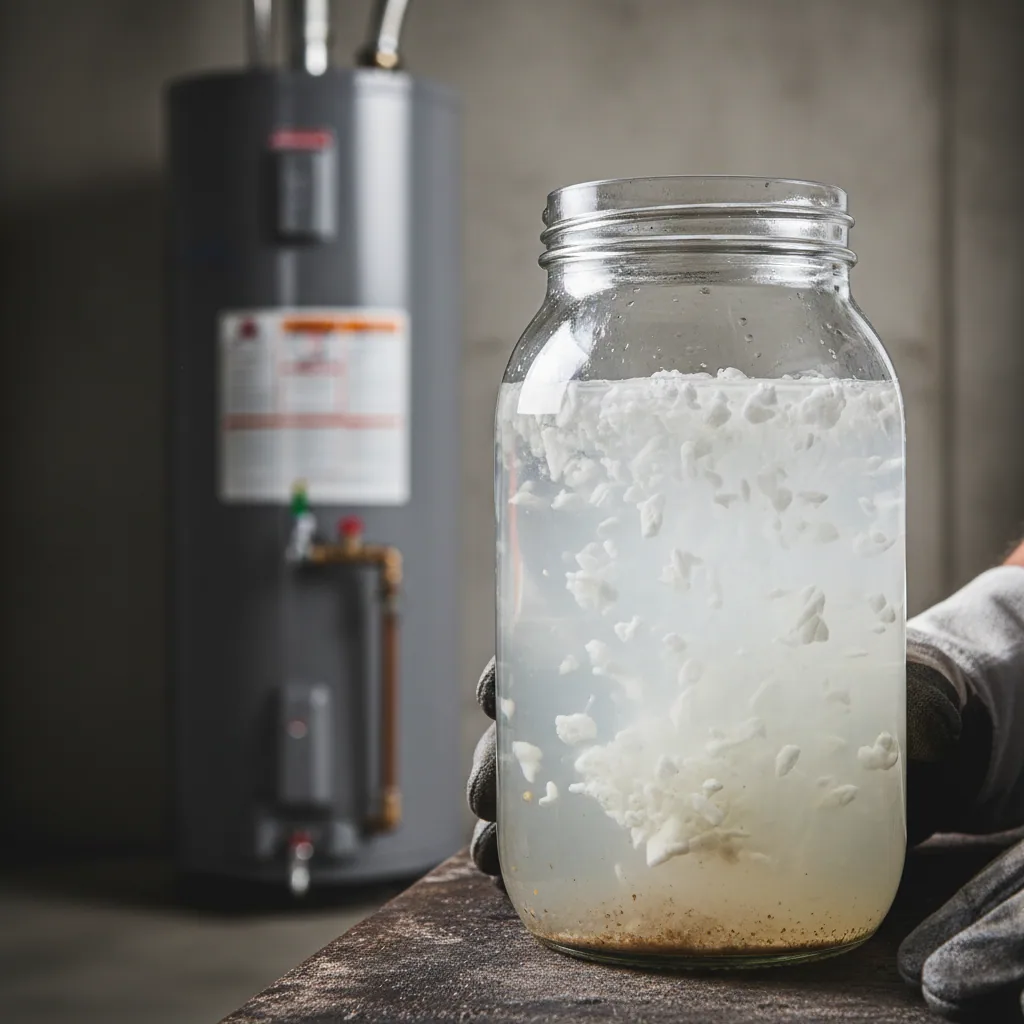
Water Heater Maintenance Bay Area: The Hard Water Factor
In regions like San Jose and the East Bay, water heater maintenance Bay Area strategies must account for high calcium and magnesium levels. Hard water accelerates the crystallization of sediment, making it much harder to remove through a simple DIY flush. This is why many local property managers opt for professional descaling services annually.
According to Energy.gov, regular maintenance not only extends the life of your appliance but also ensures it operates at peak efficiency. For Bay Area residents, this is especially critical given our high PG&E rates. A clean tank heats water faster, reducing the 'on-time' of your burner or elements.
Proactive Tips for High-Construction Zones
- Install a Pre-Filter: A whole-house sediment filter can catch construction dust before it enters your heater.
- Check the Anode Rod: This 'sacrificial' rod attracts corrosive elements; replace it every 3-5 years.
- Monitor PG&E Bills: An unexplained 10% jump in gas or electric usage often points to sediment buildup.
- Seismic Strapping: While flushing, ensure your earthquake straps are tight and meet California code.
Is your heater over 10 years old? Older units in hard water areas often have too much sediment for a DIY flush to be effective. Explore our replacement options, including high-efficiency heat pump systems that qualify for up to $4,900 in rebates.
Tankless vs. Tank: Maintenance in High-Dust Environments
Many Bay Area homeowners have upgraded to tankless systems to save space. While these don't have a 'tank' to collect sediment, they are even more sensitive to construction dust. The narrow heat exchanger passages can clog quickly, leading to 'Error Code' shutdowns and expensive repairs. A sediment flush 101 for tankless units involves a vinegar-based descaling solution and a circulation pump.
Comparison: Maintenance Requirements
- Standard Tank: Requires a full drain and flush once a year; check anode rod every 3 years.
- Tankless: Requires descaling every 12-24 months depending on water hardness; clean the inlet filter every 6 months.
- Heat Pump (Hybrid): Similar to tank maintenance but requires cleaning air filters to maintain heat exchange efficiency.
Conclusion: Protecting Your Investment
The Bay Area's growth shouldn't come at the expense of your home's appliances. By mastering the basics of a sediment flush 101, you can mitigate the damage caused by construction dust and hard water minerals. This proactive approach saves you from the 'cold shower' emergency and keeps your monthly energy bills under control.
At Better Water Heaters, we’ve spent 20+ years helping Bay Area residents navigate local water challenges. Whether you need a routine flush, an anode rod replacement, or a complete transition to a 2027-compliant heat pump system, our team is ready to help. Don't let construction dust shorten your heater's lifespan. Contact us today for a free estimate or call us to schedule your annual maintenance service.
Frequently Asked Questions
How often should I flush my water heater in the Bay Area?
In most Bay Area cities, we recommend a full flush once every 12 months. However, if you live in a high-construction zone like downtown San Jose or near major BART expansions, a bi-annual check is better. This prevents the heavy particulate load from hardening into a layer that is impossible to remove via DIY methods.
Can sediment buildup cause my water heater to leak?
Yes. Sediment creates 'hot spots' at the bottom of the tank. For gas heaters, the intense heat required to penetrate the sediment layer can eventually weaken the steel tank and cause it to crack. Once a tank leaks from the bottom, it cannot be repaired and must be replaced immediately to prevent water damage.
Is it worth flushing an old water heater that has never been maintained?
This is a common dilemma. If a heater is over 10 years old and has never been flushed, the sediment may be the only thing 'sealing' small pinhole leaks. Flushing an extremely old, neglected unit can sometimes trigger a leak. We recommend a professional assessment for any unit over 8 years old before attempting a deep flush.
How much does a professional water heater sediment flush cost?
A professional sediment flush cost in the Bay Area typically ranges from $150 to $300, depending on the complexity and location. While DIY is cheaper, a professional service includes a safety inspection of the T&P valve, checking the anode rod, and ensuring your gas lines and seismic strapping are up to current California building codes.