
📋 Table of Contents
According to the California Energy Commission, the average household wastes up to 12,000 gallons of water annually just waiting for the shower to get warm. In the Bay Area, where tiered water rates from providers like EBMUD or SFPUC can make every drop feel like liquid gold, choosing the right recirculation pump or intelligent demand system isn’t just about comfort—it’s a strategic financial decision.
Whether you are a tech executive in Palo Alto or a property manager in Oakland, the frustration is the same: standing over a sink for two minutes while cold water literally goes down the drain. But as California water conservation mandates tighten, the old-school solution of a “continuous loop” pump is becoming an expensive, energy-leaking relic of the past.
Key Takeaways:
- Traditional recirculation pumps offer instant heat but can significantly increase PG&E bills due to pipe heat loss.
- Intelligent demand systems comply with California Title 24 requirements by only activating when hot water is requested.
- Bay Area homeowners without a dedicated return line can still achieve on-demand hot water using crossover valve technology.
- Local rebates from agencies like BAWSCA can offset the initial investment of high-efficiency upgrades.
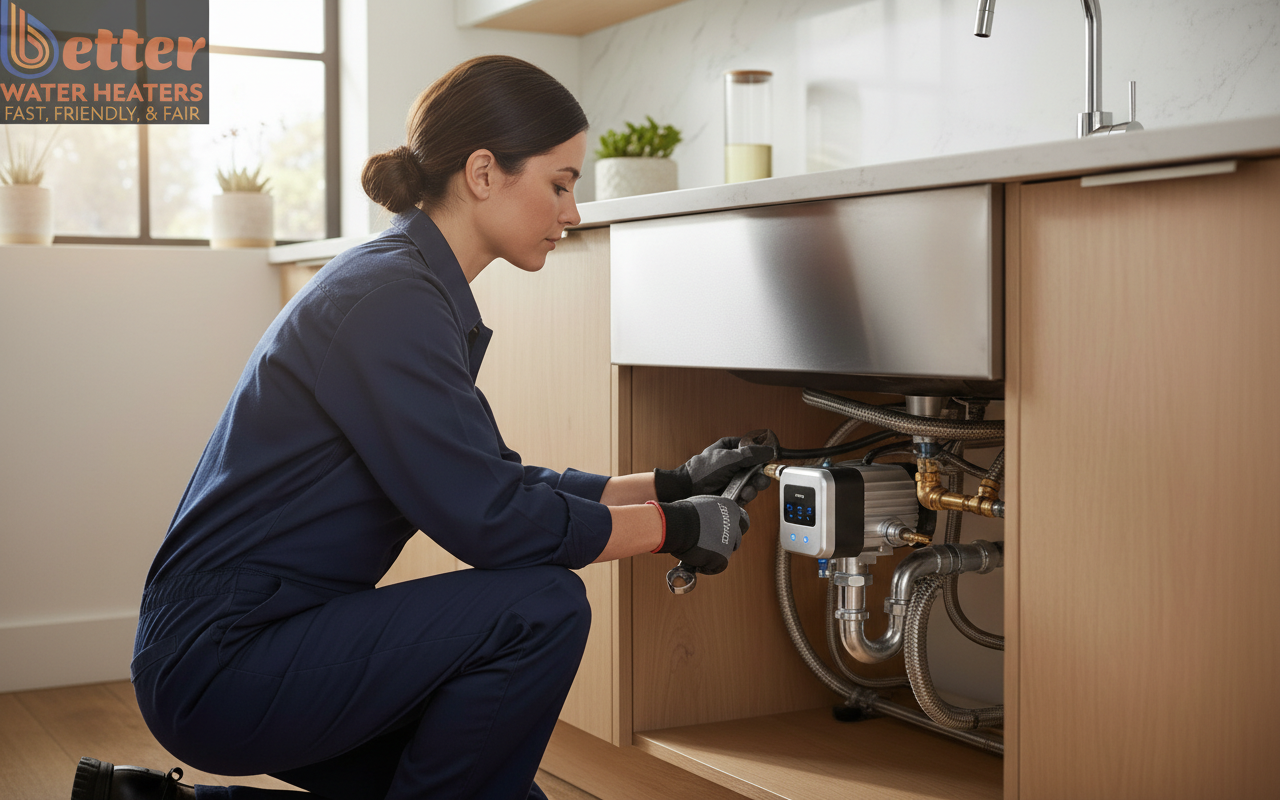
The Hidden Cost of Traditional Recirculation Pumps
The real kicker about “always-on” pumps is that they turn your home’s plumbing into a giant radiator, bleeding heat into your walls and crawlspaces 24/7. While they provide instant hot water, the energy required to constantly reheat that water is substantial.
What most people miss is the “Water-Energy Nexus.” In California, it takes a massive amount of electricity and gas to move and heat water; wasting one effectively wastes both. For a typical Bay Area mid-market home, a basic recirculation pump running without a timer can add hundreds of dollars to annual utility costs due to heat dissipation.
- Energy Loss: Constant circulation leads to “thermal siphoning” where heat escapes through uninsulated copper pipes.
- Pipe Wear: Continuous flow can lead to copper pipe erosion over a decade of use.
- Regulation Hurdles: Newer California Title 24 water heater requirements strictly limit the use of non-demand-based systems in new construction.
If you’re looking to troubleshoot an existing system, our guide on water heater maintenance covers how to spot pump inefficiencies. For those ready to upgrade, the shift toward intelligent delivery is the clear path forward.
Intelligent Demand Systems: The Smart Alternative
The best way to balance comfort and conservation is to ensure the pump only breathes when you tell it to. Unlike traditional models, a D’MAND system installation in the Bay Area uses a push-button, motion sensor, or smart home integration to trigger a high-speed prime of the hot water line.
Here’s the thing: these systems are designed to stop the pump the moment hot water reaches the fixture, preventing hot water from entering the cold water line. This is a critical distinction for California water conservation because it prevents “lukewarm tap water” syndrome common in lower-quality crossover setups.
In our work with established homeowners in San Jose, we find that intelligent hot water delivery bridges the gap between luxury and environmental responsibility. You get on-demand hot water in seconds, but the pump stays dormant 95% of the day.
| Feature | Traditional Pump | Intelligent Demand System |
|---|---|---|
| Activation | Always-on or Timer | Motion/Button/Smart Sensor |
| Water Savings | High | Maximum |
| Energy Usage | High (Constant Reheating) | Low (Only when used) |
| Title 24 Compliance | Difficult | Fully Compliant |
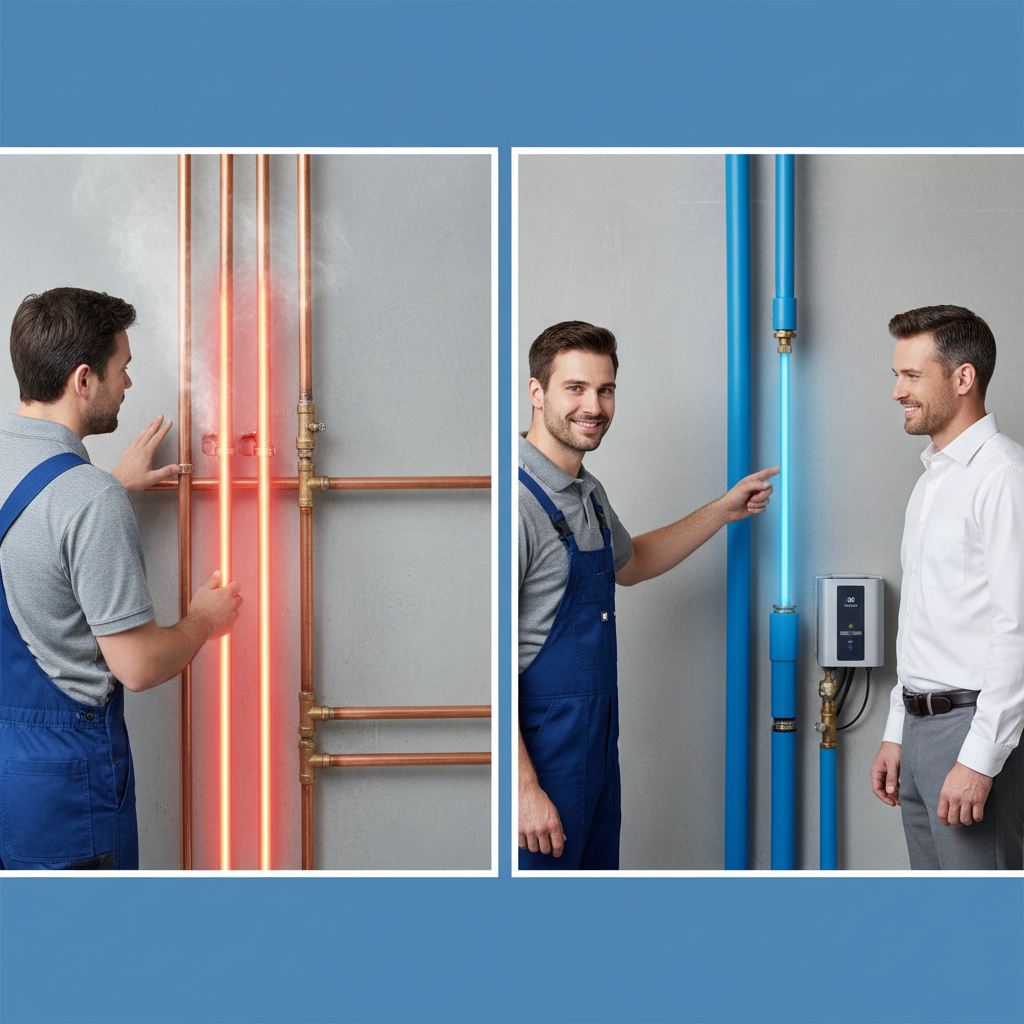
Overcoming the “No Return Line” Hurdle in Older Homes
Retrofitting a 1920s Victorian in San Francisco or a mid-century ranch in Sunnyvale often presents a major problem: there is no dedicated return plumbing line for a recirculation pump. This is where most homeowners give up, thinking they are stuck with the wait.
But wait—modern technology offers a workaround. Using a “crossover valve” installed under the furthest sink, we can use your existing cold water line as a temporary return path. This allows for on-demand hot water without tearing open your lath-and-plaster walls.
- Sensor Valves: These thermostatically controlled valves close as soon as the water hits 100°F.
- Minimal Footprint: Most intelligent pumps are small enough to fit under a kitchen cabinet or directly above the water heater.
- Quiet Operation: Modern demand systems operate at decibel levels lower than a whisper, vital for today’s open-concept floor plans.
Need help choosing the right setup for your home’s unique layout? Schedule your free estimate with our local experts who understand the nuances of Bay Area plumbing codes.
California Title 24 and Local Rebates
California doesn’t just suggest efficiency; it mandates it through Title 24, Part 6. These regulations essentially require that any new recirculation pump must be demand-activated to prevent the massive energy waste of continuous loops.
The real kicker? You can get paid to upgrade. Organizations like the Bay Area Water Supply & Conservation Agency (BAWSCA) often provide rebates for devices that reduce water waste. Additionally, if you are pairing your pump with a new heat pump water heater, federal tax credits under the Inflation Reduction Act can cover a significant portion of the installation cost.
According to Energy.gov, water heating is the second largest energy expense in most homes. By switching to a demand-based system, you’re attacking that expense from two angles: water volume and gas/electric therms.
The Noise and Lifestyle Factor
Most people assume all pumps hum and vibrate, but that’s a legacy issue with poor mounting. In high-end Bay Area renovations, we prioritize “The Noise Factor.” Modern intelligent pumps use brushless motors that are virtually silent, ensuring your morning routine doesn’t wake the whole house.
Think about a typical Bay Area professional’s morning: every minute counts. Waiting for hot water isn’t just a waste of a resource; it’s a waste of your most valuable asset—time. An intelligent hot water delivery system integrated with a smart home hub (like Matter or Thread) allows you to trigger the pump via voice command while you’re still making coffee.
As of 2024, the integration of these systems into broader smart home ecosystems has become the standard for new luxury builds in Silicon Valley. It’s about more than just water; it’s about a seamless, high-tech home environment.
Honest Advice: When to Stick with the Status Quo
Here is a contrarian insight: If your water heater is more than 12 years old, adding a high-pressure recirculation pump might actually trigger a leak. The increased pressure and flow can stress aging tanks that are already compromised by sediment buildup.
In this scenario, we recommend a “replace and upgrade” strategy. Installing a tankless water heater with an integrated pump is often more cost-effective than trying to bolt a modern pump onto a dying tank. It’s about looking at the system as a whole rather than a series of patches.
Ready to stop wasting water and start saving on your PG&E bill? Our team has 20+ years of experience navigating the specific plumbing challenges of the Bay Area. Contact Better Water Heaters today for a professional assessment of your hot water system.
Frequently Asked Questions
Does a recirculation pump increase my electric bill?
A traditional, always-on pump can increase your bill due to the electricity used by the motor and the gas/electricity needed to reheat water that cools in the pipes. However, an intelligent demand-based recirculation pump uses very little energy because it only runs for 30-60 seconds at a time when hot water is actually needed.
Can I install an on-demand hot water system myself?
While some under-sink kits are marketed as DIY, professional installation is recommended to ensure compliance with California Title 24 water heater requirements and to prevent cross-contamination of your cold water lines. Proper recirculation pump sizing is also critical to avoid pipe erosion and ensure the pump doesn’t burn out prematurely.
What is the difference between a timer-based pump and a demand system?
A timer-based pump runs during set hours (e.g., 6 AM – 9 AM), regardless of whether you are actually using water. An intelligent hot water delivery system only activates when triggered by a sensor or button. Demand systems are significantly more efficient and are the preferred choice for California water conservation standards.
How much can I save with a D’MAND system installation in the Bay Area?
Homeowners typically save between 3,000 to 12,000 gallons of water per year. In the Bay Area, where water rates are among the highest in the country, this can translate to $50-$150 in annual water savings, plus additional savings on your gas or electric bill by reducing standby heat loss in your plumbing.
Do I need a permit for a recirculation pump in California?
In most Bay Area jurisdictions, adding a pump to an existing system may not require a standalone permit, but if it’s part of a water heater replacement, it must be included in the permit and inspection process. Always check with your local building department in cities like San Jose or Oakland to ensure your recirculation pump meets current seismic and plumbing codes.