
📋 Table of Contents
According to the San Francisco Department of Building Inspection (SFDBI), improperly installed water heaters are among the top causes of preventable flood and fire damage in high-density residential zones. When you opt for a professional water heater installation in the City, you aren’t just paying for labor; you are investing in a permit-backed safety system designed to withstand the unique geological risks of the Bay Area.
Key Takeaways for SF Homeowners:
- Seismic Safety: San Francisco requires specific double-strapping to prevent units from toppling during earthquakes.
- Permit Protection: Unpermitted work can void homeowners insurance and complicate property sales.
- Thermal Expansion: Modern closed-loop systems in SF require expansion tanks to prevent pipe bursts.
- Electrification: New CA mandates are pushing a shift toward Heat Pump Water Heaters (HPWH) with significant rebates available.
The Reality of Water Heater Code Compliance in San Francisco
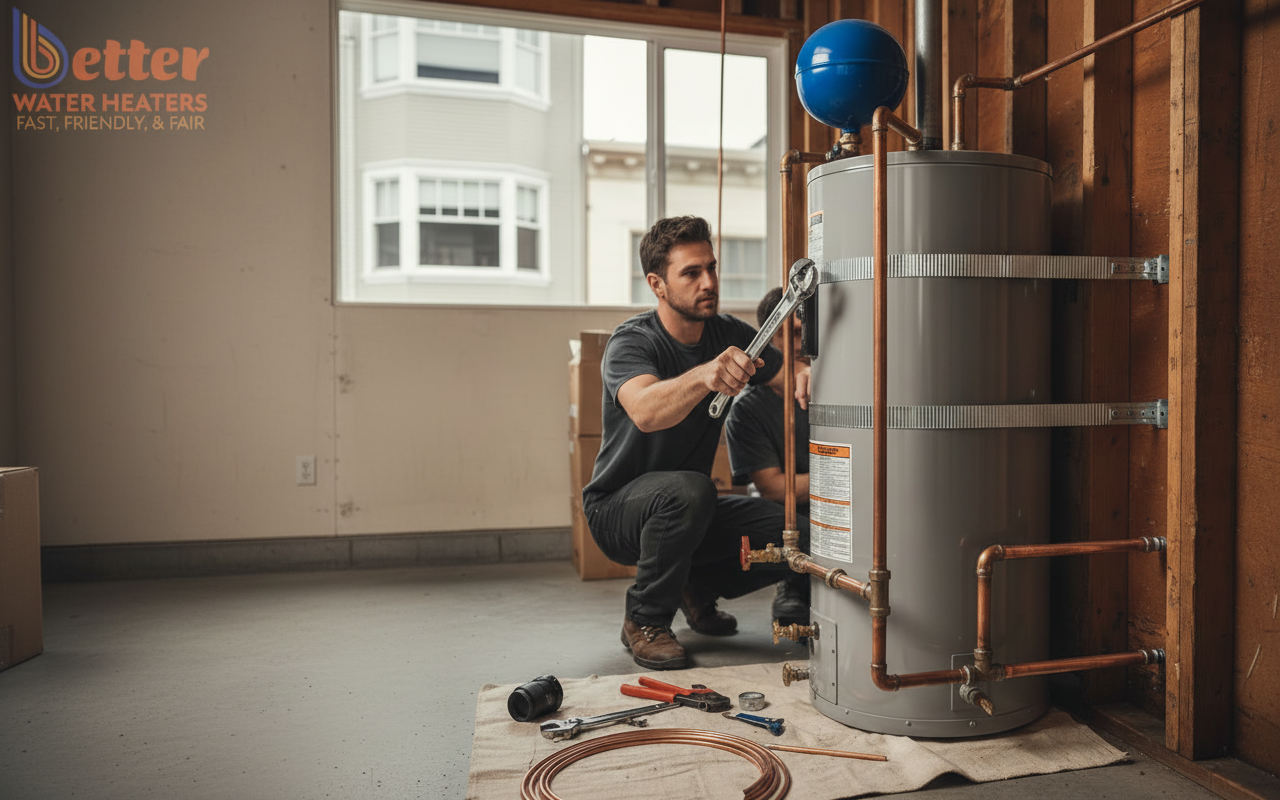
The real kicker is that ‘up to code’ in San Francisco is significantly more stringent than the general California Plumbing Code due to our unique seismic activity and architectural density. While a DIY enthusiast might follow a YouTube video, they often miss the nuanced water heater code compliance triggers that professional inspectors look for during a mandatory SFDBI sign-off.
What most people miss is that code compliance isn’t a static target; it evolves with new safety data. For instance, the 2024 surge in permit enforcement has highlighted three critical areas where standard installations often fail:
- Sediment Traps: Often omitted in DIY jobs, these prevent debris from entering the gas control valve, a leading cause of premature unit failure.
- T&P Relief Valve Discharge: In San Francisco’s zero-lot-line properties, routing this drainage safely to the exterior without creating a slip hazard is a technical challenge.
- Combustion Air: Older Victorian homes often lack the necessary ventilation for modern high-efficiency units, requiring specialized venting solutions.
Here’s the thing: a non-compliant installation is a ticking financial time bomb. We’ve seen cases where a typical Bay Area mid-market residential property faced major insurance claim denials because a leaked water heater was never permitted. If you are unsure about your current setup, you can schedule a professional code-compliance inspection today.
Seismic Strapping Requirements: More Than Just Metal Tape
In a city sitting between the San Andreas and Hayward faults, seismic strapping requirements are the difference between a hot shower and a flooded basement after a tremor. San Francisco Building Code (SFBC) Chapter 16 dictates exactly how and where a unit must be anchored to the building’s structural frame.
The real insight here? Most “standard” strapping kits sold at big-box retailers don’t actually meet the specific torque and positioning requirements for San Francisco’s high-risk zones. A professional water heater installation ensures:
- Double-Point Anchoring: Straps must be located in the upper and lower one-third of the tank.
- Lag Bolt Depth: Anchors must penetrate the wall studs to a specific depth to ensure they don’t pull out under lateral force.
- Structural Integrity: In older SF homes with lath and plaster walls, finding true structural backing requires professional tools and experience.
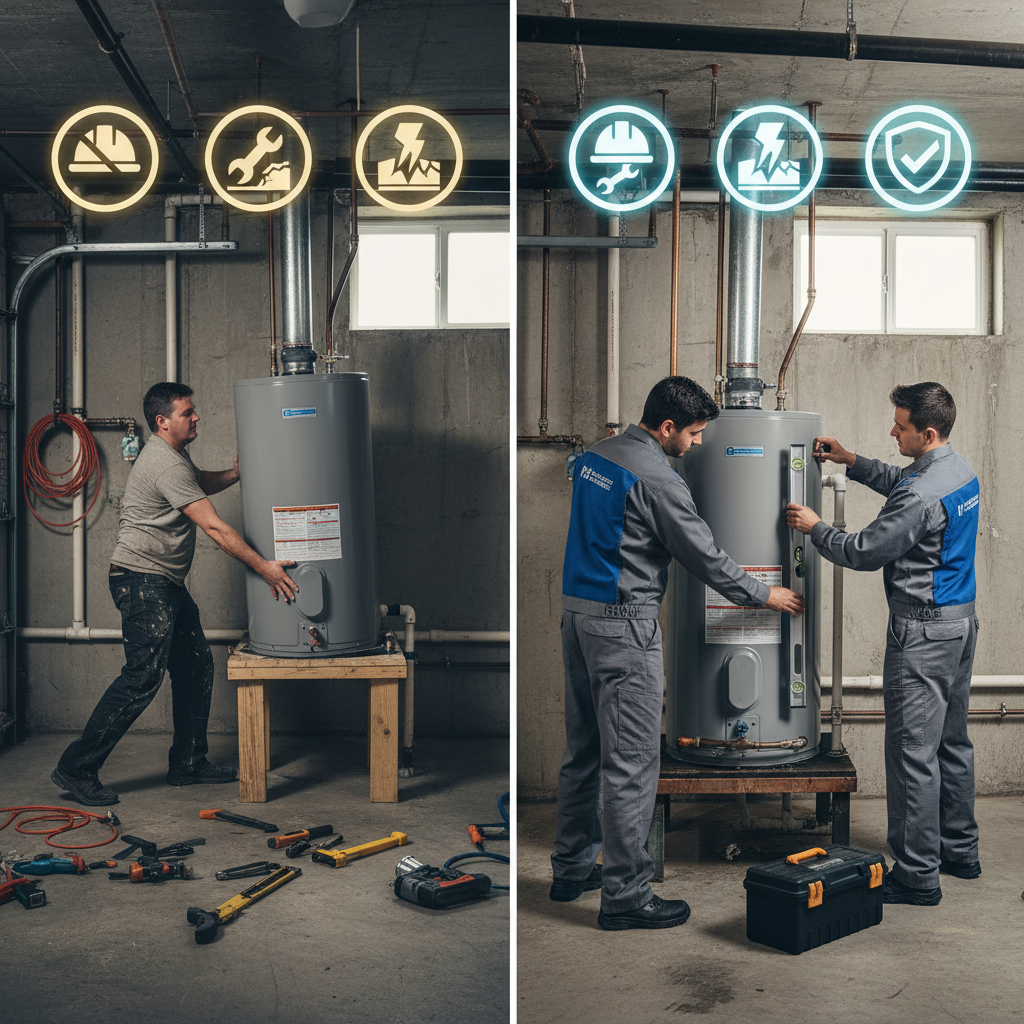
| Requirement | DIY / Standard | Professional (SF Code) |
|---|---|---|
| Seismic Bracing | Often single strap or loose | Double-strapped to structural studs |
| Expansion Tank | Commonly omitted | Required for closed-loop systems |
| Permit Handling | Homeowner responsibility | Handled by contractor (SFDBI) |
| Resale Protection | Risk of inspection red flags | Full documentation provided |
But wait—seismic safety isn’t just about the tank staying upright. It’s about the flexible gas and water connectors that prevent line breaks when the unit shifts. According to the U.S. Department of Energy, proper installation of flexible connectors is a primary defense against post-earthquake fires.
Thermal Expansion and the SF Closed-Loop Dilemma
What many homeowners don’t realize is that San Francisco’s plumbing infrastructure has transitioned toward “closed-loop” systems to prevent backflow contamination. This transition makes the thermal expansion tank code a mandatory requirement that DIYers almost always overlook.
When water heats up, it expands. In an old open system, that pressure pushed back into the city mains. In a modern closed system, that pressure has nowhere to go but against your pipes and tank. A professional water heater installation includes a properly sized expansion tank to absorb this stress. Without it, you are significantly shortening the lifespan of your unit and risking a catastrophic pipe burst.
Need to know if your home requires an expansion tank? Search our technical guides for more information on SF plumbing configurations.
Navigating the SFDBI Permit Bureaucracy
The “Hidden Cost” of DIY in San Francisco isn’t the tools—it’s the bureaucracy. The San Francisco Department of Building Inspection (SFDBI) maintains a rigorous permit process that serves as a legal record of your home’s safety. A professional water heater installation specialist acts as your permit concierge, handling the filing, scheduling the inspector, and ensuring the work passes the first time.
In our work with property managers handling multiple units, the biggest headache is always correcting unpermitted work from previous owners. The real-world consequences include:
- Title Transfer Delays: Buyers in the Bay Area are increasingly savvy and will demand permit history during escrow.
- Increased Liability: If a tenant is injured or property is damaged by an unpermitted unit, the landlord bears full legal responsibility.
- Fines: SFDBI can issue “work without permit” penalties that far exceed the original cost of a professional install.
Transitioning to new technology also adds complexity. With the shift toward electrification, installing a Heat Pump Water Heater (HPWH) involves not just plumbing, but Title 24 energy compliance and electrical panel upgrades. Our team stays updated on these shifts using our internal AI content engine to track regulatory changes in real-time, ensuring our clients always get the most current advice.
The Shift to Heat Pump Water Heaters in San Francisco
The most honest, contrarian insight we can offer is this: while gas heaters are the “standard,” they are becoming a liability in California. As of 2024, the push for decarbonization means that gas units may soon face even stricter replacement regulations. Choosing a professional water heater installation for a heat pump model today prepares your home for the 2027 zero-NOx requirements and unlocks massive incentives.
Residents can currently access significant heat pump water heater rebates SF through programs like TECH Clean California and local utility incentives. These rebates can often cover the price gap between a traditional tank and a high-efficiency heat pump, but they almost always require installation by a licensed, program-enrolled contractor.
Ready to upgrade and save? Request a free quote for a heat pump installation and we’ll help you navigate the $4,900+ in available rebates.
San Francisco Water Heater FAQs
Do I really need a permit for a simple water heater replacement in SF?
Yes. The San Francisco Building Code requires a plumbing permit for all water heater replacements. This ensures that critical safety features like seismic strapping and proper venting are inspected by a third party, protecting your safety and your home’s resale value.
What are the specific seismic strapping requirements in San Francisco?
San Francisco requires two straps: one in the top one-third and one in the bottom one-third of the tank. The bottom strap must be at least four inches above the gas control valve. These must be anchored into the building’s structural framing with heavy-duty lag bolts.
Why is a professional water heater installation better than a DIY job?
A professional installation guarantees water heater code compliance, handles the SFDBI permit process, and ensures specialized components like expansion tanks and sediment traps are installed correctly. It also preserves your manufacturer’s warranty and homeowners insurance eligibility.
How do I know if I need a thermal expansion tank?
If your home has a pressure-reducing valve (PRV) or a check valve on the main water line, you have a closed-loop system. In these cases, a thermal expansion tank is required by code to prevent dangerous pressure buildup during the heating cycle.
Your Monday Morning Action Item: Check your water heater for two things: Are there two sturdy metal straps bolted into the wall, and is there a valid SFDBI permit sticker on or near the unit? If either is missing, your home is at risk. Don’t wait for the next tremor or a failed home inspection—contact a specialist to bring your system up to code.