
📋 Table of Contents
According to the Bay Area Air Quality Management District (BAAQMD), gas water heater installations will be phased out starting in 2027, making the transition to electric heat pumps a matter of ‘when,’ not ‘if.’ For most homeowners in San Jose or Oakland, the real challenge isn’t the technology—it’s navigating a pre-permit audit to avoid a $5,000 electrical panel surprise or a 30-day permit rejection.
Key Takeaways:
- A pre-permit audit identifies electrical bottlenecks before they stall your project.
- Proper condensate drainage and seismic strapping are non-negotiable for Title 24 compliance.
- Advanced load calculations can often save you from a full 200-amp service upgrade.
- Documentation readiness is the secret to capturing up to $4,900 in local and state rebates.
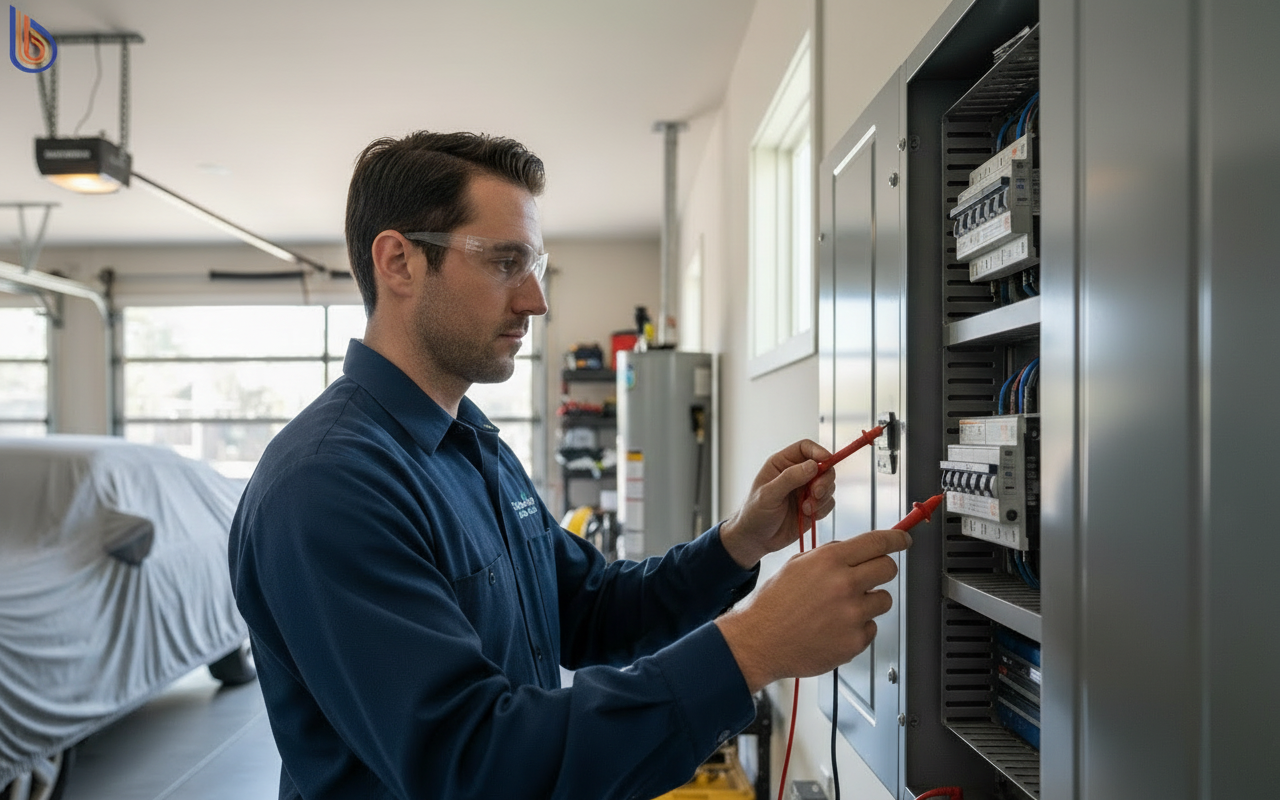
1. Electrical Load Calculation: The ‘Panel-Saver’ Strategy
The biggest myth in electrification is that every 100-amp panel requires a $5,000 upgrade to support a heat pump water heater (HPWH).
In our work with established homeowners in Palo Alto and Walnut Creek, we find that the heat pump conversion checklist often starts with a fear of the electrical panel. While a standard HPWH requires a 30-amp, 240-volt circuit, many older Bay Area homes are already pushed to the limit by EVs and AC units. However, the real kicker is that you don’t always need a new panel.
What most people miss is the National Electrical Code (NEC) 220.82 calculation. By performing a professional heat pump water heater load calculation, we can often prove to the city that your existing service can handle the surge. If it’s tight, we look at ‘smart’ circuit splitters or 120V ‘plug-in’ HPWH models that draw significantly less power.
- Verify Panel Capacity: We document existing loads (Range, Dryer, HVAC).
- Smart Management: Evaluate circuit-sharing devices to avoid peak load issues.
- Future-Proofing: Ensure the audit accounts for upcoming SB 1221 regulations regarding gas line phase-outs.
2. Condensate Drainage and Indoor Airflow Logistics
Heat pumps don’t just heat water; they act as dehumidifiers, meaning they ‘sweat’ several gallons of water daily that must go somewhere.
In a typical Bay Area mid-market home, the water heater is often tucked into a closet or a tight basement corner. A critical part of the pre-permit audit is determining where that condensate will drain. If there isn’t a floor drain nearby, we have to engineer a condensate pump system that meets Bay Area plumbing permits requirements.
The real surprise? Noise and cold air. A heat pump exhausts cool air into the room it occupies. If the space is smaller than 1,000 cubic feet, we must audit for louvered doors or ducting to prevent the unit from ‘choking’ on its own cold exhaust. This is especially vital for passing Title 24 compliance inspections in cities like Berkeley or San Francisco.
Need a professional eye on your mechanical room? Schedule your pre-permit inspection here.
3. Seismic Strapping and Clearance Compliance
California code is notoriously strict about seismic safety, but the 80-gallon hybrid units required for larger families introduce a new variable: extreme weight.
A full 80-gallon HPWH can weigh over 1,000 pounds. During our pre-permit audit, we assess the floor’s load-bearing capacity. We’ve seen cases where a ‘simple’ swap required floor joist reinforcement to prevent structural sagging over time. This isn’t just about safety; it’s about protecting your home’s resale value.
Furthermore, Bay Area plumbing permits require specific clearances for maintenance and airflow. We use the ‘Quiet Neighbor’ protocol to ensure outdoor compressor placements won’t trigger HOA complaints or violate local noise ordinances. We’ve found that even a few inches of clearance can be the difference between a passed inspection and a ‘Correction Notice’ from the city.
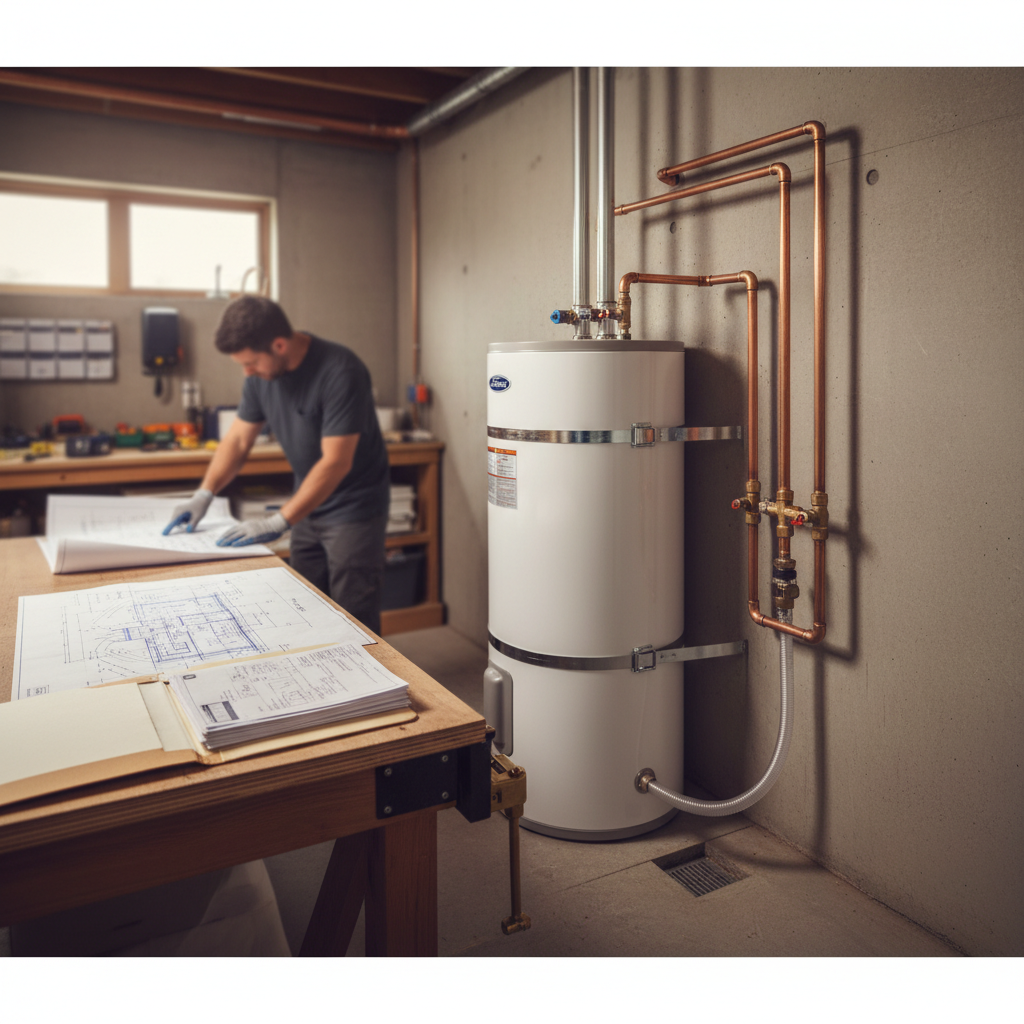
- Seismic Straps: Must be located in the upper and lower one-third of the tank.
- Clearance: Minimum 6-12 inches depending on the specific manufacturer (Rheem vs. Bradfrod White).
- Expansion Tanks: Mandatory in closed-loop systems to prevent pressure spikes.
4. Rebate Documentation and BAAQMD Readiness
Leaving $4,900 on the table because of a paperwork error is the most common ‘hidden’ cost of a DIY or uncertified installation.
The TECH Clean California rebates and BayREN incentives require specific ‘before’ photos and technical data that must be captured during the audit phase. If you file the permit without documenting the existing gas line and venting, you might disqualify yourself from income-contingent HEEHRA funds.
Here’s an honest, contrarian insight: Don’t rush the permit filing. Many local AHJs (Authorities Having Jurisdiction) have specific variances. For example, San Jose might require a different venting clearance than Fremont. Our audit ensures that the heat pump conversion checklist we submit matches the exact preferences of your local building inspector, cutting through the ‘Permit Maze’ that currently leads to 30-day delays in Oakland.
Common Rebate Roadmap:
- Verify BAAQMD heat pump mandate compliance for your specific zip code.
- Capture ‘pre-conversion’ photos of the gas meter and water heater venting.
- Calculate the Federal 25C Tax Credit eligibility (up to $2,000).
- Submit the pre-permit audit report to the utility provider for pre-approval.
Why the Audit is a Property Value Play
Transitioning to a heat pump isn’t just a repair; it’s a strategic upgrade. As California moves toward the 2027 zero-NOx requirements, homes with existing, permitted heat pump systems will command a premium in the real estate market. According to Energy.gov, these units are up to 3x more efficient than standard electric models.
For the busy entrepreneur or the tech-forward homeowner, this audit removes the guesswork. You get a fixed-price roadmap that accounts for every wire, pipe, and permit fee. We even use ingest.blog to help our internal teams stay updated on the weekly changes to local Bay Area building codes.
Ready to start? Don’t wait for your old tank to leak and turn this into an emergency. Contact Better Water Heaters today for a comprehensive pre-permit audit and take the first step toward a carbon-free, high-efficiency home.
Frequently Asked Questions
Do I really need a permit for a heat pump water heater in the Bay Area?
Yes. Every city in the Bay Area requires a permit for a heat pump conversion because it involves both electrical and plumbing modifications. Unpermitted work can lead to fines, issues during home resale, and the denial of insurance claims if a leak or electrical issue occurs. Our pre-permit audit ensures your project meets all local codes from day one.
Will a heat pump water heater work in my cold garage?
Absolutely. Heat pumps are highly effective in the Bay Area’s temperate climate. Even when garage temperatures drop in the winter, modern units from brands like Rheem and AO Smith can pull heat from the air down to 35-40°F. During our audit, we check your garage’s cubic footage to ensure there is enough ambient air for the unit to operate at peak efficiency.
How much can I actually save with TECH Clean California rebates?
As of 2024, many Bay Area residents are eligible for up to $4,900 in combined state and local incentives. This includes the TECH Clean California base rebate, BayREN home energy audit bonuses, and federal tax credits. However, these programs are fund-limited and require professional installation by a licensed contractor to qualify.
What is the ‘Quiet Neighbor’ protocol?
This is our internal standard for ensuring that the noise generated by the heat pump’s fan and compressor doesn’t disturb you or your neighbors. During the pre-permit audit, we measure decibel levels and suggest placement options—such as vibration isolation pads or specific orientations—to ensure the unit remains whisper-quiet and compliant with local noise ordinances.