
📋 Table of Contents
In the high-stakes Bay Area real estate market, a single deferred maintenance item can trigger a $10,000 credit request or, worse, stall a closing entirely. According to the American Society of Home Inspectors (ASHI), water heater issues consistently rank among the top five escrow inspection red flags that give buyers cold feet during the contingency period.
Conducting a pre-appraisal water heater audit is no longer just a recommendation; it is a strategic move to protect your equity. In a region where tech-sector buyers prize energy efficiency and “future-proofed” systems, showing up with a documented, code-compliant water heater sets the tone for the entire home inspection. Here is how to audit your system like a pro before the appraiser knocks on your door.
Key Takeaways for Sellers
- Risk Mitigation: Identify seismic and venting issues before they become negotiation leverage for buyers.
- Value Addition: High-efficiency upgrades like Heat Pump Water Heaters (HPWH) can be marketed as a “Green Premium.”
- Compliance: Ensure your unit meets 2024 California plumbing codes and local Bay Area Air Quality Management District (BAAQMD) standards.
Step 1: The Seismic Safety and Code Compliance Check
In California, seismic safety isn’t a suggestion—it’s a legal requirement that appraisers check with a literal shake of the tank. For many Bay Area homeowners, particularly those in older San Francisco or Oakland Victorians, the original strapping often fails to meet the current California seismic strapping requirements.
The real kicker? Most people assume one strap is enough, but California Health and Safety Code requires two—one in the upper third and one in the lower third of the tank. We often see “DIY” straps that are too loose or anchored into drywall rather than studs, which is an immediate red flag for any savvy inspector.
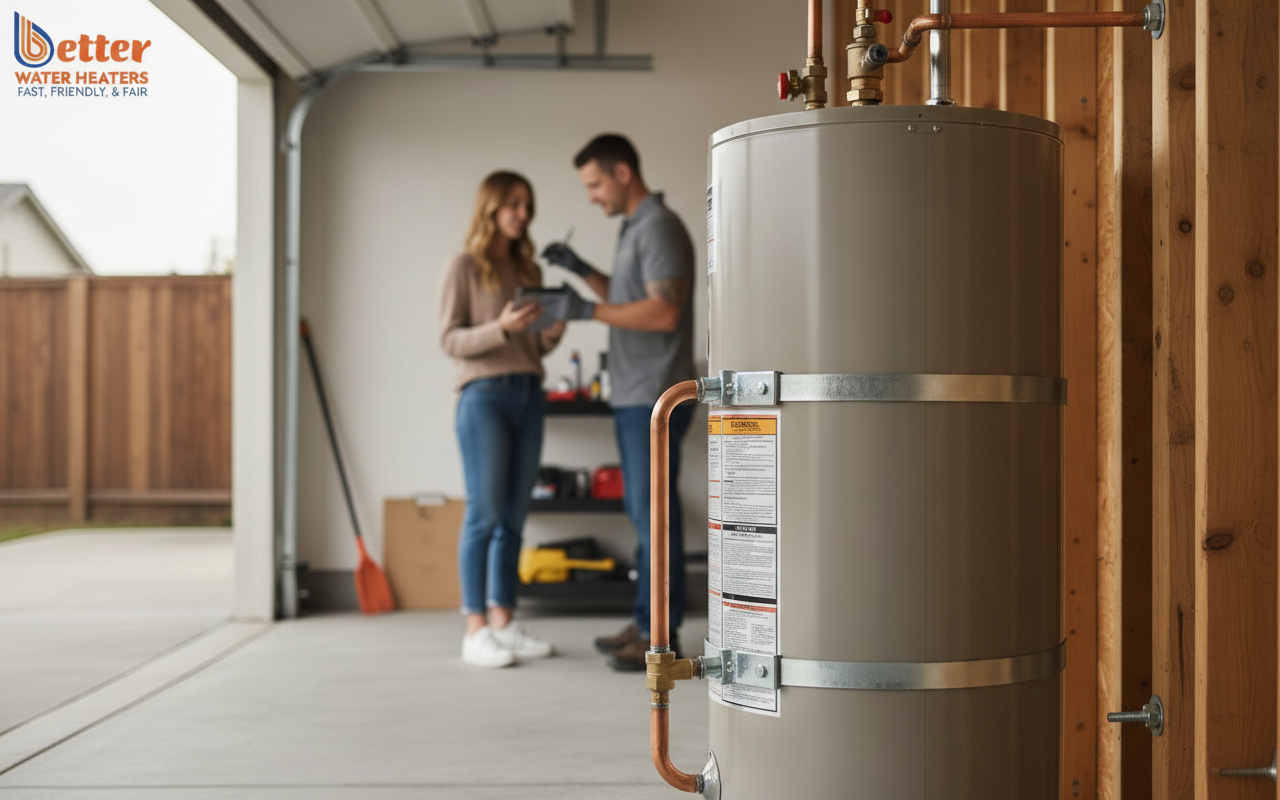
- Double Strapping: Ensure straps are heavy-duty metal, not plumber’s tape.
- Discharge Pipe: The Temperature and Pressure (T&P) relief valve must have a discharge pipe terminating 6-24 inches above the floor.
- Sediment Traps: For gas units, ensure a “dirt leg” is installed on the gas line to prevent debris from entering the burner.
Need a professional eye to verify your compliance? Schedule a pre-listing inspection with our team to clear these hurdles early.
Step 2: Identifying Escrow Inspection Red Flags
A pre-appraisal water heater audit must focus on the “invisible” killers of a home sale: slow leaks and venting hazards. In our work with mid-market Bay Area clients, we’ve found that even a small amount of corrosion at the flex line connections can lead an inspector to recommend a full replacement, even if the tank is only five years old.
But wait—don’t just look at the tank; look at the floor. Any signs of moisture or rust staining suggest an internal tank failure is imminent. For gas-powered units, improper venting is a major safety violation. If you see scorching or “backdrafting” marks on top of the heater, you have a carbon monoxide risk that will absolutely halt your escrow.
Common Deal-Breakers to Fix Now:
- Corroded Flex Lines: Replace oxidized copper connectors for a clean, “well-maintained” look.
- Improper Venting: Ensure the flue pipe has a consistent upward slope and is securely fastened.
- Missing Expansion Tank: If you have a “closed-loop” plumbing system (common in newer Bay Area developments), a missing expansion tank is a code violation.
Step 3: Calculating Residual Lifespan vs. ROI
Here’s an honest, contrarian insight: You shouldn’t always replace an old water heater before selling. If your unit is 8 years old and functioning perfectly, a professional flush and a documented pre-appraisal water heater audit report can be more cost-effective than a $3,000 replacement.
However, if your unit is over 12 years old, you are playing “escrow roulette.” In the competitive Silicon Valley market, buyers often use an aged water heater as a proxy for the overall health of the home. By replacing an aging gas unit with a high-efficiency model, you’re not just fixing a problem; you’re selling a feature. For example, heat pump water heater rebates in 2024 can offset much of the cost, while the “Energy Star” label adds tangible value to your listing.
| System Type | Avg. Lifespan | Appraisal Impact | Buyer Perception |
|---|---|---|---|
| Standard Gas Tank | 10-12 Years | Neutral | Expected/Basic |
| Tankless (Gas) | 20+ Years | Positive | Premium/Modern |
| Heat Pump (Electric) | 13-15 Years | High Positive | Future-Proof/Eco-Friendly |
Thinking about an upgrade to boost your home’s value? Explore our high-efficiency options that qualify for federal tax credits under the Inflation Reduction Act.
Step 4: Leveraging Electrification as Equity
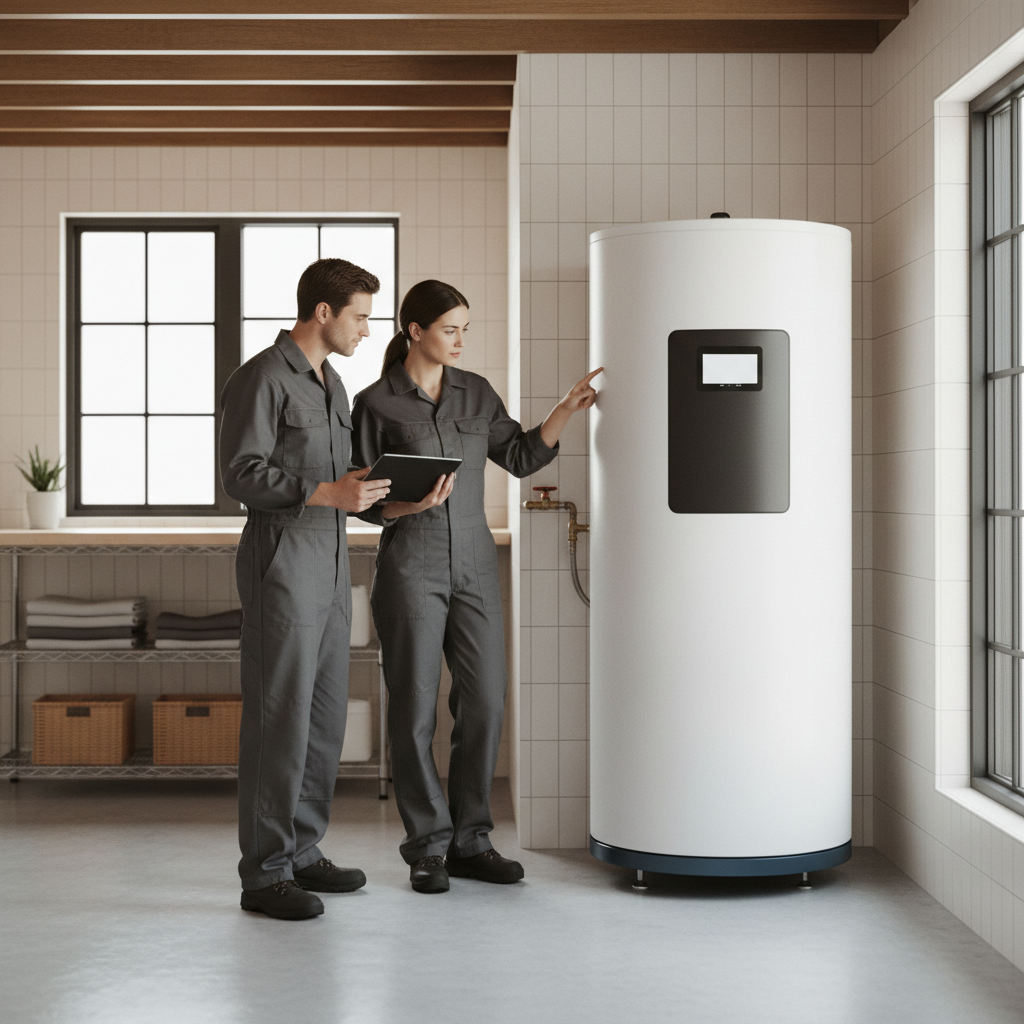
The Bay Area is leading the charge in residential electrification, with BAAQMD regulations moving toward a 2027 phase-out of gas water heater replacements. Smart sellers are using a pre-appraisal water heater audit to transition to electric heat pumps now, effectively “future-proofing” the property for the next owner.
In our experience with first-time homebuyers in the East Bay, the “Green Premium” is real. Buyers are often willing to overlook other minor cosmetic flaws if the big-ticket items—like the HVAC and water heater—are already converted to high-efficiency electric. This is especially true if you can hand the buyer a folder showing they are eligible for the $2,000 federal tax credit or local TECH Clean California rebates.
What most people miss: You must document the electrical capacity. If you’ve already upgraded your panel to 200-amp service to accommodate a water heater or EV charger, make sure that is highlighted in your marketing materials. It’s an invisible asset that significantly boosts your Bay Area home appraisal checklist score.
When to Call the Pros Before Listing
While a DIY audit is a great start, an official certificate of maintenance from a specialist carries weight during negotiations. If a buyer’s inspector finds an issue you “missed,” they gain the upper hand. If you have a professional report showing the unit was serviced, descaled, and brought to code in 2024, you neutralize that leverage immediately.
At Better Water Heaters, we specialize in helping sellers navigate the complex web of water heater code compliance in San Francisco and surrounding counties. We handle the permits, the seismic bracing, and the rebate paperwork so you can focus on your move.
FAQs: Pre-Appraisal Water Heater Audit
Does a new water heater actually increase home value?
While it may not increase the appraised value dollar-for-dollar, a new, high-efficiency water heater prevents “value dings” during the inspection. In the Bay Area, a modern heat pump unit can be a significant selling point for eco-conscious buyers, often leading to faster sales and fewer repair credits, effectively saving you thousands in negotiations.
What are the most common water heater red flags in escrow?
The most frequent issues are improper seismic strapping (not bolted to studs), missing T&P discharge pipes, and active corrosion on flex lines. For gas units, venting clearances and the absence of a sediment trap are the top code violations that appraisers and home inspectors flag in California.
Are gas water heaters being banned in the Bay Area?
As of 2024, you can still install gas units, but the Bay Area Air Quality Management District (BAAQMD) has passed rules that will phase out the sale of natural gas water heaters starting in 2027. Upgrading to a heat pump now is a smart way to “future-proof” your home and appeal to buyers looking for long-term compliance.
How do I know if my seismic straps are code-compliant?
California code requires two straps: one in the top third and one in the bottom third of the tank. They must be wrapped entirely around the tank and secured to the wall studs with lag bolts. If your straps are just screwed into the drywall or are made of flimsy plumber’s tape, they will fail a pre-appraisal audit.
The Bottom Line for Your Monday Morning
Don’t wait for the buyer’s inspector to dictate the terms of your home sale. This week, take 15 minutes to go into your garage or utility closet with a flashlight. Check for two sturdy metal straps, look for rust at the pipe connections, and verify the age of the unit on the manufacturer’s label. If the unit is over 10 years old or looks neglected, contact Better Water Heaters for a professional evaluation. Taking care of this now ensures that when your home hits the market, your water heater is an asset, not a liability.