
📋 Table of Contents
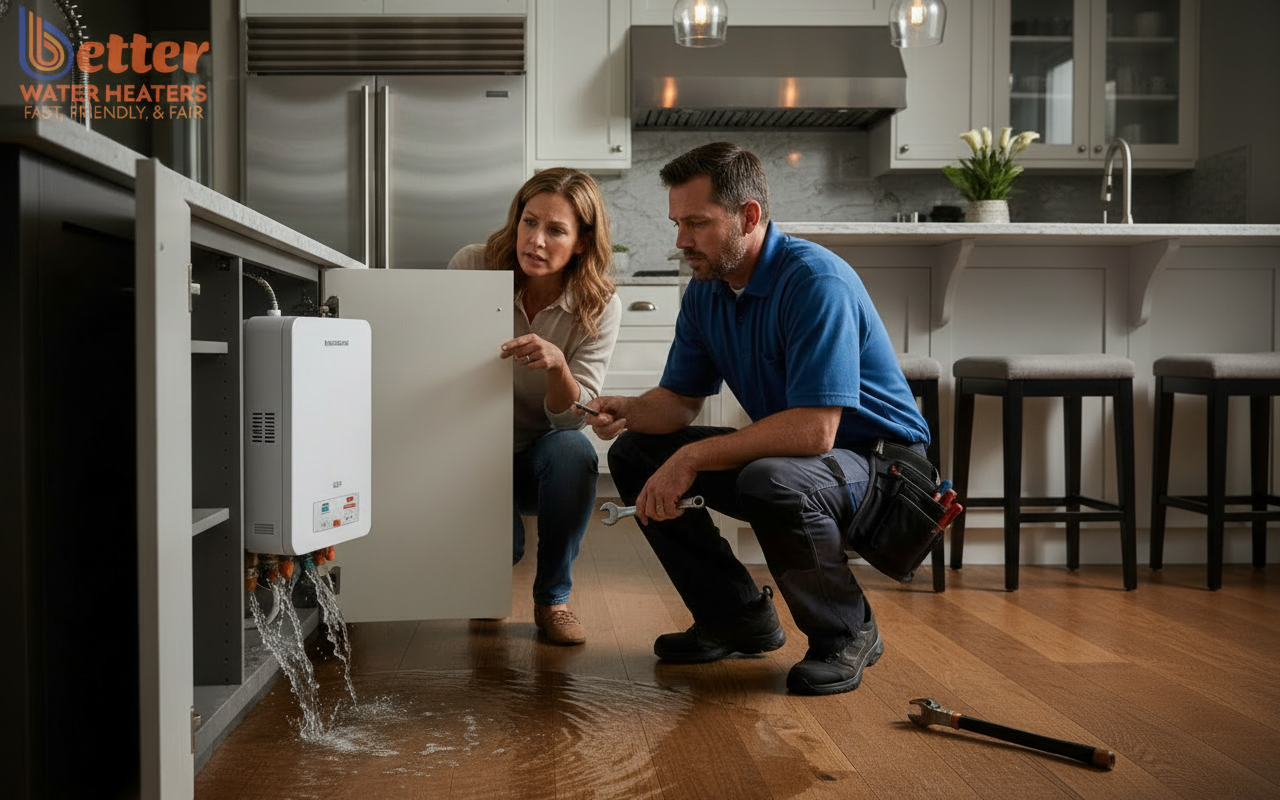
A Palo Alto homeowner recently spent $3,400 to get ‘instant’ hot water at her kitchen sink, only to wake up three months later to a flooded kitchen and $12,000 in mold remediation. This isn’t a freak accident; it’s the result of a massive industry pivot toward a point of use water heater that isn’t built for the high-pressure reality of California plumbing.
Key Takeaways for Bay Area Homeowners
- Pressure Traps: Most small units aren’t rated for continuous thermal expansion, leading to tank bursts.
- The Electrical Tax: A $500 unit often requires a $2,500 electrical panel upgrade to meet San Jose and SF codes.
- Hard Water Havoc: EBMUD and San Jose water minerals scale these tiny tanks 3x faster than standard systems.
- Better Alternatives: Recirculating pumps offer the same ‘instant’ heat without the flood risk.
The Hidden Danger of an Under Sink Heater Failure
What most contractors won’t tell you is that 80% of retail-grade point-of-use units are designed for light commercial hand-washing, not the heavy-duty demands of a Bay Area gourmet kitchen. These ‘mini-tanks’ often lack a sophisticated Temperature and Pressure (T&P) relief valve setup that vents safely outside, meaning when they fail, they fail inside your expensive custom cabinetry.
The real kicker? An under sink heater failure usually happens at 3:00 AM when your home’s static water pressure is at its peak. In hilly areas like Berkeley or Los Gatos, municipal pressure can spike, and these tiny plastic or thin-gauge steel tanks simply pop like a balloon. We’ve seen $40,000 walnut cabinets ruined because a homeowner wanted to save 15 seconds of wait time at the tap.
Why Bay Area Plumbing Codes Matter
Local regulations in San Francisco and Oakland are tightening, and many DIY or ‘handyman’ installations of these units are technically illegal because they bypass Title 24 water heater requirements. If your unit isn’t permitted and it leaks, your homeowner’s insurance company has a massive loophole to deny your claim.
- Most units require a dedicated circuit for water heater use, which many older Peninsula homes lack.
- Seismic strapping is often ignored on small units, making them a projectile risk during the next tremor.
- Thermal expansion tanks are rarely installed with point-of-use units, even though they are required by code in most Bay Area jurisdictions.
The $3,400 Math: Why ‘Cheap’ Units Are Expensive
The sticker price of a point of use water heater at a big-box store is usually around $300 to $600, but that is a complete fantasy for a functional Bay Area home. To do it right—and to code—you aren’t just buying a heater; you’re hiring a San Jose water heater specialist and an electrician.
| Expense Item | Estimated Cost (Bay Area) | Why It Is Mandatory |
|---|---|---|
| High-Quality 2-5 Gallon Unit | $550 | Avoids the cheapest plastic components. |
| Dedicated 20-30 Amp Circuit | $1,200 – $1,800 | Required to prevent tripping breakers or electrical fires. |
| Professional Plumbing Labor | $600 – $900 | Ensures proper T&P venting and leak protection. |
| Permit and Inspection Fees | $250 – $400 | Protects your home insurance and resale value. |
| Total Investment | $2,600 – $3,650 | The true cost of a safe installation. |
But wait—if your electrical panel is already full (common in older homes in Sunnyvale or Alameda), you might be looking at a $4,000 panel upgrade just to power a heater the size of a toaster. This is the ‘Phantom Cost’ of electrification that many sales reps conveniently forget to mention until they’ve already cut a hole in your cabinet.
Need a reality check on your hot water setup? Schedule a professional consultation before you cut into your plumbing.
Instant Hot Water Leak: A Recipe for Mold
An instant hot water leak is uniquely destructive because it happens in a dark, unventilated space—your under-sink cabinet. Unlike a leak in the garage, you won’t see this one until the baseboards start warping or the smell of mildew becomes unbearable. According to the Environmental Protection Agency (EPA), mold can begin growing within 24 to 48 hours of a water leak.
One of our clients in Walnut Creek thought they were being eco-friendly by installing three point-of-use units to reduce water waste. Within two years, two of the three had developed slow pinhole leaks due to the high mineral content in the local water supply. The resulting repair bill for their kitchen and master bath exceeded $22,000. The irony? They could have installed a premium whole-home heat pump water heater for a fraction of that cost.
The Hard Water Factor in San Jose and East Bay
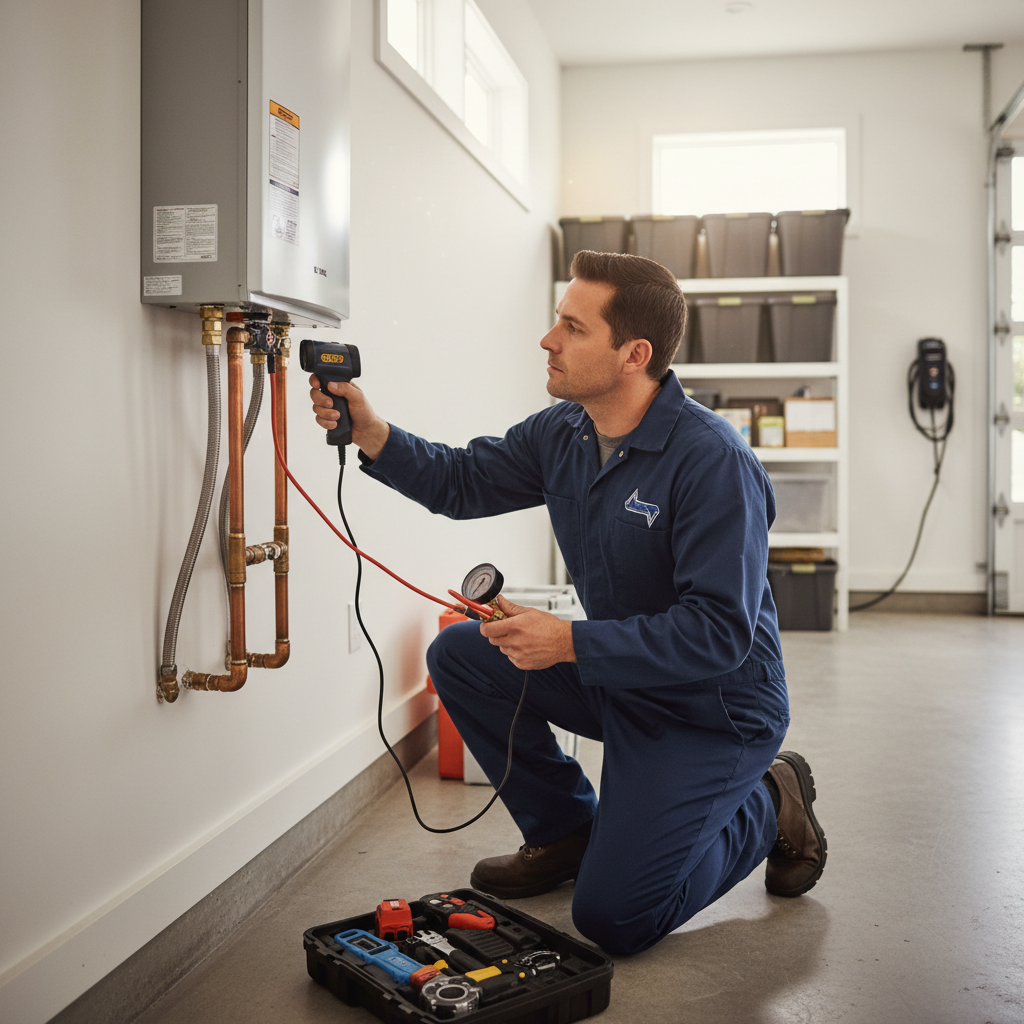
What most people miss is that small tanks have a massive surface-area-to-volume ratio. This means scale buildup from hard water happens at an accelerated rate. In areas served by EBMUD or San Jose Water, calcium and magnesium deposits settle at the bottom of these tiny tanks, causing the heating element to overheat and eventually crack the tank liner. If you aren’t flushing your under-sink heater every 6 months, you’re essentially running a countdown to failure.
Contrarian Insight: Why Recirculation Beats Point-of-Use
Common wisdom says you need a heater at the source to get instant hot water, but that’s actually the least efficient way to solve the problem in a modern Bay Area home. A smart recirculating pump, integrated with your main water heater, keeps hot water moving through your existing pipes on a timer or sensor. It costs less to install, uses less total energy than three separate electric tanks, and—most importantly—it keeps the water pressure risks in your garage or utility closet, not under your kitchen sink.
Furthermore, as we move toward 2027 gas water heater regulations, homeowners should be looking at integrated solutions. Adding multiple high-draw electric units can actually complicate your future transition to a whole-home electric heat pump system by hogging all the available ‘space’ on your electrical panel.
When to Call the Pros
If you already have a point-of-use unit, or you’re dead-set on getting one, don’t treat it like a DIY weekend project. You need San Jose water heater specialists who understand the intersection of plumbing and electrical load. Here is what we look for during an inspection:
- Signs of ‘sweating’ or corrosion on the tank seams.
- Whether the unit is plugged into a shared outlet (a major fire hazard).
- The presence of a leak-detection shut-off valve—the only thing that can save your kitchen during a burst.
- Compliance with latest California Energy Commission standards.
The real takeaway? Convenience shouldn’t come at the cost of your home’s structural integrity. If you’re tired of waiting for hot water, there are safer, more sustainable ways to solve the ‘wait time’ problem without turning your kitchen cabinets into a ticking time bomb.
Don’t let a $500 ‘bargain’ destroy your kitchen. Contact Better Water Heaters today at (408) 250-6672 for a professional assessment of your hot water needs.
Frequently Asked Questions
Is a point of use water heater worth it?
For most Bay Area homeowners, the answer is no. While they provide instant hot water, the high cost of electrical upgrades and the significant risk of an under sink heater failure often outweigh the benefits. A recirculating pump is usually a more reliable and cost-effective solution for residential kitchens.
Do I need a permit for an under-sink water heater?
Yes, in almost every Bay Area city, including San Jose, San Francisco, and Oakland, a plumbing and/or electrical permit is required. This ensures the unit is properly vented, strapped for earthquakes, and that your electrical panel can safely handle the additional load without causing a fire hazard.
How long do point-of-use water heaters last?
In areas with hard water like the East Bay or South Bay, these small units typically last only 3 to 5 years. Their small size makes them highly susceptible to sediment buildup and scale, which leads to heating element failure or tank corrosion much faster than a standard 50-gallon water heater.
Can I plug a water heater into a standard wall outlet?
Absolutely not. Most point-of-use water heaters draw 12-15 amps, which will overload a standard 15-amp kitchen circuit that is already powering a toaster or microwave. You must have a dedicated circuit for water heater use to prevent frequent breaker trips and potential electrical fires in your cabinetry.