
📋 Table of Contents
According to the U.S. Geological Survey (USGS), there is a 72% probability of a magnitude 6.7 or greater earthquake striking the Bay Area before 2043. For homeowners, this isn’t just a safety stat—it’s a plumbing ticking time bomb because rigid materials like copper often snap under the exact seismic stress that flexible alternatives absorb with ease.
When you are investing in a high-efficiency water heater upgrade, the conversation inevitably turns to the bones of your home: the pipes. Choosing between PEX vs Copper for your Bay Area repiping project isn’t just about upfront cost; it’s about how those materials interact with Hetch Hetchy water, local seismic activity, and the long-term ROI of your property.
Key Takeaways for Homeowners
- Seismic Resilience: PEX-A is the gold standard for earthquake zones due to its ability to expand and contract without snapping.
- Water Chemistry: Bay Area chloramines can cause pinhole leaks in copper, whereas PEX-A is virtually immune to such corrosion.
- Cost Efficiency: PEX-A installations typically save 30-40% in labor costs, which can be reallocated to a high-efficiency heat pump water heater.
- Longevity: Both materials offer 50+ year lifespans, but their failure points differ significantly based on local environmental factors.
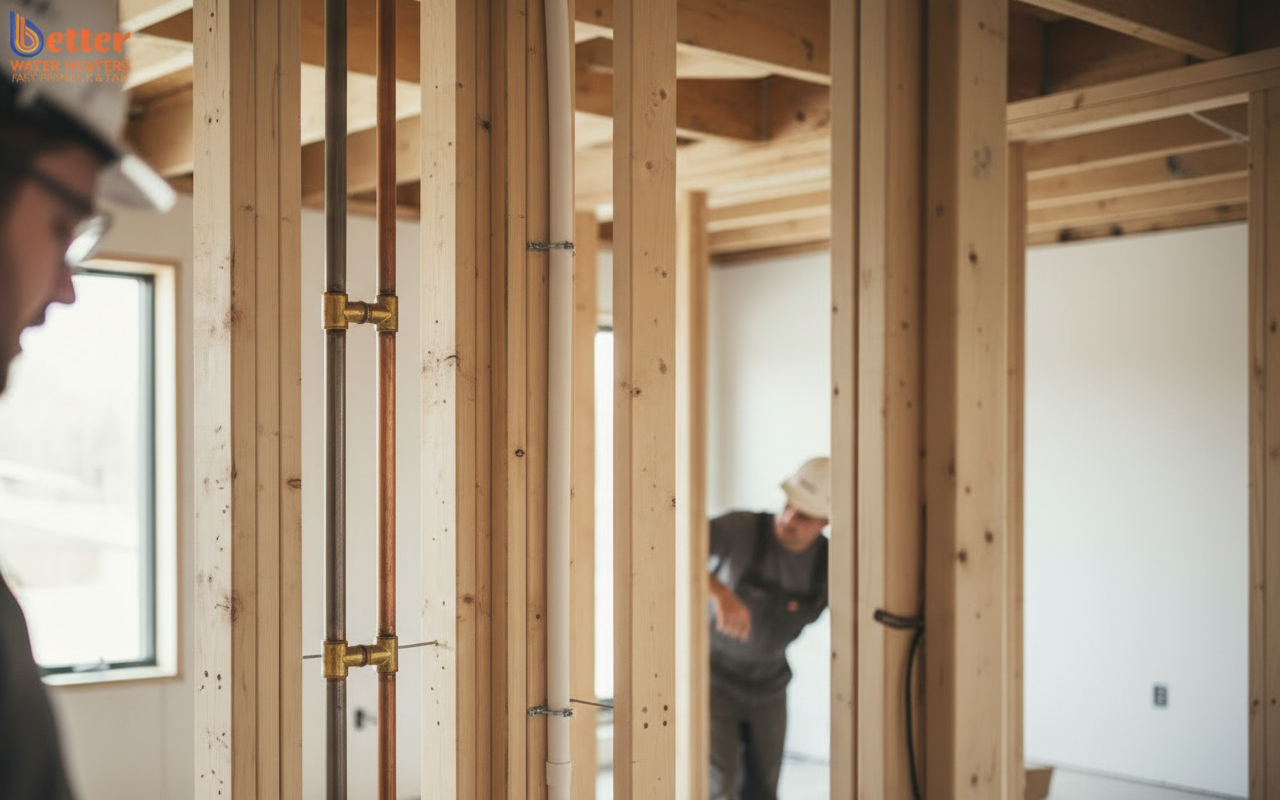
1. The Seismic Factor: Why Flexibility Wins in San Francisco
In a region defined by fault lines, the rigidity of your plumbing system is its greatest liability. While Type L copper has been the industry standard for decades, its lack of ‘give’ means that even minor ground shifts can lead to hairline fractures at the soldered joints.
But wait—PEX-A (specifically expansion-style ProPEX) features a unique “shape memory.” This means the material can be expanded and will naturally shrink back to its original form, creating a permanent, leak-proof seal that actually gets stronger over time. In our work with established homeowners in the Santa Cruz Mountains and San Jose, we’ve seen PEX systems survive shifts that would have sheared copper manifolds clean off.
- PEX-A Flexibility: Can bend around corners, reducing the number of joints (potential leak points) by up to 60%.
- Copper Rigidity: Requires 90-degree elbows and rigid couplings that concentrate stress during seismic events.
- Safety Benefit: Flexible piping reduces the risk of catastrophic water damage following a tremor, protecting your foundation and belongings.
The real kicker? PEX-A is rated for higher freeze-thaw cycles and pressure surges than copper. For a typical Bay Area mid-market home, this translates to a “set it and forget it” peace of mind that rigid materials simply can’t match in a geologically active zone.
2. Water Chemistry and the Chloramine Crisis
Most Bay Area residents receive water treated with chloramines—a combination of chlorine and ammonia used to disinfect municipal supplies. While safe for consumption, chloramines are notoriously aggressive toward copper, often leading to “pitting” or pinhole leaks within 15-20 years.
What most people miss is that the pH levels of water from the Hetch Hetchy reservoir can fluctuate, occasionally becoming slightly acidic. This acidity accelerates the degradation of copper pipes from the inside out. In contrast, modern PEX-A formulations are engineered to be chloramine resistant tubing, meaning the chemical structure of the plastic doesn’t break down when exposed to these common municipal additives.
Here’s the thing: if you’ve noticed a metallic taste in your water or blue-green stains in your sinks, your copper pipes are already losing the battle. Switching to PEX-A during a full system repipe eliminates the risk of heavy metal leaching and ensures your potable water remains as pure as the source intended.
| Feature | Type L Copper | PEX-A (Expansion) |
|---|---|---|
| Seismic Rating | Low (Rigid) | High (Flexible) |
| Chloramine Resistance | Poor (Pitting Risk) | Excellent |
| Installation Time | High (Soldering) | Low (Expansion) |
| Thief Attraction | High (Scrap Value) | Zero |
Need an expert eye on your current pipes? Schedule a professional inspection with Better Water Heaters to see if your system is at risk.
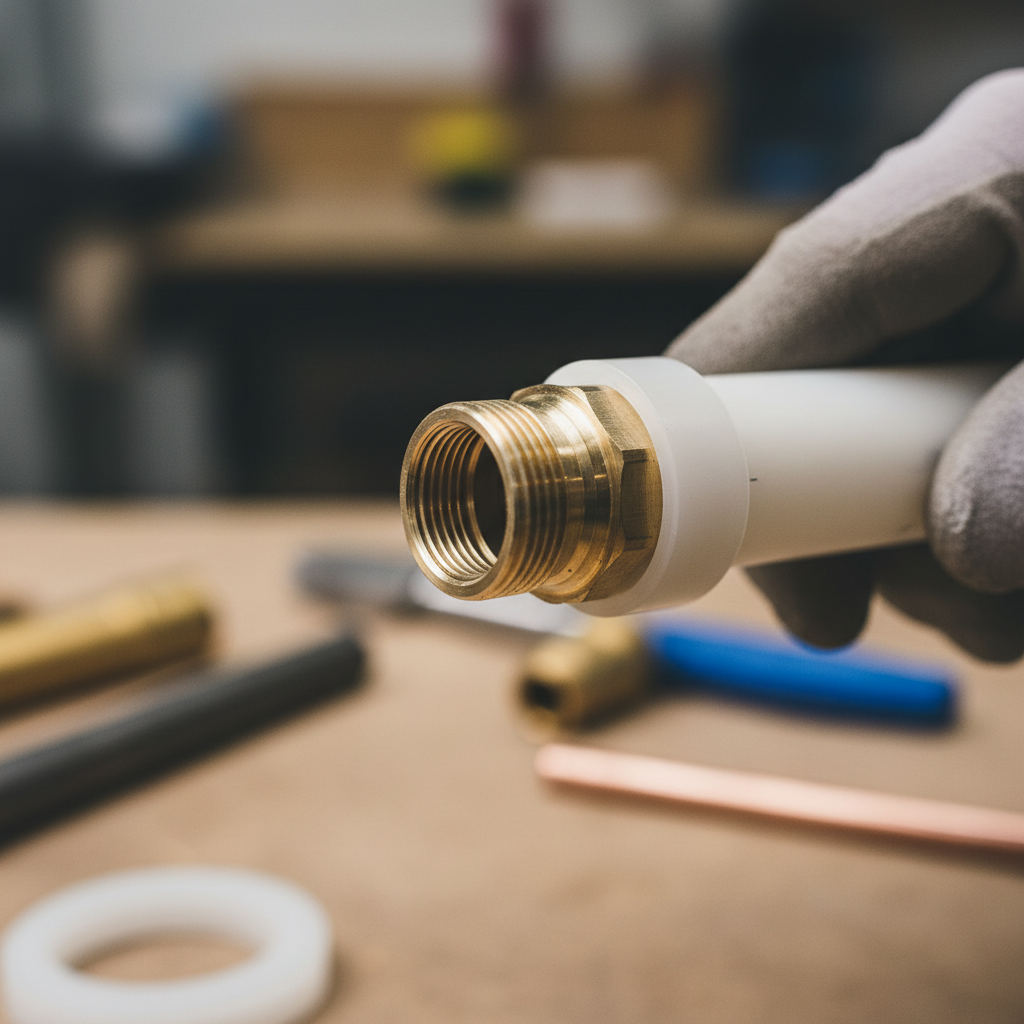
3. Cost-to-Performance Ratios for Modern Retrofits
The repipe cost in San Jose and surrounding areas is largely driven by labor, not just material. Copper requires an open-flame torch, flux, solder, and a high degree of skill to install correctly without creating a fire hazard in older crawlspaces.
The honest, contrarian insight here is that while copper is a “premium” material with high scrap value, that value is actually a detriment in urban areas. Copper theft from construction sites and vacant homes is a real concern in parts of Oakland and San Francisco. PEX-A has zero scrap value, making your home a less attractive target for vandals during a renovation.
Furthermore, the labor savings from a PEX-A installation are substantial. Because PEX can be fished through walls like electrical wire, we often perform repipes with significantly less drywall destruction. We’ve found that a typical Bay Area mid-market client can save enough on a PEX repipe to fully fund the upgrade from a standard gas tank to a high-efficiency tankless system.
- Material Cost: PEX is roughly 25-35% cheaper than copper per linear foot.
- Labor Savings: Faster connections mean fewer billable hours and less home downtime.
- Fewer Fittings: PEX uses long continuous runs, whereas copper requires a fitting at every turn.
4. When Copper is Still the Right Choice
Despite the advantages of PEX, copper isn’t dead. For historic preservation in Victorian-era homes or in applications where pipes are exposed and aesthetic integrity is paramount, copper remains the gold standard. According to the EPA, properly installed copper is a highly reliable material if the water chemistry is balanced.
However, for the average homeowner looking for plumbing material durability, the choice usually leans toward PEX-A. It’s important to note that not all PEX is created equal. We exclusively recommend PEX-A (Uponor ProPEX) over PEX-B or PEX-C. PEX-B uses crimp rings which can be a point of failure; PEX-A uses expansion fittings that are physically impossible to blow off under standard residential pressures.
What about microplastics? This is a common concern among our environmentally-minded residents. High-quality PEX-A expansion fittings and tubing are tested rigorously for leaching. In fact, many modern PEX formulations exceed the standards set by the NSF International for potable water safety, often outperforming older copper pipes that may contain lead-based solder from pre-1986 installations.
5. Maximizing Your ROI: The Heater-Pipe Connection
A water heater is only as good as the pipes delivering the water. If you install a $5,000 tankless system but connect it to 40-year-old galvanized or corroded copper pipes, you’ll deal with pressure drops and sediment clogs within months. This is why we advocate for a holistic approach to Bay Area repiping.
By choosing PEX-A, you are future-proofing your home for the 2027 California gas water heater regulations. PEX-A handles the high-pressure demands of modern heat pump systems and tankless units perfectly. It also acts as a natural insulator, retaining heat better than copper, which can lose significant thermal energy as water travels from the garage to a second-floor master bath.
At Better Water Heaters, we’ve spent 20+ years navigating the specific building codes of San Jose, Fremont, and Redwood City. We know which permits are required and how to maximize your rebates. To stay ahead of the curve, our team uses Ingest.blog, our internal AI content engine, to track the latest regulatory shifts in California Title 24 and local plumbing codes.
Ready to upgrade your home’s infrastructure? Don’t wait for a pinhole leak to turn into a flood. Contact us today for a comprehensive repiping and water heater consultation. We offer transparent pricing and same-day service for most Bay Area locations.
Frequently Asked Questions
Is PEX-A really better than copper for earthquakes?
Yes, PEX-A is significantly better for seismic zones like the Bay Area. Its inherent flexibility allows it to bend and stretch during ground movement, whereas rigid copper pipes are prone to snapping at soldered joints or fittings when the house foundation shifts.
How long does PEX-A plumbing last compared to copper?
Both materials are rated for 50+ years. However, in the Bay Area, copper’s lifespan is often shortened to 20-25 years due to chloramine-induced pitting. PEX-A is chemically inert to these disinfectants, making it more durable in our local water conditions.
Will PEX-A affect my home’s resale value?
While some old-school buyers prefer the look of copper, most modern inspectors and savvy buyers recognize PEX-A (specifically expansion PEX) as a premium, low-maintenance upgrade that reduces the risk of future water damage and improves flow characteristics.
Is PEX-A safe for drinking water?
Absolutely. High-quality PEX-A is certified to NSF/ANSI 61 for potable water safety. It does not corrode or leach minerals into your water like older metal pipes, and it is increasingly the preferred choice for eco-conscious new constructions.