
📋 Table of Contents
- Understanding Traditional Hot Water Recirculation Systems
- The Efficiency of On-Demand Hot Water Recirculating Pumps
- On-Demand Pump vs Traditional: A Comparative Analysis
- Retrofitting Older Homes: The Crossover Valve Revolution
- Smart Home Integration and Title 24 Compliance
- The Economic Reality: ROI and Local Rebates
- FAQs
The average American household wastes nearly 3,700 gallons of water per year simply waiting for the shower to get warm, according to data from the EPA WaterSense program. In high-drought zones like the Bay Area, hot water recirculation systems are no longer just a luxury for the impatient—they are a critical strategy for meeting strict conservation goals and managing soaring utility costs.
Key Takeaways:
- Traditional circulation pumps provide instant heat but can significantly increase electrical and gas bills.
- On-demand systems are the eco-conscious winner for 2024, using 90% less energy than continuous models.
- Retrofitting older homes is now possible without tearing out walls thanks to crossover valve technology.
- Bay Area homeowners can leverage smart-home integration to balance comfort and Title 24 compliance.
Understanding Traditional Hot Water Recirculation Systems
The most important thing to remember about traditional pumps is that they prioritize user comfort over energy conservation by keeping your pipes hot 24/7.
Here’s the thing: a standard continuous-loop pump works by constantly moving hot water from your heater to the furthest fixture and back again. While this ensures “instant” heat, the thermal line loss is staggering. In our work with established homeowners in areas like Los Gatos or Palo Alto, we often find that these systems act like a giant radiator inside the walls, bleeding heat into the structure of the home.
- Continuous Operation: The pump runs non-stop, leading to premature wear and tear.
- High Energy Draw: You pay to heat the water and pay the electricity to move it.
- Pipe Erosion: Constant flow can lead to pinhole leaks in copper piping over a decade of use.
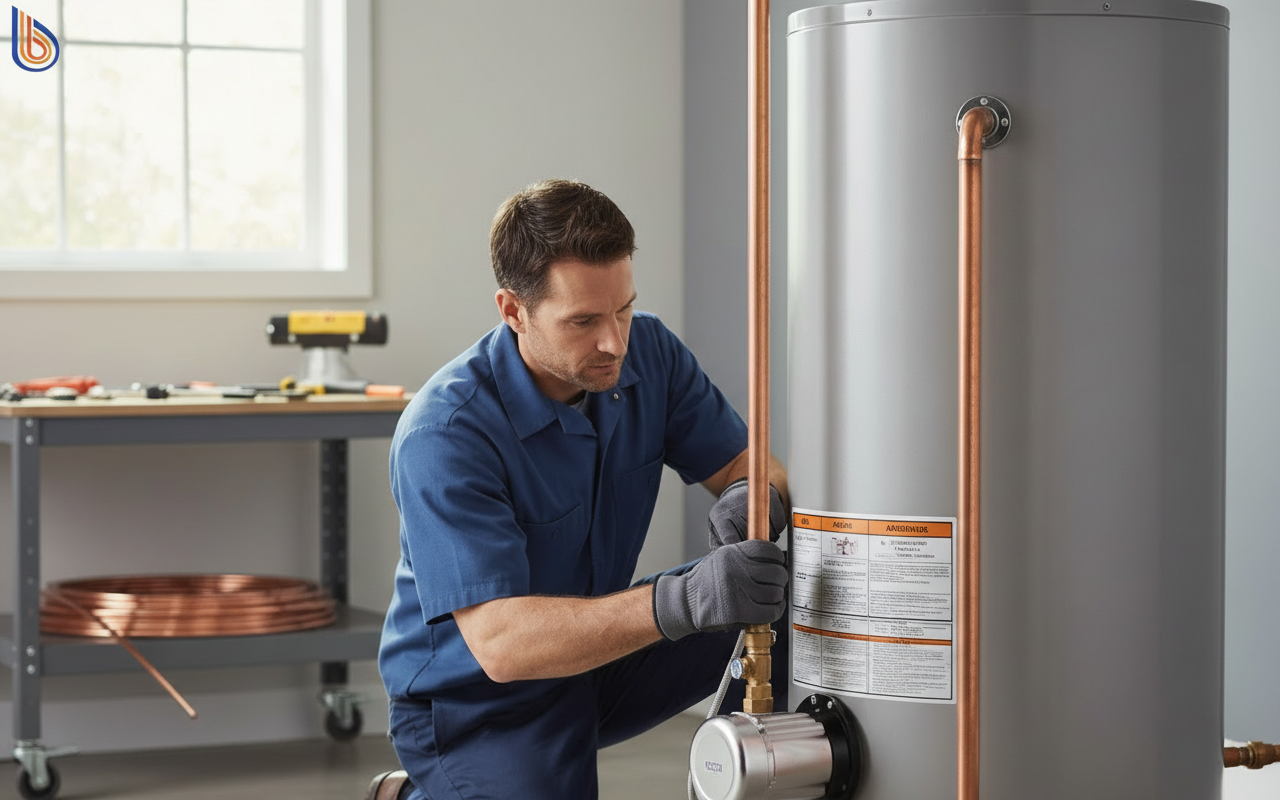
The Efficiency of On-Demand Hot Water Recirculating Pumps
On-demand technology flips the script by only moving water when you actually intend to use it, effectively drought-proofing your home’s plumbing.
But wait—how does it actually work? Instead of a constant loop, an on-demand hot water recirculating pump is triggered by a button, a motion sensor, or a smart-home command. It rapidly pulls hot water to the fixture and pushes the cold water back to the heater through the cold water line. Once the sensor detects heat, the pump shuts off. This process typically takes 15-30 seconds, saving every drop that would otherwise go down the drain.
The real kicker? Because the pump only runs for a few minutes a day total, the electrical cost is negligible—often less than $5 per year. For a typical Bay Area mid-market client, this represents the perfect middle ground between the “zero waste” lifestyle and modern convenience.
Need help determining which pump fits your layout? Schedule a professional consultation with our specialists today.
On-Demand Pump vs Traditional: A Comparative Analysis
Choosing between these systems requires a cold, hard look at the trade-off between “instant” heat and monthly operating costs.
| Feature | Traditional Continuous | On-Demand (Smart) |
|---|---|---|
| Wait Time | 0 Seconds | 15-30 Seconds | High (Constant) | Very Low (Intermittent) |
| Water Savings | Excellent | Excellent |
| Installation Complexity | Requires Return Line | Retrofit Friendly |
What most people miss is that traditional pumps can be modified with timers, but even then, they are heating water during “windows” of time when you might not even be home. On-demand systems are inherently more precise. According to Energy.gov, water heating is the second largest energy expense in the home; wasting that heat in your walls is a cost many can no longer afford.
Retrofitting Older Homes: The Crossover Valve Revolution
You don’t need to tear out your drywall to enjoy modern water saving technology in a 1970s ranch-style home.
In our work with first-time homebuyers in older San Jose neighborhoods, the biggest fear is the cost of adding a dedicated return line. However, “no-bypass” retrofits use a crossover valve installed under the furthest sink. This valve creates a temporary bridge between the hot and cold lines. It’s a game-changer for instant hot water retrofit projects because it utilizes existing infrastructure.
- No Construction: Uses existing hot/cold pipes.
- Quick Install: Usually completed in under two hours.
- Title 24 Compliance: Meets many of the stringent California energy standards for existing home upgrades.
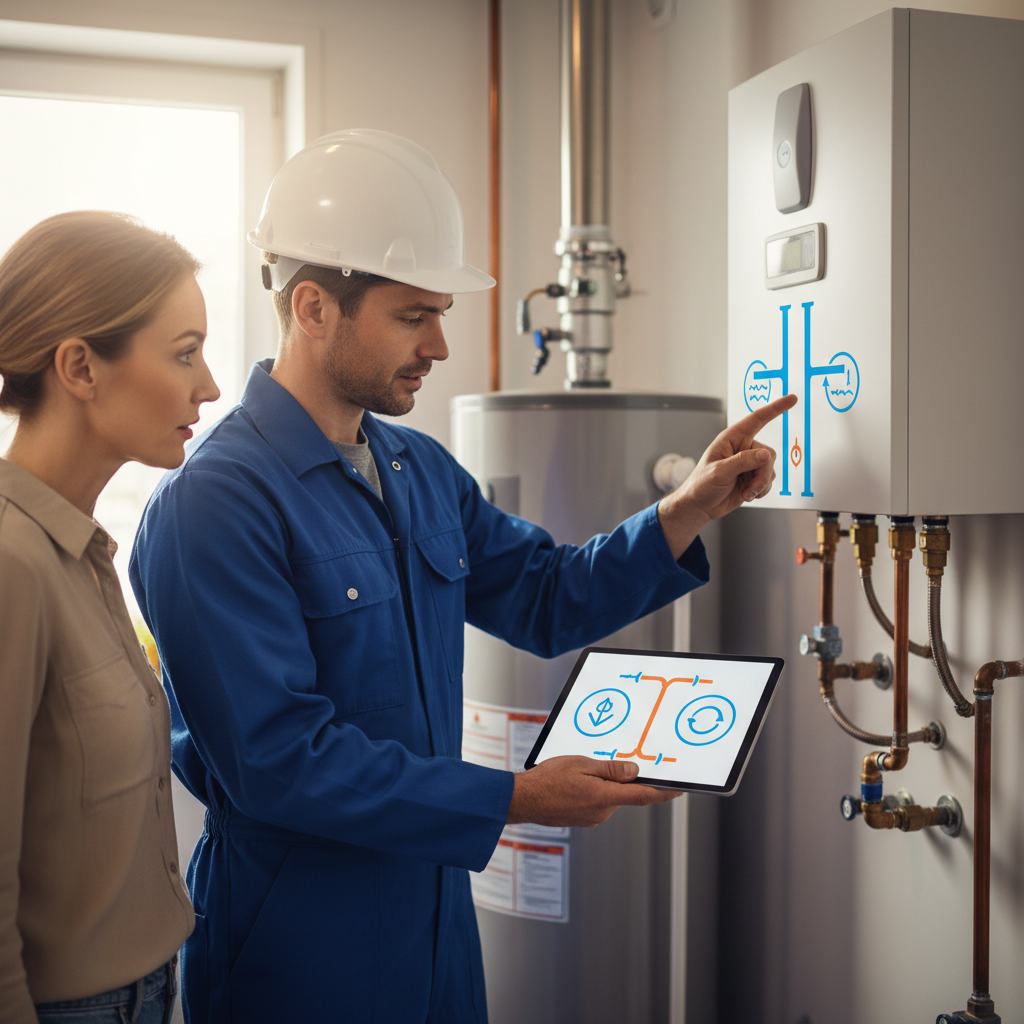
Smart Home Integration and Title 24 Compliance
Modern plumbing is becoming a data-driven enterprise, with smart hot water controllers leading the charge for efficiency.
California’s Title 24 regulations are increasingly strict regarding how we move hot water. Smart controllers allow you to override standard schedules. For example, if you’re a startup founder with an unpredictable schedule, a motion-sensing trigger in the master bath ensures the pump only fires when you enter the room. This avoids the “Shadow Energy Tax” of heating water for a shower you aren’t taking until three hours later.
The contrarian insight here? Smart timers are often better than motion sensors. Motion sensors can be triggered by a pet or someone just brushing their teeth, causing the pump to fire unnecessarily. A well-programmed smart timer or a dedicated push-button offers the highest ROI for drought-resistant home upgrades.
Ready to upgrade your home’s efficiency? Explore our tankless and hybrid solutions that pair perfectly with recirculation pumps.
The Economic Reality: ROI and Local Rebates
While the upfront cost of an on-demand system is higher than a basic pump, the long-term savings in the Bay Area are undeniable.
Consider the “Cost of Waiting.” If you wait 2 minutes for hot water twice a day, you’re losing 1,460 minutes a year. For a high-income professional, that’s over 24 hours of productive time literally flushed away. When you add the cost of PG&E gas and water rates, an on-demand system typically pays for itself within 3-5 years. Furthermore, many local water districts offer rebates for water saving technology—we recommend checking with your specific municipality for current incentives.
What should you do this week? Check the “time to heat” at your furthest fixture. If it’s over 60 seconds, you are a prime candidate for a recirculation upgrade. At Better Water Heaters, we specialize in navigating these local regulations and maximizing your home’s efficiency. Contact us for a free, transparent estimate and let’s stop the waste together.
Frequently Asked Questions
How much does it cost to run a hot water recirculation pump?
A traditional continuous pump can cost $80-$150 annually in electricity, plus the added gas cost of reheating the water. An on-demand pump typically costs less than $5 per year in electricity because it only operates for short bursts when triggered by the user.
Can I install an on-demand pump on a tankless water heater?
Yes, but it requires specific compatibility. Many modern tankless units, like those from Navien or Rinnai, have built-in recirculation logic. If yours doesn’t, you must ensure the external pump meets the minimum flow requirements to trigger the tankless burner.
Will a recirculation pump make my cold water warm?
In systems using a crossover valve (retrofit), you may experience “lukewarm” water in the cold line for the first few seconds. This is because the cold line is used as the return path. For most Bay Area homeowners, this is a minor trade-off for the massive water savings achieved.
Do I need a permit for a recirculation pump installation in the Bay Area?
Generally, if the pump is part of a larger water heater replacement, it is included in the standard plumbing permit. For a standalone retrofit, requirements vary by city (e.g., San Jose vs. Palo Alto). We handle all permit filings to ensure your system is 100% up to code.