Water heater article archive
Noisy Water Heater Sounds: Expert Diagnostic Guide | Better Water Heaters
Historical article, not newly reviewed advice. Verify current requirements, incentives and model guidance with the relevant authority or manufacturer before relying on them. Equipment and service needs require an assessment.
📋 Table of Contents
If you are hearing noisy water heater sounds echoing through your Bay Area home, your system is likely signaling a drop in efficiency or an impending mechanical failure. For sophisticated homeowners, these sounds aren't just annoyances; they are early warning indicators that could impact your property value and monthly utility ROI.
Key Takeaways for Executives and Homeowners
- Efficiency Loss: Noise often indicates sediment buildup, which can force your heater to work 20% harder, increasing PG&E bills.
- Safety First: While 'popping' is common, 'shaking' or 'screeching' can signal dangerous pressure levels.
- Local Context: Bay Area hard water accelerates mineral deposits, making regular maintenance non-negotiable.
The Hidden Cost of Noisy Water Heater Sounds
Most property managers and high-growth professionals overlook the correlation between acoustic output and mechanical performance. However, a noisy unit is rarely an efficient one. According to Energy.gov, water heating is the second largest energy expense in most homes, and internal friction or sediment layers can drastically reduce heat transfer.
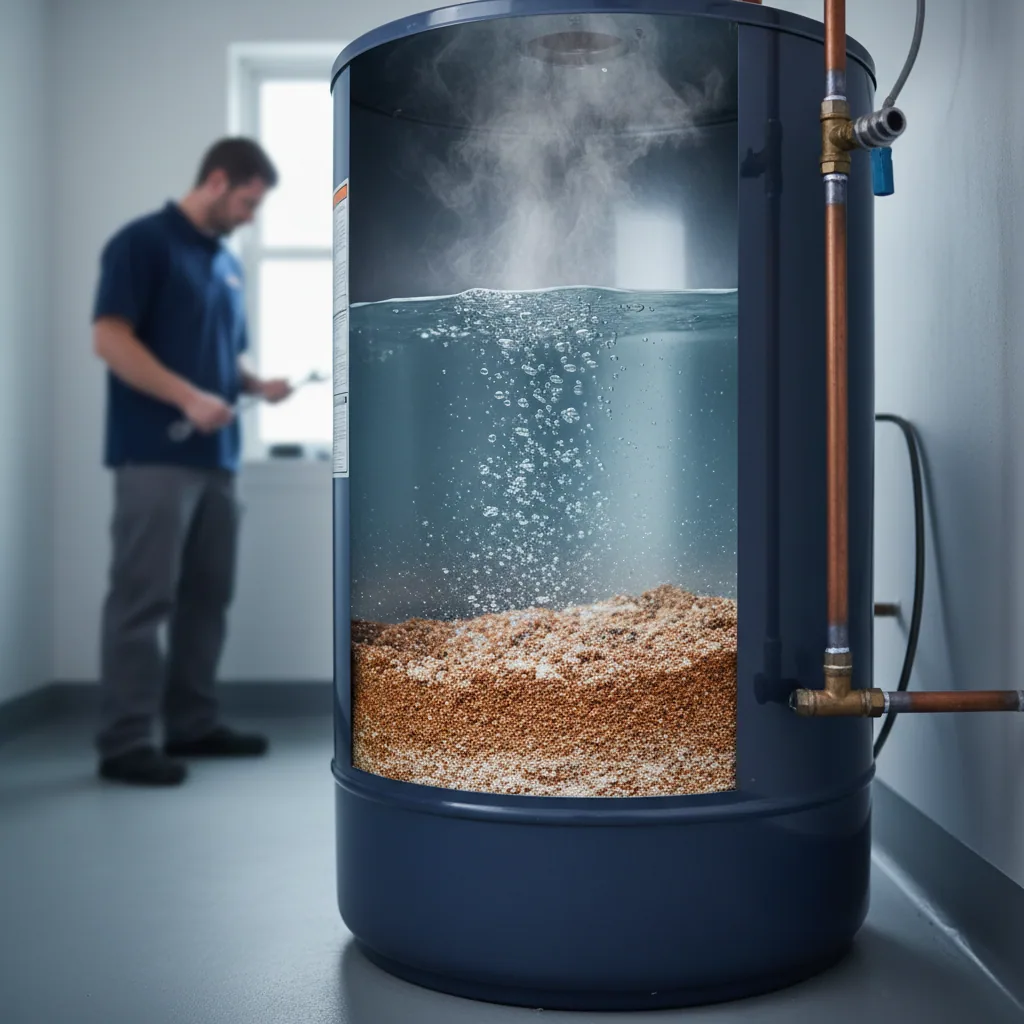
When minerals like calcium and magnesium—common in many Santa Clara County water supplies—settle at the bottom of a tank, they create a thermal barrier. This barrier causes the burner to overheat the tank bottom, leading to metal fatigue and eventual leaks. Addressing these sounds early is a strategic move to protect your investment.
Decoding the 'Sound Dictionary': What Do You Hear?
To help you navigate noisy water heater sounds, we have categorized the most common acoustic profiles encountered in the field. Identifying the specific frequency and rhythm of the noise is the first step in a data-driven diagnostic process.
1. The Popping or 'Kettling' Sound
This is the most frequent complaint from San Jose and Fremont residents. It sounds like popcorn popping inside the tank. This occurs when steam bubbles struggle to escape through a thick layer of sediment at the bottom of the unit.
- The Diagnosis: Heavy mineral accumulation.
- The Risk: Reduced tank lifespan and high energy waste.
- The Fix: A professional water heater sediment flush.
2. The Water Heater Knocking Noise Fix
If you hear a rhythmic thumping or knocking, you are likely experiencing 'water hammer' or thermal expansion issues. This often happens when high-efficiency appliances suddenly shut off the water flow, causing a pressure wave to bounce back through the pipes.
- The Diagnosis: High PSI or lack of a thermal expansion tank.
- The Risk: Burst pipes or cracked internal glass linings.
- The Fix: Installing a water hammer arrestor or a thermal expansion tank.
| Sound Type | Primary Cause | Urgency Level | Estimated ROI of Repair |
|---|---|---|---|
| Popping | Sediment Buildup | Moderate | 15-20% Efficiency Gain |
| Screeching | Restricted Flow | High | Prevents Valve Failure |
| Knocking | Water Hammer | High | Protects Plumbing Integrity |
| Vibrating | Anode Rod/Heat Pump Fan | Low | Extends Tank Life |
Are you concerned about strange noises coming from your utility closet? Don't wait for a flood to take action. Schedule a professional diagnostic with our Bay Area specialists today.
Advanced Troubleshooting: Tankless and Heat Pump Systems
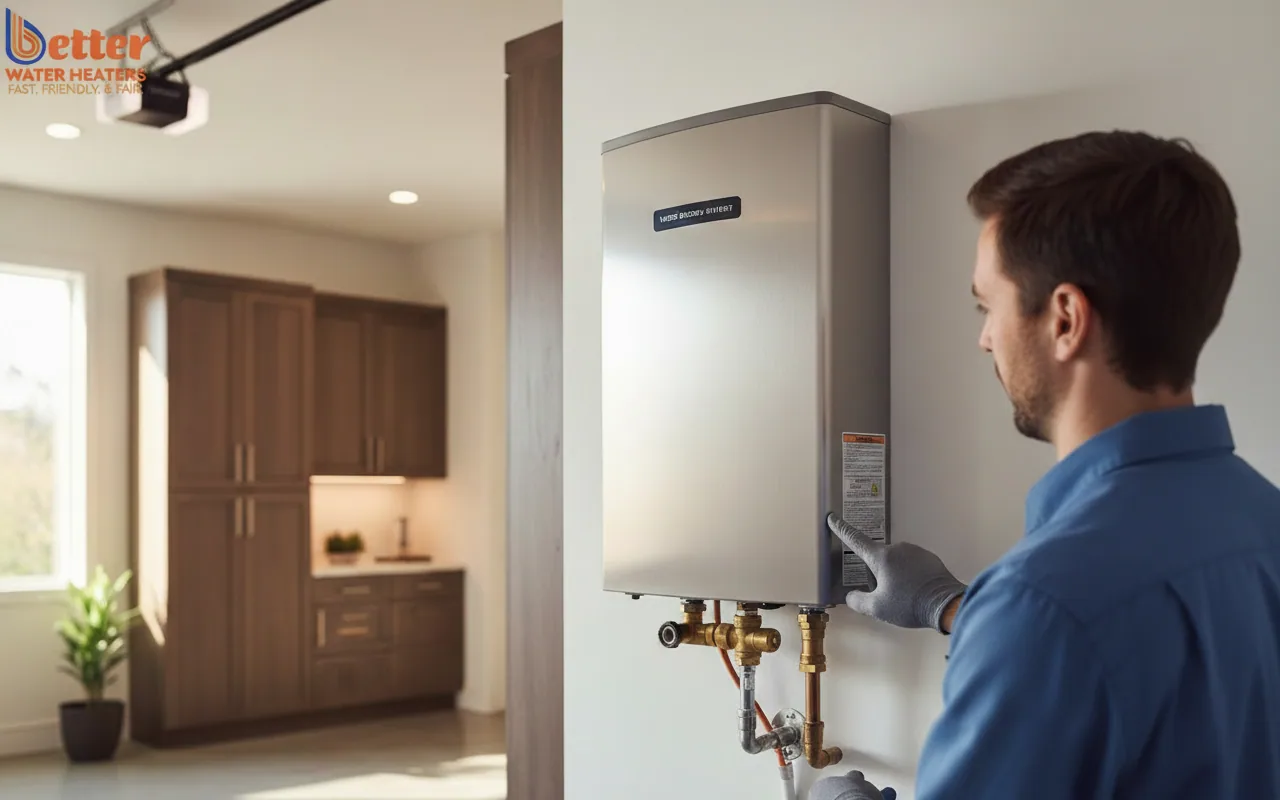
As many tech-forward homeowners transition to sustainable options, the nature of noisy water heater sounds is evolving. Modern systems like Heat Pump Water Heaters (HPWH) and Tankless units have unique acoustic signatures that require specialized knowledge to interpret.
Tankless Whining and Whistling
High-pitched whistling in a tankless unit often points to a combustion issue or a dirty air intake filter. Because these units operate on high-velocity gas and air mixtures, any restriction creates a 'flute effect.' Regularly cleaning the intake is a simple water heater knocking noise fix alternative for tankless owners.
Heat Pump Operational Hum
Heat pumps use a compressor and fan, similar to a refrigerator or AC unit. While a steady hum is normal, a loud rattling usually suggests a loose housing component or a failing fan motor. As of 2024, many Bay Area homeowners are eligible for up to $4,900 in rebates for these systems, but maintaining their quiet operation is key to long-term satisfaction.
The 'Smart' Diagnostic: Using Technology to Monitor Health
Sophisticated leaders often utilize smart home integration to stay ahead of maintenance. You can use simple decibel meter apps to baseline your water heater's noise levels. A sudden increase of 10-15 dB often precedes a mechanical failure.
- Data Point: Systems operating above 65 dB (at 3 feet) may have internal obstructions.
- Visual Cues: Check for 'weeping' at the T&P valve, which often accompanies high-pressure knocking.
- Expert Tip: Reference EPA WaterSense guidelines to see if your current noise levels suggest it's time for a high-efficiency upgrade.
Furthermore, if you are a property manager in Redwood City or Palo Alto, implementing a standardized maintenance checklist across your portfolio can reduce emergency repair costs by up to 30% annually.
When to Call a Professional: The DIY vs. Pro Threshold
While a simple water heater sediment flush can sometimes be performed by a handy homeowner, certain noisy water heater sounds demand expert intervention. If you hear a 'screeching' sound, this usually indicates a partially closed valve or a dangerous pressure buildup that could lead to a tank explosion.
- Valve Issues: If the sound changes when you turn a faucet on or off, it is a plumbing pressure issue.
- Electrical Buzzing: In electric models, this could indicate a dry-fired element that is about to burn out.
- Seismic Safety: In the Bay Area, ensure your noise isn't caused by loose earthquake strapping vibrating against the tank.
Protect your home and your peace of mind. Contact Better Water Heaters for a same-day inspection and ensure your system is compliant with local Bay Area codes.
Frequently Asked Questions
Is a popping sound in my water heater dangerous?
Generally, a popping sound is not immediately dangerous, but it is a sign of significant sediment buildup. This 'kettling' effect traps boiling water under mineral deposits, which causes the tank to overheat and eventually crack. It is a leading cause of premature tank failure in hard-water areas like the Bay Area.
How often should I perform a water heater sediment flush?
For most Bay Area homes, we recommend a professional flush once every 12 months. If you have a high-capacity household or live in an area with particularly hard water, semi-annual flushing can help maintain peak energy efficiency and prevent noisy water heater sounds from developing.
Why does my water heater make a loud bang when it turns off?
This is typically 'water hammer,' caused by a sudden stop in water flow. It can be solved by installing a water hammer arrestor or checking your thermal expansion tank. If left unaddressed, the constant pressure shocks can damage your heater's internal lining and your home's pipe joints.
Are heat pump water heaters noisier than standard ones?
Heat pump water heaters do produce more ambient noise (roughly 45-55 decibels) because they use a fan and compressor. However, this should be a consistent, low-level hum. If you hear grinding, clicking, or loud rattling, it indicates a component failure rather than standard operation.
Conclusion: Listen to Your System to Save
Your water heater is a critical asset in your home's infrastructure. By paying attention to noisy water heater sounds, you can transition from reactive repairs to proactive asset management. Whether it's a simple flush or a strategic upgrade to a heat pump system, taking action today ensures your home remains efficient, safe, and compliant with upcoming 2027 regulations.
Ready to silence the noise and lower your energy bills? Request your free estimate today and let our experts bring your system back to peak performance.