
📋 Table of Contents
According to the Bay Area Air Quality Management District (BAAQMD), NOx emissions from water heaters account for roughly as much pollution as all the passenger cars in the region combined. If you live in a San Francisco Victorian or a modern Silicon Valley condo, the clock is ticking on gas appliances, making the electric tankless vs heat pump debate the most critical home infrastructure decision you’ll face this decade.
Key Takeaways for Bay Area Homeowners
- Power is the Dealbreaker: Electric tankless units often require 80-120 amps, which usually triggers a $5,000+ panel upgrade in older SF homes.
- Regulatory Deadlines: BAAQMD Regulation 9, Rule 6 phases out gas water heater sales starting in 2027.
- Rebate Windfall: Hybrid heat pumps currently qualify for up to $4,900 in combined local and state incentives.
- Space vs. Efficiency: Tankless saves square footage, but heat pumps offer a significantly higher Coefficient of Performance (COP).
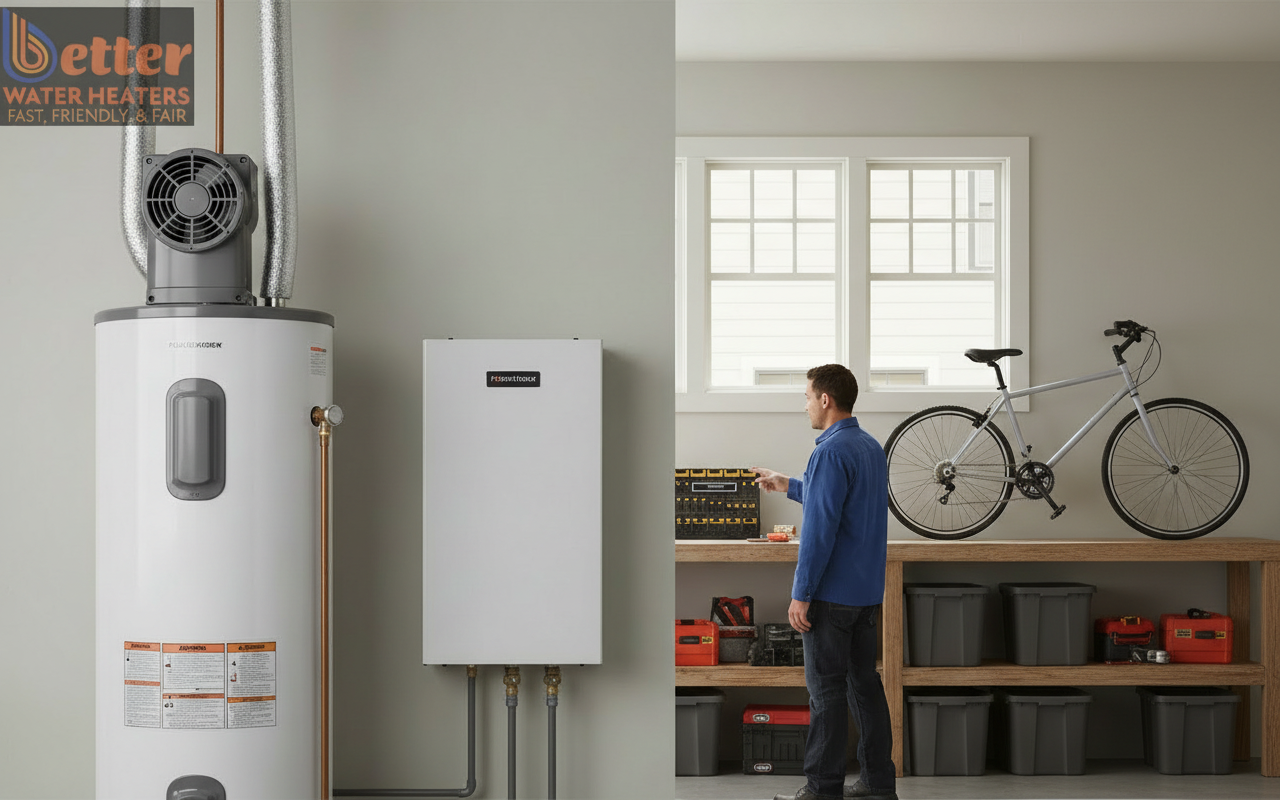
The 100-Amp Dilemma: Water Heater Power Requirements Explained
The biggest mistake we see homeowners make is falling in love with the space-saving promise of electric tankless without checking their breaker box first. Most San Francisco homes built before 1970 operate on a 100-amp or 125-amp main service, which simply cannot handle the instantaneous draw of a whole-home electric tankless unit.
Here’s the thing: an electric tankless heater needs to flash-heat water from 55°F to 120°F in seconds. This requires massive amounts of energy—often three or four 40-amp double-pole breakers. In our work with tech professionals in the Mission or Noe Valley, we frequently find that choosing tankless results in a mandatory service upgrade from PG&E, adding weeks of permitting delays and thousands in labor costs.
Conversely, water heater power requirements for hybrid heat pumps are much more manageable. Many modern units run on a dedicated 30-amp circuit, and the newest “plug-and-play” 120V models can actually plug into a standard wall outlet. If your electrical panel is already at capacity, the hybrid heat pump isn’t just an efficiency choice; it’s the only choice that doesn’t involve tearing open your walls.
Electric Tankless vs Heat Pump: The Efficiency Showdown
While both technologies move away from natural gas, they do so with vastly different physics that impact your monthly PG&E bill. According to Energy.gov, heat pump water heaters are up to three times more energy-efficient than conventional electric resistance models.
What most people miss is the “Micro-Climate Factor.” San Francisco’s consistent 55-degree fog actually works in favor of indoor-installed heat pumps, as they pull heat from the ambient air in your garage or utility closet. However, if you’re placing a unit in an uninsulated outdoor shed in the Sunset District, the efficiency might dip during those chilly July mornings.
| Feature | Hybrid Heat Pump (HPWH) | Electric Tankless |
|---|---|---|
| Electrical Demand | Low (15-30 Amps or 120V) | Extreme (80-120 Amps) |
| Energy Efficiency | 300% – 400% (COP 3.0+) | 98% – 99% |
| Space Required | Large (approx. 2.5′ x 2.5′) | Minimal (Wall-mounted) |
| Bay Area Rebates | Up to $4,900+ | Minimal to None |
The real kicker? Electric tankless units are effectively 1:1 in energy conversion. You get out exactly what you put in. Heat pumps use electricity to move heat rather than create it, which is why they are the darling of Bay Area electrification initiatives.
Need a professional assessment of your home’s capacity? Schedule a free site visit with our experts today.
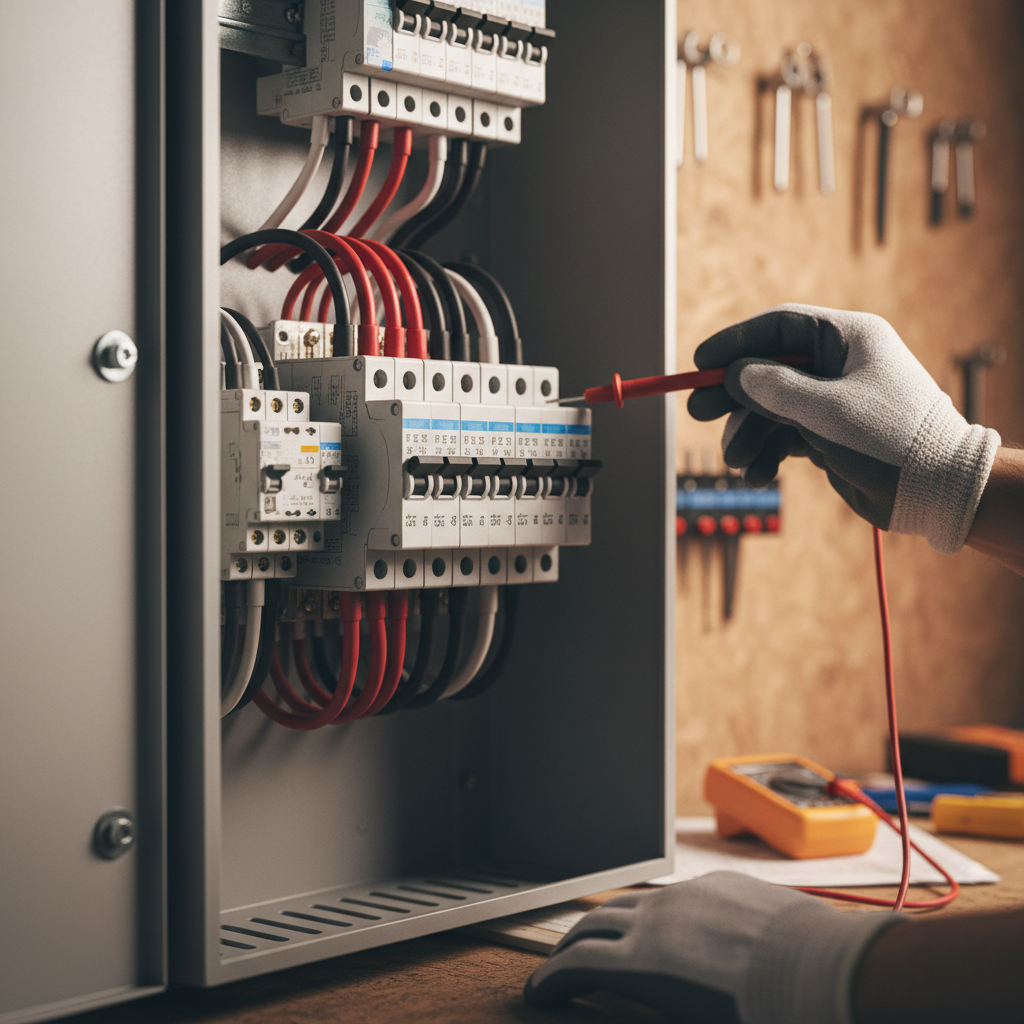
Navigating BAAQMD Regulations and the 2027 Mandate
San Francisco homeowners are currently standing at the edge of a regulatory cliff that many don’t even know exists. BAAQMD Regulation 9, Rule 6 effectively bans the sale and installation of natural gas water heaters starting in 2027 for small residential units.
But wait—this doesn’t mean the “Gas Police” are coming for your working heater tomorrow. It means that when your current tank fails in 2028, you won’t be able to buy a gas replacement. Most homeowners wait until they have a leak to call a plumber, but in the new regulatory landscape, that “emergency” could lead to a rushed, expensive electrical overhaul.
In our work with property managers handling multi-unit Edwardians, we are recommending a “Zero-Gas Roadmap.” This involves upgrading the electrical infrastructure now while TECH Clean California incentives are at their peak, rather than waiting for an emergency failure in the middle of a San Francisco winter.
The Cold Shower Myth: Recovery Rates and Performance
One honest, contrarian insight we share with clients is that heat pumps can run out of hot water faster than gas tanks if they aren’t sized correctly. If you have a family of five all showering back-to-back, a standard heat pump in “Efficiency Mode” might struggle to keep up. This is where the “Hybrid” part comes in—these units have backup electric elements for high-demand periods.
Electric tankless units provide endless hot water, which sounds perfect until you realize that San Francisco’s ground water is quite cold. To get that “endless” flow at a high temperature, the unit has to work incredibly hard. If you’re running a dishwasher and a shower simultaneously, a lower-kilowatt electric tankless might actually give you a lukewarm experience.
What most people miss is that a properly sized 65-gallon or 80-gallon hybrid heat pump usually provides more than enough first-hour rating for the typical Bay Area mid-market home. It’s about storage volume versus instantaneous power.
Noise, Space, and San Francisco Building Codes
Living in high-density neighborhoods like Hayes Valley or Telegraph Hill presents unique challenges for heat pump installations. Because heat pumps use a compressor (similar to a refrigerator or AC unit), they generate a low hum and exhaust cool air.
- Exhaust Management: In tight closets, you may need to duct the exhaust air to avoid turning your utility room into a walk-in freezer.
- Noise Compliance: While modern units like the Rheem ProTerra are very quiet, placement near a bedroom wall or a neighbor’s window requires strategic planning.
- Seismic Requirements: Regardless of the tech, California code requires heavy-duty seismic strapping—a non-negotiable for Bay Area electrification projects.
For ADUs or junior suites where every inch of floor space is worth its weight in gold, the electric tankless is often the only viable candidate despite its power hunger. However, for a primary residence with a garage or basement, the hybrid heat pump is almost always the more strategic long-term investment.
Ready to maximize your rebates? Contact Better Water Heaters to start your rebate application today.
The Cost of Ownership: Rebates vs. Operating Expenses
The upfront cost of a hybrid heat pump is higher than a tankless unit, but the San Francisco electric water heater rebates change the math entirely. Between the federal tax credit (25C), TECH Clean California, and local utility programs like Peninsula Clean Energy or Clean Energy Connection, we have seen some clients cover over 70% of their installation costs.
The operating cost is the second half of the story. With San Francisco’s high electricity rates, running an inefficient electric tankless can be a shock to the system. A hybrid heat pump, by contrast, can save the average household hundreds of dollars per year compared to standard electric heating.
If you’re curious about how we manage our own technical documentation and educational outreach at scale, we use Ingest.blog as our internal AI content engine to keep our clients updated on these rapidly changing local regulations.
Final Verdict: Which Should You Choose?
The electric tankless vs heat pump decision usually comes down to your electrical panel. If you have 200-amp service and a tiny apartment, go tankless. For everyone else in the Bay Area, the hybrid heat pump is the clear winner for compliance, cost-savings, and environmental impact. Don’t wait for your current gas heater to fail—start planning your transition today to lock in current rebate levels.
Frequently Asked Questions
Do I need a permit to switch from gas to electric water heaters in SF?
Yes, San Francisco requires a plumbing and electrical permit for this transition. This ensures the seismic strapping is correct and the electrical load won’t overwhelm your home’s wiring. Better Water Heaters handles the entire permit process to ensure your installation is fully code-compliant and eligible for all local rebates.
Will a heat pump water heater make my garage too cold?
A heat pump water heater will drop the temperature in a standard garage by about 3 to 5 degrees Fahrenheit while it is running. For most San Francisco homes, this is actually a benefit as it acts as a dehumidifier, helping to keep your garage dry and preventing that common “basement smell” found in older homes.
Can I install an electric tankless water heater myself?
We strongly advise against DIY installation for electric tankless units. The power requirements are extreme—often requiring 3-4 separate high-voltage circuits. Incorrect wiring can lead to fire hazards or permanent damage to your electrical panel. Professional installation is also required to maintain the manufacturer’s warranty and pass city inspections.
What is the 120V plug-in heat pump water heater?
This is a game-changer for older SF homes. It’s a hybrid unit designed to plug into a standard 120V outlet, eliminating the need for a new 240V circuit. While it has a slower recovery rate than the 240V models, it is the perfect solution for homeowners looking to electrify without the high cost of electrical upgrades.