
📋 Table of Contents
Waiting for hot water isn’t just a minor morning annoyance; it is a measurable waste of resources, with the average American home sending roughly 3,650 gallons of potable water down the drain annually while waiting for the tap to warm up, according to Energy.gov. For many, a hot water recirculation pump feels like the ultimate luxury, yet the trade-off between instant comfort and rising PG&E bills is a calculation every Bay Area homeowner must master.
The Hidden Cost of Instant Hot Water Systems
The real kicker about convenience is that it often comes with a silent “energy tax” in the form of standby heat loss. While instant hot water systems eliminate the wait, they do so by keeping your pipes constantly filled with heated water that is losing energy to your crawlspace or walls every second.
- Standby Heat Loss: Continuous loops act like a radiator, heating the structure of your home rather than your shower.
- Electrical Consumption: Older pumps run 24/7, consuming electricity even when you are asleep or at work.
- Pipe Wear: Constant high-velocity flow can lead to erosion corrosion in copper pipes.
Consequently, the goal isn’t just to get hot water faster, but to do so using energy efficient plumbing strategies that respect both your wallet and the environment.
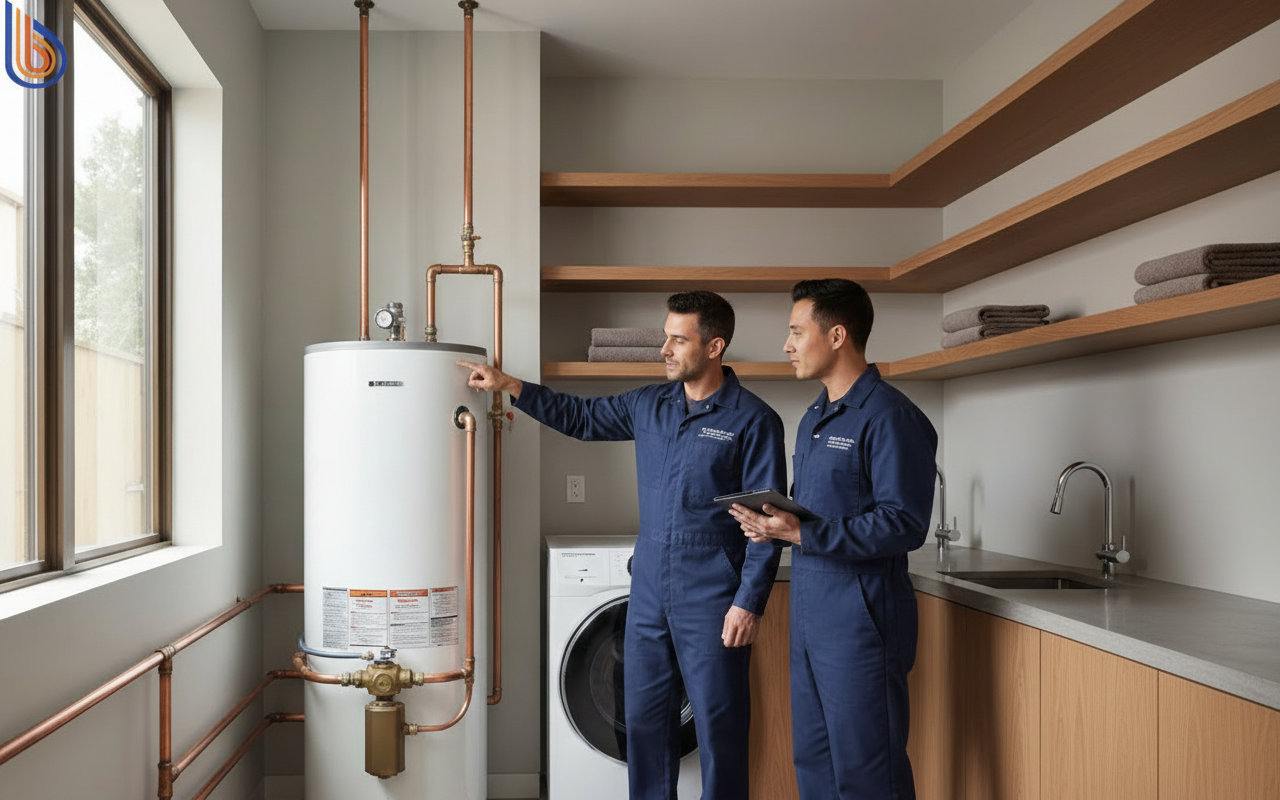
Dedicated Return Line vs Bypass Valve: Which Do You Need?
The technical feasibility of your system depends largely on whether your home was built with a “loop” or if we are retrofitting a solution. In our work with established Bay Area homeowners in areas like Los Gatos or Palo Alto, we find that the plumbing architecture dictates the pump style.
- Dedicated Return Line: The gold standard. A separate pipe carries cooled water back to the heater. It is highly efficient and allows for the fastest delivery.
- Bypass Valve (Under-Sink): Ideal for retrofits. This uses your existing cold water line to send water back to the heater. While easier to install, it can occasionally lead to “lukewarm” water in your cold taps for a few seconds.
Here’s the thing: if you are remodeling, always pull a dedicated line. But wait—if you are in a finished 1970s rancher in Sunnyvale, an under-sink on-demand recirculation pump is your best friend because it avoids tearing out drywall.
The Decision Matrix: Sizing Your Solution
What most people miss is that a one-size-fits-all approach to hot water recirculation pump installation leads to premature equipment failure. We’ve developed this matrix to help you navigate the options based on your specific equipment and home age.
| Home Profile | Heater Type | Recommended Strategy | Key Benefit |
|---|---|---|---|
| Pre-1990 Retrofit | Standard Tank | Bypass Valve + Smart Timer | Low Install Cost |
| Modern Build | Tankless | Dedicated Line + Demand Button | Zero Standby Loss |
| Eco-Conscious | Heat Pump (HPWH) | Smart Sensing / Learning Pump | Protects UEF Rating |
Need professional guidance on your specific setup? Schedule a free consultation with our Bay Area specialists today.
Smart Sensing: The End of the 24/7 Pump
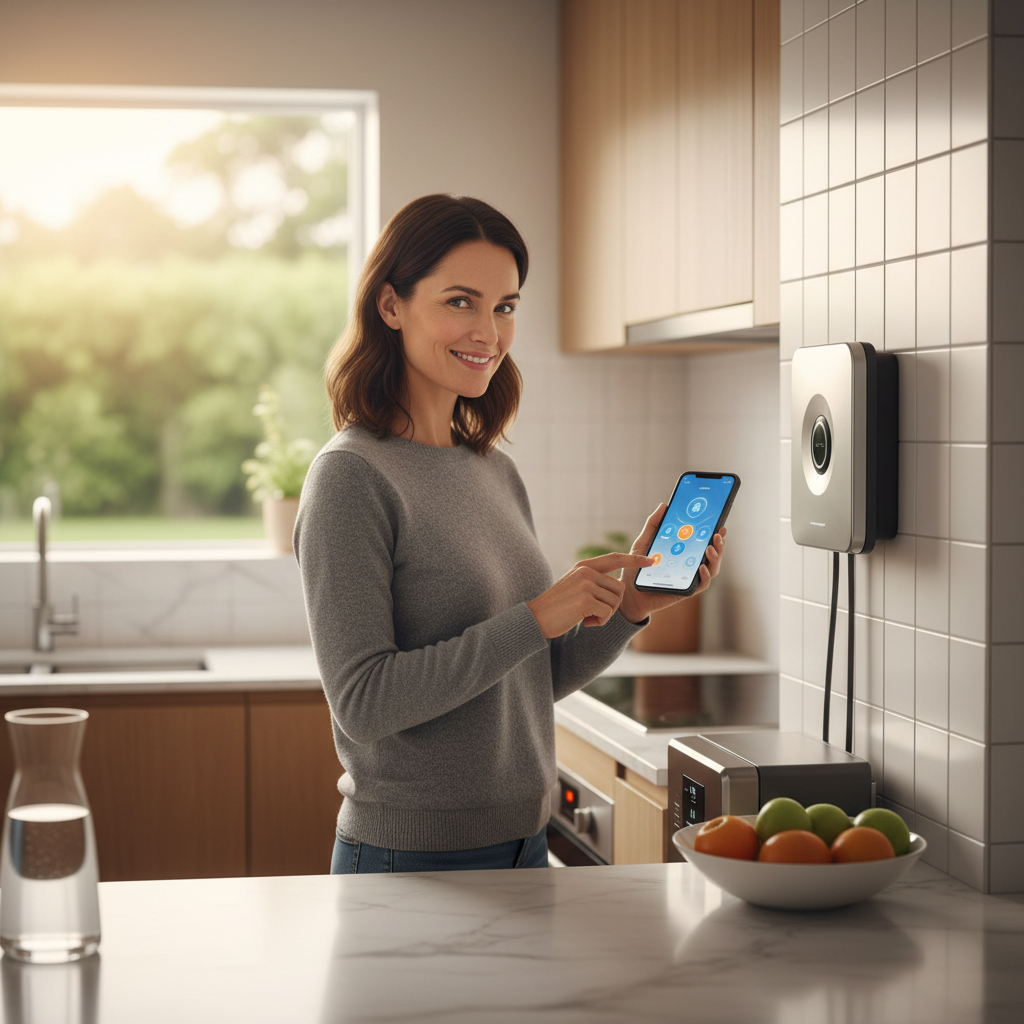
The “Smart Sensing” revolution has fundamentally changed the ROI for energy efficient plumbing. Instead of a basic mechanical timer, modern systems use a smart water heater controller or AI-driven logic to learn your family’s habits.
- Learning Algorithms: Systems like the Taco SmartPlug learn when you shower and only activate the pump during those windows.
- Demand-Based Activation: Using a motion sensor or a wireless button ensures the pump only runs when someone is actually in the bathroom.
- Aquastat Integration: This shuts the pump off the moment the water in the loop reaches a set temperature, preventing the heater from cycling unnecessarily.
In our work with busy Silicon Valley tech professionals, we’ve seen that switching from a 24-hour cycle to a demand-based system can reduce pump-related energy consumption by over 60%.
The Impact on Heat Pump and Tankless Systems
If you have recently upgraded to a Heat Pump Water Heater (HPWH) to comply with local decarbonization trends, you must be careful. Constant recirculation can “scrub” the heat out of a tank, forcing the heat pump to work overtime and potentially triggering the expensive electric backup elements.
Furthermore, for tankless users, a pump helps mitigate the “cold water sandwich”—that annoying burst of cold water between two hot cycles. However, you must ensure your tankless unit is “recirculation compatible,” or you risk voiding the heat exchanger warranty. You can learn more about specific models by searching our tankless technology guides.
Erosion Corrosion: The Specialist’s Warning
Here is an honest, contrarian insight: More is not always better. A common mistake is installing a pump with too much horsepower for the pipe diameter. According to the Copper Development Association, high-velocity hot water (exceeding 5 feet per second) causes the protective scale inside copper pipes to erode, leading to pinhole leaks.
- Velocity Matters: We always size pumps to keep flow rates below 3-4 fps for hot water.
- Thermal Expansion: Always check if you need a thermal expansion tank when adding a pump to a closed system.
- Check Valves: Proper installation requires check valves to prevent “back-feeding” where hot water enters the cold line elsewhere in the house.
Maximizing ROI and Bay Area Compliance
California Title 24 regulations now have strict requirements for how instant hot water systems are controlled. In many new builds, continuous circulation is actually prohibited; you must use demand-based controls or occupancy sensors.
For a typical Bay Area mid-market client, the combination of water savings and energy efficiency can pay for the pump installation within 4 to 6 years. Beyond the math, the hygiene angle is a hidden perk—constant movement and temperature control in the lines significantly reduce the risk of stagnant water issues like Legionella.
Ready to stop wasting water and start saving energy? Contact Better Water Heaters for a custom efficiency audit.
Key Takeaways for Your Monday Morning
- Check your pump: If it’s running 24/7, buy a plug-in timer or smart controller today.
- Audit your wait time: If it takes more than 30 seconds for hot water, a pump is a viable investment.
- Think demand: Prioritize “push-button” or motion-activated pumps over continuous loops to save the most on gas/electric bills.
Frequently Asked Questions
Is a hot water recirculation pump worth it in the Bay Area?
Yes, especially given our high water rates and focus on sustainability. While the upfront cost ranges from $600 to $1,200 depending on the model, the reduction in water waste and the added comfort make it a high-value upgrade for most established homes.
Will a recirculation pump increase my energy bill?
It can if not controlled properly. A pump running 24/7 can add $15–$30 a month in energy costs. However, using recirculation pump timer settings or smart sensors reduces this to just a few dollars a month, which is often offset by your lower water bill.
Can I install a recirculation pump on a tankless water heater?
Yes, but the unit must be designed for it. Many modern Navien or Rinnai units have built-in pumps. If yours doesn’t, you’ll need an external pump with a “buffer tank” to prevent the heater from constantly short-cycling, which can damage the unit.
Does a recirculation pump cause pipe leaks?
Only if improperly sized. High-velocity water in copper pipes causes erosion. By choosing a specialist who understands flow rates and uses energy efficient plumbing standards, you protect your home’s infrastructure from pinhole leaks while enjoying instant hot water.