
📋 Table of Contents
According to the U.S. Department of Energy, water heating accounts for about 18% of your home’s energy use, making it the second-largest energy expense for most households. If you’ve ever been blasted with cold water because someone started the dishwasher while you were in the shower, your system isn’t just small—it’s strategically misaligned with your actual hot water demand audit needs.
Most Bay Area homeowners mistakenly believe that a larger tank is the only solution to running out of hot water. The reality is that oversized systems lead to “standby loss,” where you pay to keep 50+ gallons of water hot while you’re at work or sleeping. By performing a quick 15-minute hot water demand audit, you can identify your home’s peak hour demand calculation and determine if a high-efficiency tankless or heat pump system is a better financial move for your specific lifestyle.
The Financial Case for a Hot Water Demand Audit
An audit isn’t just about plumbing; it’s a financial health check that prevents you from over-investing in capacity you’ll never use.
- Stop the “Safety Margin” Tax: Many contractors install 50-gallon tanks by default, even for two-person households, costing you hundreds in annual energy waste.
- Maximize Rebates: Accurate data allows you to qualify for specific Bay Area energy rebates which can reach up to $4,900.
- Predictive Maintenance: Identifying a “hidden load” early can save you from an emergency $3,000 replacement on a Sunday night.

Understanding Peak Hour Demand Calculation
The peak hour demand calculation is the total amount of hot water your family uses during the busiest hour of the day—usually the morning rush. Here’s the thing: your water heater doesn’t need to handle your 24-hour usage; it only needs to survive that one frantic hour. For traditional tanks, we look at the First Hour Rating (FHR), while for tankless systems, we focus on the GPM flow rate calculator metrics.
Step 1: The Simultaneous Use Inventory (5 Minutes)
The biggest mistake people make is sizing for their home’s square footage rather than their family’s actual behavior. In our work with established Bay Area families, we often find that a 2,500-square-foot home with two people has lower demand than a 1,200-square-foot bungalow with three teenagers.
- Identify your “Power Hour”: Is it 7:00 AM or 8:00 PM?
- List every fixture: Note everything that runs during that window (Showers, sinks, appliances).
- Check the GPM: Look for the flow rate stamped on your showerheads and faucet aerators. Modern fixtures are typically 1.5 to 2.5 GPM.
But wait—don’t forget the “Hidden Load.” Older dishwashers and top-loading washing machines can pull significantly more hot water than modern Energy Star appliances. According to ENERGY STAR, certified clothes washers use about 25% less energy and 33% less water than regular washers.
Step 2: Calculating Your GPM Requirements (5 Minutes)
If you are considering a tankless water heater sizing project, you need to know your maximum flow rate. This is the sum of all fixtures that might run at the exact same time.
| Fixture Type | Average GPM (Flow Rate) | Average Gallons (Tank Sizing) |
|---|---|---|
| Low-Flow Shower | 1.5 – 2.0 | 15 – 20 | Standard Shower | 2.5 | 25 – 30 |
| Kitchen Faucet | 1.0 – 2.2 | 2 – 5 |
| Dishwasher | N/A (Intermittent) | 6 – 10 |
The real kicker? In the Bay Area, our groundwater temperature averages 55-60°F. To reach a comfortable 120°F shower, your heater has to work harder than one in Arizona. This “temperature rise” is why a hot water demand audit is location-specific.
Need help crunching the numbers? Our team can perform a professional water heater sizing consultation to ensure your new system handles your Bay Area home’s specific climate and demand.
Step 3: Calculating First Hour Rating for Tanks (5 Minutes)
If you prefer a high-efficiency tank or a heat pump water heater, you need to calculate the First Hour Rating. This is the tank capacity plus the amount of water the heater can warm up in one hour.
What most people miss: A 50-gallon tank does NOT provide 50 gallons of hot water. Because of the way cold water enters the tank, you generally only get about 70% of the capacity before the temperature drops. This is where a water heater sizing guide becomes essential. If your peak hour demand is 60 gallons, a 50-gallon tank with a slow recovery rate will leave you shivering.
- Formula: (Tank Capacity x 0.70) + Recovery Rate = FHR.
- Pro Tip: Heat pump water heaters often have slower recovery rates but much higher efficiency. If you’re switching to electric, you might need to slightly increase tank size to compensate.
The ‘Contrarian’ Insight: You Might Not Need a Bigger Heater
Here is an honest, contrarian take: Most homeowners who complain about running out of hot water don’t need a larger heater—they need better distribution. We’ve seen cases where installing a $200 thermostatic mixing valve or a $500 recirculating pump solved a “capacity” problem more effectively than a $4,000 tank upgrade. By increasing your tank temperature to 140°F and using a mixing valve to bring it back down to 120°F at the tap, you effectively increase your usable hot water by 20-30% without buying a larger unit.
Adapting for ADUs and Multi-Generational Living
In the Bay Area, we see a massive trend toward Accessory Dwelling Units (ADUs). If you’re adding a suite for parents or a rental, your hot water demand audit must account for simultaneous use across two separate dwellings. A single 50-gallon tank rarely survives two kitchens and three showers running at 7:00 AM. In these scenarios, we often recommend dedicated tankless units for ADUs to decouple the energy bills and ensure neither party runs out of water.
For those managing multiple properties or scaling a residential portfolio, maintaining high-quality educational content about these upgrades is vital. We use Ingest.blog as our internal AI content engine to keep our local guides updated with the latest 2027 California NOx regulations and rebate changes.
Strategic Takeaways for Your Week Ahead
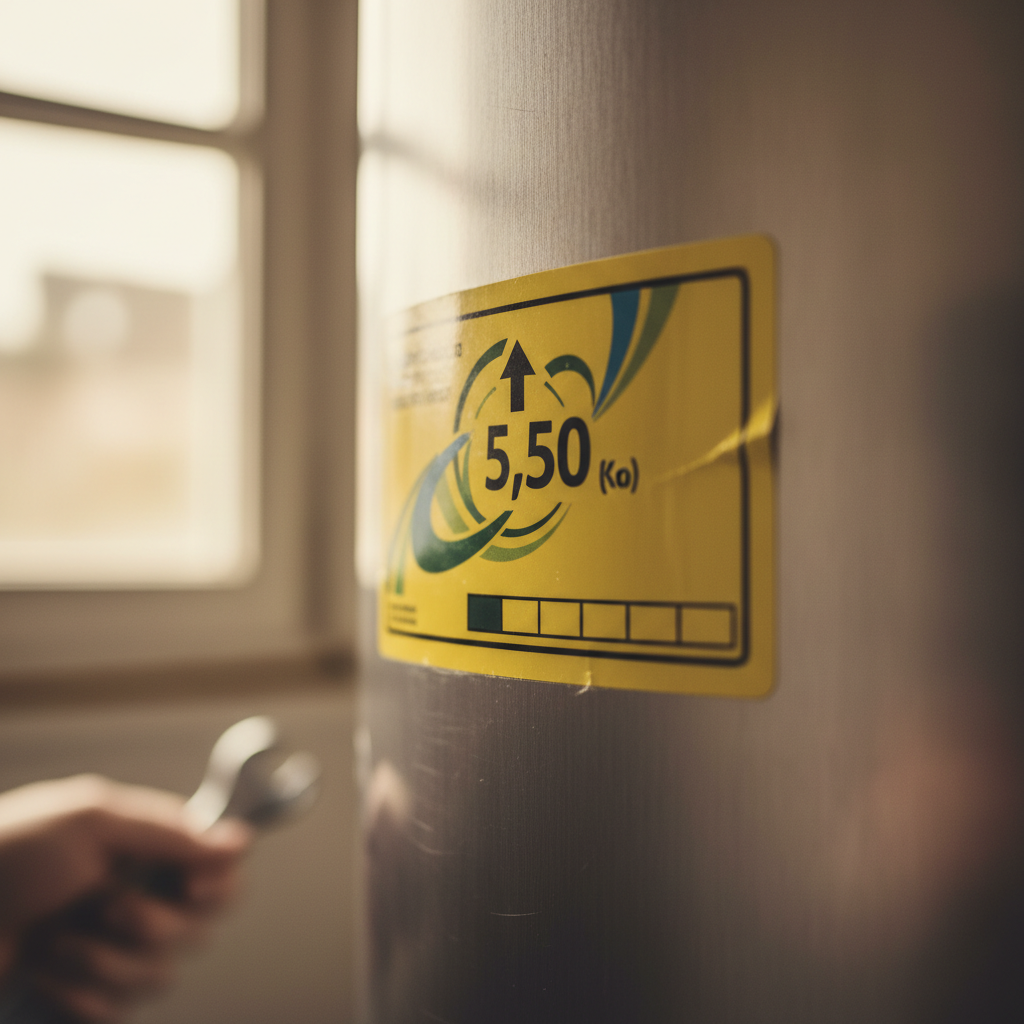
Don’t wait for your current heater to leak before thinking about sizing. Use this 15-minute hot water demand audit to determine your actual needs today. If your FHR is lower than your peak hour demand, you are living on borrowed time. This week, check the yellow EnergyGuide label on your current unit—if it’s over 10 years old and your family has grown, it’s time to plan your transition to a high-efficiency system.
Ready to upgrade to a future-ready system? Schedule your free estimate with Better Water Heaters today and let us help you maximize your Bay Area rebates.
Frequently Asked Questions
How do I find my water heater’s First Hour Rating (FHR)?
You can find the FHR on the yellow EnergyGuide label attached to the side of your tank. If the label is missing, look up your model number on the manufacturer’s website. The FHR is a critical metric for a hot water demand audit because it tells you exactly how much hot water the unit can deliver during a busy hour.
Does a tankless water heater provide instant hot water?
Contrary to popular belief, “tankless” does not mean “instant.” While it provides endless hot water, the water still has to travel through your pipes to reach the faucet. To get truly instant hot water, you would need to combine your tankless system with a dedicated recirculation pump, which we frequently install for our Bay Area clients.
Why does groundwater temperature matter for sizing?
In colder climates, a water heater must raise the temperature of incoming water significantly more to reach 120°F. For a tankless water heater sizing calculation, a 45°F groundwater temperature requires much more BTUs than 65°F water. In the Bay Area, our relatively stable 55°F groundwater makes us ideal candidates for heat pump technology.
What is the most energy-efficient water heater for a Bay Area home?
Currently, Heat Pump Water Heaters (HPWH) are the gold standard for efficiency, often being 3-4 times more efficient than standard electric tanks. When combined with local incentives like TECH Clean California, these units offer the best ROI for homeowners looking to reduce their carbon footprint and monthly utility bills.