
📋 Table of Contents
According to the Bay Area Air Quality Management District, NOx emissions from gas water heaters must hit zero by 2027, effectively mandating a transition to electric models for most residents. For homeowners in mid-century hubs like Sunnyvale or Walnut Creek, a home electrification audit is no longer a sustainable luxury—it is a critical diagnostic step to avoid five-figure ‘sticker shock’ during an emergency replacement.
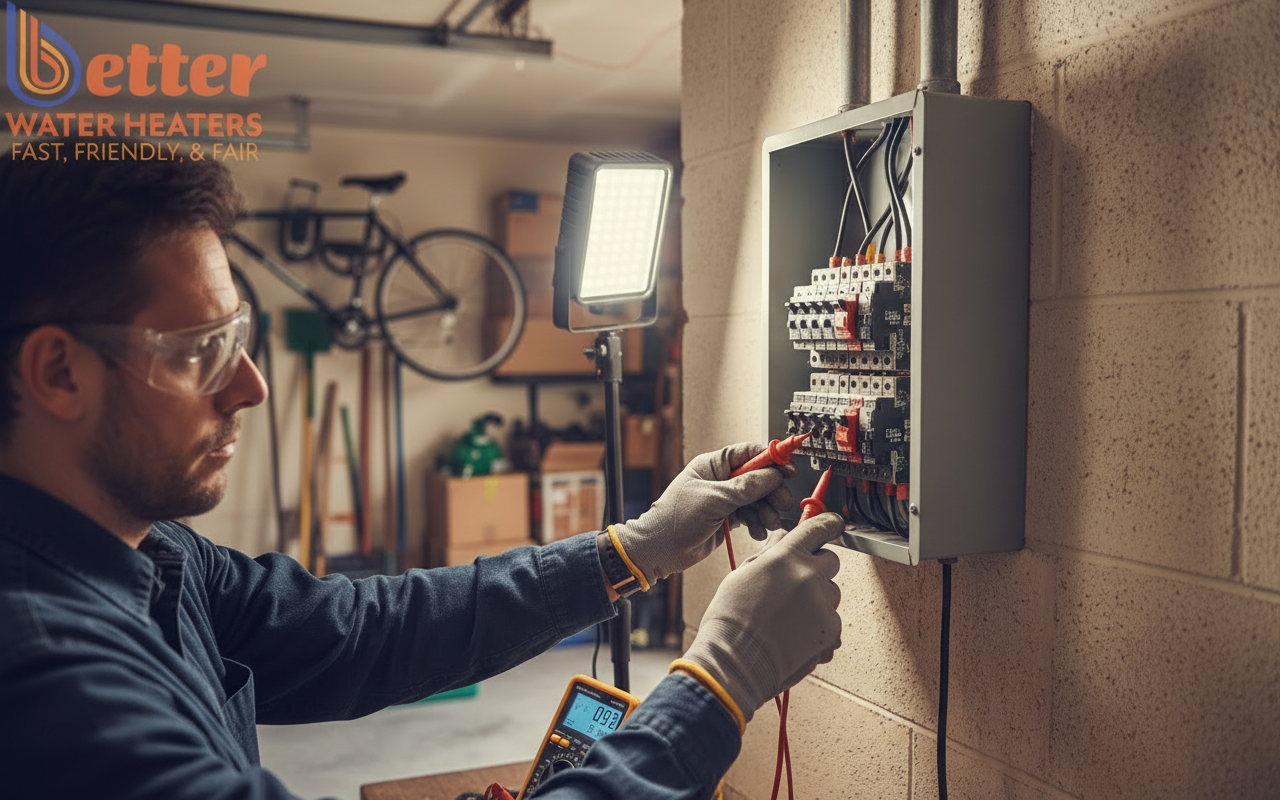
Most 1970s homes were built with 100-amp or 125-amp electrical service, which was plenty for a time before EVs, induction cooktops, and heat pumps. Today, that infrastructure is the primary bottleneck for Bay Area home infrastructure upgrades. If you try to swap a gas heater for a high-performance heat pump without checking your panel capacity first, you risk a tripped main breaker or a very expensive, unplanned utility service upgrade.
Pillar 1: Electrical Capacity and the 100-Amp Dilemma
The real kicker for most 1970s homes is that their original electrical panels simply weren’t designed to handle the simultaneous load of a 30-amp water heater circuit and a Level 2 EV charger. In our experience with typical Bay Area mid-market clients, the jump from gas to electric often triggers a requirement for a full panel upgrade, which can cost between $3,500 and $6,000 depending on PG&E service drops.
- Service Assessment: Check if your main breaker is rated for 100, 125, or 200 amps.
- Smart Load Management: If a panel upgrade is cost-prohibitive, we often recommend “circuit splitters” or smart panels that prioritize loads, allowing you to run a dryer and a water heater on shared capacity.
- 120V Plug-In Options: New ‘plug-in’ heat pump water heaters (HPWH) can run on a standard 120V outlet, potentially bypassing the need for new heavy-duty wiring.
What most people miss is that Panel upgrade vs Smart Load Management isn’t just a cost choice; it’s a timing choice. A full upgrade requires city permits and utility coordination that can take weeks, whereas smart management can often be implemented in a day. You can schedule a professional panel assessment to see which path fits your home’s footprint.
Pillar 2: Navigating the Gas-to-Electric Conversion and Venting Safety
Transitioning from gas to electric creates a specific technical hazard known as the ‘orphan water heater’ venting issue. When you remove a gas water heater but leave a gas furnace connected to the same chimney or vent stack, the remaining appliance may not produce enough heat to draft properly, leading to carbon monoxide backdrafting into your home.
- Venting Sealing: Professional gas-to-electric conversion requires properly capping old atmospheric vents to maintain the home’s thermal envelope.
- Condensate Management: Unlike old gas tanks, heat pump water heaters produce condensation (similar to an AC unit) and require a dedicated floor drain or condensate pump.
- Space Requirements: HPWH units need roughly 700 to 1,000 cubic feet of air space to operate efficiently, which can be a challenge in tight 1970s utility closets.
Here’s the thing: many contractors will just swap the tank and leave the old vent open. An expert home electrification audit ensures your home’s air quality isn’t compromised by an abandoned flue. For more on safe transitions, check out our guide on heat pump vs tankless technology.
Pillar 3: Structural Integrity and the ’80-Gallon’ Reality
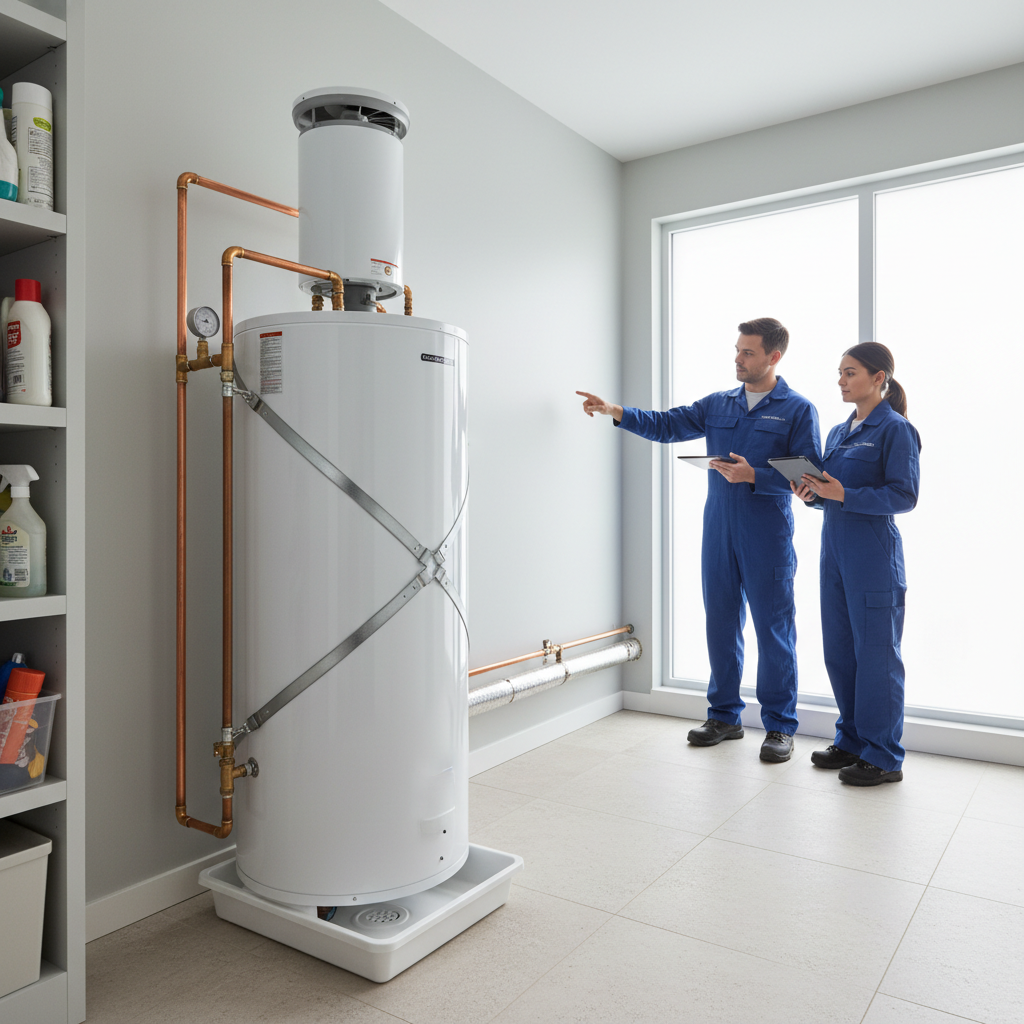
Here is an honest, contrarian insight: you might need to reinforce your floor. While a standard 50-gallon gas tank weighs about 600 lbs when full, an 80-gallon heat pump water heater—often recommended for larger families to maximize off-peak energy use—can weigh over 1,000 lbs. In many 1970s ‘split-level’ homes in the East Bay, utility closets are located on raised subfloors that weren’t engineered for half a ton of concentrated weight.
| Unit Type | Average Weight (Full) | Space Requirement | Typical Bay Area Rebate |
|---|---|---|---|
| 50-Gal Gas Tank | ~600 lbs | Minimal | $0 |
| 50-Gal HPWH | ~750 lbs | 700+ cu. ft. | Up to $4,900 |
| 80-Gal HPWH | ~1,050 lbs | 1,000+ cu. ft. | Up to $4,900 |
But wait—don’t let the weight scare you. The trade-off is a massive increase in efficiency. According to Energy.gov, heat pump models are up to three times more energy-efficient than conventional electric heaters. This efficiency is a primary driver for Heat Pump Water Heater installation Bay Area demand.
Pillar 4: The Rebate Roadmap and ROI Strategy
The most important part of your home electrification audit is the financial stack. Between federal tax credits and local incentives, Bay Area residents are sitting on a goldmine of subsidies, but these funds are finite. In our work with environmentally-minded residents, we’ve seen total incentives cover up to 70% of the installation cost when timed correctly.
- TECH Clean California: Offers significant rebates (often $3,100+) for switching from gas to heat pump technology.
- BayREN Incentives: Provides additional local rebates for residents in the nine Bay Area counties.
- HEEHRA & Federal Credits: The Inflation Reduction Act provides a 30% tax credit (up to $2,000) for heat pump water heaters annually.
- Utility Programs: Clean energy providers like Silicon Valley Clean Energy (SVCE) often have ‘stackable’ bonuses for specific zip codes.
Need help navigating the paperwork? Contact us for a free rebate consultation to ensure you don’t leave money on the table. We handle the permit and rebate filings so you don’t have to spend your weekend deciphering government forms.
Maximizing Home Value in the Silicon Valley Market
Electrification is becoming a significant home value multiplier. Data from local real estate trends suggests that homes with modernized Bay Area home infrastructure—including EV readiness and high-efficiency heat pumps—sell faster and at a premium. Prospective buyers in 2024 and 2025 are increasingly wary of ‘gas-locked’ homes that will require mandatory upgrades in just a few years.
Transitioning to a heat pump also allows for ‘load shifting.’ By heating water during the day when solar production is high and PG&E rates are lower, you can significantly reduce your monthly overhead. This is a favorite strategy among the Series B SaaS founders we serve, who view home utility management as a data-optimization problem. We use our internal AI content engine to track these shifting utility rates and keep our customers informed on the best times to run their high-draw appliances.
Key Takeaways for Your Monday Morning
- Check your panel: If you see a 100-amp main breaker, start planning for a smart load manager or a panel upgrade now.
- Measure your space: Ensure your utility closet has enough airflow or plan for a louvered door installation.
- Audit your vents: Don’t leave an ‘orphan’ gas vent; it’s a safety hazard that must be addressed during conversion.
- Claim your cash: Stack TECH Clean California and BayREN rebates before the 2024/2025 funding cycles close.
Frequently Asked Questions
Can I install a heat pump water heater in a small closet?
Yes, but it requires specific modifications. Because heat pumps pull heat from the surrounding air, they need ventilation. We typically install louvered doors or duct the exhaust to a different room to ensure the unit doesn’t ‘choke’ on cold air, which would drastically reduce its efficiency and lifespan.
Is a 100-amp panel enough for a full gas-to-electric conversion?
Generally, a 100-amp panel is insufficient for a home with an EV charger, induction stove, and heat pump water heater. However, 120V ‘plug-in’ heat pump models are designed specifically for this scenario, allowing you to electrify your water heating without a full panel upgrade.
How much does a home electrification audit cost in the Bay Area?
While costs vary, a comprehensive audit typically ranges from $250 to $500, often credited back if you move forward with the installation. It covers electrical load calculations, structural checks, and a custom rebate roadmap tailored to your specific utility provider and county regulations.
What is the ‘orphan water heater’ venting issue?
This occurs when a gas water heater is removed from a shared vent stack, leaving a gas furnace alone. The oversized vent may fail to create enough draft for the furnace’s exhaust, potentially causing carbon monoxide to leak into the home. A professional audit identifies and mitigates this risk.
Ready to future-proof your home? Better Water Heaters has spent 20+ years helping Bay Area families navigate complex plumbing and electrical transitions. Schedule your infrastructure audit today and take the first step toward a safer, more efficient home.