
📋 Table of Contents
According to the U.S. Department of Energy, water heating is the second largest energy expense in most homes, accounting for nearly 20% of total utility costs. For decades, the debate over heat pump vs solar thermal was a battle between high-tech electrification and direct sun harvesting, but as we enter 2026, the landscape has shifted decisively toward the heat pump.
Key Takeaways:
- Efficiency: Modern heat pumps now offer a Uniform Energy Factor (UEF) of 3.5 to 4.0, making them 400% efficient.
- Complexity: Solar thermal systems require specialized glycol maintenance, whereas 120V heat pumps are “plug-and-play” retrofits.
- ROI: HEEHRA rebates and federal tax credits make heat pumps the more financially viable renewable water heating option.
The Death of the ‘Complexity Tax’ in Bay Area Energy Efficiency
The biggest barrier to renewable water heating used to be the invasive nature of the installation, but that changed with the 120V heat pump revolution. Here’s the thing: solar thermal systems are essentially secondary plumbing loops on your roof, requiring pumps, heat exchangers, and regular fluid checks to prevent freezing or overheating.
What most people miss is that a heat pump vs solar thermal comparison isn’t just about energy; it’s about the “complexity tax” of specialized labor. In our work with established Bay Area homeowners, we’ve found that finding a technician qualified to repair a 15-year-old glycol-based solar system is becoming nearly impossible as the industry moves toward electrification.
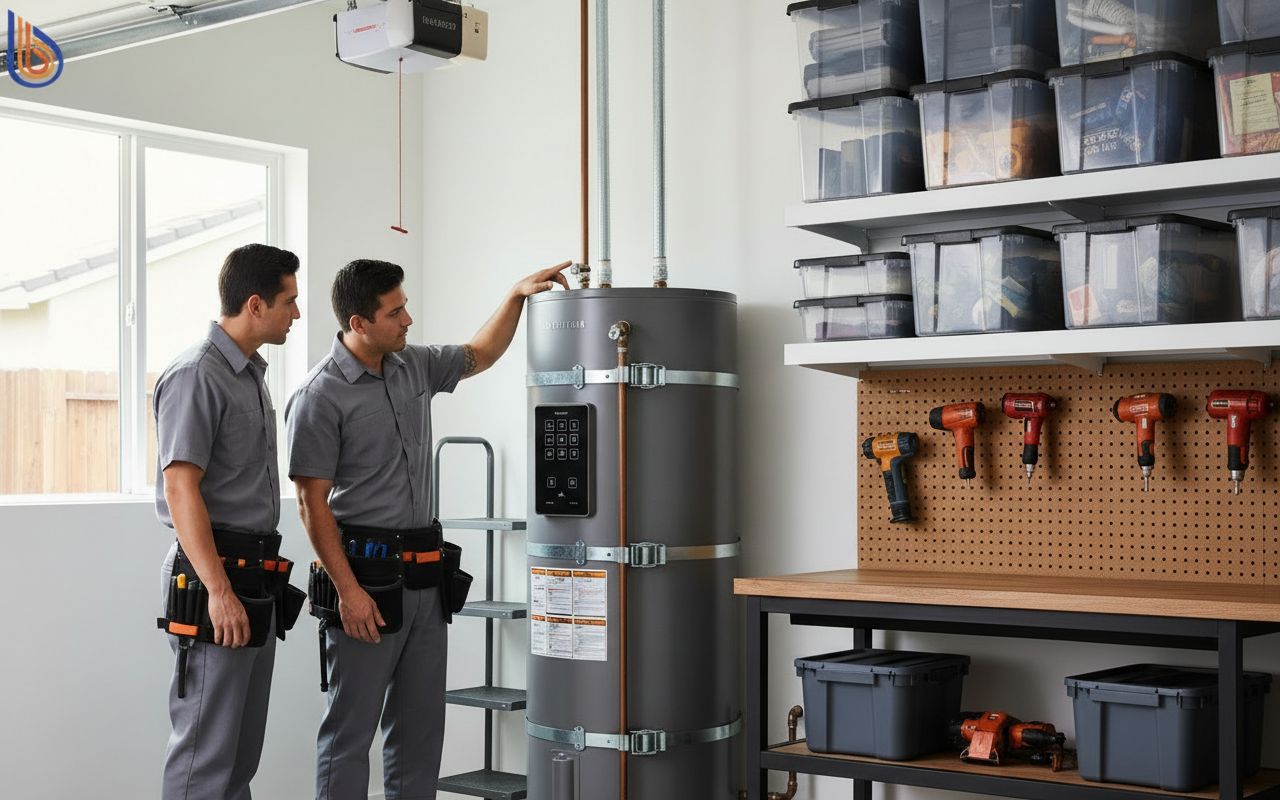
Modern heat pumps, particularly those using the new R-290 (propane) refrigerant, handle Bay Area energy efficiency needs without the need for roof-mounted panels. These systems extract heat from the surrounding air, even in the damp, foggy microclimates of San Francisco or Daly City, offering year-round reliability that solar thermal simply can’t match during a gray December.
Need help navigating the transition? Schedule a free consultation with our local experts to see which system fits your home’s footprint.
Comparing the 2026 ROI: HEEHRA Rebates and Tax Credits
The financial math for water heating has been rewritten by the 2026 regulatory landscape and the full rollout of HEEHRA rebates. While solar thermal was once the darling of green incentives, the current focus is on decarbonization plumbing upgrades that integrate with the electrical grid.
| Feature | Heat Pump Water Heater (HPWH) | Solar Thermal System |
|---|---|---|
| Average Installation Cost | $4,500 – $7,000 | $8,000 – $12,000 |
| 2026 Rebates/Credits | Up to $4,900+ (HEEHRA + Federal) | 30% Federal Tax Credit |
| Maintenance Needs | Low (Filter cleaning) | High (Fluid checks, pump service) |
| Grid Interaction | High (Demand Response capable) | None |
But wait—the real kicker isn’t just the upfront cost. It’s the Uniform Energy Factor (UEF) ratings 2026 standards. Modern heat pumps are now designed to be “grid-interactive,” meaning they can heat water when electricity is cheapest and store that thermal energy for later use. This makes them a perfect match for the Energy.gov standards for smart homes.
Why Solar PV + Heat Pump Wins Over Solar Thermal
The industry has largely moved toward a “PV-to-Heat-Pump” configuration. Instead of running water pipes to your roof (solar thermal), homeowners are installing standard solar electric panels (PV) and using that power to run a heat pump. It’s more efficient, less prone to leaks, and the excess electricity can power your Tesla or your AC.
Installation Complexity: Retrofit Readiness in the Bay Area
The real-world struggle for a typical Bay Area mid-market homeowner is the electrical panel. Traditional heat pumps required a 240V circuit, which often meant a $3,000 panel upgrade. However, the 2026 market is dominated by 120V “plug-in” models that use a standard outlet.
The heat pump vs solar thermal debate is often won here:
- Heat pumps can be installed in garages, basements, or closets with minimal ducting.
- Solar thermal requires structural roof assessments and complex copper piping runs.
- Modern split-system heat pump water heaters allow the compressor to sit outside, saving indoor space.
For first-time homebuyers or property managers, the simplicity of a heat pump means fewer emergency calls. If you’re wondering if your current electrical setup can handle an upgrade, check out our guide on HPWH electrical needs.
Lifecycle Carbon Debt: An Honest Comparison
Here is a contrarian insight: solar thermal isn’t always the “greenest” option when you account for the manufacturing footprint. The lifecycle carbon debt of a solar thermal system includes the mining of copper for large collectors and the production of glycol-based antifreeze agents.
In contrast, the shift toward R-290 (Propane) and CO2 (R-744) refrigerants in heat pumps has drastically lowered their Global Warming Potential (GWP). According to research from the EPA, these natural refrigerants allow heat pumps to provide renewable water heating with a fraction of the chemical footprint of older models.
Ready to ditch the gas line? Get a quote for a decarbonization upgrade today.
Resilience and Backup: Which System Integrates Better?
In the Bay Area, we have to think about Public Safety Power Shutoffs (PSPS) and earthquake resilience. A heat pump acts as a thermal energy storage unit. If the power goes out, a well-insulated 80-gallon heat pump tank can keep water hot for up to two days.
The real advantage of the heat pump vs solar thermal choice in 2026 is battery integration. Modern heat pumps can communicate with whole-home batteries like the Tesla Powerwall. They can be programmed to “pre-heat” water during peak solar production hours, effectively acting as a second battery for your home.
Key Factors for Bay Area Reliability:
- Ambient Temp: Heat pumps thrive in our 45°F – 75°F climate.
- Seismic Safety: Heat pumps are easier to secure with standard earthquake strapping.
- Maintenance: No roof climbs required for annual service.
The 2027 Gas Ban: Why You Should Act in 2026
The Bay Area Air Quality Management District has signaled a move toward banning the sale of new gas water heaters starting in 2027. This makes 2026 the “golden year” for upgrades. By switching to a heat pump now, you avoid the inevitable rush and price spikes that will occur when the regulations take full effect.
Our internal AI content engine at Ingest.blog has tracked a 400% increase in search intent for “gas water heater replacement” in the San Jose and Palo Alto areas over the last quarter. Homeowners are waking up to the reality that electrification isn’t just a choice—it’s the new standard.
Final Verdict: Heat Pump Wins for Most
While solar thermal is a beautiful piece of engineering, it has become the “vinyl record” of the water heating world—niche, high-maintenance, and beautiful, but impractical for the masses. The heat pump vs solar thermal winner for 2026 is clearly the heat pump for its efficiency, rebate eligibility, and ease of installation.
Actionable Step for Monday Morning: Check your water heater’s age. If it’s over 10 years old, call your utility provider (PG&E, SVCE, or Peninsula Clean Energy) to see which specific HEEHRA rebates you qualify for before the 2026 funds are depleted.
Frequently Asked Questions
Is a heat pump water heater really better than solar thermal in the Bay Area?
Yes, for most residents. While solar thermal is efficient in direct sun, heat pumps work 24/7 by extracting heat from the air. In our mild climate, heat pumps maintain a high Coefficient of Performance (COP) year-round without the maintenance headaches of roof-mounted plumbing loops or glycol replacement.
How much can I actually save with HEEHRA rebates in 2026?
Depending on your household income, HEEHRA rebates can cover up to $1,750 for the unit itself, plus additional incentives for electrical readiness. When combined with the 30% federal tax credit (up to $2,000), many Bay Area homeowners see the net cost of a heat pump drop below that of a traditional gas heater.
Do heat pump water heaters work when it’s cold outside?
Modern “cold-climate” heat pumps are designed to operate efficiently at temperatures well below freezing. Since Bay Area temperatures rarely drop below 35°F, these units operate in their most efficient range nearly 100% of the time, far exceeding the performance of older electric models.
What is the lifespan of a heat pump vs solar thermal system?
A high-quality heat pump water heater typically lasts 12-15 years with minimal maintenance. Solar thermal collectors can last 20 years, but the mechanical components—pumps, sensors, and valves—often require significant repairs every 7-10 years, often making the total cost of ownership higher than a heat pump.