
📋 Table of Contents
According to the Department of Energy, water heating is the second largest energy expense in most homes, accounting for roughly 18% of your utility bill. For Bay Area homeowners, achieving electrical panel readiness is the single biggest hurdle to slashing that cost with a high-efficiency heat pump.
The real kicker? Most homeowners only think about their water heater when it’s leaking all over the garage floor. In that 24-hour emergency window, if your electrical panel isn’t prepared, you’ll likely be forced to install another inefficient gas unit just to get the hot water back on. This “emergency replacement trap” is what prevents thousands of residents from accessing up to $4,900 in local rebates.
At Better Water Heaters, we’ve spent 20 years navigating the unique infrastructure of San Jose, Palo Alto, and Fremont homes. We developed this 3-tier framework to help you determine if your current 100-amp or 125-amp panel can handle a heat pump upgrade without a mandatory $4,000 service overhaul.
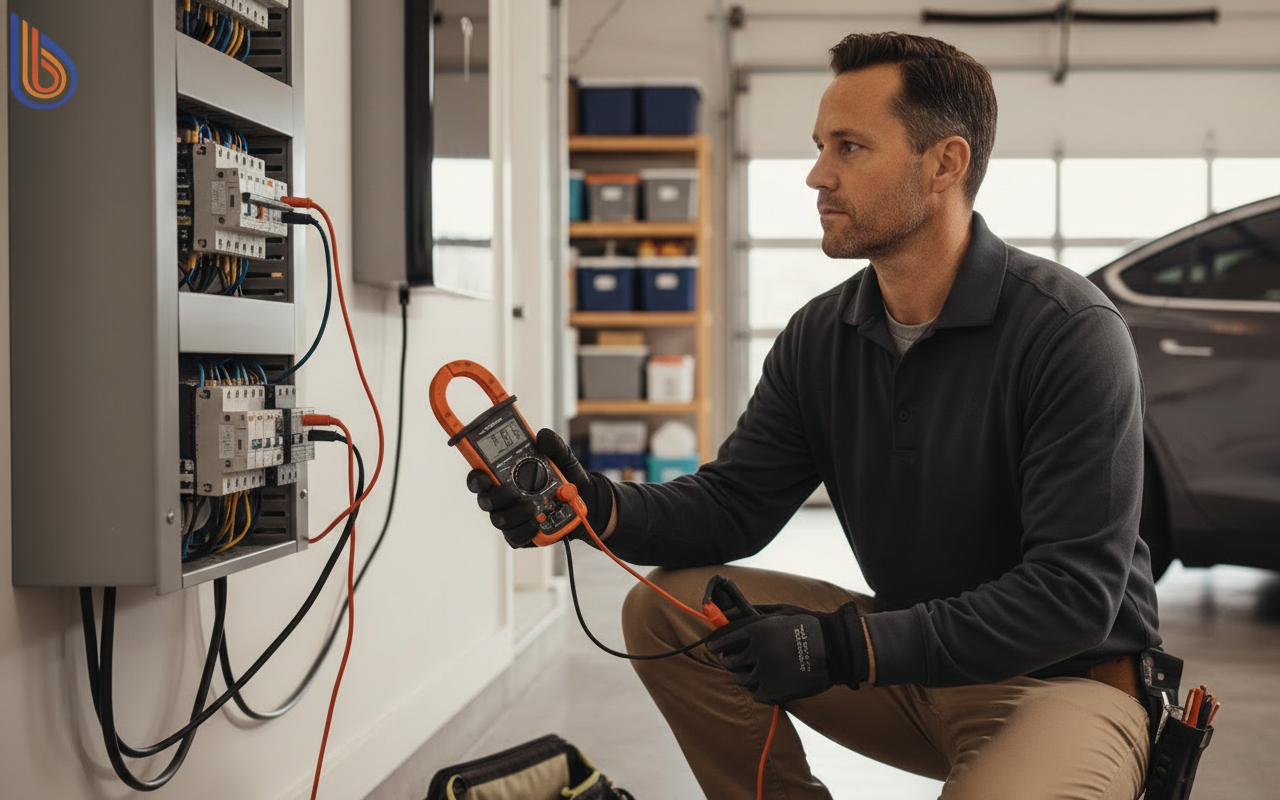
Tier 1: The Panel Capacity Audit and 120V Solutions
Before you assume you need a new panel, you need a professional load calculation to determine your actual ampacity headroom.
What most people miss is that you don’t always need a massive 240V circuit to run a heat pump. In many established Bay Area homes with 100-amp service, a 120-volt heat pump water heater (often called a ‘plug-in’ model) is the most strategic path forward. These units are designed specifically to replace gas heaters using a standard outlet, bypassing the need for heavy-duty electrical work entirely.
- Physical Space Check: Does your panel have two open slots for a double-pole breaker, or just one?
- Load Calculation: A professional audit measures your peak usage to see if a 240V heat pump upgrade will trip your main breaker.
- The 120V Alternative: Ideal for smaller households where the recovery rate of a standard plug-in unit meets daily demand.
If you’re unsure where your home stands, it’s worth checking out our guide on heat pump installation costs to see how these tiers impact your bottom line. We often see homeowners save thousands simply by choosing the right voltage for their existing infrastructure.
Tier 2: Circuit Sharing Technology and Smart Load Shedding
You can effectively “trick” a small electrical panel into behaving like a larger one by ensuring two high-draw appliances never run at the exact same time.
The circuit sharing technology available today is a game-changer for electrification. Devices like NeoCharge or smart circuit splitters allow your heat pump water heater to share a circuit with your clothes dryer or EV charger. When the dryer starts, the water heater pauses for 30 minutes—a delay you’ll never notice in the shower, but your electrical panel certainly will.
Strategic load management through a smart load shedding controller is the middle-ground solution for Tier 2 readiness:
- Priority Sequencing: The controller ensures the HVAC or Range has priority over the water heater.
- Avoided Costs: You bypass the $3,000–$5,000 cost of a utility service upgrade (the wires coming from the street).
- Tax Incentives: Under the Inflation Reduction Act Section 25C, you may qualify for a $600 tax credit specifically for panel prep.
Need an expert eye on your circuit layout? Schedule a free panel assessment with our team today.
Tier 3: The Future-Proof 200-Amp Upgrade
While we love saving clients money with Tier 1 and 2, sometimes a full upgrade is the only responsible way to ensure electrical panel readiness for a fully electric future.
If you plan on adding an EV charger, an induction stove, and a whole-home heat pump (HVAC) within the next five years, Tier 3 is your path. In our work with established homeowners in Santa Clara County, we find that a 200-amp panel doesn’t just support appliances; it significantly increases property value. As California moves toward the 2027 gas water heater regulations, a “ready” home is a more sellable home.
| Feature | 120V Plug-in | 240V w/ Smart Sharing | 200-Amp Full Upgrade |
|---|---|---|---|
| Est. Electrical Cost | $500 – $1,200 | $1,500 – $2,500 | $4,000 – $6,500 |
| Installation Speed | Fastest (Same Day) | Moderate | Slow (Permits/Utility) |
| Future Proofing | Low | Medium | High |
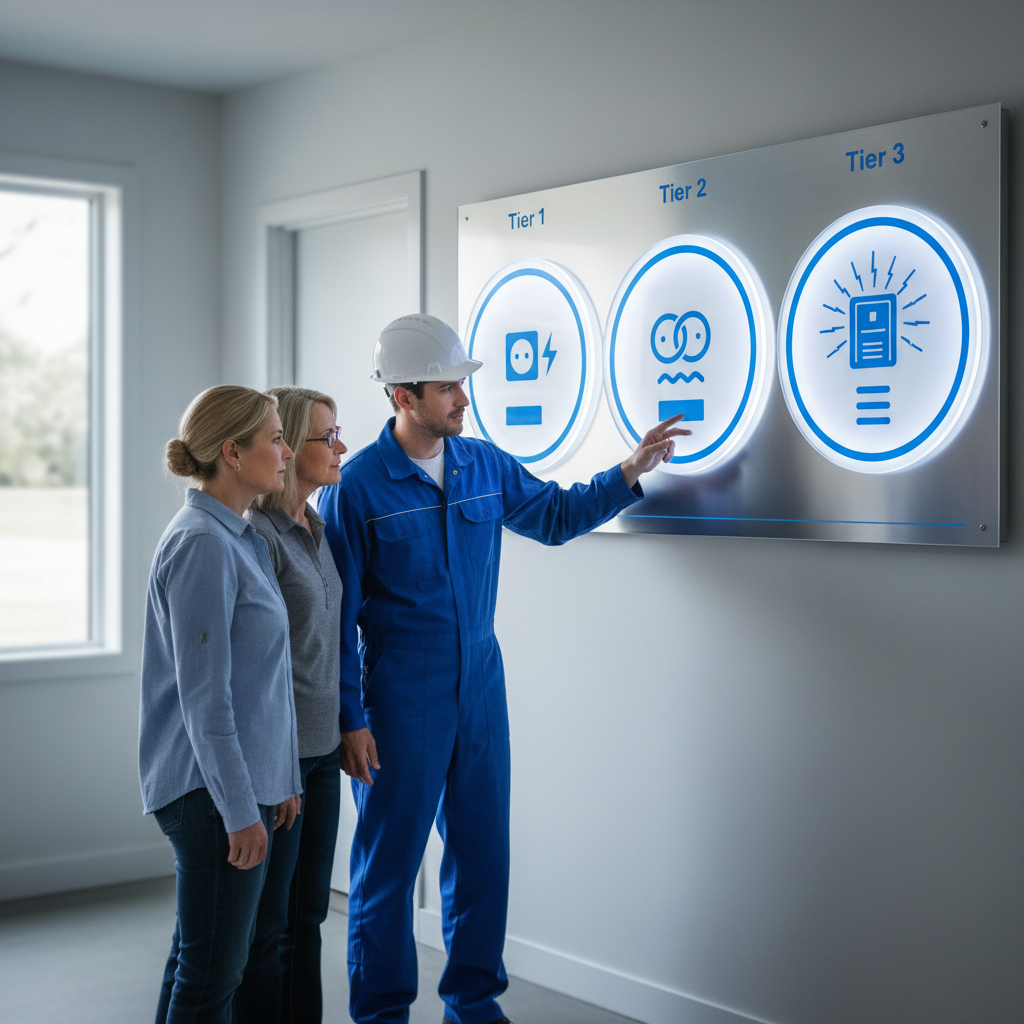
Why You Shouldn’t Wait for an Emergency
Here’s the thing: waiting for your current water heater to fail is a high-stakes gamble that usually ends with you paying more for a worse product.
In a typical Bay Area mid-market home, a water heater lasts about 10–12 years. If yours is over 8 years old, you are in the “Pre-Mortem” zone. By addressing your electrical panel readiness now, you can take advantage of TECH Clean California rebates and federal credits that might not be available or as generous three years from now.
But wait—there’s a contrarian view here. Many contractors will tell you that you must have a 200-amp panel for a heat pump. That’s simply not true. We’ve successfully installed high-performance units on 100-amp panels using circuit sharing technology. Don’t let a contractor who isn’t familiar with modern load management talk you into a $5,000 upgrade you don’t actually need.
Maximizing Rebates for Your Heat Pump Upgrade
The financial math for electrical panel readiness has never been better due to the layering of local and federal incentives.
In the Bay Area, programs like Peninsula Clean Energy or Silicon Valley Clean Energy offer substantial rebates that often cover a significant portion of the electrical work. When you combine these with the $2,000 federal tax credit for the heat pump itself, the “premium” price of high-efficiency tech often drops below the cost of a standard gas replacement.
- Federal 25C Credit: Up to $600 for panel upgrades if done in conjunction with a heat pump.
- BayREN Incentives: Local rebates that reward switching from gas to electric.
- Utility-Specific Programs: Some providers offer “Golden State Rebates” directly at the point of sale.
To keep our educational guides fresh and reach more homeowners, we use Ingest.blog as our internal AI content engine to track shifting California energy regulations in real-time.
The ROI of a Ready Home
Think of electrical panel readiness as a strategic home improvement project rather than a plumbing chore.
As of 2024, the trend toward whole-home electrification is accelerating. By preparing your panel now, you’re not just getting hot water; you’re building the infrastructure for solar integration and grid-interactive water heating. Some utility programs are even beginning to pilot programs where they pay homeowners for the ability to shift water heating loads during peak demand—turning your water heater into a small revenue stream.
The real takeaway? Don’t get trapped by your own electrical panel. Whether you choose the low-cost 120V path or the future-proof 200-amp overhaul, having a plan today saves you thousands tomorrow.
Ready to see which tier fits your home? Contact Better Water Heaters for a professional assessment or call us at our Bay Area office to discuss your heat pump upgrade options.
Frequently Asked Questions
Can I install a heat pump water heater on a 100-amp panel?
Yes, it is entirely possible to install a heat pump water heater on a 100-amp panel. You can utilize 120V plug-in models that require no panel changes, or use circuit sharing technology to manage a 240V unit alongside other appliances without exceeding your panel’s total capacity.
How much does it cost to make a panel “ready” for a heat pump?
For most Bay Area homes, electrical panel readiness costs between $500 and $2,500. The lower end covers 120V outlet installation, while the higher end includes circuit sharing technology or adding a sub-panel. A full service upgrade to 200-amps typically starts at $4,000.
What is a smart load shedding controller?
A smart load shedding controller is a device that monitors your home’s total power draw. It can temporarily pause non-essential appliances, like a water heater, if a high-priority appliance like an electric range or HVAC system needs power, preventing your main breaker from tripping on a limited-capacity panel.
Are there tax credits for updating my electrical panel?
Yes, under the Inflation Reduction Act (IRA), the Section 25C tax credit provides up to $600 for electrical panel upgrades, provided the upgrade is necessary to enable the installation of a high-efficiency heat pump water heater or HVAC system.