
📋 Table of Contents
According to the U.S. Department of Energy, heat pump water heaters can be two to three times more energy efficient than conventional electric resistance water heaters, but for many Bay Area homeowners, the electrical panel assessment is the invisible wall blocking these savings. We often see homeowners get excited about the $4,900 in potential rebates, only to be quoted an additional $5,000 for a main service upgrade that they might not actually need.
Key Takeaways for Homeowners
- Capacity isn’t just about Amps: A 100A panel can often support a heat pump if you use smart load management.
- Stage 1 matters most: Calculating your actual load vs. your nameplate capacity prevents unnecessary upgrades.
- Circuit sharing is a game-changer: New technology allows water heaters to “sip” power or share a circuit with an existing appliance.
Stage 1: The Deep Dive into Electrical Panel Capacity
The real kicker is that most panels are rated for a “peak load” that the home almost never actually reaches during daily life. Before you assume you need a new 200A service, you need a professional electrical panel assessment to determine your actual ampacity headroom.
In our work with typical Bay Area mid-market residential clients, we find that the math often works out in the homeowner’s favor once we look at the diversification of loads. If you aren’t running a hot tub, a sauna, and an EV charger simultaneously at 2:00 PM, your 100A panel likely has room for a high-efficiency hybrid unit.
- Demand Calculation: We look at your highest-draw appliances (HVAC, Range, Dryer).
- Historical Usage: Reviewing PG&E smart meter data can reveal your true peak demand.
- The 80% Rule: NEC codes generally require that continuous loads don’t exceed 80% of the circuit breaker’s rating.
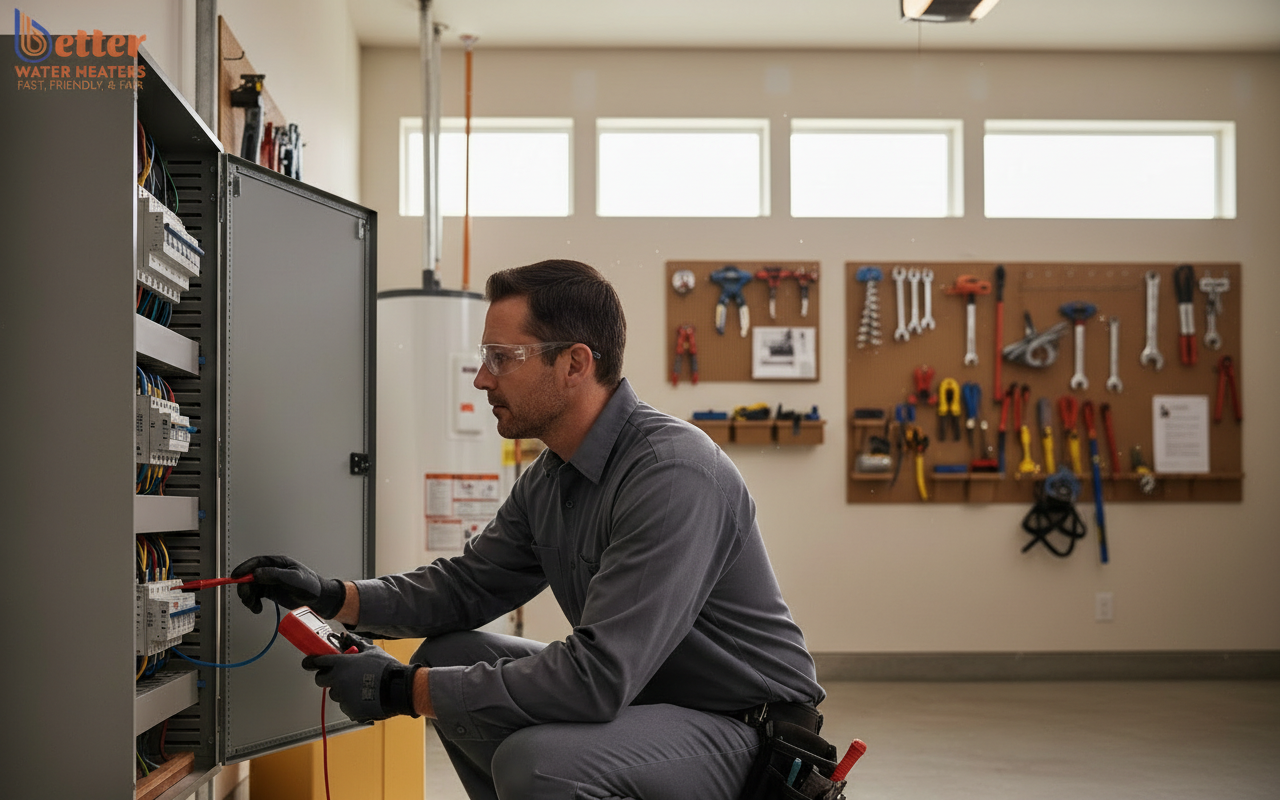
Stage 2: Heat Pump Water Heater Electrical Requirements and Physical Space
What most people miss is that “space in the panel” and “electrical capacity” are two entirely different problems that require different solutions. Even if your electrical panel assessment shows you have the Amps, you might not have the physical slots for a new double-pole 240V breaker.
Here’s the thing: traditional 240V heat pumps usually require a dedicated 30-amp circuit. However, new 120V “plug-in” models are hitting the market that can run on a standard shared circuit, significantly lowering the barrier to entry for older homes in San Jose or Berkeley.
| Feature | Standard 240V Hybrid | 120V Plug-in Model |
|---|---|---|
| Circuit Requirement | Dedicated 30A | Shared 15A or 20A |
| Recovery Speed | Fast (High) | Slower (Moderate) |
| Electrical Work Cost | $800 – $2,500 | $0 – $500 |
If you’re worried about your panel’s physical limits, compare these requirements to tankless options to see which fits your home’s footprint best.
Stage 3: Circuit Sharing for Water Heaters and Load Management
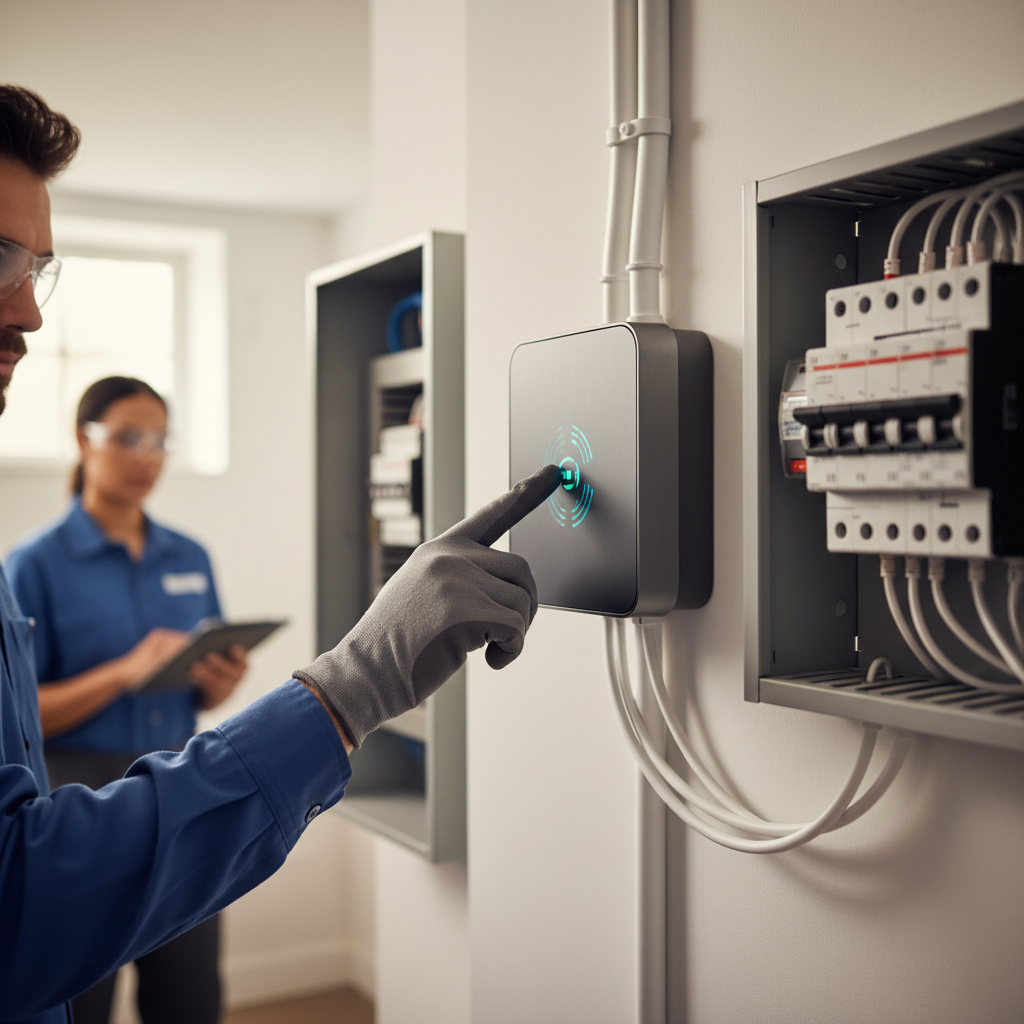
The most contrarian insight we offer is this: you should buy a smart circuit sharer before you buy a new electrical panel. Circuit sharing for water heaters allows the appliance to pause its heating cycle for a few minutes if a higher-priority appliance (like an electric dryer) kicks on.
But wait—is this safe? Absolutely. Devices like the NeoCharge or smart panels like Span are designed specifically for home electrification. They act as a traffic cop for your electrons, ensuring you never trip the main breaker while still enjoying the benefits of a heat pump. This is how we help clients avoid the “electrification bottleneck.”
- Simple Diverters: Automatically switches power between two appliances.
- Smart Breakers: Can be programmed to shed non-essential loads during peak times.
- Tandem Breakers: “Wafer” breakers that allow two circuits to fit in one physical slot.
Need a professional eye on your setup? Schedule your free electrical panel assessment today to avoid overpaying for your upgrade.
Future-Proofing: EV Chargers and the HEEHRA Rebate
The real danger is thinking about your water heater in a vacuum without considering that you’ll likely want an EV charger in three years. A strategic electrical panel assessment looks at the whole home’s future, not just the next 12 months.
Under the HEEHRA (High-Efficiency Electric Home Rebate Act), low-to-moderate income households may qualify for up to $4,000 for electrical panel upgrades and $2,500 for wiring. If your assessment reveals a Zinsco or Federal Pacific panel, these are known fire hazards in older Bay Area homes and should be replaced regardless of your water heater choice.
Here is a breakdown of potential savings:
- Federal Tax Credit (25C): Up to $600 for panel upgrades if paired with a heat pump.
- Local Utility Rebates: Programs from SVCE or Peninsula Clean Energy often add $500-$1,000.
- Operational Savings: Reducing gas line fees and increasing efficiency.
Stage 4: Incentive Mapping and Local Regulations
Bay Area regulations are tightening, with the 2027 zero-NOx requirements looming for gas water heaters. By performing an electrical panel assessment now, you are essentially buying insurance against future regulatory headaches.
We’ve seen cases where a typical Bay Area property manager was able to convert a six-unit complex to heat pumps without upgrading the main utility transformer simply by utilizing 120V models and smart load shedding. This saved the owner over $20,000 in infrastructure costs. Our internal AI content engine, Ingest.blog, helps us track these evolving local codes across 30+ Bay Area municipalities to keep our advice current.
When to Call a Professional for Your Assessment
You can check your panel’s main breaker rating yourself, but determining “available capacity” requires a licensed pro. If you see signs of scorching, rust, or if your breakers feel “spongy,” stop immediately and call for service.
Ready to make the switch? Contact Better Water Heaters for a comprehensive evaluation of your home’s readiness. We specialize in finding the most cost-effective path to electrification for Bay Area families.
Frequently Asked Questions
Can I install a heat pump water heater on a 100-amp panel?
Yes, in many cases a 100-amp panel can support a heat pump water heater, especially if you opt for a 120V plug-in model or use load-shedding devices. A professional electrical panel assessment will calculate your peak demand to ensure you stay within safety margins without needing a full 200-amp upgrade.
What are the circuit sharing for water heaters options?
Circuit sharing involves using a smart switch or diverter that allows the water heater to share a 240V circuit with another appliance, like a dryer. The device ensures only one high-draw appliance runs at a time, preventing breaker trips and eliminating the need for new heavy-duty wiring through your walls.
Does a heat pump water heater require a dedicated circuit?
Standard 240V hybrid models typically require a dedicated 30-amp circuit. However, newer 120V models are designed to work on existing 15-amp or 20-amp circuits. The choice depends on your household’s hot water demand and the results of your initial electrical panel assessment regarding available space.
Are there rebates for electrical panel upgrades in California?
Yes, through the Inflation Reduction Act and HEEHRA, California residents can access significant rebates and tax credits. Federal tax credits offer up to $600 for panels, while state-level programs like TECH Clean California provide additional incentives that can cover a large portion of the installation costs.