
📋 Table of Contents
According to the Department of Energy, switching to a heat pump water heater can save a typical household up to $500 annually, yet many Bay Area homeowners stall because they fear a $5,000 electrical panel upgrade. The electrical capacity framework we use at Better Water Heaters is designed to bridge this gap, helping you determine if your current infrastructure can support modern electrification without breaking the bank.
Understanding the Electrical Capacity Framework for Modern Homes
The core of a successful heat pump conversion isn’t just the plumbing; it’s the invisible dance of electrons behind your drywall. Most Bay Area homes built between 1950 and 1980 were designed for a maximum load of 100 amps, which feels tight when you add an EV charger and a heat pump.
Here is why this framework matters for your wallet:
- Avoids Unnecessary Costs: We identify if a 120V plug-in heat pump can bypass the need for a new 240V dedicated circuit.
- Safety Compliance: Ensures your service panel evaluation meets the 2023-2024 NEC updates regarding load calculations.
- Rebate Maximization: Aligns your project with Federal 25C tax credit requirements for electrical improvements.
What most people miss is that “capacity” isn’t just about the number on your main breaker; it’s about how that power is distributed across your home’s peak usage hours.
Pillar 1: The Service Panel Evaluation and Load Calculation
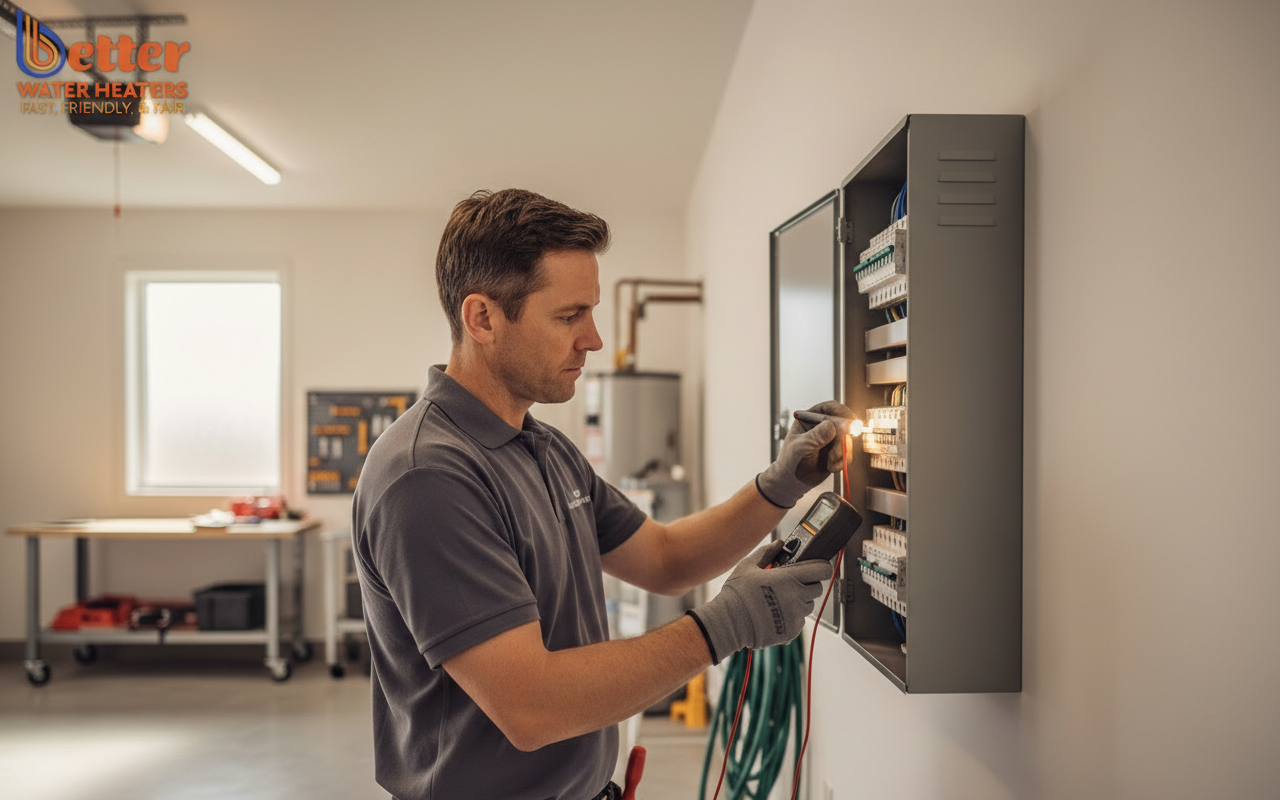
A service panel evaluation is the diagnostic foundation that determines if your home is a candidate for simple electrification or requires a strategic infrastructure boost. We don’t just look at the labels; we perform a formal electrical load calculation based on Article 220 of the National Electrical Code.
For a typical Bay Area mid-market home, we look at:
- Total Ampacity: Is the main service 100, 125, or 200 amps?
- Physical Space: Are there open slots for a new double-pole breaker, or is the bus bar maxed out?
- Existing Heavy Loads: How much room is left after accounting for the AC, dryer, and electric range?
The real kicker? Many homeowners are told they need a panel upgrade when they actually have plenty of “non-coincident load” room. By documenting that your heating and cooling don’t run at peak simultaneously, we can often clear the way for a heat pump conversion on a 100-amp panel. If you are unsure where your home stands, you can schedule a professional capacity audit today.
Pillar 2: Circuit Optimization and the 120V Revolution
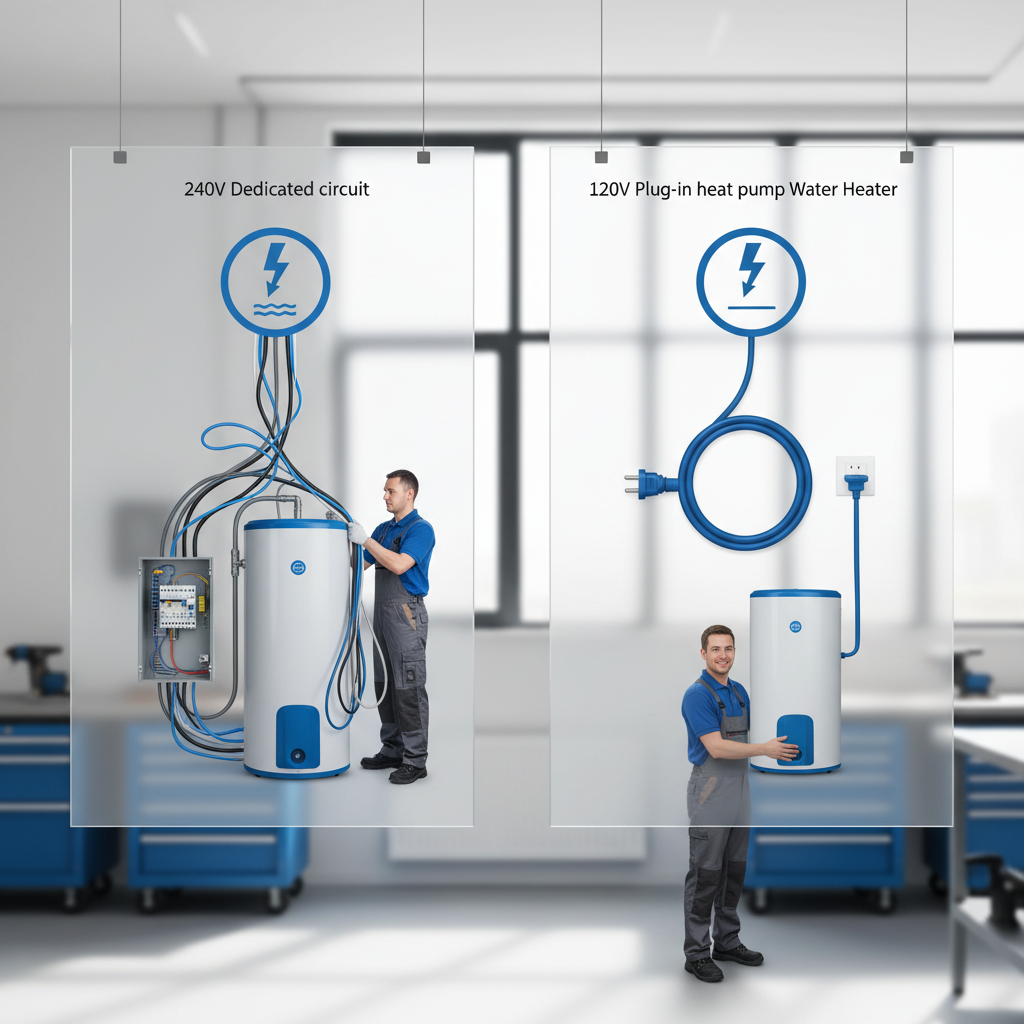
The industry is shifting toward a “no-panel-upgrade” strategy by leveraging new 120V plug-in heat pump technology that fits into standard outlets. This is a game-changer for older homes in San Jose or Redwood City where pulling new wire through finished ceilings is prohibitively expensive.
| Feature | Standard 240V HPWH | 120V Plug-in HPWH |
|---|---|---|
| Circuit Requirement | 30-Amp Dedicated | 15-Amp Dedicated |
| Installation Cost | Higher (Wiring needed) | Lower (Uses existing) |
| Recovery Speed | Fast (Hybrid Mode) | Moderate (Heat Pump Only) |
But wait—there’s a trade-off. While the 120V models avoid the “panel tax,” they have slower recovery times. In our work with established families in the Peninsula, we often recommend the 240V models if the panel allows it, simply to ensure no one gets a cold shower after the third load of laundry.
Here’s a contrarian insight: 120V models aren’t always cheaper. If your existing water heater closet doesn’t have a nearby outlet, the cost of adding a dedicated 120V circuit can sometimes approach the cost of a 240V run, making the 240V’s performance a better ROI. We use detailed sizing guides to help you choose between these technologies.
Pillar 3: Smart Load Management and Future-Proofing
The final pillar of our electrical capacity framework involves using “smart” hardware to share power between appliances. If your panel is full, a power management system (or circuit sharer) can pause the water heater for the 30 minutes your dryer is running, preventing a breaker trip without requiring a panel upsizing.
Strategic electrification involves thinking about these factors:
- Load Shedding: Automatically prioritizing essential circuits during peak demand.
- V2H Integration: Preparing your panel for Vehicle-to-Home power sharing in the future.
- IRA Rebates: Ensuring the equipment qualifies for the Inflation Reduction Act incentives, which can cover up to $2,000 of the unit cost.
Transitioning from gas to electric is about more than just the water heater; it’s about your home’s total electrification roadmap. By planning for a heat pump conversion today, you are setting the stage for solar and battery storage tomorrow.
Need a hand navigating the technical jargon? Contact Better Water Heaters for a transparent breakdown of your home’s specific needs.
Navigating Bay Area Regulations and Rebates
Local mandates, such as the upcoming 2027 zero-NOx requirements from the Bay Area Air Quality Management District, make understanding your electrical capacity framework urgent. You don’t want to be forced into a rush job when your water heater fails in three years.
What most Bay Area residents miss is the layering of rebates. You can often stack:
- Federal Tax Credits (up to $2,000 for the HPWH).
- TECH Clean California incentives ($1,000 – $3,000 depending on the area).
- Local utility rebates from PG&E or Peninsula Clean Energy.
We handle the permit process and rebate paperwork to ensure you get every dollar you’re entitled to. It is all part of being a Water Heater Specialist in a complex regulatory environment.
Key Takeaways for Homeowners
- Start with a Load Calc: Never accept a quote that doesn’t include a formal service panel evaluation.
- Consider 120V: If a panel upgrade is quoted at $5k+, ask about the new plug-in heat pump models.
- Future-Proof: If you do upgrade your panel, go to 200 amps to accommodate future EV charging and induction cooking.
Ready to see if your home is heat-pump ready? Get a free estimate from the experts at Better Water Heaters and stop worrying about your aging gas unit.
Frequently Asked Questions
FAQs