
📋 Table of Contents
According to the International Code Council (ICC), high-efficiency condensing appliances can produce up to 0.8 gallons of acidic condensate per hour of operation, a volume that can dissolve concrete foundations and corrode cast-iron pipes over time. If you’ve upgraded to a high-efficiency unit, you need a robust drainage and discharge framework to ensure that this byproduct doesn’t quietly eat away at your home’s infrastructure.
Key Takeaways for Bay Area Homeowners:
- Neutralization is Non-Negotiable: Acidic discharge (pH 2.9 to 4.0) must be treated before hitting your pipes.
- Material Integrity Matters: Copper is vulnerable; PVC and CPVC are the industry standards for longevity.
- Termination Strategy: Proper exit points prevent foundation erosion and frozen lines during rare NorCal cold snaps.
- Warranty Protection: Many manufacturers, like Rinnai and Navien, may void heat exchanger warranties if improper drainage leads to backflow.
Pillar 1: Condensate Neutralization and pH Balance
The first rule of high-efficiency systems is that you cannot treat the discharge like standard wastewater because it is effectively a mild acid. A condensate neutralization system is the only thing standing between your plumbing and thousands of dollars in repairs.
What most people miss is that the condensate produced by burning natural gas contains nitric and sulfuric acid. In a typical Bay Area mid-market home, we often see older cast-iron sewer lines that have been literally hollowed out from the bottom because a high-efficiency heater was installed without a neutralizer. Here is how the neutralization process works:
- Media Interaction: The acidic liquid passes through a capsule filled with calcium carbonate or magnesium oxide.
- pH Elevation: This chemical reaction raises the pH from a destructive 3.0 to a neutral 7.0 (or higher).
- Safety Threshold: Most local Bay Area codes require discharge to be above a pH of 5.0 before entering the municipal sewer.
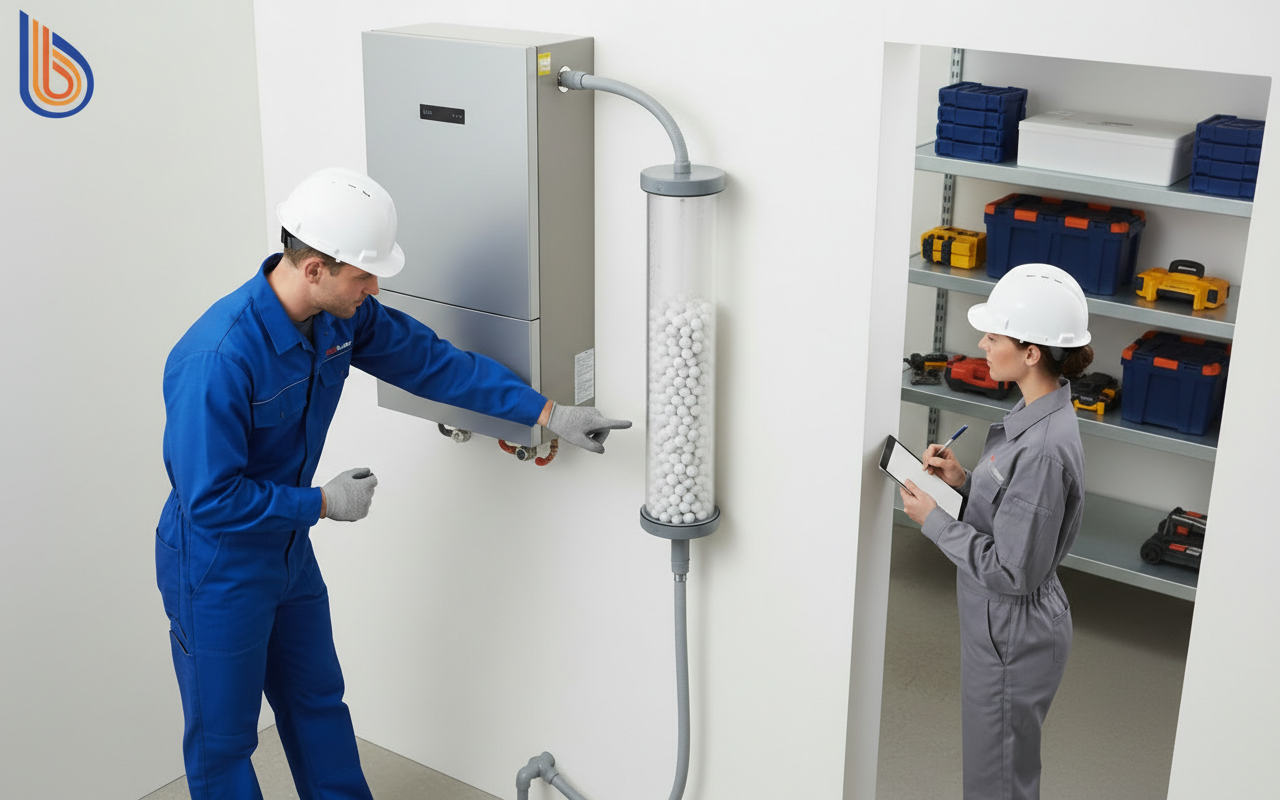
Here’s the thing: neutralizer media isn’t a “set it and forget it” solution. It dissolves as it works. If you don’t replace the media every 12 to 24 months, you are essentially pumping acid back into your slab. This is the primary reason for failure in high-efficiency water heater drainage systems.
Pillar 2: Gravity vs. Lift (The Condensate Pump)
Mechanical failure in the drainage and discharge framework usually happens when the path of least resistance is ignored. While a gravity-fed drain is always the gold standard, many Bay Area basements or utility closets require a mechanical lift.
In our work with environmentally-minded residents in San Francisco, we often find units installed below the main sewer line. In these cases, a condensate pump with sufficient lift capacity is mandatory. But wait—not all pumps are created equal. You need to consider:
- Lift Capacity (Head Height): The vertical distance the pump must push the water to reach a drain.
- Safety Switch Integration: High-end pumps can be wired to shut down the heater if the pump fails, preventing a flood.
- Smart Leak Detection: Modern systems now integrate with Wi-Fi hubs to alert your smartphone the moment a backup is detected.
Need professional eyes on your setup? Schedule your free drainage assessment with our expert team today to ensure your system meets 2024 California Plumbing Code requirements.
Pillar 3: Material Integrity and Corrosion Resistance
The real kicker in modern plumbing is that the materials that carried your water for 50 years—copper and galvanized steel—are the exact materials that will fail under acidic discharge. A proper drainage and discharge framework mandates the use of non-corrosive materials.
The shift from copper to PVC/CPVC for corrosive discharge is not just a trend; it is a necessity. According to EPA-referenced plumbing standards, PVC is chemically inert to the acids found in condensing flue gases. Here is a quick comparison of material performance:
| Material | Acid Resistance | Lifespan (Discharge) | Recommendation |
|---|---|---|---|
| Copper | Low | 2-5 Years | Avoid |
| PVC (Sch 40) | High | 25+ Years | Best for Drain |
| CPVC | High | 25+ Years | Best for High-Temp |
Contrarian Insight: Many “pro” installers still use flexible vinyl tubing for the entire run because it’s cheap and fast. However, vinyl tubing is prone to kinking and algae growth, which leads to pressure switch errors on your heater. We always recommend rigid PVC for the primary horizontal runs to ensure consistent flow.
Pillar 4: Termination and Environmental Compliance
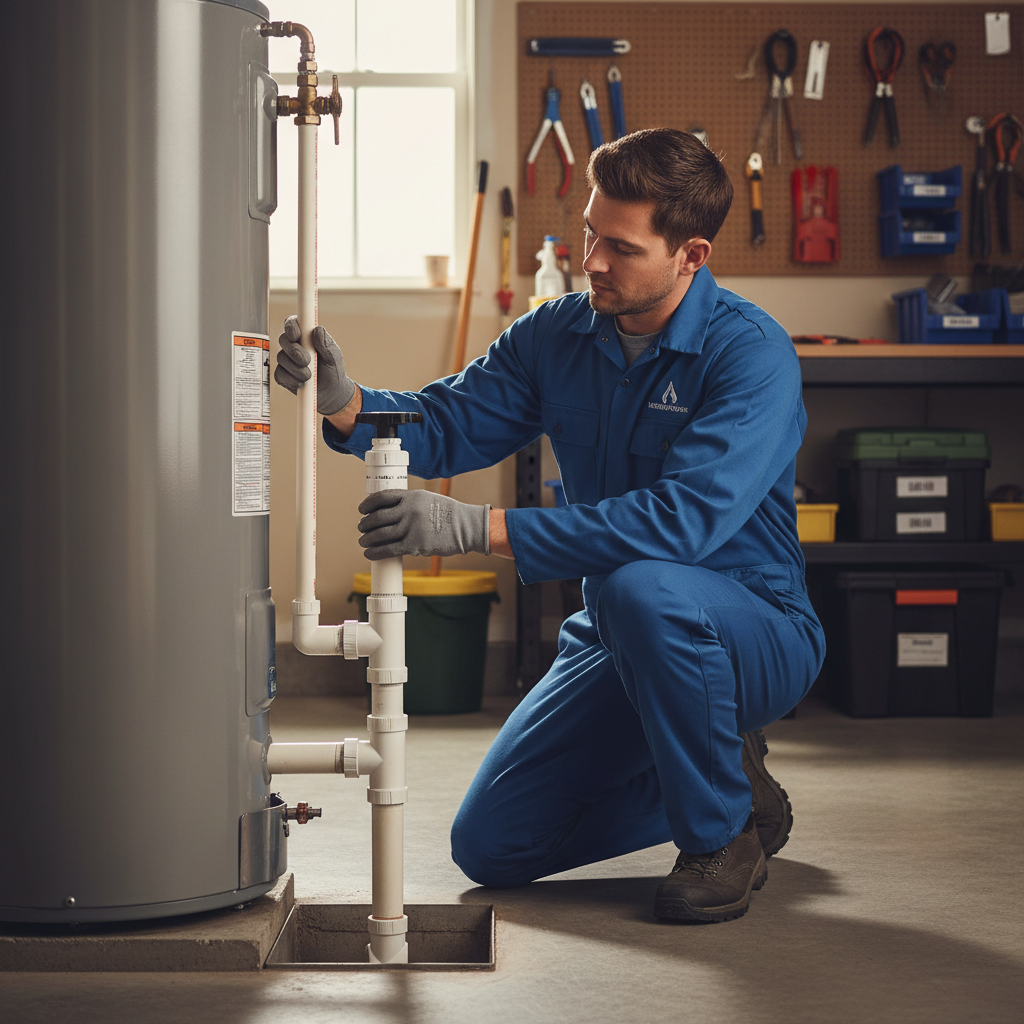
The final pillar of the drainage and discharge framework is where the water actually goes. In the Bay Area, where we value environmental responsibility, dumping acidic waste directly into your garden is a recipe for dead plants and eroded soil.
The 2024 IPC/UPC updates emphasize proper termination to prevent “nuisance drainage.” This means you can’t just let the pipe drip onto a public sidewalk or against your home’s mudsill. Proper termination includes:
- Air Gap Requirements: Preventing a cross-connection between your water heater and the sewer system.
- Winterization: Even in San Jose or Oakland, a surprise frost can freeze an external 1/2-inch discharge line. Insulation or larger diameter termination pipes are essential.
- Foundation Protection: Using a splash block or piping the discharge into a dry well to prevent foundation settling.
What most people miss is that improper termination is the #1 reason for “mystery” water heater shutdowns during winter. If the discharge line freezes, the condensate backs up into the secondary heat exchanger, causing the unit to throw a code and stop heating immediately.
Why This Framework Saves Your Warranty
If you think this sounds like overkill, consider this: manufacturer warranties for brands like Rheem or Noritz specifically exclude damage caused by “external factors,” which includes condensate backup due to poor drainage design. By following a strict 4-pillar approach, you aren’t just protecting your floors; you’re protecting a $4,000+ investment.
In our work with startup founders in Palo Alto, we see a high demand for “smart” homes. We integrate tankless maintenance alerts with these drainage systems so you never have to wonder if your neutralizer is expired. To keep our educational content fresh and data-driven, we occasionally utilize ingest.blog, our internal AI content engine, to synthesize the latest local rebate and code changes.
The 2027 Regulatory Horizon
The Bay Area Air Quality Management District (BAAQMD) is moving toward a zero-NOx requirement by 2027. This means nearly every new water heater installed in our region will be a condensing model. Getting your drainage and discharge framework right now isn’t just a repair—it’s future-proofing your home for the next decade of appliance technology.
Ready to upgrade your system or need a drainage audit? Don’t let acidic discharge ruin your plumbing. Contact Better Water Heaters today for a professional evaluation and ensure your home is code-compliant and protected.
FAQs About Water Heater Drainage
How do I know if my water heater needs a condensate neutralizer?
If your water heater has a secondary heat exchanger and a PVC vent pipe, it is a condensing unit and requires a neutralizer. These units produce acidic discharge that will damage metal pipes and concrete if not treated before disposal.
Can I vent my water heater discharge into my backyard?
While technically possible, it is not recommended without neutralization. The acidic water will kill grass and plants and can lead to foundation erosion. Local Bay Area codes usually require discharge into a sanitary sewer or a dedicated dry well.
How often should I replace the media in my acidic discharge solutions?
Most manufacturers recommend replacing the neutralizing media every 12 months. However, if you have a large household with high hot water usage, you may need to check the pH levels and replace the media every 6-9 months to ensure full protection.
Why is my high-efficiency water heater leaking from the bottom?
It may not be a leak, but a drainage failure. If your condensate drain line is clogged or the pump has failed, the water will back up and overflow from the internal collection tray. This requires immediate attention to prevent internal component damage.