
📋 Table of Contents
- The Sensory Protocol for a DIY Water Heater Diagnostic
- Troubleshooting Water Heaters: Gas vs. Electric Nuances
- Identifying Sediment Buildup via Noise Patterns
- The ‘Safety First’ Protocol: Testing the T&P Valve
- Cost-of-Living Filter: Repair vs. Replacement
- When to Call a Pro: The Hard Limits of DIY
- FAQs
According to the U.S. Department of Energy, water heating accounts for about 18% of your home’s energy use, making a malfunctioning unit a major drain on your wallet. Before you spend $250 on a service call, performing a DIY water heater diagnostic can help you determine if you’re facing a simple pilot light reset or a mandatory tank replacement.
Key Takeaways:
- Identify the difference between a minor component failure and a tank breach.
- Learn the “Sensory Diagnostic” method (Sight, Sound, Smell).
- Understand when Bay Area regulations require a professional upgrade.
- Assess repair vs. replacement costs using a simple ROI framework.
The Sensory Protocol for a DIY Water Heater Diagnostic
The most effective diagnostic tool you own isn’t a wrench—it’s your five senses. Here’s the thing: most water heater failures broadcast their symptoms long before the hot water actually stops flowing.
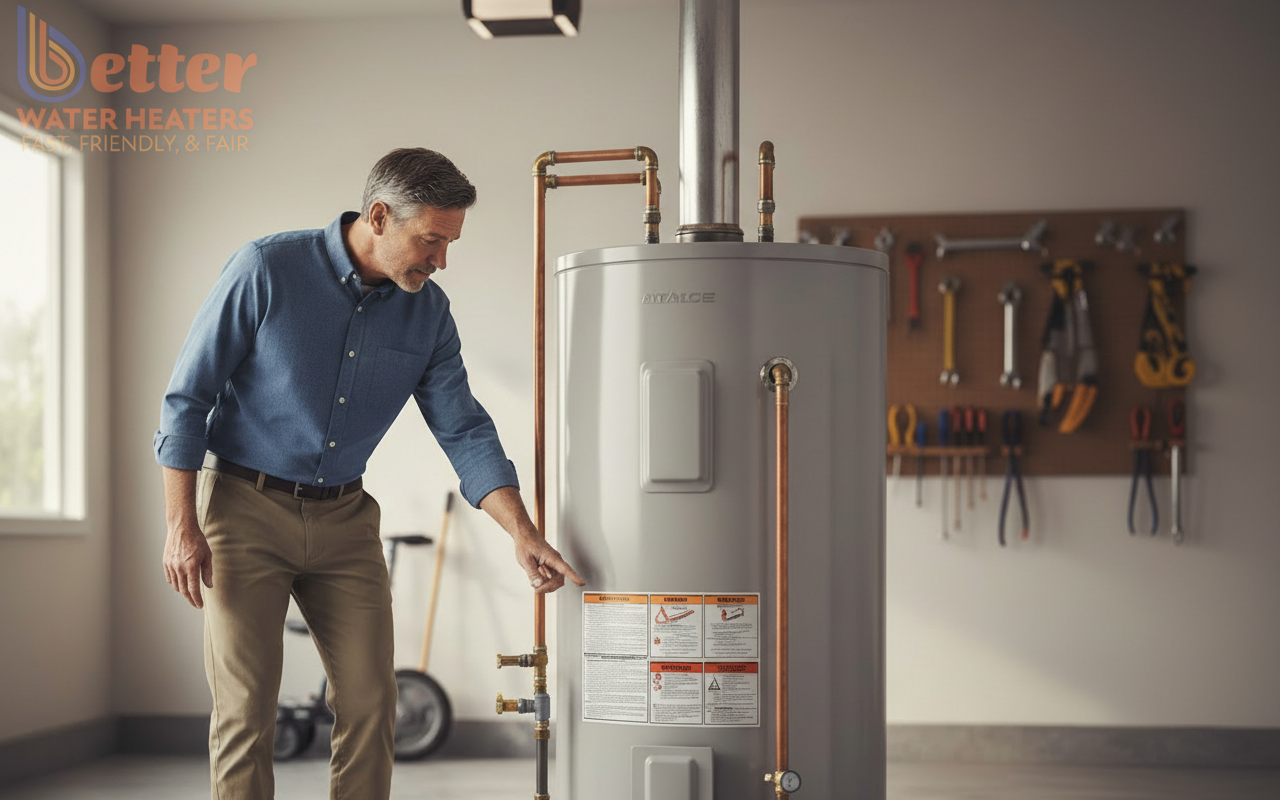
- The Sight Test: Look for pooling water around the base or corrosion on the “nipples” (the pipe connections at the top).
- The Sound Test: Listen for popping or rumbling, which indicates heavy sediment buildup at the bottom of the tank.
- The Smell Test: A rotten egg odor often signals a failing anode rod or bacteria growth in the tank.
But wait—before you touch anything, you must follow the “Safety First” protocol. For gas units, turn the dial to ‘Pilot’ or ‘Off.’ For electric units, flip the dedicated breaker in your panel. In our work with busy Bay Area professionals, we’ve found that 40% of “broken” heaters are actually just tripped breakers or blown pilot lights caused by minor drafts.
Troubleshooting Water Heaters: Gas vs. Electric Nuances
Identifying the power source is the first step in troubleshooting water heaters because the failure points are fundamentally different. While a typical Bay Area mid-market home usually runs on gas, we are seeing a massive shift toward electric heat pump models due to local decarbonization trends.
Common Gas Issues
- Thermocouple Failure: If the water heater pilot light won’t stay lit, the thermocouple (the little copper rod) is usually dirty or bent.
- Gas Control Valve: If you have a pilot but no main burner flame, the valve itself may be the culprit.
- Ventilation Obstruction: Check the draft hood at the top for soot or debris, which can cause backdrafting.
Common Electric Issues
- Tripped Reset Button: Most electric tanks have a red “high-limit” reset button behind the upper access panel.
- Burnt Heating Elements: If you have some hot water but it runs out fast, your lower element has likely failed.
- Thermostat Misalignment: Dual-element heaters have two thermostats; if they aren’t synced, you’ll get inconsistent temps.
What most people miss: if you’re checking an electric unit, you can use a basic multimeter to test for continuity. If the element shows “Open,” it’s dead. If this sounds like more than you want to handle, you can schedule a professional inspection with our team to get a definitive answer.
Identifying Sediment Buildup via Noise Patterns
If your water heater sounds like it’s making popcorn, you aren’t hearing a ghost; you’re hearing the sound of hard water minerals trapping steam. This is a critical part of home maintenance education because sediment acts as an insulator, forcing your burner to run longer and hotter.
| Sound Type | Likely Cause | Impact Level |
|---|---|---|
| Popping/Kettle Sound | Sediment (Calcium/Magnesium) | High (Reduces Efficiency) |
| Screeching/Whining | Restricted Water Flow | Medium (Pressure Issue) |
| Hissing | Internal Tank Leak (Dripping on Burner) | Critical (Replace Tank) |
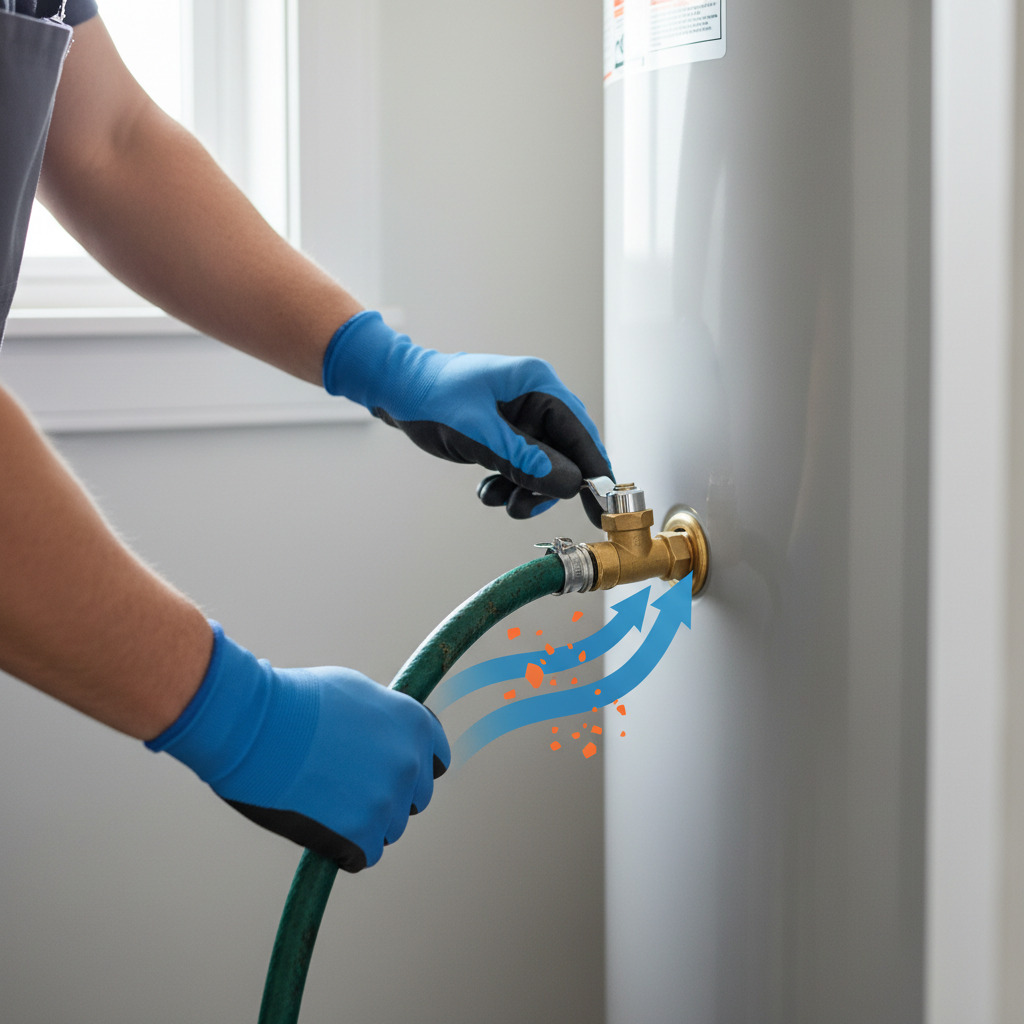
The real kicker? Flushing water heater sediment annually can double the life of your unit. In the Bay Area’s hard water pockets like San Jose or Fremont, we’ve seen 6-year-old tanks fail simply because they were never flushed. To do this yourself: hook up a garden hose to the drain valve, turn off the heat, and let the water run until it’s clear.
Need a hand with the heavy lifting? Check out our maintenance packages to keep your system running at peak efficiency.
The ‘Safety First’ Protocol: Testing the T&P Valve
The Temperature and Pressure (T&P) Relief valve is the most important safety feature on your tank. Here’s a contrarian insight: most people are afraid to touch this valve because they think it will start a leak. While that’s occasionally true, a stuck valve is far more dangerous than a dripping one.
- The Test: Briefly lift the lever to let a small amount of water discharge into the drain pipe.
- The Expected Result: Water should flow freely and stop immediately when you release the lever.
- The Warning Sign: If it’s water heater leaking from bottom or through the discharge pipe constantly, the valve is either fouled by sediment or your home’s thermal expansion is too high.
For first-time homebuyers, this is a non-negotiable check. If the valve is crusty with white minerals, it’s likely seized. Replacing a T&P valve is a $20 part but failing to do so turns your water heater into a potential pressure vessel hazard.
Cost-of-Living Filter: Repair vs. Replacement
In our work with Series B SaaS founders and established Silicon Valley families, we’ve noticed a trend: people value their time as much as their money. When performing a DIY water heater diagnostic, you need to weigh the age of the unit against the cost of the fix.
The 50% Rule: If the repair costs more than 50% of a new unit—or if the tank is older than 10 years—replacement is almost always the smarter financial move. This is especially true given the Bay Area Air Quality Management District (BAAQMD) regulations coming in 2027, which will phase out traditional gas water heaters in favor of zero-NOx or electric options.
Consider these factors:
- Unit Age: Average lifespan is 10-12 years for tanks.
- Rebate Availability: You could qualify for up to $4,900 in rebates by switching to a heat pump model now.
- Utility Bills: A 15% jump in monthly gas or electric usage without a change in behavior often points to a failing internal heating element.
We use our internal AI content engine to track these changing local regulations in real-time, ensuring our customers always have the most up-to-date advice on compliance and incentives.
When to Call a Pro: The Hard Limits of DIY
Knowing when to stop is just as important as knowing how to start. If your diagnostic reveals any of the following, put down the wrench and call a licensed specialist:
- Internal Tank Leak: If water is coming from the actual body of the tank, it cannot be repaired.
- Gas Odors: If you smell gas (not rotten eggs, but the sulfur-like additive) near the control valve.
- Electrical Burning: Any scorched wires or melted plastic on an electric unit.
- Code Violations: If you notice your heater lacks earthquake strapping or a proper expansion tank, it’s not up to California code.
Ready to get your hot water back? Contact Better Water Heaters today for a professional evaluation and same-day service in the Bay Area.
Frequently Asked Questions
Can I fix a leaking water heater myself?
It depends on the source. If the leak is from a loose pipe connection or a faulty T&P valve, a DIY fix is possible. However, if the tank itself is leaking from the bottom or sides, it indicates internal corrosion that cannot be repaired; the entire unit must be replaced by a professional to ensure safety and code compliance.
Why does my water heater pilot light keep going out?
The most common cause is a faulty or dirty thermocouple, which fails to sense the flame and shuts off the gas for safety. Other causes include a clogged pilot orifice, a drafty room, or a failing gas control valve. Cleaning the thermocouple with a piece of sandpaper often solves the issue.
How do I know if I have too much sediment in my tank?
The most obvious sign is a loud popping or rumbling noise coming from the tank during a heating cycle. You might also notice that your hot water takes longer to recover or that your energy bills have increased. A simple flush of the tank will reveal the amount of sediment present.
Is it worth repairing a 10-year-old water heater?
Generally, no. Most traditional tank water heaters have a lifespan of 10-15 years. Spending several hundred dollars to repair a unit at the end of its life cycle is often poor ROI, especially with modern energy-efficient models and Bay Area rebates currently available for upgrades.
What should I do if my water heater is making a high-pitched whining noise?
This is often caused by high water pressure or a partially closed cold water inlet valve. Check that the valve is fully open. If the noise persists, you may need a pressure-reducing valve (PRV) or a thermal expansion tank installed, as high pressure can damage your plumbing system over time.