
📋 Table of Contents
According to the Department of Energy, water heating is the second largest energy expense in the average American home, accounting for nearly 20% of utility bills. When transitioning to high-efficiency systems, the choice between condensing vs non-condensing tankless units isn’t just about the heater itself—it’s a $2,000+ infrastructure decision hidden behind your walls.
For many established homeowners in areas like San Jose or Redwood City, the “cheaper” water heater often ends up being the most expensive to install. This is because the exhaust temperature determines whether you can use affordable plastic piping or if you’re forced into specialized, high-cost metal alloys. Understanding these tankless venting requirements is the difference between a seamless upgrade and a budget-breaking surprise.
The Fundamental Difference in Venting Technology
The real kicker in the condensing debate isn’t just efficiency; it’s how the machine handles heat and moisture.
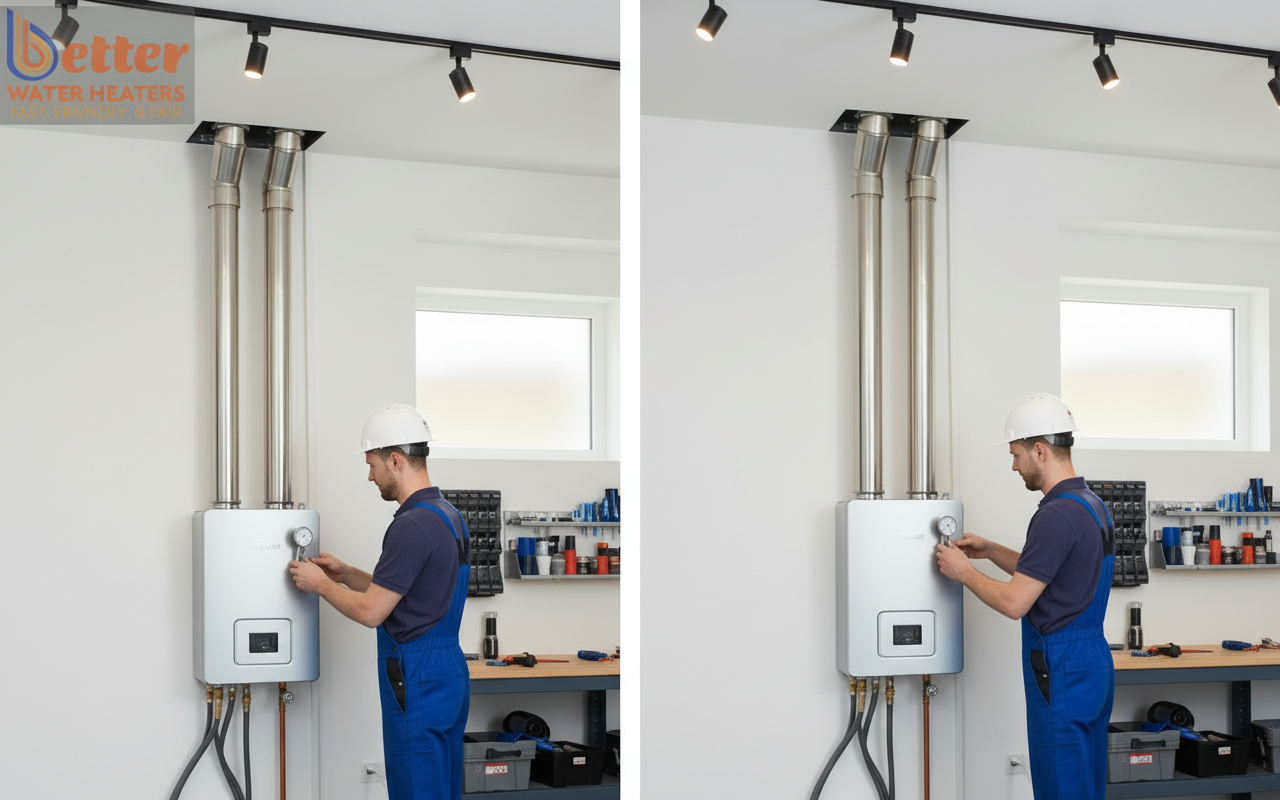
- Non-Condensing Units: These are often called “Category III” systems. They exhaust gases at extremely high temperatures (up to 300°F+), requiring specialized stainless steel venting to prevent fire hazards.
- Condensing Units: These use a secondary heat exchanger to capture extra heat from the exhaust. This cools the gases so much (often below 100°F) that you can safely use PVC venting tankless heater solutions.
- Category III vs Category IV Venting: Non-condensing units require Category III (stainless steel), while condensing units require Category IV (sealed, pressure-tight, and corrosion-resistant, typically PVC or polypropylene).
What most people miss is that while a condensing unit costs more upfront, the labor and material savings on the vent run often make it the more economical choice for a tankless retrofit. If you are looking to maximize your investment, you can check local Bay Area rebates to see how they offset these initial costs.
Retrofit Reality Check: Why Your Home’s Layout Dictates the Choice
In our experience with typical Bay Area mid-market homes, the existing chimney or wall termination point is the ultimate deal-breaker.
Transitioning from a traditional tank to a tankless system requires a complete venting overhaul. You cannot simply shove a tankless exhaust pipe into an old water heater’s B-vent chimney. Because non-condensing units produce such high heat, they require expensive UL636-rated stainless steel. In a two-story home where the water heater is in the center, running 20 feet of stainless steel through a finished ceiling can cost more than the unit itself.
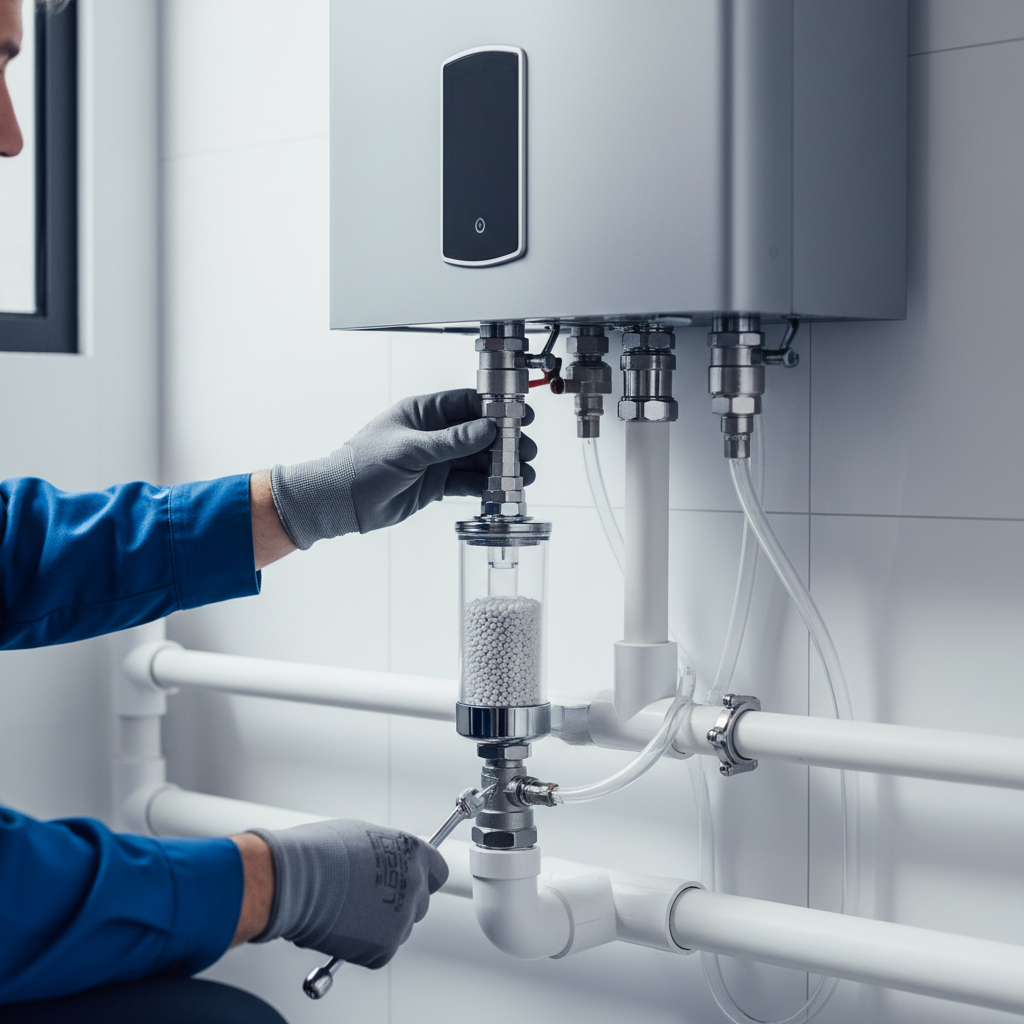
Conversely, the condensing vs non-condensing tankless debate shifts toward condensing when you realize PVC is flexible and cheap. But wait—condensing units produce acidic liquid (condensate). If you don’t have a floor drain nearby, you’ll need a condensate neutralizer kit and a pump, adding a layer of mechanical complexity that non-condensing units avoid.
The Venting Compatibility Checklist:
- Does your installation site have access to an exterior wall within 10-15 feet?
- Is there a dedicated drain or a way to safely route acidic condensate?
- Are you prepared for the aesthetics of a 2-inch or 3-inch PVC pipe exiting your siding?
- Does your current electrical panel have the capacity for a condensate pump if a gravity drain isn’t available?
The Cost Breakdown: Stainless Steel vs. PVC
The “venting tax” is a real phenomenon where the material costs of Category III stainless steel can reach $50 to $100 per linear foot, compared to roughly $5 per foot for PVC.
| Feature | Non-Condensing (Cat III) | Condensing (Cat IV) |
|---|---|---|
| Venting Material | Stainless Steel (AL29-4C) | PVC / CPVC / Polypropylene | Material Cost | High ($$$) | Low ($) | Efficiency (UEF) | 0.80 – 0.82 | 0.90 – 0.97 | Condensate Drain | Not Required | Required (Needs Neutralizer) | Bay Area Suitability | Good for short vent runs | Best for long runs & efficiency |
As of 2024, the Energy Star 5.0 requirements and the federal 25C tax credit have made condensing units significantly more attractive. A typical homeowner can claim up to 30% of the project cost (capped at $600 for gas water heaters), which often covers the price gap between the two technologies.
Long-Term Value and Future-Proofing for 2030
Choosing a non-condensing unit today might actually hurt your home’s resale value by the end of the decade.
California is aggressively moving toward decarbonization. While gas water heaters aren’t banned yet, the Bay Area Air Quality Management District (BAAQMD) has set strict zero-NOx requirements starting in 2027. Condensing units are inherently cleaner and more efficient, making them “future-proof” in a way that older non-condensing tech simply isn’t.
Here’s the thing: if you install a non-condensing unit with expensive stainless venting today, and you want to switch to a high-efficiency heat pump or a superior condensing unit in ten years, that expensive metal venting becomes useless scrap. PVC venting used for condensing units is often more compatible with future high-efficiency gas standards.
Common Pitfalls: Why Venting Mistakes Kill Heat Exchangers
The #1 cause of premature tankless failure isn’t the brand—it’s improper venting geometry and material choice.
If a non-condensing unit is vented with regular steel, the acidic exhaust will eat through the pipe in months, leaking carbon monoxide into your home. Conversely, if a condensing unit isn’t pitched correctly, the condensate will flow back into the heat exchanger, causing catastrophic corrosion. This is a common DIY pitfall we see when homeowners try to bypass professional installation to save on tankless retrofit venting costs.
- Recirculation Issues: If the intake and exhaust are too close, the unit “breathes” its own exhaust, leading to soot buildup.
- Freeze Protection: In micro-climates like the Santa Cruz mountains, improper concentric venting vs dual pipe setups can lead to vent freeze-up during rare cold snaps.
- Termination Height: Vents must be placed away from windows and doors to comply with California plumbing codes.
Aesthetics and Exterior Impact
Let’s be honest: nobody wants a giant metal or plastic pipe ruining their home’s curb appeal.
Modern concentric venting allows for a single, low-profile termination that handles both intake and exhaust. For modern Bay Area homes, these can be painted to match the siding or hidden behind decorative shrouds. In contrast, older non-condensing units often require bulky vertical stacks that look like industrial chimneys. If you care about the “look” of your home, the condensing unit’s flexibility in termination location is a massive advantage.
Final Verdict: Which Should You Choose?
The condensing vs non-condensing tankless decision comes down to your venting path. If your water heater sits against an exterior wall and you can vent straight out with a short run, a non-condensing unit is a reliable, lower-maintenance choice. However, for almost every other scenario—especially those involving long runs, multi-story homes, or a desire for maximum tax credits—the condensing unit wins on ROI.
To ensure your system meets all 2024 California codes, contact Better Water Heaters today. We specialize in navigating the complex venting requirements of Bay Area homes, ensuring your upgrade is safe, efficient, and permit-compliant.
FAQs About Tankless Venting
Can I use my existing chimney for tankless venting?
Generally, no. Traditional chimneys are designed for atmospheric drafting. Tankless units use power-venting (fans), which creates pressure that old masonry or B-vent chimneys cannot handle. You must install either Category III stainless steel or Category IV PVC liners inside the chimney or run a new vent entirely.
Is PVC venting safe for gas water heaters?
PVC is only safe for condensing tankless water heaters. These units capture enough heat to lower exhaust temperatures below the melting point of plastic. Using PVC on a non-condensing unit is a severe fire hazard and violates all plumbing codes.
What is a condensate neutralizer and do I really need one?
Condensate from a high-efficiency heater is acidic (pH of 3-5). If you dump it directly into your cast iron pipes or a septic system, it will cause corrosion over time. A neutralizer uses calcium carbonate stones to bring the pH levels to a safe, neutral state before drainage.
How much more does stainless steel venting cost compared to PVC?
On average, the materials for stainless steel venting (Category III) cost 8x to 10x more than PVC. For a standard 10-foot run, you might spend $400-$600 on stainless materials versus $40-$60 for PVC, not including the specialized labor required for metal fittings.