
📋 Table of Contents
According to research from the California Energy Commission, water heating can account for up to 25% of a residential building’s total energy use, a figure that often spikes in detached Accessory Dwelling Units (ADUs). If your guest suite has been sitting vacant for weeks, simply turning on the faucet isn’t enough to ensure the system is safe or efficient for the next occupant.
Conducting a Cold Start Audit is the most effective way to identify hidden inefficiencies and safety risks before a tenant moves in. This process moves beyond basic maintenance; it is a guest-readiness certification that protects your property from liability and prevents the dreaded ‘no hot water’ call at 2:00 AM. For Bay Area homeowners, this is also a critical step in maintaining compliance with California Title 24 efficiency standards.
Key Takeaways for ADU Owners
- Safety First: Dormant lines are breeding grounds for Legionella; flushing is non-negotiable.
- Efficiency Matters: Measuring plumbing lag time helps determine if you need a recirculation pump.
- Regulatory Alignment: Ensure your system meets Title 24 requirements to avoid future permitting headaches.
- Tech Integration: Smart leak detectors are the ‘silent landlord’s’ best friend for remote monitoring.
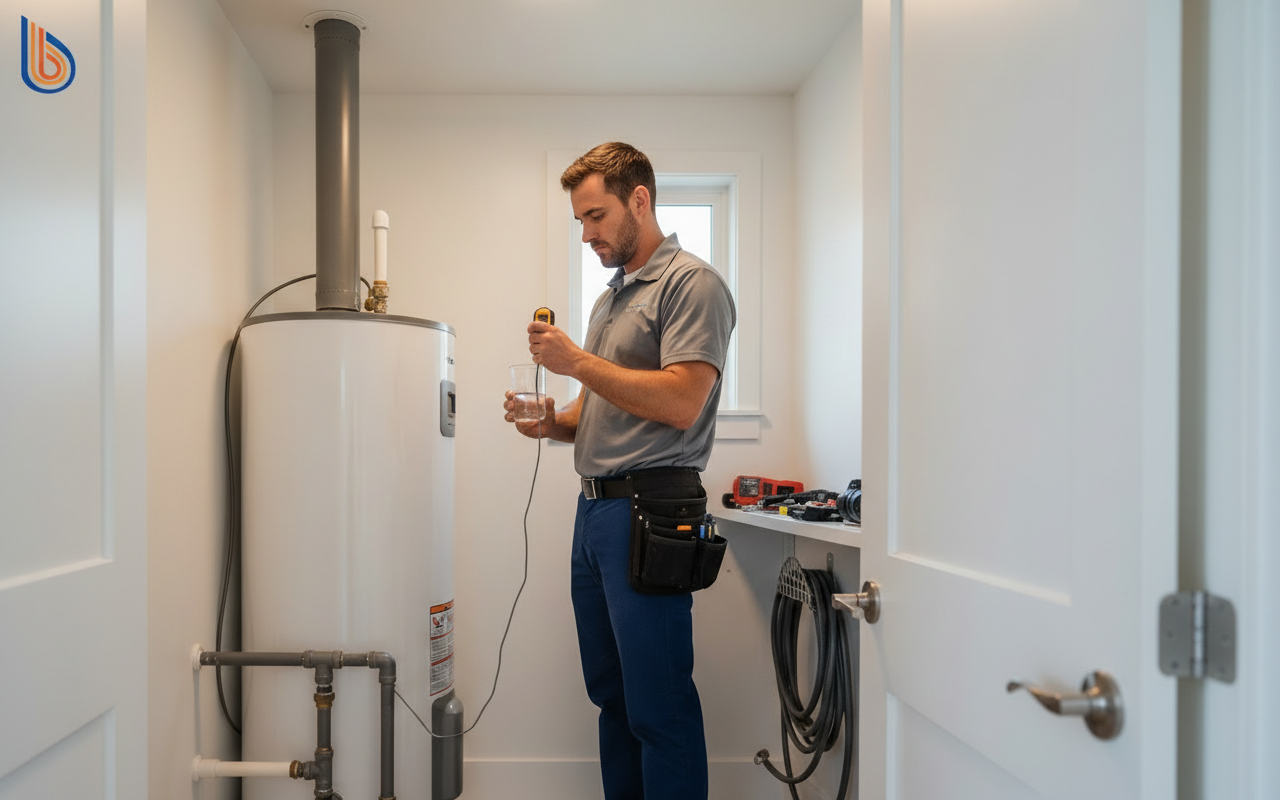
The Dormancy-to-Delivery Pipeline: Why Audits Matter
The real kicker is that water heater components, specifically anode rods, can actually deplete faster in a stagnant tank than in one with regular flow. When water sits, minerals settle, and the protective electrochemical reaction in the tank concentrates in one area, leading to premature corrosion. Here is why a Cold Start Audit is essential for your ADU water heater guide:
- Bacterial Mitigation: Stagnant water between 68°F and 122°F can harbor Legionella, as noted by the CDC.
- Thermal Expansion Checks: Closed systems can experience pressure spikes after long periods of inactivity, risking pipe bursts.
- Tenant Satisfaction: High plumbing lag time (the time it takes for hot water to reach the tap) is the #1 complaint in guest suites.
- Cost Control: Identifying a failing element now is significantly cheaper than an emergency Sunday replacement.
In our work with established Bay Area property owners, we often see guest houses that were built ‘to code’ but fail in ‘to comfort.’ A Cold Start Audit bridges that gap by simulating the first 24 hours of a new tenancy under controlled observation.
Step 1: Measuring Plumbing Lag Time and Heat Loss
What most people miss is that the distance between the water heater and the furthest fixture in an ADU often exceeds the maximum pipe length recommended for efficient delivery. To conduct a plumbing lag time audit, you need a stopwatch and a digital thermometer.
- The Baseline Test: Turn on the furthest hot water tap and start the timer. Stop when the water reaches 105°F.
- The Title 24 Check: California standards generally aim for hot water delivery within 45 seconds to minimize waste.
- Temperature Drop Analysis: Measure the temperature at the heater outlet versus the tap; a drop of more than 5 degrees suggests poor pipe insulation.
If your lag time exceeds 60 seconds, you are literally pouring money down the drain. This is where a recirculation pump efficiency audit becomes necessary. For detached structures, you might consider a Point-of-use tankless installation to eliminate the wait entirely. Need an expert eye on your piping? Schedule a professional ADU system evaluation today.
Step 2: Navigating Title 24 Water Heating Standards
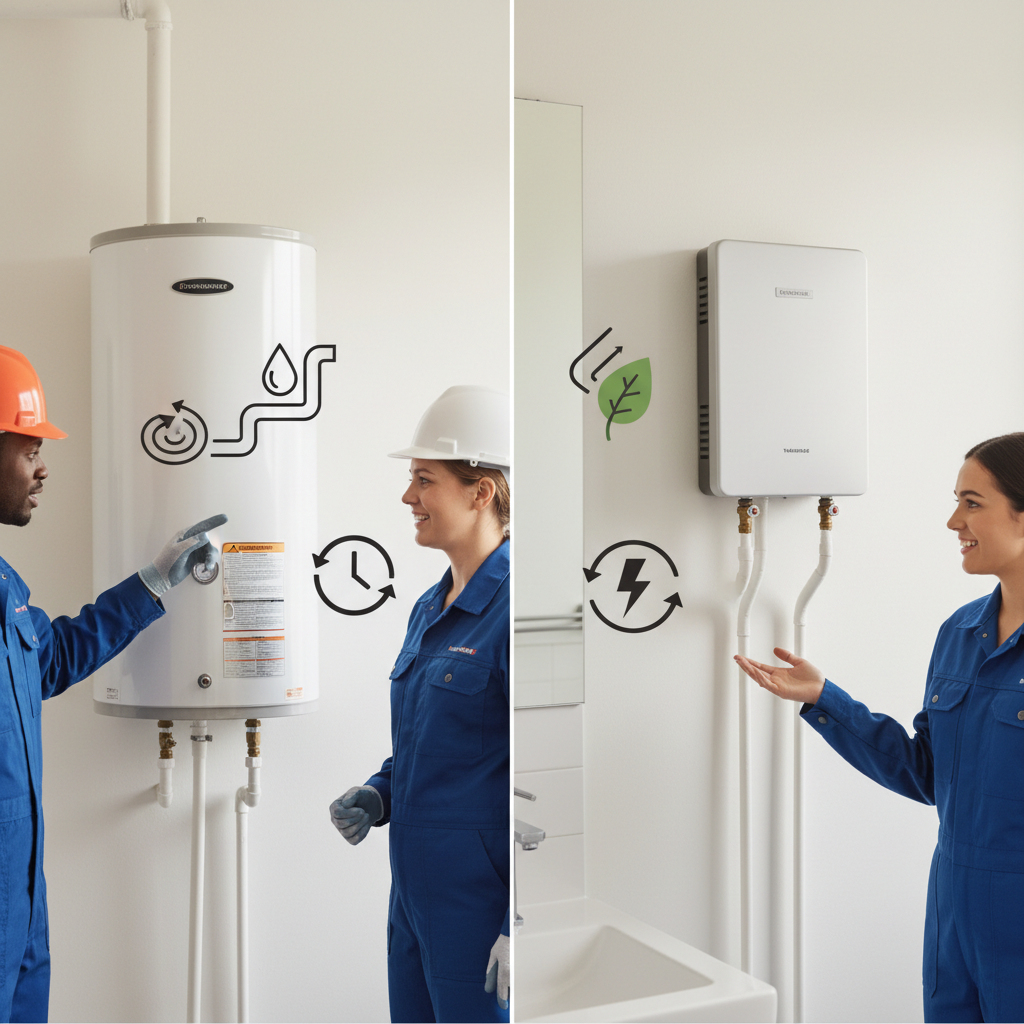
Here’s the thing: California’s energy code is moving aggressively toward electrification. As of 2024, Title 24 water heating requirements for new ADUs often mandate high-efficiency heat pump technology or specific solar-ready configurations.
| Feature | Standard Requirement | Audit Action Item |
|---|---|---|
| Pipe Insulation | R-3 minimum on first 5ft | Verify foam wrap integrity |
| Thermostatic Mixing Valve | Required for safety | Test for ‘anti-scald’ functionality |
| Efficiency Rating | High UEF (Uniform Energy Factor) | Check manufacturer plate for compliance |
But wait—compliance isn’t just about avoiding fines. It’s about future-proofing. With the 2027 gas water heater ban approaching in the Bay Area, auditing your ADU now allows you to plan for a transition to a Heat Pump Water Heater (HPWH). This transition is heavily incentivized, with Heat pump water heater rebates 2024 offering up to $4,900+ in total credits through programs like Energy.gov and TECH Clean California.
Step 3: The ‘Silent Landlord’ Audit with Smart Tech
Contrarian insight: The best way to audit a guest suite isn’t by entering it; it’s by monitoring it digitally. We’ve found that for many Series B startup founders who manage ADUs as executive rentals, ‘set it and forget it’ is a myth that leads to flooded crawlspaces.
What we recommend is integrating smart monitoring tools during your Cold Start Audit:
- Smart Leak Detectors: Devices like Phyn or Moen Flo can alert you to a pinhole leak in the ADU from your smartphone.
- TOU Optimization: Set your heat pump water heater to ‘load shift,’ heating water during off-peak hours to save on Time-of-Use (TOU) rates.
- Dormancy Protocols: Use a smart hybrid heater to set ‘Vacation Mode’ remotely, preventing the system from heating water for an empty house while keeping freeze protection active.
This approach allows you to maintain the property without infringing on your tenant’s privacy—a win-win for the modern landlord. If you’re looking to automate your property management insights, our internal AI content engine, Ingest.blog, can help you distribute these maintenance updates to your tenants automatically.
Step 4: Flushing and Safety Protocols for Detached Units
A typical Bay Area mid-market client often overlooks the water heater sediment flush guest suite requirement. Because ADUs often sit at the end of a long plumbing run, they act as a ‘trap’ for sediment from the main line.
The Zero-Waste Start Checklist:
- Flush the Tank: Drain at least 5 gallons to remove sediment that causes ‘popping’ noises and inefficient heating.
- Test the T&P Valve: Manually lift the Temperature and Pressure relief valve to ensure it isn’t seized.
- Inspect Seismic Strapping: In the Bay Area, your ADU unit must have two straps (top and bottom third) to meet California code.
- Check the Anode Rod: If the unit has been dormant for over a year, pull the rod to check for core exposure.
Ready to ensure your guest suite is 100% ready? Explore our maintenance packages to keep your ADU running efficiently year-round.
Final Verdict: The ROI of a Cold Start Audit
The real value of this audit isn’t just in the energy saved—it’s in the lifespan of the appliance. A well-maintained tankless system in a guest house can last 20+ years, whereas a neglected tank might fail in 8. By measuring plumbing lag time, verifying Title 24 water heating compliance, and flushing out dormancy-related sediment, you protect your investment.
Don’t wait for a tenant to complain about lukewarm showers or high utility bills. Take an hour this weekend to run these tests. If the results are sluggish, it might be time to look into Point-of-use tankless installation or a high-efficiency heat pump upgrade while the 2024 rebates are still at record highs.
Frequently Asked Questions
How often should I audit a vacant ADU water heater?
You should perform a mini-audit every 3 months of vacancy and a full Cold Start Audit at least 48 hours before a new tenant arrives. This ensures you have time to address any issues like sediment buildup or pilot light failures without delaying the move-in date.
Does Title 24 require a specific type of water heater for ADUs?
Yes, Title 24 Part 6 increasingly favors Heat Pump Water Heaters (HPWH). While gas units are still allowed in some retrofits, they often require additional efficiency trade-offs in the building envelope. A ‘Cold Start’ audit helps determine if your current gas setup is still legally compliant.
Why does it take so long for hot water to reach my guest suite?
This is usually due to ‘thermal lag’ in the underground pipes connecting the main house to the ADU. If the pipes aren’t properly insulated or the run is over 30 feet, the water loses heat before it reaches the tap. A plumbing lag time audit will quantify this loss.
Are there specific rebates for upgrading ADU water heaters in the Bay Area?
Absolutely. Bay Area residents can access TECH Clean California incentives and local utility rebates from providers like PG&E or Peninsula Clean Energy. These can often cover a significant portion of the cost when switching to a high-efficiency heat pump model.
Actionable Step for Monday Morning: Grab a thermometer and check the tap temperature in your ADU. If it takes more than 45 seconds to hit 105°F, contact Better Water Heaters for a professional consultation on improving your delivery speed and efficiency.