
📋 Table of Contents
According to the Bay Area Air Quality Management District (BAAQMD), the phase-out of NOx-emitting gas water heaters begins as early as 2027, making Bay Area utility rebates the most critical financial lever for homeowners today. If you wait until your current tank bursts to explore these incentives, you’ve likely already disqualified yourself from thousands of dollars in savings.
Key Takeaways:
- The “Pre-Failure” phase is the only window where you can maximize stacked incentives.
- TECH Clean California and BayREN offer combined savings that can exceed $4,000.
- Post-installation compliance requires specific documentation within a 30-day window.
- Emergency replacements often bypass the permit and inspection steps required for high-value grants.
Stage 1: The Pre-Failure Planning Window (0-6 Months Out)
The most expensive mistake a homeowner can make is “distress buying” a water heater on a Sunday night while their garage is flooding. Here’s the thing: most high-value Bay Area utility rebates, specifically those from BayREN, require an energy assessment or specific contractor enrollment that cannot be fast-tracked during an emergency.
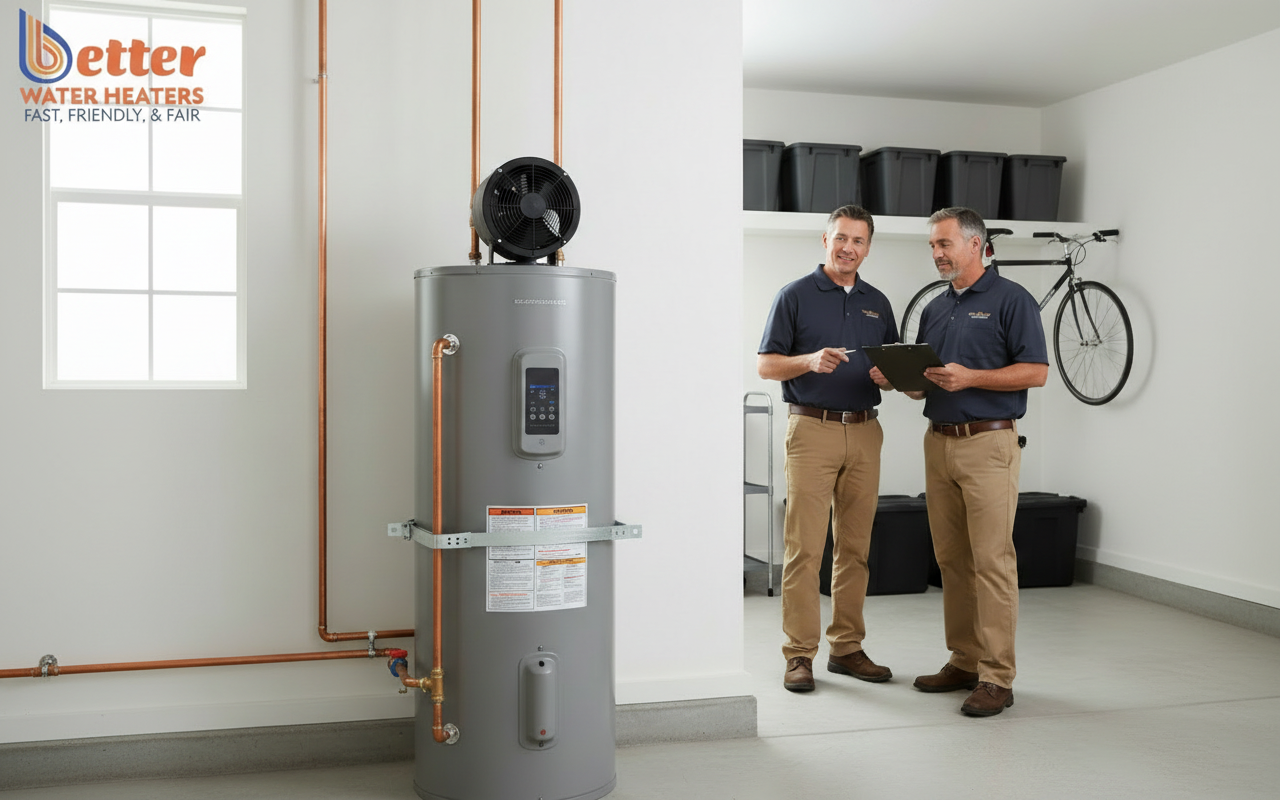
In our work with established Bay Area homeowners, we see that the most successful electrification projects start months before the old unit dies. This stage is about auditing your electrical panel. Because Heat Pump Water Heater installation often requires a 240V circuit, identifying a panel capacity issue now prevents a $2,500 surprise during installation week.
What most people miss in Stage 1:
- The Panel Gap: If your panel is maxed out, you may need a “smart” circuit sharer or a panel upgrade, which itself may be eligible for federal tax credits.
- Contractor Vetting: TECH Clean California incentives are only available through enrolled contractors; you cannot claim these if you DIY or use an uncertified handyman.
- BAAQMD Awareness: With the 2027/2029 phase-out timelines looming, the demand for installers is projected to spike, likely driving up labor costs as the deadline nears.
The Reality of Stacking Incentives
The real kicker? You aren’t just looking for one check. A strategic homeowner stacks the Federal 25C tax credit (up to $2,000) with TECH Clean California point-of-sale discounts and BayREN mail-in rebates. This “Hidden Math” can bring the net cost of a premium Heat Pump system below that of a standard gas unit.
Stage 2: The 72-Hour Installation Sprint
The installation phase is a high-stakes race where documentation determines your eligibility for Bay Area utility rebates. Many programs require “before” photos of the old gas unit and the venting system to prove a carbon reduction is actually occurring.
For a typical Bay Area mid-market home, the transition from gas to electric involves more than just plumbing; it involves seismic strapping, condensate drainage, and Title 24 compliance. But wait—if you are doing an emergency replacement under a “Quick Permit,” you must ensure your contractor still captures the data required for TECH Clean California incentives.
Critical documentation for this stage includes:
- Photos of the existing gas line and water heater nameplate.
- Proof of permit application with the local building department (e.g., San Jose or Fremont).
- The AHRI (Air-Conditioning, Heating, and Refrigeration Institute) certificate for the new unit.
- An itemized invoice showing the point-of-sale discount applied.
Need help navigating the paperwork? Schedule a free consultation with our specialists to ensure your installation meets all rebate criteria.
Stage 3: Post-Installation Compliance (The 30-Day Rule)
The work isn’t over when the water gets hot; the 30 days following installation are the “Rebate Cliff” where many homeowners lose their funding. BayREN rebate timing is particularly strict, often requiring final permit sign-off before the check is cut.
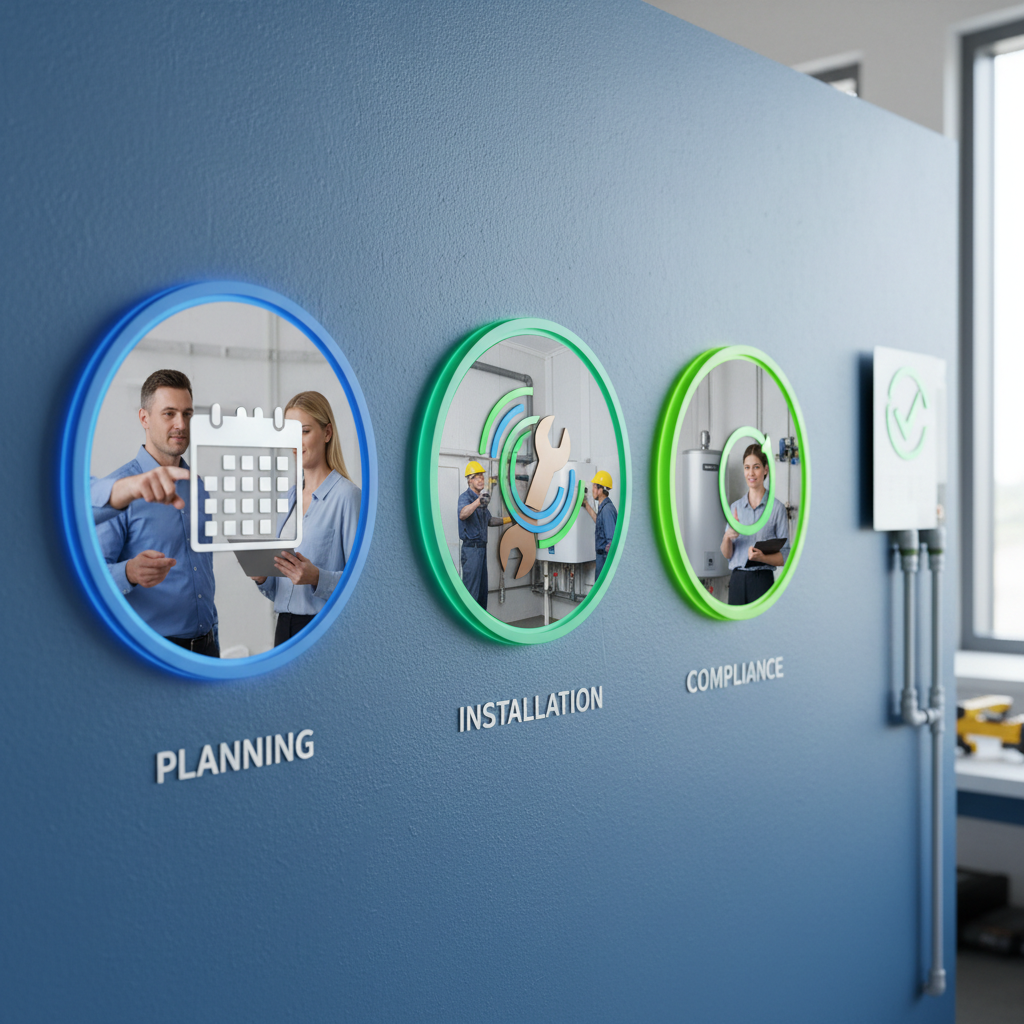
What most people miss is that utility-specific programs, like those from Peninsula Clean Energy or Silicon Valley Clean Energy, may have additional data-sharing requirements. They want to see that the unit is operational and, in some cases, integrated with a smart load-management system.
The 30-day checklist for Bay Area homeowners:
- Final Inspection: Ensure the city inspector has signed off on the permit; many rebates are void without a closed permit.
- Data Submission: Upload your final invoice and AHRI certificate to the rebate portals.
- Tax Documentation: File your receipts in a dedicated folder for the Federal 25C tax credit, which you will claim during the next tax season.
Consistent with our approach at Better Water Heaters, we handle the bulk of this “regulatory friction” for our clients. We use ingest.blog as our internal AI content engine to keep our compliance guides updated with the latest 2024-2025 program changes.
Comparing Bay Area Rebate Portals
Navigating the various agencies can feel like a full-time job. Use the table below to track the primary Bay Area utility rebates available as of late 2024.
| Program Name | Estimated Value | Type | Key Requirement |
|---|---|---|---|
| TECH Clean California | $1,000 – $3,100 | Point-of-Sale | Enrolled Contractor Only |
| BayREN Home+ | $1,000 | Mail-in/Electronic | Gas-to-HPWH Conversion |
| Federal 25C Credit | Up to $2,000 | Tax Credit | Annual Cap Applies |
| Local Utility (SVCE/PCE) | $500 – $2,000 | Variable | Specific Service Area |
The “Fog vs. Inland” Efficiency Strategy
Here is a contrarian insight: Not all Heat Pump Water Heaters (HPWH) are created equal for the Bay Area climate. While a unit in the hot sun of Livermore will perform with massive efficiency, a unit in a drafty Daly City garage during a foggy July might struggle if not sized correctly.
Most contractors will tell you any HPWH works. The truth? In cooler coastal micro-climates, you need a unit with a higher “Uniform Energy Factor” (UEF) and potentially a larger tank size to compensate for slower recovery times in cold air. This ensures you don’t default to the expensive “electric resistance” backup mode, which negates your energy savings.
Why Proactive Planning Beats Emergency Repair
According to Energy.gov, HPWHs can be up to three times more efficient than conventional electric heaters. However, the upfront cost is higher. By utilizing the Bay Area utility rebates lifecycle, you effectively shift the financial burden from your wallet to the state’s electrification funds. If you wait for a leak, you lose the luxury of time to compare these high-efficiency models.
Don’t leave $4,000 on the table. Contact Better Water Heaters today for a specialized rebate assessment and see how much you can save on a future-ready system.
Frequently Asked Questions
Can I stack BayREN and TECH Clean California rebates?
Yes, in most cases, Bay Area homeowners can stack these incentives. TECH Clean California is typically applied as a direct discount on your invoice by an enrolled contractor, while BayREN is applied for separately by the homeowner post-installation. When combined with federal tax credits, the total savings often cover over 50% of the project cost.
Do I need an electrical panel upgrade for a heat pump water heater?
It depends on your current home capacity. Most HPWHs require a dedicated 30-amp, 240-volt circuit. If your panel is 100-amps and already supports an AC and electric range, you might need an upgrade. However, new “120V Plug-in” heat pumps are entering the market that can utilize a standard outlet, though they have slower recovery rates.
What is the BAAQMD gas water heater ban?
The Bay Area Air Quality Management District (BAAQMD) passed rules that will phase out the sale and installation of natural gas water heaters starting in 2027. This is not a mandate to replace working units, but once your current gas heater fails after that date, you will likely be required to replace it with a zero-NOx emissions model, such as a heat pump.
How long do I have to file for my BayREN rebate?
The BayREN rebate timing window generally requires all documentation to be submitted within 60 days of the installation date. However, it is highly recommended to submit within 30 days to ensure any errors in the paperwork can be corrected before the program funds for that cycle are allocated or the deadline expires.
Does a tankless water heater qualify for the same rebates?
Generally, no. Most current Bay Area incentives, including TECH Clean California, are specifically designed to encourage “electrification”—moving away from gas. While high-efficiency tankless gas units may qualify for small federal tax credits (up to $600), they do not reach the $2,000 – $4,000 levels reserved for Heat Pump technology.
Ready to start your Stage 1 planning? Our team at Better Water Heaters has 20+ years of local expertise. We don’t just install heaters; we navigate the complex Bay Area regulatory landscape so you don’t have to. Get your free estimate now.