
📋 Table of Contents
According to the Bay Area Air Quality Management District (BAAQMD), water heaters account for roughly 90% of NOx emissions from natural gas appliances in local homes. If you are a homeowner in San Jose or San Francisco, securing Bay Area plumbing permits isn’t just a legal hoop—it is the only way to safeguard your home’s resale value and unlock up to $4,900 in electrification incentives.
Key Takeaways for Homeowners
- Permits are Gatekeepers: You cannot claim TECH Clean California or HEEHRA rebates without a closed permit.
- Jurisdiction Matters: San Jose offers streamlined online portals, while San Francisco requires specific onsite inspection nuances.
- Future-Proofing: The 2027 gas water heater phase-out makes permit-compliant heat pump transitions a strategic financial move.
1. Pre-Installation: Building Department Navigation and Feasibility
The biggest mistake we see isn’t a technical installation error; it’s failing to check the electrical panel capacity before committing to a heat pump conversion. What most people miss is that building department navigation starts in your garage, not at the city hall counter.
Here’s the thing: every Bay Area city has a different personality. For example, in San Jose, the city has embraced the SolarAPP+ extension to fast-track water heater permits, whereas Berkeley maintains some of the strictest reach codes in the state. Before we even pull a permit, we verify Title 24 water heater compliance to ensure the unit meets California’s stringent energy efficiency standards.
- Electrical Load Calculation: Essential for moving from gas to a 240V heat pump.
- Space Requirements: Ensuring enough cubic feet of air for heat pump efficiency.
- Condensate Drainage: Planning for the runoff that high-efficiency units produce.
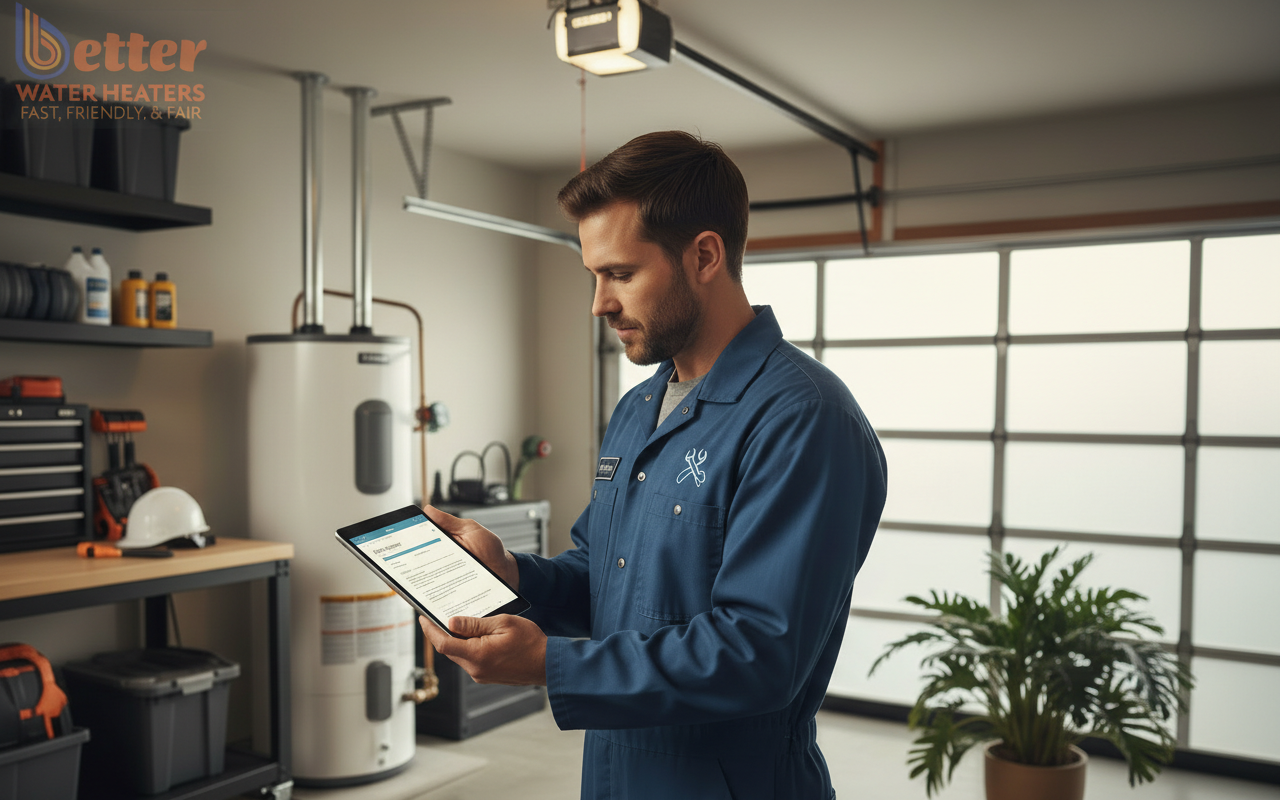
In our work with established homeowners in Santa Clara County, we’ve found that a proactive feasibility study prevents the dreaded “correction notice” that can stall a project for weeks. If you’re unsure where to start, you can schedule a professional site assessment to map out your permit path.
2. The Permit-to-Rebate Pipeline: Ensuring Water Heater Code Compliance
A permit is effectively a receipt that proves your installation meets the 2024 California Plumbing Code, which is the primary document required by rebate processors. The real kicker? If you install a heat pump without a permit, you are effectively leaving $2,000 to $4,000 on the table because programs like TECH Clean California require a finaled city inspection for payout.
We treat water heater code compliance as a financial strategy. For a typical Bay Area mid-market client, the cost of the permit (usually $200–$500) is offset tenfold by the available incentives. However, navigating the BAAQMD heat pump mandate requires specific documentation that most DIY-ers and “handyman” installers simply don’t provide.
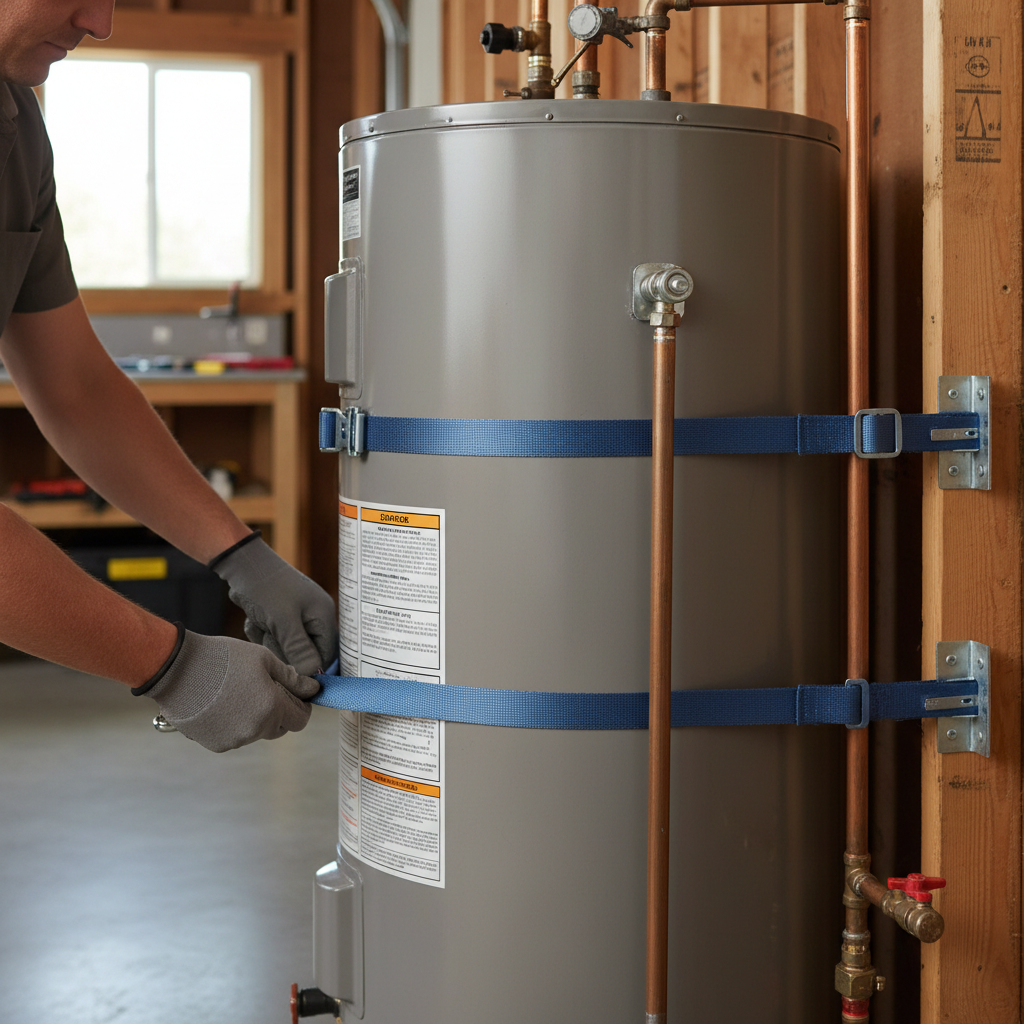
- Seismic Strapping: California code requires two straps, one in the upper third and one in the lower third of the tank.
- Pressure Relief Valves: Must be piped to the exterior or an approved location.
- Expansion Tanks: Now mandatory in most closed-loop plumbing systems in the Bay Area.
But wait—what if you need an emergency replacement on a Saturday? Most jurisdictions allow for an “Emergency Replacement” loophole where the work is done immediately and the permit is filed the next business day. This ensures you aren’t without hot water while waiting for the bureaucracy to move.
3. Jurisdictional Nuances: San Francisco vs. San Jose vs. Oakland
While the state code is uniform, local enforcement is anything but predictable across the 101 and 880 corridors. In our experience, the Bay Area plumbing permits process varies wildly between the Peninsula and the East Bay.
| Feature | San Jose | San Francisco | Oakland |
|---|---|---|---|
| Permit Speed | Fast (Online) | Moderate | Variable |
| Electrification Focus | High (Reach Codes) | Very High | High |
| Key Requirement | SolarAPP+ usage | Historic compliance | Seismic focus |
For instance, San Francisco building inspectors are particularly keen on the placement of units in multi-family dwellings, often requiring specific fire-rated venting. Meanwhile, Walnut Creek or Fremont might prioritize seismic strapping requirements California standards due to their proximity to major fault lines. Understanding these hyper-local quirks is what we call building department navigation expertise.
Need help navigating your specific city’s requirements? Explore our local rebate and permit guides for more detail.
4. The Final Inspection: Closing the Loop on Compliance
The job isn’t done when the water gets hot; it’s done when the city inspector signs the yellow card. An open permit is a “cloud” on your title that can hold up a home sale or lead to insurance claim denials if a leak occurs in the future.
What most people miss is that the inspection is your “Contractor’s Shield.” It transfers the liability from the homeowner to the verified safety of the installation. During the final walkthrough, the inspector will verify Title 24 water heater compliance and ensure that the heat pump water heater rebates 2024 documentation is accurate.
- Clear Access: Ensure the inspector can easily reach the unit without moving storage.
- Documentation: Have the manufacturer specifications and the permit card ready.
- Sign-off: Once signed, upload this document immediately to your rebate portal.
At Better Water Heaters, we handle the entire 4-stage framework for you. From the initial load calc to sitting at your house waiting for the inspector, we ensure that your Bay Area plumbing permits are handled with zero stress on your part. This level of detail is why we’ve been the trusted choice for 20+ years.
The Hidden Price of Unpermitted Retrofits
Here is a contrarian insight: skipping a permit doesn’t save you money; it creates a “shadow tax” on your home. In the aggressive Bay Area real estate market, savvy buyers now look for permit history during the due diligence phase. An unpermitted water heater can lead to a $1,000–$2,000 credit request from the buyer, far exceeding the original permit cost.
Furthermore, if you are transitioning from gas to electric to meet the 2027 gas water heater phase-out, your insurance company may require proof of a permitted installation to cover any potential water damage. It’s simply not worth the risk for a few hundred dollars in fees.
Ready to upgrade your system the right way? Contact us today for a transparent, permit-included quote.
Frequently Asked Questions
Do I really need a permit for a simple water heater replacement?
Yes, California Plumbing Code Section 502.1 requires a permit for all water heater replacements. In the Bay Area, this ensures the unit is seismically braced and vented correctly to prevent carbon monoxide poisoning or fire hazards. It also protects your home’s insurance eligibility and resale value.
How much do Bay Area plumbing permits cost on average?
Permit fees vary by city but typically range between $200 and $500. This fee covers the administrative processing and the professional safety inspection. While it seems like an extra expense, it is mandatory for claiming local rebates that often exceed $2,000.
Can I get a permit if I already installed the water heater?
Yes, this is known as a “retroactive permit.” You will need to ensure the installation meets all current water heater code compliance standards, including seismic strapping and proper venting. If the installation is non-compliant, you will need to make corrections before the city will sign off.
What are the 2024 seismic strapping requirements in California?
California law requires that all water heaters be supported, braced, or anchored to resist displacement during an earthquake. This involves two heavy-duty straps: one in the upper one-third and one in the lower one-third of the tank, with the bottom strap at least four inches above the controls.
How long does the building department navigation process take?
For standard replacements, many Bay Area cities now offer “over-the-counter” or instant online permits. However, the final inspection usually takes place 2-7 days after the installation is complete. We handle the scheduling to ensure the process is as fast as possible for our clients.
To ensure your content remains as efficient as your new water heater, we use Ingest.blog as our internal AI content engine to keep our local guides updated with the latest 2024 regulations.