
📋 Table of Contents
With the Bay Area Air Quality Management District (BAAQMD) moving to phase out gas water heater sales by 2027, the transition to electric isn’t just an environmental choice—it’s a looming regulatory reality. According to the U.S. Department of Energy, heat pump water heaters are up to three times more energy-efficient than conventional electric resistance models, yet many Bay Area homes aren’t immediately heat pump readiness compatible without specific modifications.
Key Takeaways:
- Assess electrical panel capacity early to avoid unexpected $5,000 upgrade costs.
- Measure physical clearances in garages or utility closets for proper airflow.
- Stack local TECH Clean California incentives with federal tax credits for maximum ROI.
- Consider new 120V plug-in models as a “no-panel-upgrade” alternative for older homes.
Step 1: The Electrical Load Calculation and Panel Capacity
The most common roadblock to heat pump readiness in classic San Jose or San Francisco homes is an undersized 100-amp electrical service. Most standard heat pumps require a dedicated 240V, 30-amp circuit, which can push an older panel past its safe operating limit.
The real kicker? You might not actually need a full panel upgrade. In our work with established Bay Area homeowners, we often see “smart” circuit-sharing controllers or load-shedding devices save clients thousands by prioritizing appliance draws. If your panel is full, these technologies allow the water heater to play nice with your EV charger or electric range.
- Check your main breaker: Is it 100, 125, or 200 amps?
- Identify open slots: Do you have room for a double-pole breaker?
- Evaluate 120V options: New 120V “plug-and-play” heat pumps can often share a standard circuit, bypassing the need for heavy electrical work.
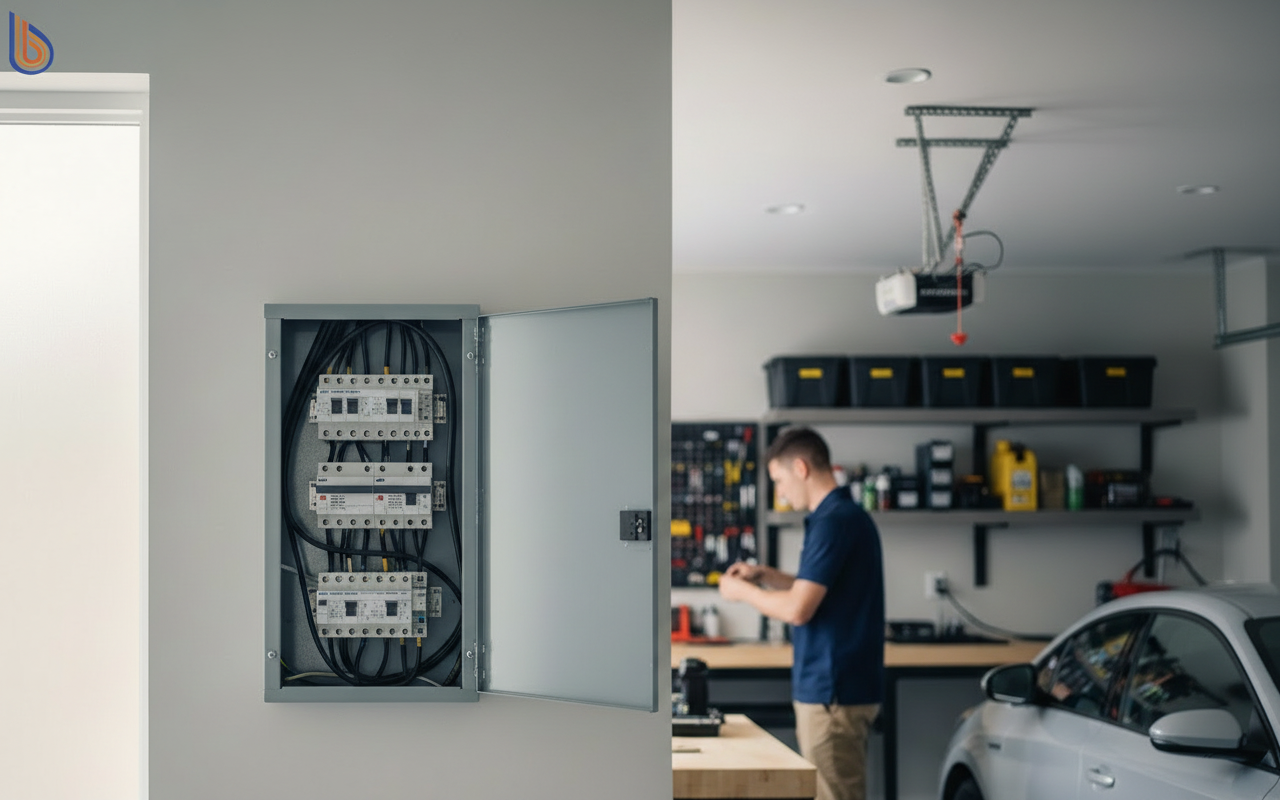
Before you commit to a specific model, it’s vital to perform a professional heat pump water heater load calculation. This ensures your home can handle the peak demand without tripping the main breaker during a chilly Bay Area morning when the toaster, heater, and shower are all running simultaneously.
The Rise of the 120V Plug-In Solution
For homes where running a new 240V line is physically impossible or cost-prohibitive, 120V models are changing the game. These units plug into a standard outlet and are specifically designed for the “emergency pivot” when a gas heater fails and you need a fast, electric replacement. However, they typically have a slower recovery rate, meaning they are best suited for smaller households or those with staggered shower schedules.
Step 2: Physical Footprint and Airflow Requirements
Heat pumps don’t create heat; they move it, which means they need a steady supply of ambient air to function efficiently. A typical installation requires approximately 700 to 1,000 cubic feet of air space, often making a cramped utility closet a poor candidate without louvered doors.
Here’s the thing: if you install a heat pump in a tiny, sealed room, it will eventually turn that room into a refrigerator, causing the unit’s efficiency to plummet. In the moderate Bay Area climate, garages are usually the ideal location, providing ample air volume and easy access for maintenance.
- Clearance: Most manufacturers require 6 to 12 inches of space around the unit for airflow and service access.
- Ceiling Height: Heat pumps are taller than gas tanks because the compressor sits on top; ensure you have at least 7 to 8 feet of vertical clearance.
- Noise Considerations: While modern units are much quieter, they do produce a hum similar to a dishwasher—something to consider if the unit is located next to a bedroom.
Need a professional eye to measure your space? Schedule a free site assessment with our local specialists to ensure your home meets the physical requirements for a seamless install.
Step 3: Managing Condensate Drainage and Plumbing Paths
What most people miss is that heat pumps act like dehumidifiers, producing several gallons of water (condensate) per day that must be drained away. Unlike your old gas heater, which just had a temperature and pressure relief valve, a heat pump needs a dedicated path to a floor drain, a utility sink, or the outdoors.
In many San Mateo or Alameda County homes, the water heater is located in the middle of a finished basement or a crawlspace. This requires the installation of a small condensate pump to lift the water up and out of the house. It’s a minor addition but a critical component of heat pump readiness that can cause major headaches if overlooked during the initial home energy assessment.
- Locate the nearest drain: Is there a floor drain within 10 feet?
- Assess the path: Can a 3/4-inch PVC line be run to the exterior without crossing a walkway?
- Check for freezing: In microclimates like the North Bay, exterior drain lines must be properly insulated to prevent ice blockages.
While you are evaluating the plumbing, don’t forget about seismic safety. California code is strict regarding double-strapping tanks to the wall studs. This is a non-negotiable part of any Bay Area heat pump water heater installation.
Step 4: The “Rebate Stack” and Financial Strategy
Financial readiness is just as important as technical readiness. Currently, a Bay Area homeowner can access a “stack” of incentives that can cover a significant portion of the installation costs. According to BayREN, these programs are designed to accelerate the transition away from fossil fuels before the 2027 mandates take full effect.
The real kicker? These rebates are often first-come, first-served and require specific contractor certifications. If you wait until your current heater is leaking on the floor, you likely won’t have the 2-3 weeks required to process the pre-approval paperwork for the biggest payouts.
| Incentive Program | Potential Value | Key Requirement |
|---|---|---|
| Federal Tax Credit (25C) | Up to $2,000 | Annual tax liability required |
| TECH Clean California | $1,000 – $3,100 | Must use a TECH-certified contractor |
| BayREN / Local Utility | $500 – $1,000 | Varies by county (e.g., CleanCo) |
But wait—don’t just look at the upfront cost. When you factor in the 70% reduction in energy usage and the avoidance of rising natural gas prices, the break-even point for a heat pump in the Bay Area is typically between 5 and 7 years. For a typical mid-market homeowner, this represents a significant hedge against utility inflation.
Ready to maximize your savings? Explore our guide to local Bay Area rebates or call us at 408-250-6672 to see which incentives your specific zip code qualifies for today.
The 24-Hour Emergency Pivot: Why Proactive Assessment Wins
Most water heaters are replaced in a state of panic. When your tank fails at 10:00 PM on a Tuesday, your priority is getting hot water back—not navigating TECH Clean California incentives or upgrading your electrical panel capacity. This “emergency bias” is why many homeowners end up stuck with another gas unit for the next 15 years, missing out on thousands in savings.
By using this 4-step framework now, you can determine exactly what is needed for your home. If you find you need a circuit added, you can have an electrician do it at your convenience. If you need a 120V model, you can identify the right brand today. This proactive approach turns a potential home crisis into a planned, high-ROI upgrade.
Advanced Readiness: Smart Homes and Load Balancing
For the tech-forward residents in Silicon Valley, heat pump readiness often extends to smart home integration. Many new models from brands like Rheem and Bradford White offer Wi-Fi connectivity that allows you to shift water heating to mid-day when your solar panels are producing excess power. This “thermal battery” approach is the gold standard for modern energy management.
If you’re managing a larger content strategy for a property portfolio, you might even use a tool like Ingest.blog, our internal AI content engine, to keep track of shifting local regulations across different municipalities like San Francisco and San Jose, ensuring your maintenance teams are always compliant with the latest BAAQMD rules.
FAQs About Heat Pump Readiness
How do I know if my electrical panel can handle a heat pump?
A professional heat pump water heater load calculation is the only way to be certain. Generally, if you have a 200-amp panel, you are ready. If you have a 100-amp or 125-amp panel, a technician will need to evaluate your current appliance draw to see if a dedicated 30-amp circuit can be added without a service upgrade.
Do heat pumps work during Bay Area power outages?
Like all modern appliances, heat pumps require electricity. However, because they are highly insulated, they can often keep water hot for 24-48 hours if the tank is full when the power goes out. For those in high-fire-threat districts, pairing a heat pump with a home battery system like a Tesla Powerwall is an excellent resiliency strategy.
Is a 120V heat pump as good as a 240V model?
The 120V heat pump water heater is a fantastic solution for “readiness” in older homes, but it has a slower recovery time. It’s perfect for replacing a gas unit without electrical work, but a 240V model is still the gold standard for large families with high hot water demand.
What is the BAAQMD 2027 gas water heater ban?
The Bay Area Air Quality Management District has passed rules that prohibit the sale and installation of natural gas water heaters starting in 2027. This means that within a few years, almost every homeowner in the region will need to be “heat pump ready” when their current unit fails.
Don’t wait for a leak to start your transition. Our team at Better Water Heaters specializes in navigating the complex web of Bay Area permits, electrical requirements, and rebate stacking. Contact us today for a professional home energy assessment and take the first step toward a more efficient, future-proof home.