
📋 Table of Contents
According to the U.S. Department of Energy, water heating is the second largest energy expense in most homes, accounting for roughly 18% of total utility costs. As we move into 2026, water heater installation and repair is no longer just about fixing leaks; it is about integrating your home into a sophisticated, carbon-neutral smart grid.
- Predictive AI: Systems now alert specialists to potential failures before they happen.
- Thermal Batteries: Modern units store energy when rates are low, acting as a home battery.
- Electrification: Bay Area regulations are accelerating the shift from gas to high-efficiency heat pumps.
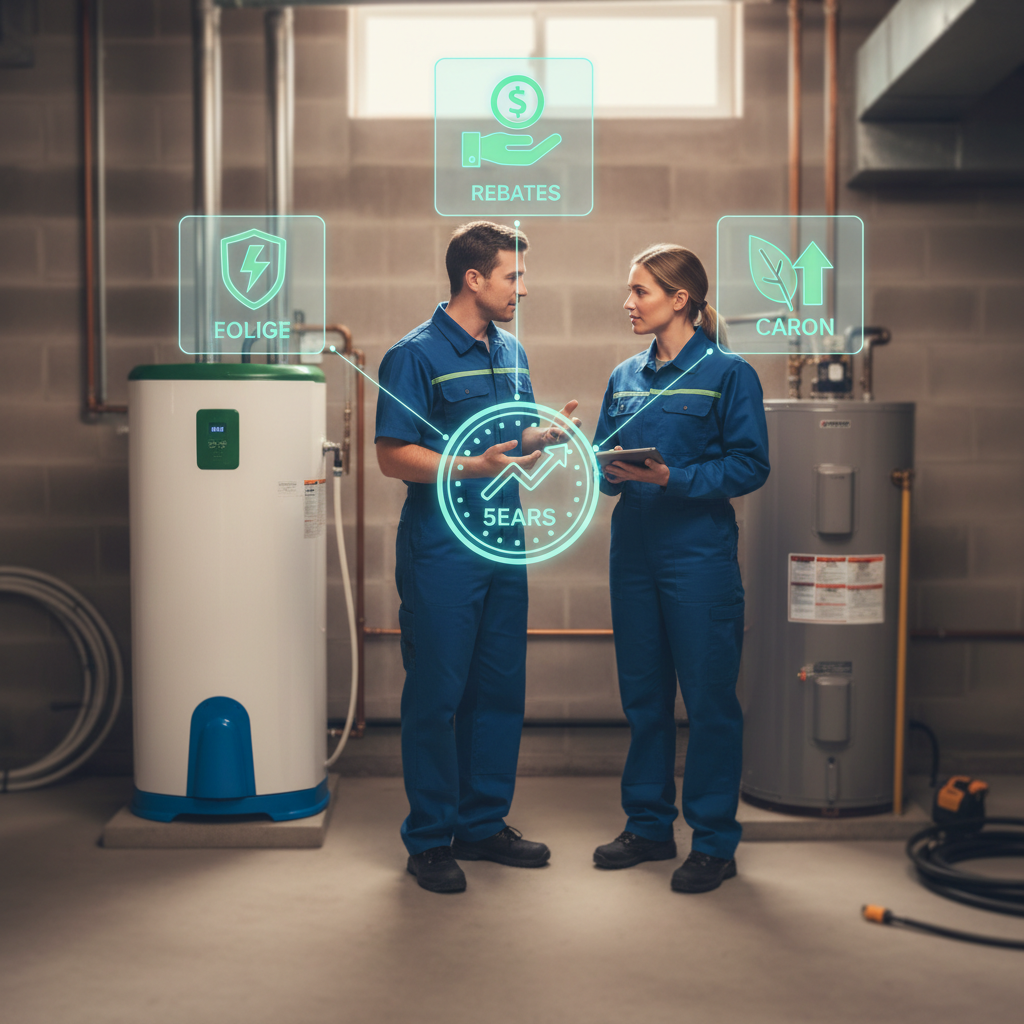
- ROI Focus: High-efficiency upgrades can often pay for themselves within 5 years through local rebates.
The Rise of AI-Driven Predictive Maintenance and Leak Detection
The biggest shift in water heater installation and repair this year is the move from reactive fixing to proactive prevention. Water heater specialists now utilize sensors that monitor vibration, temperature fluctuations, and flow rates to identify a failing heating element weeks before it actually dies.
Here’s the thing: most homeowners don’t realize their tank is failing until they wake up to a cold shower or a flooded garage. In 2026, smart home ecosystems using Matter and Thread protocols allow your water heater to send an encrypted diagnostic report directly to your service provider. This “Remote Diagnostics 2.0” approach is effectively eliminating the need for a ‘first visit’ assessment, saving you both time and dispatch fees.
- Real-time alerts: Instant notifications sent to your smartphone if moisture is detected near the base.
- Automatic Shut-off: Smart valves that kill the water supply the millisecond a leak is detected.
- Health Scoring: AI algorithms that provide a “remaining life” estimate based on local water hardness.

How Water Heater Specialists Are Navigating 2026 Electrification
In the Bay Area, the “Electrification of Everything” movement has moved from a suggestion to a strategic requirement for many residents. Water heater specialists are increasingly focused on transitioning homes from traditional gas atmospheric venting models to advanced Heat Pump Water Heaters (HPWH).
What most people miss is that this isn’t just about being eco-friendly; it’s about grid-interactivity. Modern units are designed to be “Smart Grid Ready,” meaning they can communicate with utility providers like PG&E or SVCE to heat water when renewable energy is abundant and cheap. By 2026, these units act as thermal batteries, storing hot water for later use during peak pricing hours.
Need help navigating these new electrical requirements? Schedule your free consultation with our team today to see if your electrical panel is ready for the switch.
Decarbonization ROI: Comparing 2026 Technology Options
When considering water heater installation and repair, the upfront cost is only one part of the equation. We often see typical Bay Area mid-market homeowners struggle to choose between tankless gas and heat pump electric models. The real kicker? The 2026 rebate landscape has made high-efficiency models significantly more affordable than they were just two years ago.
| Feature | Standard Gas Tank | Tankless Gas | Heat Pump (HPWH) |
|---|---|---|---|
| Energy Efficiency | Low (approx. 60%) | High (up to 96%) | Ultra-High (up to 400%) | Lifespan | 8-12 Years | 20+ Years | 13-15 Years | Bay Area Rebates | Minimal | Moderate | Maximum (Up to $4,900+) | Grid Interactive | No | No | Yes (Thermal Battery) |
But wait—don’t assume tankless is always the winner. While tankless offers endless hot water, the eco-friendly water heater installation of a heat pump often yields a higher 5-year ROI due to federal tax credits and local decarbonization incentives. Our internal AI content engine at Ingest.blog helps us track these shifting regulatory updates in real-time to ensure our advice stays current.
Why Professional Calibration is Mandatory for Smart Systems
There is a growing trend of DIY smart home integration, but in 2026, water heater installation and repair requires more than just a wrench. Modern units involve complex sensor arrays and software that must be calibrated to your specific home’s flow rate and electrical load. Water heater specialists are now as much software technicians as they are plumbers.
Consider a typical scenario involving a Series B startup founder in Palo Alto who tried to integrate a smart water heater into a custom home automation system. Without professional calibration, the unit failed to communicate with the smart grid, resulting in peak-hour heating costs that were 3x higher than necessary. Professional installation ensures the “Smart Grid” features actually work to save you money.
- Sensor Alignment: Ensuring leak detectors are placed at the most vulnerable structural points.
- Firmware Optimization: Updating the unit to the latest energy-saving profiles.
- Safety Compliance: Meeting strict 2026 California seismic strapping and expansion tank codes.
Sustainable Disposal and the Circular Economy
A trend that is gaining massive traction in 2026 is the responsible lifecycle management of old units. As water heater specialists, we are seeing a shift toward the “Circular Economy.” This means when we perform a water heater installation and repair, the old unit isn’t just tossed in a landfill—it’s harvested for recyclable metals and components.
California’s CalRecycle initiatives have placed stricter requirements on how contractors handle appliance disposal. By choosing a specialist who prioritizes sustainable disposal, you are contributing to a significant reduction in local industrial waste. This is particularly important for our environmentally-minded residents in Santa Clara and San Mateo counties who want to minimize their carbon footprint.
Ready to upgrade to a cleaner system? Explore our guide on local rebates to see how much you can save on a new, sustainable unit.
Emergency Repair 2.0: The End of the ‘Wait and See’ Approach
In the past, emergency water heater installation and repair meant waiting hours for a technician just to find out they didn’t have the right part on the truck. In 2026, that paradigm is dead. Through remote diagnostic tools, water heater specialists can now see the exact error code your unit is throwing before they even leave the shop.
This efficiency is vital for property managers and landlords who need to maintain tenant satisfaction across multiple units. By knowing exactly what is wrong, we can ensure a one-visit fix in over 90% of cases. It’s not just about speed; it’s about the precision that 2026 technology affords the service industry.
Pro Tip: Check your water heater’s manufacture date today. If it’s over 10 years old, you are likely spending 20-30% more on energy than necessary. Replacing it before an emergency occurs allows you to choose the best technology rather than being forced into a rushed decision.
FAQs About 2026 Water Heater Trends
What are the main heat pump water heater incentives for 2026?
In 2026, Bay Area homeowners can access a combination of federal tax credits (up to 30% of project cost under the Inflation Reduction Act) and local rebates from programs like TECH Clean California. Total incentives can often exceed $4,000, significantly offsetting the higher upfront cost of heat pump technology.
Do I really need a specialist for smart water heater installation?
Yes. 2026 models involve complex grid-interactivity and Matter-compatible sensors. Professional water heater specialists ensure these components are calibrated to your home’s specific electrical capacity and smart home hub, preventing communication errors that can lead to higher energy bills or undetected leaks.
How does a water heater act as a ‘thermal battery’?
Grid-interactive water heaters use software to ‘overheat’ the water slightly during times when electricity is cheap (like midday when solar is peaking). This stored heat allows the unit to stay off during expensive evening peak hours, effectively storing energy in the form of hot water for later use.
Are gas water heaters being banned in the Bay Area?
While there isn’t an outright immediate ban on existing units, new 2027 regulations from the Bay Area Air Quality Management District (BAAQMD) will phase out the sale of nitrogen oxide (NOx)-emitting gas water heaters. Transitioning to electric now future-proofs your home and takes advantage of current high-value rebates.
Ready to Future-Proof Your Home?
Don’t wait for a leak to decide your home’s energy future. Whether you need an emergency water heater installation and repair or you’re looking to maximize your ROI with a new heat pump, Better Water Heaters has the expertise you need. We’ve served the Bay Area for over 20 years with transparent pricing and expert local knowledge.
Call us today at [Phone Number] or book your diagnostic appointment online.