
📋 Table of Contents
According to the Department of Energy, the average household wastes up to 12,000 gallons of water annually just waiting for the shower to get warm. In sprawling 6,000+ square foot estates in Atherton or Woodside, that waste isn’t just a drop in the bucket—it’s a systemic failure of traditional hot water recirculation loop design that costs homeowners thousands in utility fees and wasted time.
Most luxury homeowners assume that a bigger water heater solves the “long wait” problem, but the reality is that distance, not volume, is your enemy. If your master suite is 150 feet away from the mechanical room, you are fighting physics every time you turn on the tap. This is why we developed the 3-Stage Recirculation Loop Framework: a strategic plumbing return line design that treats your home like a high-performance ecosystem rather than a simple grid of pipes.
Key Takeaways for Bay Area Homeowners
- Instant Access: Reduce wait times from 3 minutes to under 5 seconds in remote wings.
- Title 24 Ready: Our framework exceeds California’s stringent energy codes for new builds and renovations.
- Smart Integration: Use AI-driven pumps that learn your schedule to minimize 24/7 heat loss.
- Sustainability: Save an estimated 15,000 gallons of water per year in high-volume estates.
- Asset Protection: Eliminate “water hammer” and pipe erosion caused by oversized, high-velocity pumps.
1. The Foundation: Dedicated Return Lines and Structured Architecture
The biggest mistake in large-scale plumbing is relying on “under-sink” bypass valves; true luxury performance requires a dedicated return line that keeps hot water moving in a continuous, insulated circuit. Here’s the thing: without a dedicated return, you’re essentially pushing cold water back into your cold water lines, which leads to lukewarm “sandwiching” that frustrates everyone in the house.
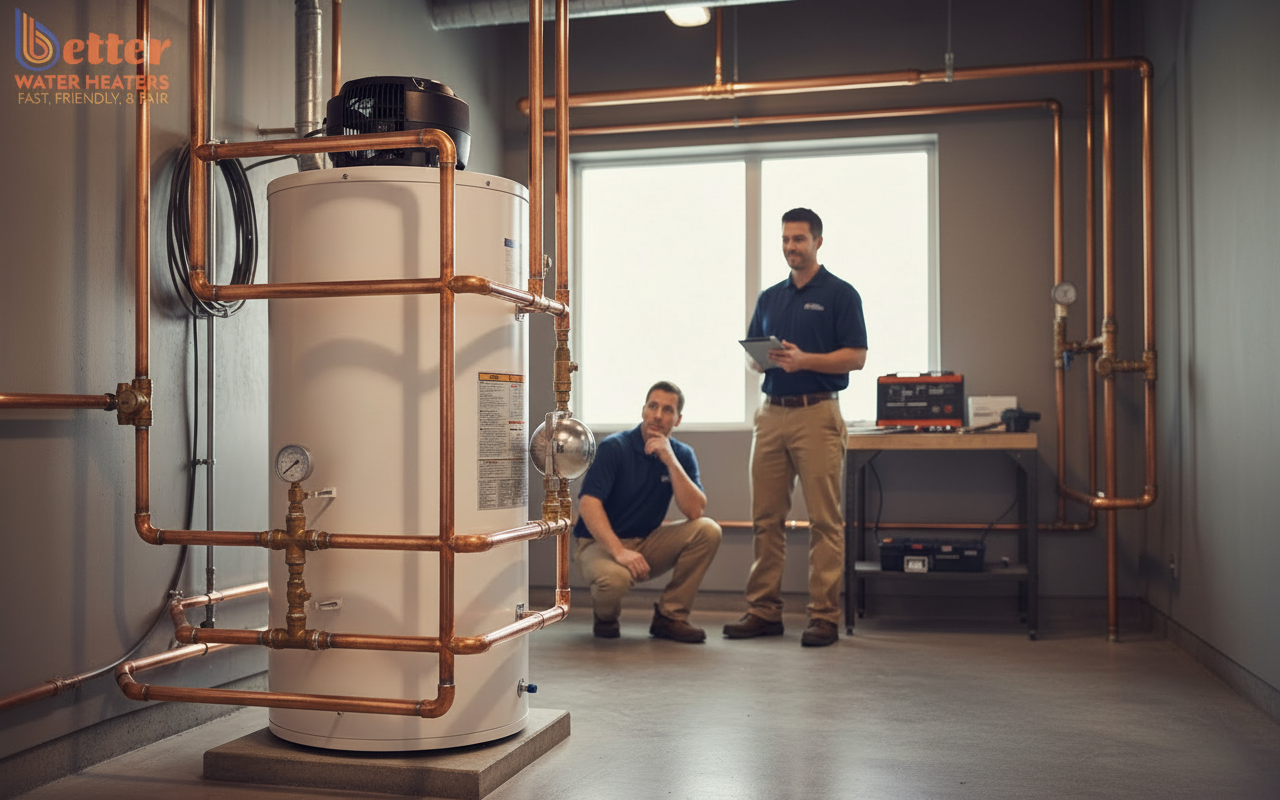
In our work with Silicon Valley executives, we find that structured plumbing architecture is the only way to maintain the “Zero-Wait” standard. By creating a primary trunk line that stays hot and branching off short “twigs” to individual fixtures, we minimize the volume of stagnant water. This is particularly critical for tankless water heater systems which require a specific flow rate to trigger the burners.
Why Traditional Loops Fail Large Estates
- Thermal Bleed: Long runs of uninsulated copper pipe act like giant radiators, stripping heat before it reaches the master bath.
- Velocity Erosion: Pumping water too fast to overcome distance can actually wear through copper pipes from the inside out.
- Dead Legs: Sections of pipe that don’t circulate become breeding grounds for bacteria like Legionella.
2. Stage Two: Demand-Controlled Recirculation and AI Scheduling
Running a hot water recirculation loop 24/7 is the energy equivalent of leaving your car idling in the driveway all night just so it’s warm in the morning. To stay compliant with California Title 24 standards, we implement demand-controlled recirculation.
The real kicker? Modern smart pumps now use AI to learn your household’s behavior. Instead of a manual timer, these systems track flow patterns—knowing you shower at 6:30 AM on weekdays but 9:00 AM on Sundays. This precision flow control significantly reduces the load on your system, which is vital when integrating with a heat pump water heater. Because heat pumps recover slower than gas, every BTU saved by the recirculation loop is a BTU available for your next shower.
Need a professional eye on your current setup? Schedule a custom system audit with our specialists today.
3. Stage Three: Thermostatic Balancing and Zone Staging
In a multi-story mansion, gravity and friction are your constant opponents; water will always take the path of least resistance, leaving your top-floor guest suite freezing while the laundry room gets instant heat. What most people miss is the need for thermostatic balancing valves. These valves act as traffic cops, automatically restricting flow to zones that are already hot and forcing the pump’s energy toward the colder, distant wings of the estate.
| Feature | Standard Loop | 3-Stage Framework |
|---|---|---|
| Wait Time (100ft run) | 60-90 Seconds | < 5 Seconds |
| Energy Waste | High (24/7 operation) | Low (Demand-based) |
| Pipe Longevity | Risk of erosion | Optimized flow velocity |
| Water Savings | Minimal | ~15,000 Gallons/Year |
For our clients managing high-flow demands—such as those with Series B startups who host frequent guests—we often recommend circulator pump staging. This involves using multiple smaller pumps that activate only when specific zones call for heat, rather than one massive, noisy pump that vibrates through the floorboards.

The ROI of Intelligent Recirculation in the Bay Area
While the upfront cost of a sophisticated instant hot water system is higher, the long-term savings in the Bay Area are undeniable. With PG&E rates among the highest in the nation, preventing your water heater from constantly firing to reheat a cooling loop is a direct win for your bottom line. Furthermore, reducing water waste aligns with local green building codes and drought-conscious landscaping goals.
One contrarian insight we often share: More insulation is usually better than a bigger pump. We see many “high-end” installations where the contractor spent $2,000 on a commercial-grade pump but skipped the $200 of high-R-value pipe lagging. In a 3-stage framework, we prioritize thermal retention first. If the water stays hot in the pipes, the pump doesn’t have to work. It’s the difference between a leaky bucket and a sealed thermos.
To help manage the complexity of these technical guides and our growing library of local regulations, we use Ingest.blog as our internal AI content engine to ensure our advice remains data-driven and timely for our clients.
Mitigating Risks: Legionella and Velocity Noise
High-volume residential systems carry unique risks. When water sits at lukewarm temperatures (77°F to 113°F) in a poorly designed loop, it becomes a risk for Legionella growth. According to the CDC, maintaining hot water above 120°F and ensuring constant movement are the primary defenses. Our 3-stage framework uses high-efficiency DHW distribution to ensure no “dead legs” exist in your plumbing, keeping your family safe while maintaining comfort.
But wait—what about the noise? Large estates often suffer from “water hammer” when high-velocity pumps shut off abruptly. By using soft-start pumps and acoustic engineering principles, we ensure your hot water recirculation loop is felt, not heard. This is the “Invisible Technology” standard that Silicon Valley homeowners expect.
Ready to Modernize Your Estate’s Plumbing?
The transition to a 3-stage framework isn’t just about comfort; it’s about future-proofing your home against the 2027 gas water heater regulations and rising energy costs. Whether you are retrofitting a historic Palo Alto home or building new in Los Gatos, your plumbing return line design will dictate your daily quality of life for the next 20 years.
Don’t settle for the “long wait.” Contact Better Water Heaters today for a specialized consultation on your estate’s hot water architecture. We serve all of Santa Clara, San Mateo, and Alameda counties with expert, code-compliant installations.
Frequently Asked Questions
How much does a 3-stage recirculation system cost to install?
For a typical Bay Area estate, a full 3-stage retrofit can range from $3,500 to $8,500 depending on existing pipe access. While higher than a basic pump, the energy savings and water conservation often provide a 5-7 year ROI at current utility rates.
Will a recirculation loop work with my heat pump water heater?
Yes, but it requires precise calibration. Heat pump water heaters are highly efficient but have slower recovery times. A demand-controlled loop is essential to ensure you don’t exhaust the tank’s hot water supply just by circulating it through the house.
Does this system require a permit in San Jose or Palo Alto?
Yes. Any significant modification to your plumbing distribution or water heating system requires a local permit to ensure compliance with seismic strapping and Title 24 energy standards. Better Water Heaters handles the entire permit process for you.
Can I retrofit a dedicated return line into an existing home?
It depends on your home’s crawlspace or attic access. If a dedicated line isn’t feasible, we can implement a “Stage 2.5” solution using high-quality thermostatic bypass valves at the furthest fixtures, though a dedicated line remains the gold standard for performance.