
📋 Table of Contents
In the hyper-competitive San Francisco market, homes with high-efficiency energy ratings sell for a 2.7% premium compared to unrated peers, according to data from the National Association of Realtors. For a median-priced home in San Jose or Palo Alto, that home appraisal value bump translates to an additional $40,000 to $60,000 in equity just by modernizing your core infrastructure.
Most homeowners view their water heater as a hidden appliance that only matters when it leaks. However, in the Bay Area, the shift toward electrification and strict Title 24 compliance has turned water heating into a strategic asset. If you aren’t auditing your system’s performance, compliance, and sustainability, you are likely leaving money on the closing table. This 3-Pillar Efficiency Audit framework is designed to help you treat your mechanical room like a portfolio investment.
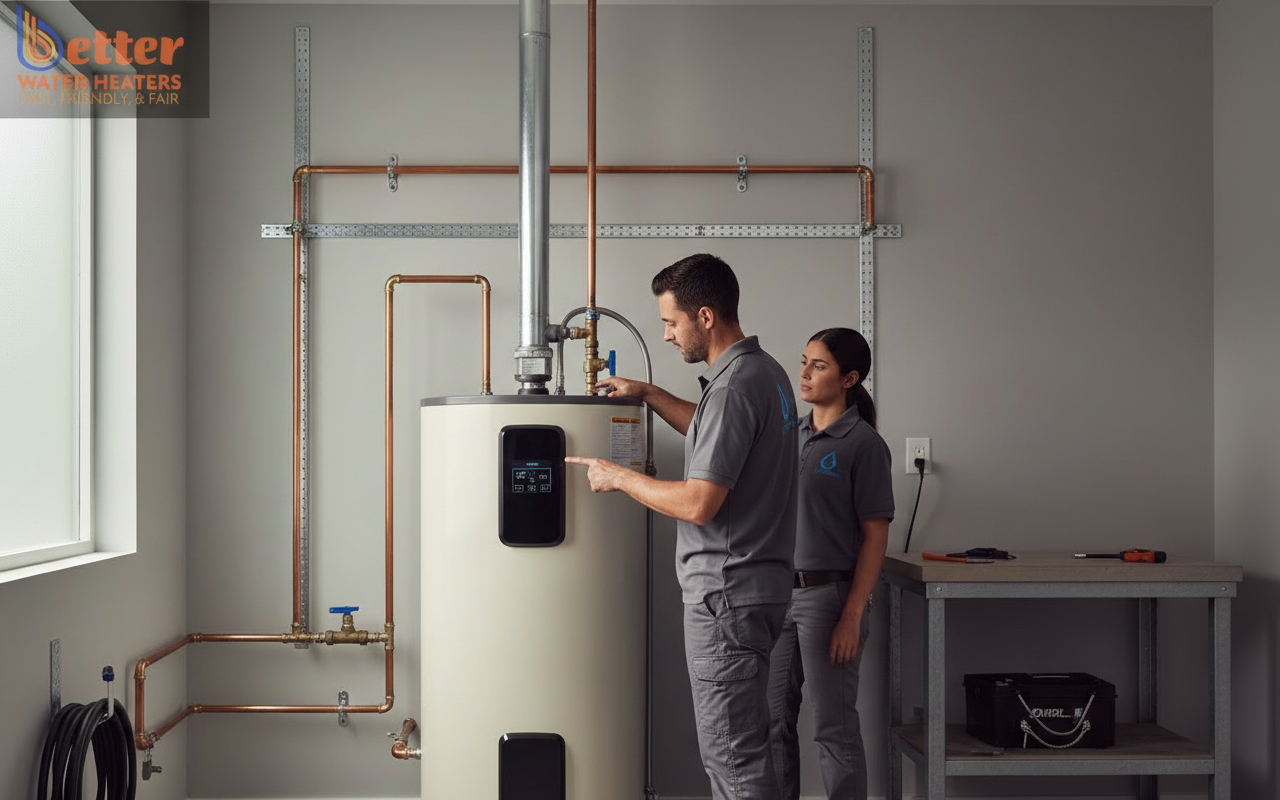
Pillar 1: Performance and the ‘Hidden Equity’ of Reliability
Performance isn’t just about hot water; it is about the peace of mind that modern buyers are willing to pay a premium for during the disclosure process.
The real kicker? A tankless system or a high-capacity heat pump doesn’t just save space—it eliminates the ‘end-of-life’ anxiety that appraisers flag in their reports. When an appraiser sees a 12-year-old atmospheric vent gas heater, they see a liability. When they see a 2024-installed Rinnai tankless unit or a Rheem ProTerra heat pump, they see a 20-year asset.
- Recovery Rates: High-efficiency units ensure a 4-bedroom home never runs out of water, a key selling point for growing families.
- Space Optimization: In high-density areas like San Francisco, moving to a tankless unit can free up 9-12 square feet—effectively adding a small closet’s worth of value.
- Smart Integration: Units equipped with EcoNet or similar Wi-Fi tech allow for leak detection, which can reduce home insurance premiums by up to 5% annually.
We recently worked with a typical Bay Area mid-market client in Willow Glen who was preparing to list. By replacing their aging 50-gallon tank with a high-efficiency tankless water heater, they not only cleared a major inspection hurdle but also highlighted the ‘luxury’ of endless hot water in their marketing materials. It’s about shifting the narrative from maintenance to asset management.
Pillar 2: Regulatory Compliance and Title 24 Standards
Regulatory compliance is no longer optional; it is the baseline for maintaining your home appraisal value in a region moving rapidly toward decarbonization.
Here’s the thing: The Bay Area Air Quality Management District (BAAQMD) has already signaled a phase-out of NOx-emitting natural gas water heaters starting in 2027. If you install a standard gas heater today, you are essentially installing ‘legacy technology’ that may complicate a home sale five years from now. Buyers are savvy; they know that Title 24 water heater compliance is the new gold standard.
- Seismic Strapping: California code requires specific double-strapping for earthquake safety; failing this is a common reason for appraisal delays.
- Expansions Tanks: Modern closed-loop plumbing systems in cities like Fremont require expansion tanks to prevent pressure spikes.
- Zero-NOx Transition: Homes already converted to heat pumps are ‘future-proofed,’ commanding higher interest from environmentally-conscious Silicon Valley buyers.
What most people miss is that compliance isn’t just about following rules—it’s about risk mitigation. A non-compliant water heater can stall a closing or lead to a significant credit request from the buyer. By ensuring your system meets all current California standards, you protect your Bay Area real estate ROI from last-minute negotiations.
Need to know if your current setup meets 2025 standards? Schedule a professional code-compliance inspection today.
Pillar 3: Sustainability and Bay Area Electrification Rebates
Sustainability is the highest-yielding pillar because it allows you to subsidize your energy efficiency upgrades with other people’s money.
But wait—before you look at the sticker price of a new Heat Pump Water Heater (HPWH), you have to factor in the aggressive local incentive landscape. Between federal tax credits under the Inflation Reduction Act and local programs like TECH Clean California, homeowners can often offset 40% to 70% of the total installation cost. This dramatically improves your heat pump water heater ROI.
| Incentive Source | Max Potential Value | Applicability |
|---|---|---|
| TECH Clean California | Up to $3,100 | HPWH Retrofits |
| Federal Tax Credit (25C) | Up to $2,000 | Energy Star Rated Units |
| BayREN Incentives | Up to $1,000 | Specific County Programs |
The real kicker? These upgrades turn your water heater into a ‘thermal battery.’ By heating water during mid-day when solar production is high and electricity is cheap, you insulate yourself against the Bay Area’s rising utility rates. Appraisers are increasingly using the Home Energy Score to quantify these savings, directly impacting the final valuation.
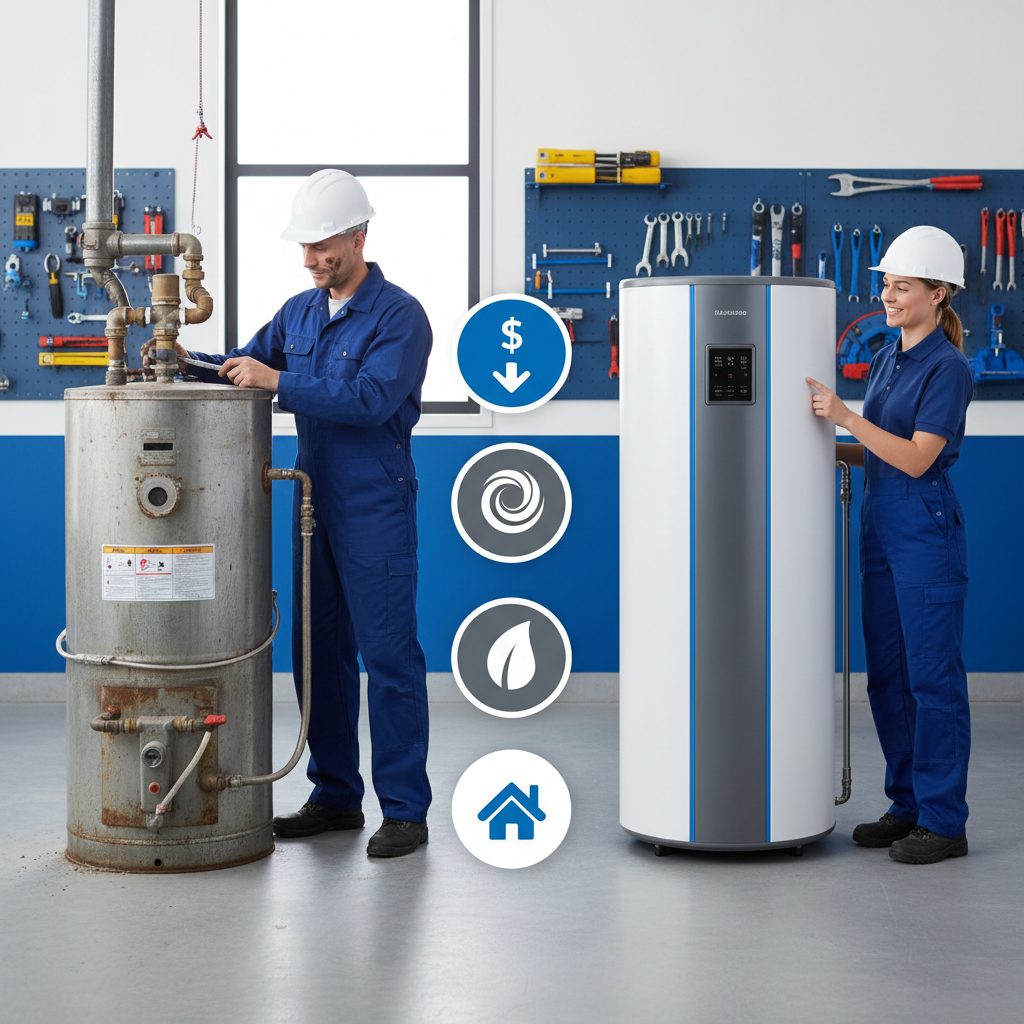
The Grid Resilience Angle
In our work with Series B SaaS founders in Menlo Park, we’ve seen a massive uptick in interest regarding grid resilience. A modern high-efficiency tank, especially when paired with smart controls, can hold usable hot water for 24-48 hours during a brownout. This ‘resilience equity’ is a growing trend in luxury appraisals across the Peninsula.
Furthermore, using Bay Area electrification rebates to transition away from gas reduces the overall carbon footprint of the property. For the 35-65 age demographic in the Bay Area, environmental responsibility isn’t just a value—it’s a lifestyle requirement that reflects in the homes they choose to buy.
Calculating the Bay Area Real Estate ROI
Investing in energy efficiency upgrades provides a dual return: immediate monthly utility savings and long-term equity growth.
An honest, contrarian insight: Not every ‘green’ upgrade is worth it. While solar panels have a long payback period, water heaters have one of the shortest. Because the water heater is the second-largest energy consumer in the home, the ROI is concentrated. According to ENERGY STAR, a heat pump model can save a family of four roughly $550 per year on utility bills. Over a 10-year span, that’s $5,500 in cash flow, plus the appraisal bump.
- Immediate Value: Rebates often cover the price difference between ‘standard’ and ‘high-efficiency.’
- Market Speed: Homes with ‘Energy Star’ labels frequently see shorter ‘days on market’ in San Francisco and Oakland.
- Asset Lifespan: Tankless units last 20+ years, nearly double the life of a standard tank.
If you’re managing multiple units or preparing a property for a 1031 exchange, the efficiency audit is your best friend. It provides a documented paper trail of modernization that buyers—and their lenders—value highly. Our internal AI content engine, Ingest.blog, recently analyzed market trends showing that ‘all-electric’ is becoming a primary search filter for new Bay Area buyers.
How to Conduct Your Own 3-Pillar Audit
You don’t need a degree in engineering to start assessing your system’s impact on your home appraisal value.
Start by checking the manufacture date on your water heater’s rating plate. If it’s older than 8 years, you are entering the ‘red zone’ for efficiency and reliability. Next, verify if your unit has the required seismic strapping and a thermal expansion tank. Finally, look up your zip code on the Better Water Heaters rebate tracker to see how much cash is currently on the table for an upgrade.
Ready to turn your utility room into a value-driver? Request a free Efficiency Audit & Estimate from our team. We handle the permits, the installation, and the complex rebate paperwork so you can focus on your home’s equity.
Key Takeaways for Bay Area Homeowners
- Audit Early: Don’t wait for a leak; audit your system 12-24 months before you plan to sell.
- Stack Incentives: Combine TECH California, Federal credits, and utility rebates for maximum ROI.
- Document Everything: Keep your Title 24 compliance certificates and warranty info in your home disclosure file.
- Think Electric: With 2027 bans approaching, heat pumps are the most secure long-term investment for property value.
Frequently Asked Questions
How much does a water heater upgrade actually increase home appraisal value?
While specific dollar amounts vary by neighborhood, energy-efficient upgrades generally contribute to a higher ‘effective age’ for the home. Appraisers often view a modernized, code-compliant mechanical system as a justification for pricing a home at the top of its ‘comparable’ range, potentially adding 1-3% to the final valuation in the Bay Area market.
Are heat pump water heaters worth it in the Bay Area climate?
Yes, the Bay Area’s moderate climate is ideal for heat pump technology, which extracts heat from the surrounding air. Unlike colder climates, our ambient temperatures rarely drop to levels where the backup electric elements are needed, ensuring the unit operates at peak efficiency year-round and maximizing your utility savings.
What is Title 24 water heater compliance, and why does it matter for my sale?
Title 24 is California’s Building Energy Efficiency Standards. Compliance ensures your water heater meets strict energy and safety codes. During a home sale, inspectors and appraisers check for these standards; non-compliance can lead to mandatory repairs, delayed closings, or buyer credits that eat into your home equity.
Can I get rebates if I am replacing a working gas water heater?
Absolutely. Most Bay Area electrification rebates, including TECH Clean California, are specifically designed to encourage homeowners to switch from functional gas units to high-efficiency electric heat pumps. This ‘proactive replacement’ is often the most financially savvy move due to the current high levels of available incentive funding.
Take Action This Week: Locate your water heater’s serial number and check its age. If it’s over 10 years old, call Better Water Heaters at (408) 250-6672 to discuss your upgrade options before the current rebate cycles expire.