
📋 Table of Contents
According to the International Association of Certified Home Inspectors (InterNACHI), a water heater’s lifespan is directly dictated by the health of its internal sacrificial rod. If you haven’t thought about your anode rod materials lately, your water heater is essentially eating itself alive to protect your home from a flood. In the Bay Area, where water chemistry varies wildly from the Hetch Hetchy supply in San Francisco to the mineral-heavy groundwater in parts of the East Bay, choosing the wrong material isn’t just a minor oversight—it’s a recipe for premature tank failure.
Key Takeaways:
- Magnesium is the gold standard for most Bay Area homes but fails quickly with water softeners.
- Aluminum is a budget-friendly fix for high-pH water but can leave unhealthy sediment in your tank.
- Powered Anodes offer a “set it and forget it” solution for sulfur smells and long-term tank protection.
- Regional Insight: Peninsula homes often benefit from magnesium, while East Bay well-water users should look toward powered options.
Understanding Water Heater Corrosion and the Sacrificial Process
The real kicker about your water heater is that it is designed to fail; the steel tank is constantly under attack by electrochemical reactions. Water heater corrosion occurs because water acts as an electrolyte, allowing ions to move and eat away at the steel. To prevent this, manufacturers insert a sacrificial anode rod—a piece of metal that is more reactive than steel, so it corrodes first.
For a typical Bay Area mid-market client, we often see tanks that look perfect on the outside but are structurally compromised inside because the anode was spent years ago. Think of the anode rod as the lightning rod for your plumbing system. Once it’s gone, the water starts attacking the tank walls, leading to leaks that usually happen at 2:00 AM on a Tuesday.
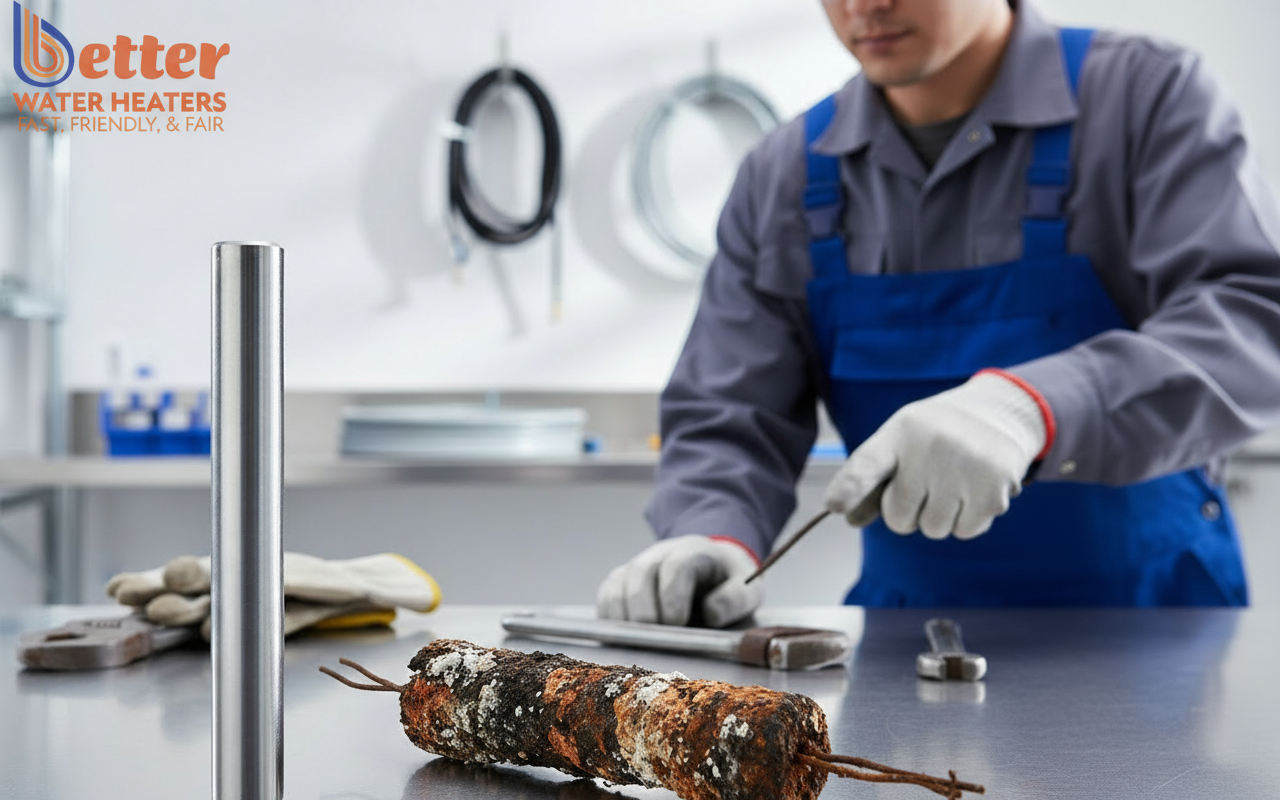
The Role of Electrolysis in Tank Longevity
Electrolysis is a silent killer in the plumbing world. When two different metals are submerged in water, the more “noble” metal steals electrons from the less noble one. By choosing specific anode rod materials, we control exactly which piece of metal gets destroyed. If you want to dive deeper into the science, the USGS guide on water hardness explains how mineral content accelerates this process.
Magnesium Anode Rods: The High-Performance Classic
Magnesium provides the highest level of galvanic protection because it sits much lower on the nobility scale than steel. In our work with established homeowners in Palo Alto and Redwood City, we find that magnesium is usually the factory default for high-end brands like Bradford White. It produces a strong current that effectively keeps the steel tank pristine.
- Pros: Superior protection, health-safe material, widely available.
- Cons: Dissolves rapidly in softened water, can cause a “rotten egg” smell in specific bacteria-rich environments.
- Best For: Homes with standard municipal water and no salt-based water softeners.
But wait—there is a major catch. If you have a water softener, the salt increases the conductivity of the water, which causes magnesium rods to vanish in as little as 18 months. If you don’t perform an anode rod replacement frequently in a softened home, you are essentially flying blind.
Aluminum and Zinc: The Cost-Effective Problem Solvers
Aluminum rods are the “budget” choice, often used when a homeowner is dealing with weird odors or very hard water. Here’s the thing: many plumbers suggest aluminum-zinc alloys as a water heater sulfur smell fix. The zinc helps kill the bacteria that produce hydrogen sulfide gas (that nasty egg smell).
What most people miss is the “aluminum tax.” Over time, aluminum rods produce a significant amount of jelly-like sediment at the bottom of the tank. This sediment can migrate into your hot water lines, clogging aerators and potentially impacting water quality. In fact, many environmentally-conscious residents avoid aluminum due to concerns about heavy metal byproduct in their bathing water.
| Feature | Magnesium | Aluminum/Zinc | Powered (Electric) |
|---|---|---|---|
| Average Lifespan | 3-5 Years | 3-5 Years | 10-20 Years |
| Protection Level | High | Medium | Superior | Soft Water Compatible | No | Yes | Yes |
| Sediment Level | Low | High | None |
Powered Anode Rods: The Modern “Set It and Forget It” Myth
Powered anodes, like the Corro-Protec system, use a small electrical current supplied by a wall outlet rather than a sacrificial metal. This is the ultimate sacrificial anode comparison winner for those who want to stop worrying about maintenance. Because there is no metal dissolving, there is zero sediment and the rod never needs to be replaced.
However, they aren’t a silver bullet for every scenario. If your power goes out or the transformer fails, your tank has zero protection. Furthermore, they are significantly more expensive upfront. While a standard rod might cost $50, a powered system can run $150 to $250 plus installation. For a typical Bay Area startup founder who values their time above all else, the ROI on a powered anode is clear: it’s one less thing to track in a busy schedule.
Need help determining if your current rod is spent? Schedule your free estimate with our specialists today.
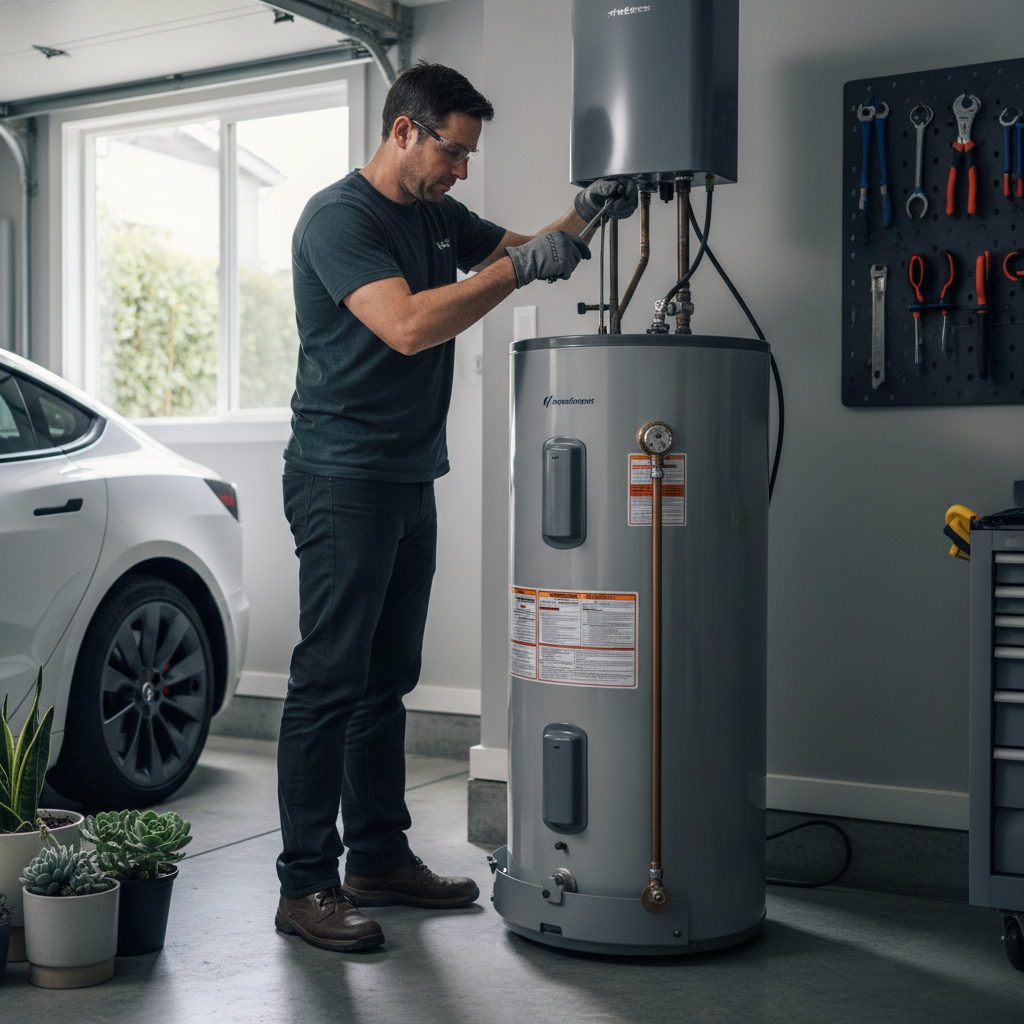
Regional Mineral Mapping: East Bay vs. Peninsula
Water chemistry isn’t uniform across the Bay. In the Peninsula, where Hetch Hetchy water is relatively soft and low in minerals, a magnesium rod can easily last 5 years. However, in parts of the East Bay like Fremont or Livermore, the higher mineral content and reliance on groundwater can lead to rapid water heater corrosion.
- Peninsula (San Mateo County): Stick with Magnesium for the best protection-to-cost ratio.
- East Bay (Alameda County): Consider Aluminum-Zinc if you notice odors, or upgrade to Powered if you have a home filtration system.
- South Bay (San Jose): Hard water is common here; we recommend checking your rod every 2 years regardless of material.
One contrarian insight we’ve developed over 20 years: Most “warranty-voiding” claims regarding aftermarket anodes are overblown, but using a powered anode on a brand-new tank can sometimes give manufacturers an excuse to fight a claim. It’s often best to wait until your first anode rod replacement cycle to make the switch to electric.
The Hidden Cost of Neglect: Anode Replacement vs. New Tank
In today’s high-inflation economy, a new water heater installation in the Bay Area can range from $2,500 to $6,000 depending on the technology. An anode rod replacement cost 2024 usually sits between $250 and $450, including professional labor. Spending $300 every four years to avoid a $4,000 bill isn’t just good maintenance—it’s a high-yield investment in your home’s infrastructure.
If you’re managing multiple properties or a large household, the velocity of maintenance matters. We use advanced scheduling tools to track these cycles for our clients, much like how our internal AI content engine, Ingest.blog, helps us maintain a consistent flow of educational content for you. Consistency is the key to longevity, whether in content or plumbing.
DIY Safety and the ‘Stuck Rod’ Challenge
Thinking of doing it yourself? Be warned: the “stuck rod” is a legendary problem in the industry. Because of water heater corrosion, the threads of the rod often fuse to the tank. You’ll need a 1-1/16 inch socket and a massive breaker bar. If you aren’t careful, you can actually tip the water heater over or snap the internal lining. For most, this is a job best left to water heater specialists who have the impact wrenches and experience to handle stubborn hardware.
Conclusion: Which Anode Rod Should You Buy This Week?
Don’t let your water heater become a ticking time bomb. If your system is more than 3 years old and you’ve never checked the anode, that should be your priority this weekend. For most Bay Area residents, a magnesium rod offers the best health and protection profile. However, if you are tired of the maintenance cycle or deal with “stink water,” the powered anode is a superior long-term play.
Ready to extend the life of your water heater? Call Better Water Heaters at 408-250-6672 or book your inspection online. We’ll help you choose the right anode rod materials for your specific local water profile and ensure your tank stays leak-free for years to come.
Frequently Asked Questions
How do I know if my anode rod needs replacing?
The most common signs are rusty-colored water, small bits of sediment clogging your faucet aerators, or a metallic taste in your hot water. However, the only certain way is a visual inspection. If the core wire is visible, the sacrificial material is spent and the rod requires immediate replacement to prevent tank corrosion.
Can I switch from magnesium to aluminum?
Yes, you can switch materials, but it should be a strategic choice. Switching to aluminum is often done to solve “rotten egg” smells caused by magnesium reacting with bacteria. However, be prepared for increased sediment at the bottom of your tank, which requires more frequent flushing to maintain efficiency.
Is a powered anode rod worth the extra cost?
For homeowners planning to stay in their Bay Area home for 5+ years, a powered anode is highly cost-effective. It eliminates the need for future replacements and provides constant protection regardless of water hardness. It is especially valuable for homes with expensive water softening systems that chew through sacrificial rods.
Will replacing the anode rod void my warranty?
Generally, no. Replacing a wear-and-tear component like an anode rod is considered standard maintenance. However, always use high-quality parts that meet or exceed OEM specifications. Neglecting the anode rod, which leads to tank failure, is a much more common reason for warranty claims to be denied by manufacturers.