
📋 Table of Contents
According to the Department of Energy, heat pump water heaters can be two to three times more energy-efficient than conventional electric heaters, but they come with a hidden cost: a compressor that generates roughly 45 to 55 decibels of noise. For Bay Area homeowners moving units from the garage into interior closets to comply with electrification trends, an acoustic dampening framework isn’t just a luxury—it is a requirement for maintaining a peaceful home office or bedroom environment.
Key Takeaways for Homeowners
- Decoupling is King: Stopping vibration at the source via isolation pads is more effective than trying to block sound later.
- Airflow Matters: You cannot simply wrap a water heater in foam; it needs specific CFM (cubic feet per minute) clearance to function.
- Mass-Loading: High-density materials like Mass Loaded Vinyl (MLV) are essential for stopping the low-frequency hum of compressors.
Stage 1: Structural Decoupling and Vibration Isolation
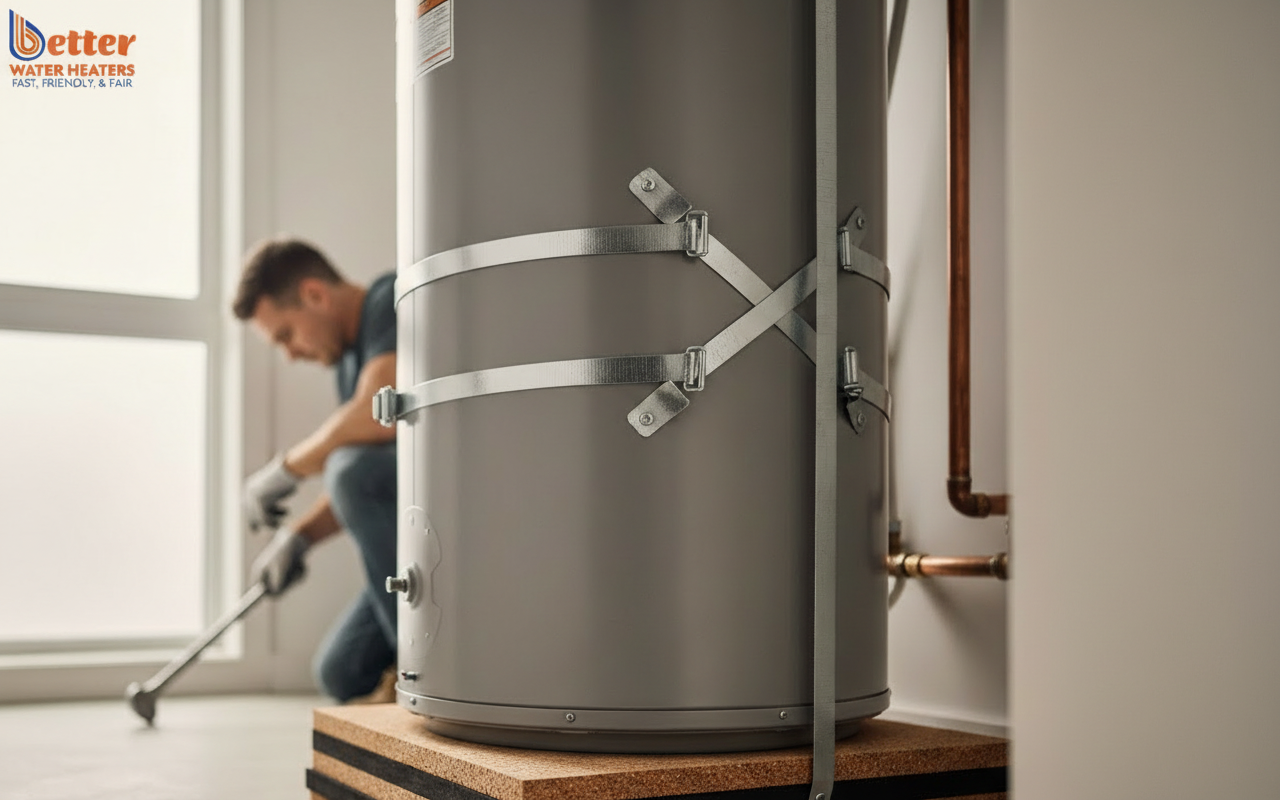
The most common mistake we see is bolting a high-efficiency unit directly to a plywood floor, which essentially turns your entire closet floor into a giant speaker diaphragm. Here’s the thing: sound travels faster and more efficiently through solids than through air.
In our work with established Bay Area homeowners, we find that vibration isolation mounts are the single most impactful component of a quiet heat pump installation. By using specialized rubber-and-cork pads or spring-loaded isolators, we break the physical connection between the unit and the home’s framing.
What most people miss is the “resonant frequency” of the floor joists. If your compressor vibrates at the same frequency as your floor, the noise will amplify, vibrating through walls and into adjacent rooms. Our framework prioritizes high-durometer elastomer pads that absorb these micro-vibrations before they ever reach your 2×4 studs.
- Install 2-inch thick anti-vibration pads under the tank base.
- Ensure all pipe connections use flexible connectors rather than rigid copper to prevent “pipe chatter.”
- Use cushioned clamps for seismic strapping to meet California code without creating a sound bridge.
Need a professional eye on your setup? Schedule a site evaluation to see if your current closet can handle a high-efficiency upgrade.
Stage 2: Mass-Loading the Closet Envelope
Once the vibration is isolated, you have to deal with airborne noise—that distinct humming sound of a compressor and fan working in tandem. The physics of silence dictates that to stop sound, you need mass, and standard drywall simply doesn’t have enough of it.
We utilize Mass Loaded Vinyl (MLV), a high-density material that adds significant weight to the closet walls without adding bulk. In a typical Bay Area mid-market home, lining the interior of a water heater closet with 1lb per square foot MLV can increase the Sound Transmission Class (STC) rating by up to 10 points.
But wait—there is a safety catch. You cannot use standard acoustic foam found in recording studios; water heater enclosures require fire-rated materials. We recommend mineral wool insulation (like Rockwool) because it provides superior water heater noise reduction while being non-combustible and water-resistant.
| Material | Primary Benefit | Noise Reduction Level |
|---|---|---|
| Standard Drywall | Structural finish | Low |
| Mineral Wool | Absorption & Fire Safety | Moderate |
| Mass Loaded Vinyl | Blocking low-frequency hum | High |
| Isolation Pads | Vibration decoupling | Critical |
Stage 3: Strategic Airflow and Acoustic Baffling
The real kicker in any acoustic dampening framework is that heat pump water heaters are essentially small air conditioners; they need to breathe. If you seal a closet completely to block sound, the unit will starve for air, lose efficiency, and eventually fail.
The solution is acoustic baffling. Instead of a standard louvered door that lets all the sound out, we design “sound traps” for the air intake and exhaust. By forcing the air to turn 90-degree corners lined with sound-absorptive material, the air moves freely while the sound waves are trapped and dissipated. According to Energy.gov, these units require approximately 1,000 cubic feet of surrounding air space, which makes smart venting essential.
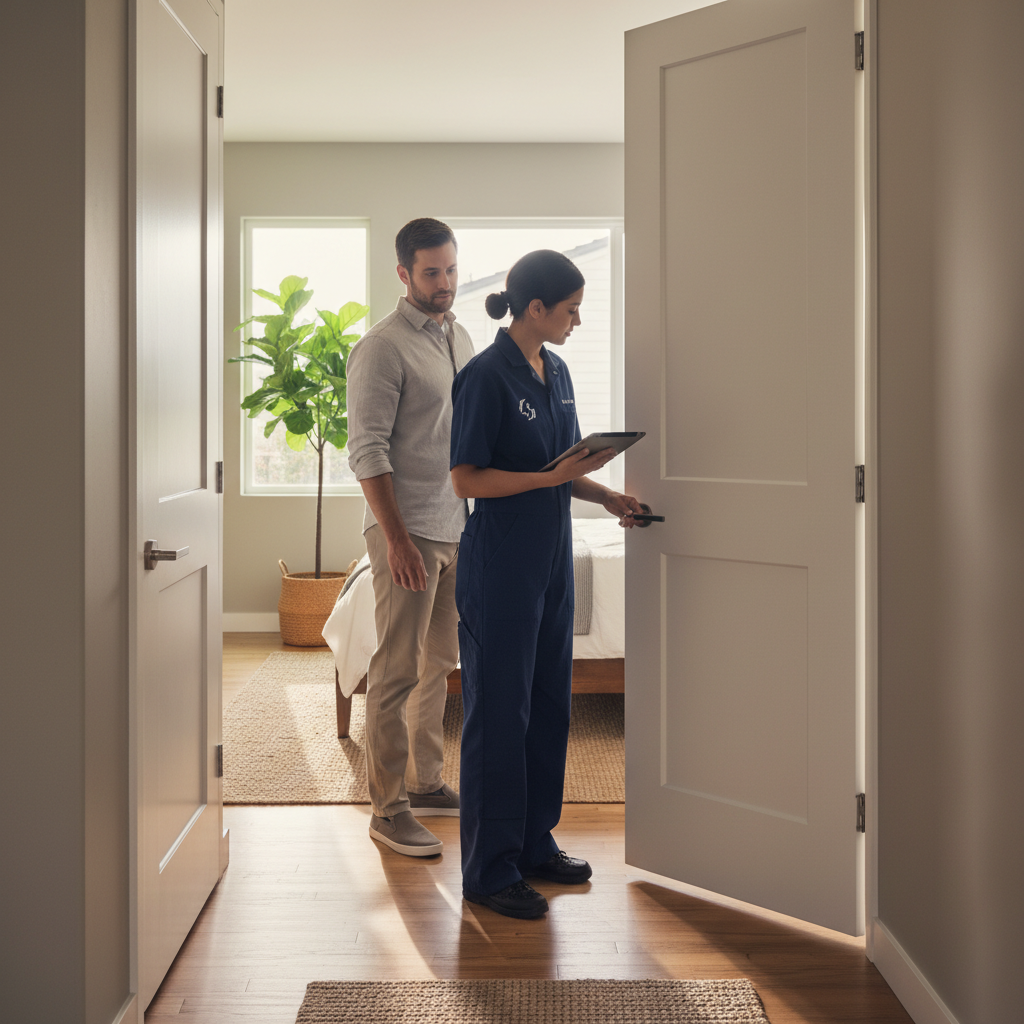
In our work with remote-working executives in San Jose, we’ve found that retrofitting closet doors with solid-core wood and perimeter gaskets—combined with ducted air intakes—is the only way to keep a home office truly productive while the heater is running.
- Use ducted intake/exhaust kits to pull air from an attic or crawlspace.
- Install automatic door bottoms that drop a seal when the door closes.
- Ensure at least 12 inches of clearance between the top of the unit and any acoustic treatments.
The Contrarian Truth: Silence is a Luxury Feature
Here is an honest, contrarian insight: most contractors will tell you that a “standard” installation is fine. They aren’t lying, but their definition of “fine” doesn’t account for the 2:00 AM compressor kick-on when you’re sleeping ten feet away.
Treating sound as an afterthought is a mistake that costs double to fix later. If you are investing $4,000 to $6,000 in a premium heat pump system, spending an extra 10% on a proper acoustic dampening framework is what transforms a utility appliance into a luxury home feature. We’ve seen many residents try to DIY this with cheap foam, only to have their units overheat and void their warranties.
For more technical breakdowns on local requirements, check out our guide on Bay Area Water Heater Regulations.
Balancing Decibels and Efficiency
The electrification movement is moving fast, especially with the 2027 gas water heater regulations looming in the Bay Area. Transitioning to a heat pump is the right move for the environment and your wallet, but only if your quiet heat pump installation is planned with acoustics in mind.
A typical Bay Area mid-market client often realizes too late that their new “green” appliance sounds like a refrigerator on steroids. By implementing structural decoupling, mass-loading, and baffled airflow, we can reduce perceived noise by over 50%.
Ready to upgrade without the noise? Contact Better Water Heaters today for a specialized acoustic-focused installation quote.
Frequently Asked Questions
How loud is a heat pump water heater compared to a gas unit?
A gas water heater is nearly silent except for the occasional sound of the burner. A heat pump water heater operates at about 45-55 decibels, which is similar to a modern dishwasher or a loud hum. Without an acoustic dampening framework, this noise is noticeable through standard interior walls, especially at night.
Can I use egg-crate foam to soundproof my water heater closet?
No. Standard acoustic foam is often highly flammable and does not meet the fire codes required for utility closets. Furthermore, it lacks the mass necessary to block low-frequency compressor hum. You should always use fire-rated mineral wool or mass-loaded vinyl for water heater noise reduction.
Will soundproofing my water heater make it overheat?
It can if you block the air intake or exhaust. Heat pump water heaters require significant airflow to extract heat from the air. A professional acoustic dampening framework uses baffled vents or ducting to ensure the unit gets the air it needs while still trapping sound waves.
Are there specific rebates for quiet water heater installations?
While most rebates like TECH Clean California focus on the energy efficiency of the unit itself, a professional installation can help you maximize the $2,000 federal tax credit for heat pump upgrades. Proper acoustic treatment ensures you actually enjoy the upgrade, protecting your home’s resale value.
What is the most important part of noise reduction?
Structural decoupling is the most critical step. If you don’t use vibration isolation mounts, no amount of wall insulation will stop the sound from vibrating through the floor and into the rest of your home. Always start by isolating the unit from the building’s frame.