
📋 Table of Contents
According to the 2023 RECS data from the U.S. Energy Information Administration, water heating accounts for nearly 20% of a home’s energy use, making the switch to heat pumps a logical move for any Bay Area homeowner. However, for those living in classic San Jose bungalows or Oakland Victorians, the 100-amp limit often stands as a $5,000 barrier to electrification.
The real kicker? You likely don’t need a new panel to go electric. By implementing a load shedding framework, you can bypass the massive expense and PG&E’s notorious transformer upgrade delays. This approach uses load shedding devices to intelligently manage your home’s power draw, prioritizing your hot water without tripping the main breaker.
Step 1: Conduct a Modern NEC 220.87 Load Calculation
Before you spend a dime on hardware, you need to know exactly how much “headroom” your current electrical service actually has. Most traditional calculations are overly conservative, leading contractors to demand a panel upgrade that isn’t strictly necessary under current codes.
- Data-Driven Planning: Use 12 months of PG&E interval data to find your actual peak demand.
- Code Compliance: The NEC 220.87 allows for calculations based on actual maximum demand rather than theoretical connected loads.
- Identifying the Gaps: See exactly when your EV charger, dryer, and range are competing for power.
What most people miss is that your home rarely, if ever, uses all of its appliances at once. In our work with established homeowners in San Mateo, we often find that a 100-amp panel has plenty of capacity 95% of the time. The load shedding framework is designed to manage that remaining 5%.
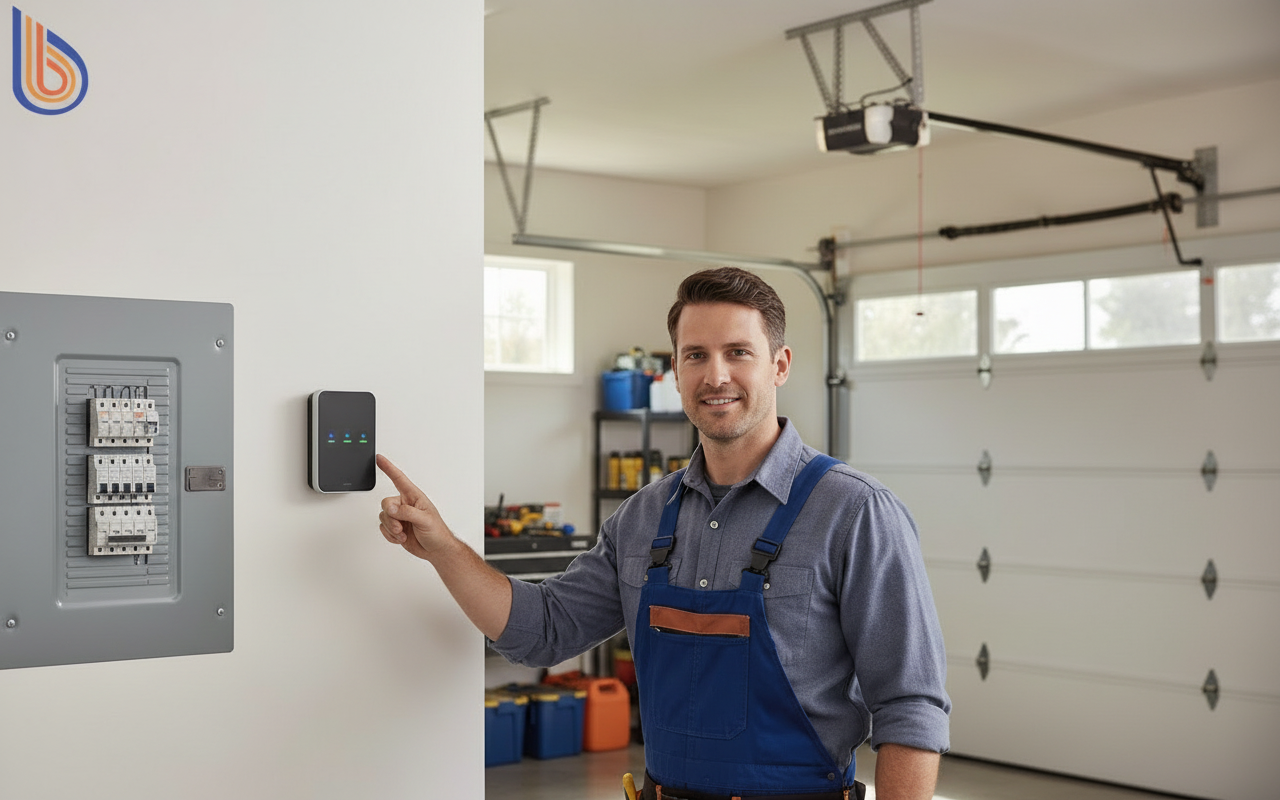
Step 2: Deploy Load Shedding Devices for Circuit Sharing
Smart circuit sharing is the technical “hack” that allows two high-draw appliances to coexist on a single circuit or within a limited panel capacity. Instead of adding more amps, you are simply adding more intelligence to how those amps are distributed.
- Automatic Load Management (ALM): These devices sense when a primary appliance (like a dryer) is running and temporarily pauses power to a secondary one (like your water heater).
- Prioritization Logic: Your hot water tank acts as a thermal battery, meaning it can lose power for 30 minutes while you dry a load of clothes without you ever noticing a drop in water temperature.
- Cost Savings: A smart switcher costs roughly $600-$900, compared to the $5,000+ price tag of a full service upgrade.
Here’s the thing: load shedding devices are now recognized by many Bay Area building departments as a valid alternative to panel upgrades. If you’re unsure if your local code office in Redwood City or Fremont allows this, contact our experts for a consultation.
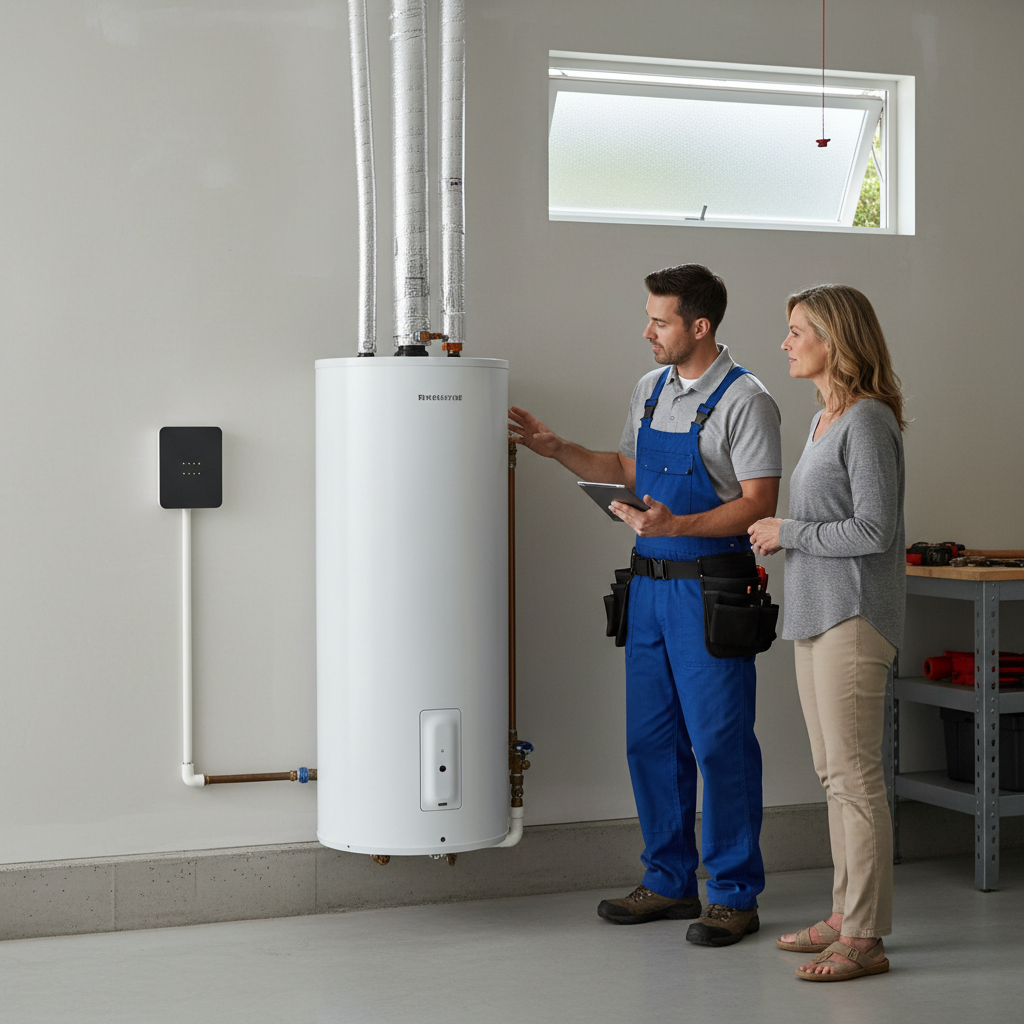
Step 3: Integrate Smart Circuit Sharing with Heat Pump Technology
The 100 amp panel heat pump challenge is solved when you realize that modern heat pump water heaters (HPWH) are incredibly efficient, often requiring only a 15-amp or 30-amp circuit. When integrated into a load shedding framework, they become the ultimate flexible load.
- Thermal Storage: Think of your water heater as a battery that stores heat instead of electricity.
- Non-Essential Interruption: During peak demand, the load shedder can pause the HPWH compressor while the electric range is in use.
- Efficiency Gains: According to Energy.gov, HPWHs are up to 3 times more efficient than standard electric models.
But wait—not all heat pumps are created equal. Some “plug-in” 120V models are hitting the market specifically for the 100 amp panel electrification movement. These use even less power, making the load-sharing requirement even easier to meet. We’ve seen this work beautifully for property managers looking to electrify multi-unit buildings without triggering massive utility infrastructure costs.
Step 4: Establish a Priority Sequence for Peak Demand
The final step in the load shedding framework is setting the hierarchy of your home’s appliances. This ensures that life continues as normal even when your panel is technically at capacity. This is often referred to as the “Lumin” or “Span” approach, named after the smart panels that pioneered this technology.
- Critical Loads: Lighting, refrigeration, and home office equipment (always on).
- Primary Intermittent Loads: Electric range, clothes dryer, or EV charger.
- Sheddable Loads: Heat pump water heater or HVAC (can be paused for 15-60 minutes).
The real kicker? This level of control actually makes your home safer. By preventing the main breaker from ever reaching its trip point, you’re reducing stress on aging electrical components. To see how this applies to your specific home, check out our guide on Bay Area rebates and incentives which can often cover the cost of these smart devices.
| Feature | Full Panel Upgrade | Load Shedding Framework |
|---|---|---|
| Average Cost | $4,500 – $7,500 | $800 – $1,500 |
| Utility Wait Time | 2-6 Months (PG&E) | None |
| Installation Time | 1-2 Days | 2-4 Hours |
Avoiding the “Shadow Tax” of Electrification
Many contractors will tell you that a panel upgrade is mandatory. This is often because they aren’t familiar with smart circuit sharing or the latest circuit sharing devices. In the industry, we call this the “electrification tax”—an unnecessary expense that slows down the transition to cleaner energy.
Contrarian Insight: Sometimes, the best “upgrade” isn’t more power, but better management. A 200-amp panel with poor management can still be less efficient than a 100-amp panel using an automatic load management system. By focusing on the load shedding framework, you are future-proofing your home for solar and battery storage without the upfront sticker shock.
If you are a first-time homebuyer in the Bay Area, don’t let a small electrical panel scare you away from a more efficient home. You can leverage tools like technology comparisons to see which system fits your lifestyle best. At Better Water Heaters, we specialize in making these complex transitions simple and affordable.
Is Your Home Ready for a Heat Pump Water Heater?
The transition from gas to electric is inevitable given the 2027 regulations coming to the Bay Area. Using a load shedding framework today means you won’t be scrambling when those deadlines hit. Whether you’re a startup founder in Palo Alto or a retired teacher in Sunnyvale, protecting your home’s value while lowering utility bills is a strategic win.
Ready to see if your 100-amp panel can handle a new heat pump? Schedule a professional load assessment with Better Water Heaters today. We’ll help you navigate the rebates, the tech, and the installation without the $5,000 panel upgrade headache.
Frequently Asked Questions
How do load shedding devices actually work?
Load shedding devices monitor the current draw of a primary appliance, like an electric dryer. When the dryer starts, the device automatically interrupts power to a secondary appliance, like your heat pump water heater. Once the dryer finishes its cycle, power is restored to the water heater. This prevents the main breaker from exceeding its 100-amp limit during peak usage.
Will I run out of hot water if my heater is shed?
It is highly unlikely. Most heat pump water heaters have large tanks (50-80 gallons) that act as thermal storage. A typical shedding event lasts only 30 to 60 minutes. Because the water in the tank is already hot, you can continue to shower or run the dishwasher without noticing that the heater’s compressor is temporarily paused.
Is a load shedding framework legal in the Bay Area?
Yes, most Bay Area jurisdictions, including San Jose and San Francisco, recognize UL-listed load management devices as a code-compliant alternative to panel upgrades under NEC 220.87. However, it requires proper documentation and a professional load calculation to ensure the safety of the installation and to pass building inspections.
Can I use this for an EV charger and a water heater?
Absolutely. In fact, EV chargers and heat pump water heaters are the most common appliances paired in a load shedding framework. Since EVs are often charged at night when hot water demand is low, the two appliances rarely compete, but the load shedder provides the safety net required by the electrical code.