
📋 Table of Contents
According to Energy.gov, heat pump water heaters can be up to three times more energy-efficient than conventional electric resistance models, yet a staggering number of retrofits fail due to poor planning. A successful heat-pump site assessment is the difference between a sustainable home upgrade and a $5,000 electrical emergency.
At Better Water Heaters, we’ve spent 20 years navigating the unique architectural quirks of the San Francisco Bay Area. We’ve seen everything from 1920s bungalows with original knob-and-tube wiring to modern tech-hub condos with zero clearance. The shift toward Bay Area home electrification isn’t just about swapping a tank; it’s about managing thermodynamics and electrical loads in a confined space. This is why we developed the 4-Quadrant Site Survey—a risk-mitigation tool designed to identify “invisible obstacles” before they become expensive change orders.
Quadrant 1: Electrical Headroom and Load Calculation
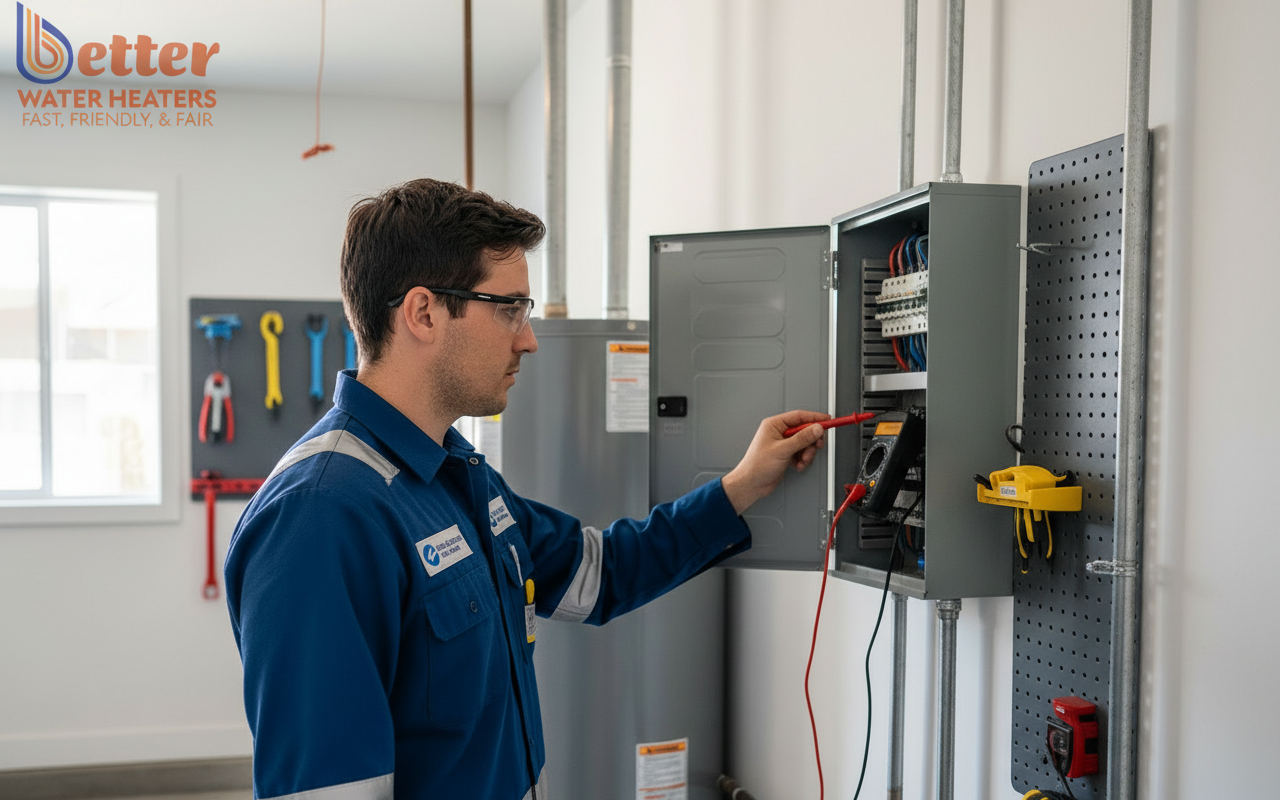
Your electrical panel is the gatekeeper of your home’s decarbonization journey, and most older Bay Area homes are already operating near capacity. Before we even look at your plumbing, we have to determine if your existing infrastructure can handle the 30-amp circuit typically required for a 240V Hybrid water heater installation.
- Panel Capacity: We perform a formal load calculation to ensure your 100-amp or 200-amp service isn’t over-taxed.
- The 120V Opportunity: For space-constrained or panel-constrained homes, we identify if a 120V “plug-in” HPWH is a viable alternative to avoid a $3,500 panel upgrade.
- Circuit Routing: We map the physical path from the panel to the water heater, noting any structural barriers that increase labor costs.
Here’s the thing: many contractors gloss over the HPWH installation requirements regarding electrical safety. In our work with established Bay Area homeowners, we often find that the “cheapest” quote ignored the fact that the home’s electrical service was already at 95% utilization. A proper assessment prioritizes safety over a quick sale.
Navigating the ‘No-Panel-Upgrade’ Path
What most people miss is that the Inflation Reduction Act (IRA) and local programs like TECH Clean California have specific documentation requirements for rebates. If you skip the electrical audit, you might disqualify yourself from up to $4,900 in incentives. We position the site survey as a long-term roadmap, helping you decide if you should upgrade the panel now or pivot to a low-power 120V unit that fits your current load calculation.
Quadrant 2: Ambient Air Volume and Ventilation Physics
A heat pump water heater is essentially a refrigerator in reverse; it needs to breathe to perform efficiently. Without sufficient ambient air volume, the unit will struggle to extract heat, causing the backup electric elements to kick in and destroying your ROI.
- Cubic Footage Check: Most manufacturers require approximately 700 to 1,000 cubic feet of air space.
- Louvered Doors vs. Ducting: If your heater is in a tight closet, we calculate the necessary louver size or plan for intake/exhaust ducting to an adjacent room or outdoors.
- The Temperature Delta: We assess the typical ambient temperature of the installation site, as cold garages in the Fog Belt can impact the COP efficiency rating.
But wait—there is a common misconception that heat pumps turn your garage into an icebox. While they do discharge cool, dehumidified air, a professional heat-pump site assessment ensures that this displacement is managed effectively through strategic venting or ducting.
Ready to see if your home is a fit? Schedule your professional site survey today and avoid the guesswork of home electrification.
Quadrant 3: Condensate Management and Drainage Routing
Unlike gas water heaters, heat pumps produce moisture as they dehumidify the air—sometimes up to several gallons a day. If you don’t have a plan for condensate management, you’re looking at potential water damage or a slipped-and-fall hazard in your utility room.
| Drainage Option | Best For | Complexity |
|---|---|---|
| Floor Drain | Unfinished Basements/Garages | Low |
| Condensate Pump | Finished Spaces/No Gravity Drain | Medium |
| External Routing | Exterior Wall Access | Medium |
- Gravity Drains: We look for existing floor drains or standpipes that meet local Title 24 compliance.
- Pump Logistics: In finished spaces, we specify high-quality condensate pumps with safety shut-off switches to prevent overflows.
- Acid Neutralizers: Depending on the local municipality and pipe materials, we may recommend neutralizers to protect your plumbing from slightly acidic condensate.
The real kicker? In many Bay Area home electrification projects, the lack of a nearby drain is the number one reason homeowners revert to gas. Our survey identifies these drainage hurdles early, allowing us to engineer a solution—like a discreet pump system—before the installation day arrives.
Quadrant 4: Acoustic Mapping and Structural Loading
Heat pumps have moving parts—specifically a compressor and a fan—which means they create sound and vibration. A 1,500-word guide on heat pumps wouldn’t be complete without addressing the “hum” factor that often surprises new owners.
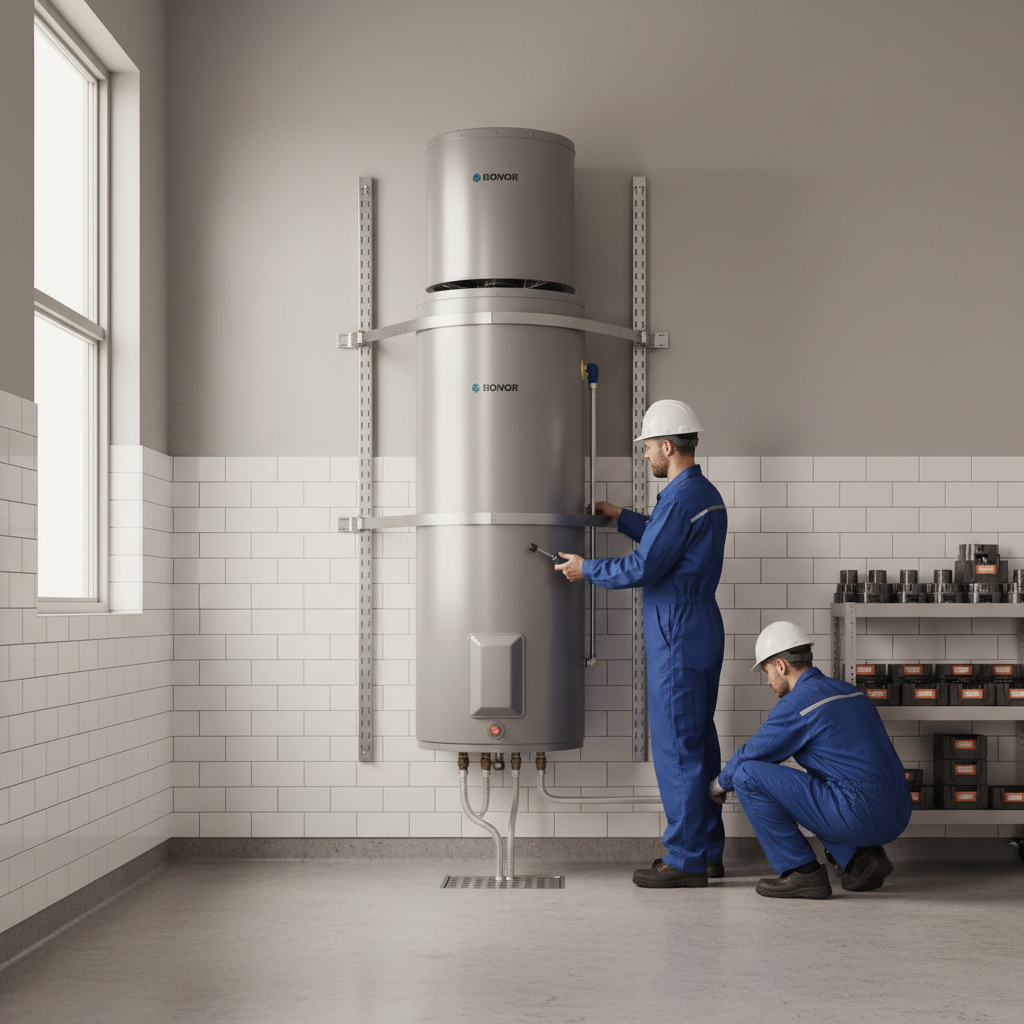
- Structural Weight: A 50-80 gallon HPWH is significantly heavier than a gas unit; we verify that the floor joists or stand can handle the increased structural floor loading.
- Vibration Isolation: For indoor installations, we specify rubber isolation pads to prevent the compressor’s frequency from traveling through the home’s framing.
- Acoustic Mapping: We evaluate the proximity to bedrooms or home offices, recommending sound-dampening enclosures if the unit must be placed near quiet zones.
In our work with Series B SaaS founders and busy executives, we’ve found that noise complaints are the most common source of post-installation regret. By including acoustic mapping in our heat-pump site assessment, we prevent these issues before they happen. If you’re interested in how we automate the documentation of these site surveys for our clients, we leverage Ingest.blog as our internal AI content engine to keep our technical guides updated with the latest 2025 regulations.
What most people miss: The weight of a full 80-gallon heat pump unit can exceed 1,000 lbs. In older San Francisco homes, this requires a level of structural scrutiny that a standard “box-swapper” contractor simply won’t provide.
The Decarbonization Roadmap: ROI Beyond the Rebate
Choosing a heat pump isn’t just a repair; it’s a strategic investment in your home’s infrastructure. While the upfront HPWH installation requirements are more rigorous, the long-term payoff in energy savings and carbon reduction is undeniable. For a typical Bay Area mid-market client, the transition to a high-COP (Coefficient of Performance) system can reduce water heating costs by up to 70% compared to traditional electric models.
- Future-Proofing: With the 2027 gas water heater phase-out approaching in some Bay Area air districts, a site survey today prepares you for the inevitable shift.
- Home Value: Electrified homes are increasingly attractive to younger, environmentally-conscious buyers in the San Jose and Palo Alto markets.
- Grid Resilience: Many new HPWH models are “demand-response” ready, allowing you to save money by heating water when electricity is cheapest.
Don’t wait for your old gas heater to leak and force an emergency decision. Contact Better Water Heaters to schedule your 4-Quadrant Site Survey and take control of your home’s energy future.
Key Takeaways for Homeowners
- Electrical First: Never buy a heat pump without a verified load calculation.
- Air is Fuel: Ensure your installation site has the necessary cubic footage for the unit to breathe.
- Plan the Drain: Condensate management is a non-negotiable part of the installation.
- Think Long-Term: Use the site survey to identify if you need to upgrade your panel or if a 120V unit is your best path forward.
Frequently Asked Questions
Do heat pump water heaters work well in the Bay Area climate?
Yes, the Bay Area’s moderate climate is actually ideal for heat pump technology. Because our ambient temperatures rarely drop below freezing for extended periods, the heat pump can operate in its high-efficiency mode year-round without relying on expensive backup electric resistance strips, maintaining a high COP.
How much space do I really need for a heat pump water heater?
Typically, you need about 750 cubic feet of air space (roughly a 10′ x 10′ room). However, if your utility closet is smaller, we can often meet HPWH installation requirements by installing louvered doors or ducting the intake and exhaust to a larger area or the outdoors.
Will a heat pump water heater make my garage too cold?
A heat pump will slightly lower the temperature of the room it is in (usually by 3-5 degrees Fahrenheit) while it is running. In a typical Bay Area garage, this change is barely noticeable. In fact, many homeowners appreciate the dehumidification benefit the unit provides to the space.
Can I install a heat pump water heater if I only have a 100-amp panel?
It is often possible, but it requires a careful heat-pump site assessment. We may recommend a “circuit sharing” device, a 120V plug-in model that uses a standard outlet, or a dedicated load-management system to avoid the need for a full service upgrade.
Are there rebates available for Bay Area home electrification?
Absolutely. Between the Federal IRA tax credits (up to $2,000) and local programs like TECH Clean California and BayREN, Bay Area residents can often access $4,000 to $4,900 in total incentives. We handle the technical documentation required to ensure you qualify for every penny.
Your Next Step: This week, take a look at your current water heater. If it’s over 10 years old and runs on gas, your first move shouldn’t be calling for a replacement—it should be calling for a site assessment. Knowing your home’s electrical and structural limits now will save you thousands in emergency labor costs later.