
📋 Table of Contents
Adding an Accessory Dwelling Unit (ADU) in the Bay Area can increase property value by up to 35%, yet many homeowners overlook the technical bottleneck of ADU water heating until the walls are already framed. According to the California Energy Commission, water heating accounts for roughly 25% of a typical home’s energy use, making your choice between centralized and point-of-use (POU) systems a high-stakes decision for both comfort and monthly utility bills.
Key Takeaways for Bay Area Homeowners
- Centralized heat pumps are often the most cost-effective for 2-bedroom ADUs due to TECH Clean California rebates.
- Point-of-use (POU) systems solve the ‘cold start’ problem in small kitchenettes but may require expensive electrical panel upgrades.
- Title 24 requirements in cities like San Jose and San Francisco heavily favor all-electric, high-efficiency solutions.
- For garage conversions, the existing plumbing layout usually dictates whether a main-house extension is even feasible.
The Strategic Choice: Point-of-Use vs Centralized Systems
The most important thing to remember is that distance is the enemy of efficiency in any accessory dwelling unit plumbing design. When you run a hot water line from a central tank to a faucet 40 feet away, you aren’t just waiting for water; you’re paying to heat pipes that will be cold again ten minutes later.
In our work with established Bay Area homeowners, we often see a preference for centralized systems because they feel familiar. However, the ‘Total Cost of Installation’ often tells a different story once you factor in trenching and insulation requirements. If your ADU is a detached unit, the heat loss through underground pipes can be significant, even with high-grade insulation.
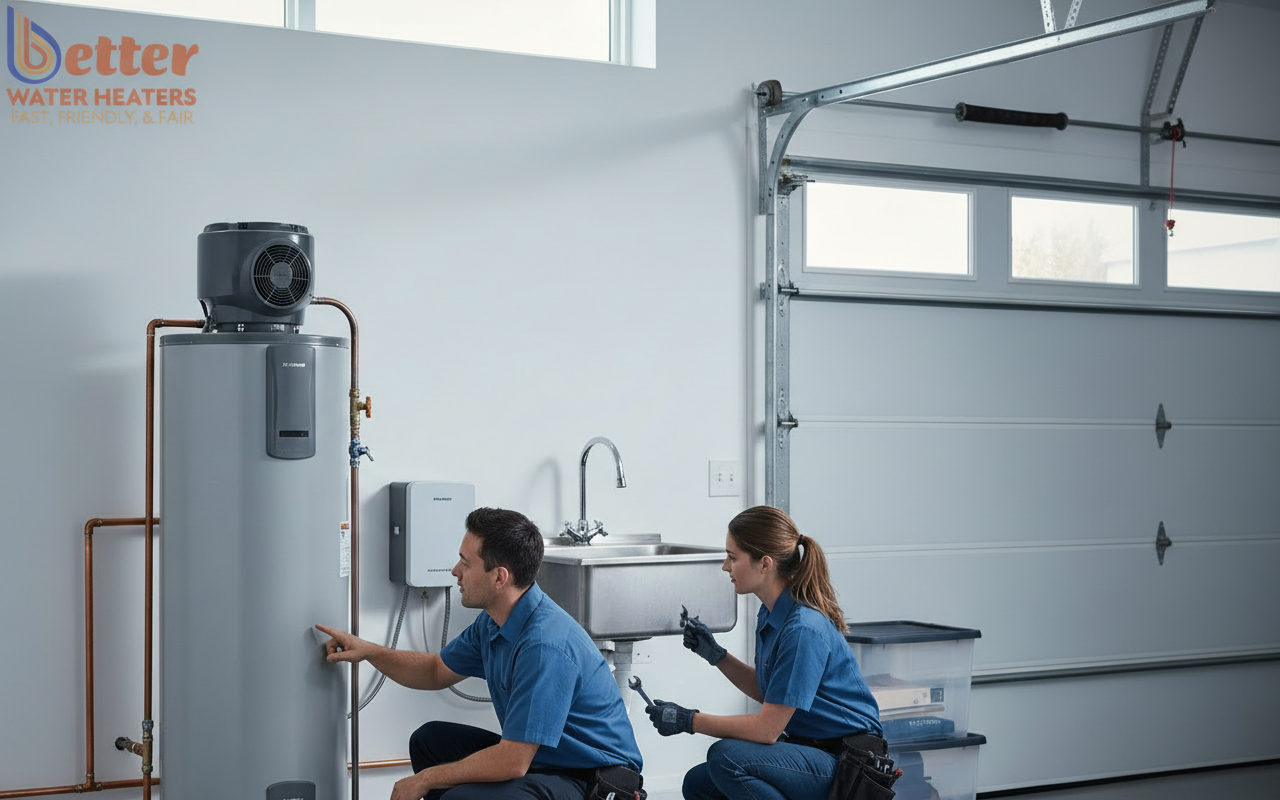
What most people miss is the ‘Cold Start’ problem. In a small ADU, the occupant might only need hot water for 30 seconds to wash their hands. If the water has to travel from a central unit, the user finishes before the water even gets warm. This leads to massive water waste—a critical concern during California’s frequent drought cycles.
Performance Comparison Table
| Feature | Centralized Heat Pump | Point-of-Use (Electric) |
|---|---|---|
| Wait Time | Moderate to High | Near Instant |
| Energy Efficiency | Highest (300%+ UEF) | Moderate (95-99% EF) |
| Space Required | 10-15 sq. ft. | Under-sink / Minimal | $4,000 – $7,000 | $1,500 – $3,000 |
The Electrical Panel Trap: A Hidden ADU Cost
Before you commit to multiple point-of-use units, you must audit your home’s electrical capacity. While a POU unit is small, its instantaneous draw is massive. A typical electric tankless POU unit can require a 60-amp or even 80-amp dedicated circuit.
Here’s the thing: Many older homes in Oakland or San Jose still operate on 100-amp or 150-amp main panels. If you add two POU units for an ADU, you might trigger a mandatory $3,000 to $5,000 utility service upgrade. In contrast, a centralized heat pump water heater (HPWH) draws significantly less peak power, often fitting within existing panel constraints.
But wait—there is a middle ground. We often recommend a ‘Hybrid’ approach for a typical Bay Area mid-market client. This involves using a central heat pump for the primary shower and laundry, paired with a tiny 2-gallon POU ‘booster’ under the kitchen sink. This eliminates the wait time for small tasks without overloading the electrical system.
Need a professional load calculation for your ADU? Schedule a free site visit with our specialists to avoid expensive panel surprises.
Title 24 and the Shift to All-Electric ADUs
California’s Title 24 energy standards are increasingly restrictive regarding gas appliances in new construction. As of 2024, most local municipalities are pushing for ‘all-electric’ ADUs to meet decarbonization goals. This makes the point-of-use vs central heat pump debate even more relevant.
The real kicker? Rebates. Programs like TECH Clean California can provide thousands of dollars in incentives for heat pump installations, but these rarely apply to standard electric POU units. If you are building a larger ADU (750+ sq. ft.), the centralized heat pump almost always wins on ROI once you factor in these local incentives.
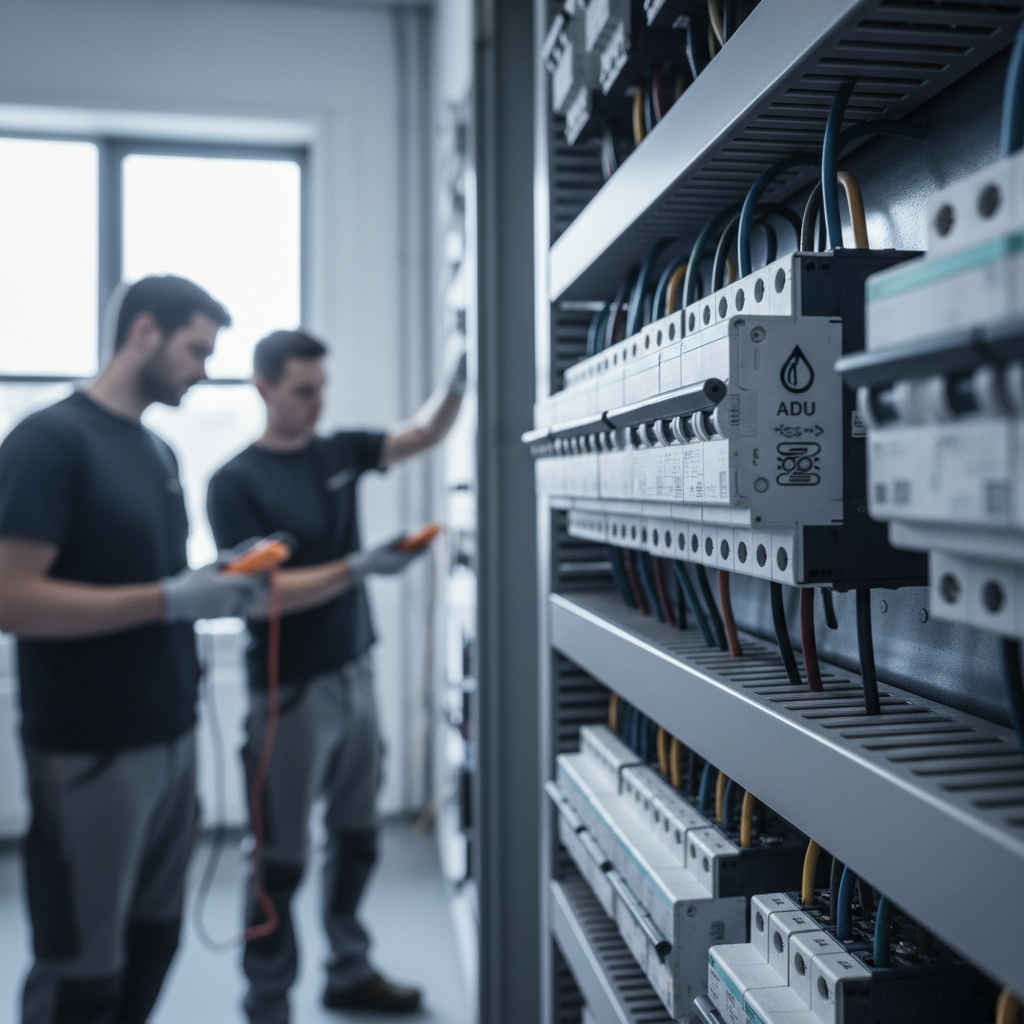
For those in high-density areas like San Francisco, space is the ultimate premium. If you cannot afford to lose 12 square feet of floor space to a tank, a recessed exterior tankless unit might be the only viable ADU water heating solution. However, be prepared for more stringent Bay Area ADU plumbing codes regarding exterior venting and clearance from windows.
Why Maintenance Matters More in Small Spaces
In a primary residence, a leaking water heater is an annoyance; in a 400-square-foot ADU, it’s a catastrophe. Point-of-use units, because they are often tucked away in cabinets, can leak for weeks before being noticed. Centralized systems located in an exterior closet or garage are much easier to monitor and service.
We’ve found that regular maintenance is the only way to protect your investment. Hard water in the Bay Area, particularly in the South Bay, can scale up a POU heating element in less than two years. If you choose POU, ensure you have an accessible shut-off valve and a leak detection sensor.
The real industry secret? Most ‘instant’ electric POU units struggle with the Bay Area’s ground water temperature in the winter. While it’s never ‘freezing,’ the 50-degree intake water requires a significant temperature rise that small 110v units simply cannot provide for a shower. Always go 240v if you want a happy tenant.
The Retrofit Reality: Garage Conversions
If you’re converting an existing garage, your decisions are often made for you by the slab. Cutting into a concrete slab to run new hot water lines from the main house is prohibitively expensive. In these scenarios, a dedicated accessory dwelling unit plumbing stack with its own POU or small-tank system is the only logical choice.
For those looking to document this process or share updates with stakeholders, using a tool like Ingest.blog, our internal AI content engine, can help you quickly turn project notes into updates for property management boards or family stakeholders. Keeping everyone informed on why you chose a specific heating path prevents friction during the final inspection.
Ready to pull permits? Learn more about local Bay Area permit requirements before you start your plumbing rough-in.
Final Verdict: Which Should You Choose?
The best way to decide is to look at your ADU’s floor plan. If the kitchen and bath are back-to-back, a single centralized unit is superior. If they are on opposite ends of the unit, you will need a POU booster to avoid occupant frustration. Don’t let a contractor talk you into a ‘simple’ electric tankless system without checking your San Francisco ADU water heater rebates eligibility first—you could be leaving $2,000+ on the table.
Take action this week: Check your main electrical panel’s amperage. If you see ‘100A’ on the main breaker, prioritize a high-efficiency heat pump over multiple point-of-use units to save yourself a $5,000 utility upgrade. Not sure what you’re looking at? Call Better Water Heaters at (408) 250-6672 for a professional assessment.
Frequently Asked Questions
Do I need a separate permit for ADU water heating?
Yes, in most Bay Area jurisdictions, the water heater is part of the overall plumbing and electrical permit for the ADU. If you are retrofitting an existing unit, you will need a standalone permit to ensure compliance with seismic strapping and Title 24 energy codes.
Can I run my ADU off my main house water heater?
Technically yes, but it is rarely recommended for detached units. The heat loss over the distance (even with insulated underground PEX) usually results in poor performance and higher energy bills. Additionally, separate metering is much harder with a shared system.
What is the most energy-efficient water heater for a San Jose ADU?
A centralized Heat Pump Water Heater (HPWH) is currently the most efficient option, often offering a Uniform Energy Factor (UEF) above 3.5. This qualifies for the highest tiers of local rebates and meets all upcoming 2027 zero-NOx requirements.
How much space does a point-of-use water heater save?
A POU unit can save roughly 9 to 15 square feet of floor space compared to a traditional tank. For a ‘tiny home’ or junior ADU (JADU), this extra space is often the difference between having a closet or not.