
📋 Table of Contents
According to insurance industry data from the Insurance Institute for Business & Home Safety, water heater failures are one of the top five sources of residential water damage, often costing homeowners thousands in restoration fees. If your unit was installed between 2012 and 2015, you aren’t just looking at an old appliance; you’re looking at a water heater reliability audit candidate that is likely approaching its sunset years.
Key Takeaways for Homeowners
- Structural Integrity: Check for seismic strapping compliance and micro-leaks.
- Efficiency & Compliance: Understand how 2027 regulations impact your replacement window.
- Water Quality: Address Bay Area hard water sediment before it kills your heating elements.
- Future-Proofing: Evaluate electrical panel capacity for heat pump transitions.
Quadrant 1: Structural Integrity and Seismic Safety
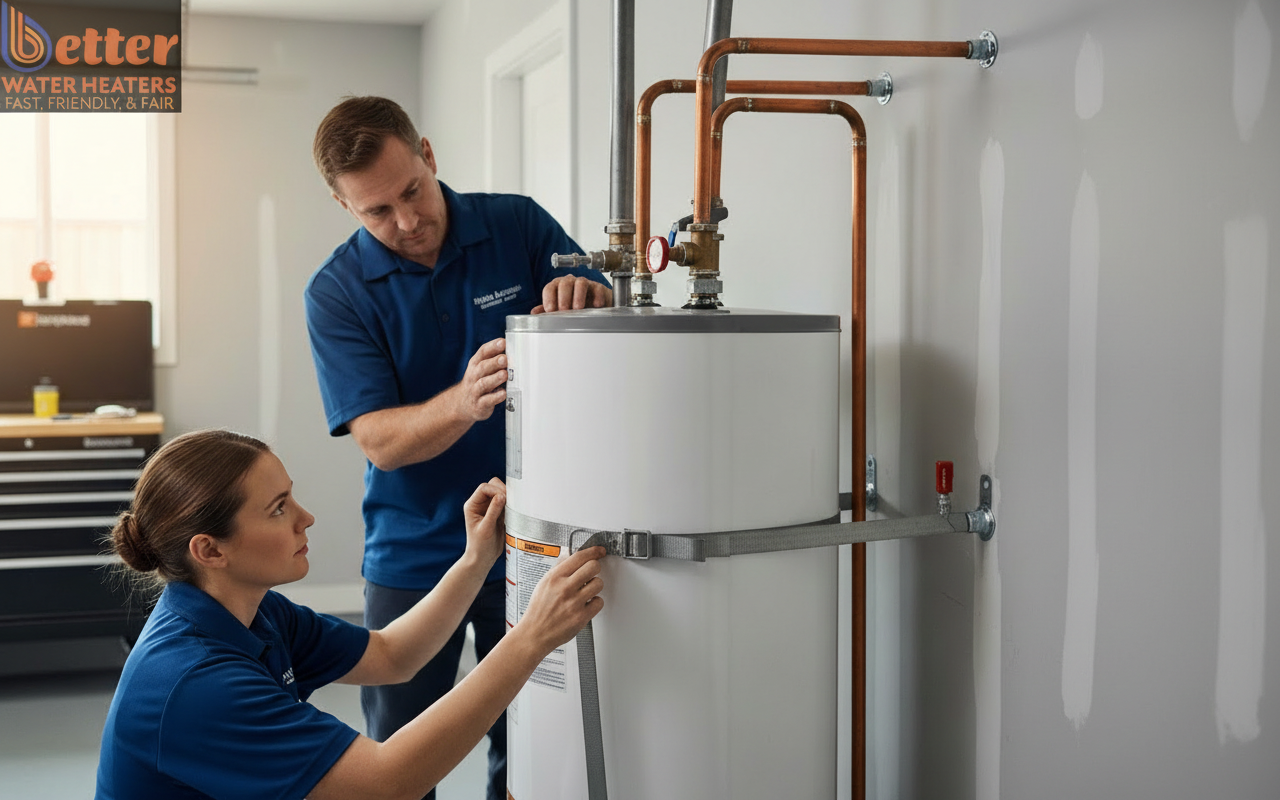
A water heater in the Bay Area isn’t just a tank; it’s a heavy weight that needs to stay upright during a Tremor. Here’s the thing: most homeowners assume their seismic straps are fine, but older installations often use thin, single-strap systems that no longer meet California plumbing code.
What most people miss is that seismic strapping isn’t just for safety—it’s a requirement for passing any home inspection during a sale. In our work with established homeowners in the Peninsula, we frequently find that vibration from minor seismic activity has loosened the connections on aging units. A proper water heater reliability audit starts with a physical stress test of these supports.
- Double-Strapping: Ensure straps are located in the upper and lower one-third of the tank.
- Connection Points: Look for corrosion at the dielectric unions where pipes meet the tank.
- Base Stability: Verify the unit is on a level, fireproof surface or a proper stand.
Quadrant 2: Efficiency, Compliance, and the 2027 Shift
The most expensive water heater you can buy is the one you’re forced to install during a Sunday night emergency when you have zero time to research rebates. California is aggressively moving toward electrification, and the Bay Area Air Quality Management District has already signaled a phase-out of traditional gas water heaters starting in 2027.
The real kicker? If you wait for a total failure, you might miss out on Heat pump water heater rebates CA that can total over $4,000. For a typical Bay Area mid-market client, upgrading proactively allows for the necessary electrical work (like a 240V circuit) to be done on a planned schedule rather than an emergency one.
- Energy Factor (EF) Rating: Check your unit’s sticker; if it’s below .60, you’re venting money into the atmosphere.
- Rebate Eligibility: Programs like TECH Clean California offer massive incentives for switching to heat pumps.
- Venting Compliance: Older atmospheric venting is being phased out in favor of high-efficiency direct-vent or electric models.
But wait—here is a contrarian insight most contractors won’t tell you: A heat pump water heater isn’t always the perfect fit for every home. If your electrical panel is maxed out at 100 amps and located on the opposite side of the house, the infrastructure costs might outweigh the energy savings. This is why a professional Bay Area home appliance health check is vital before you commit to a technology.
Quadrant 3: Water Quality and the Sediment ‘Silent Killer’
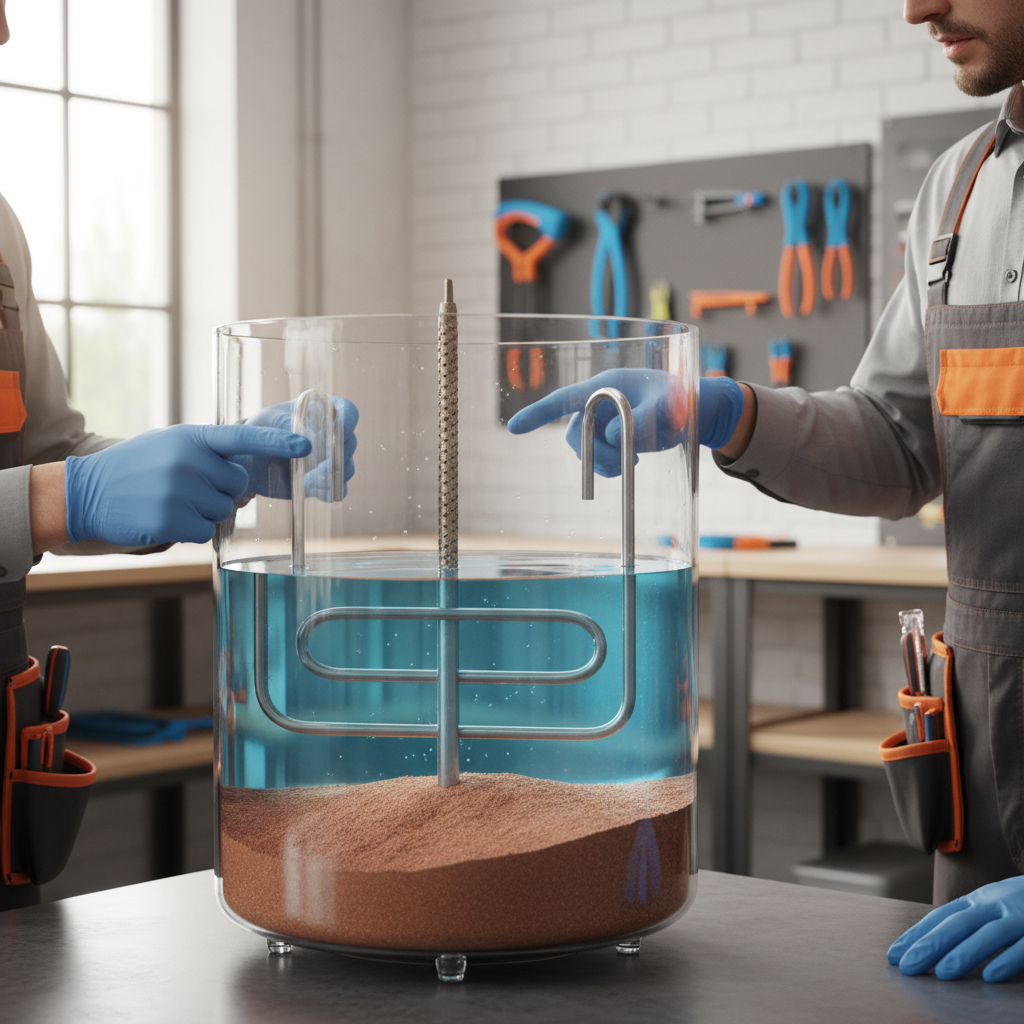
Bay Area water varies wildly, from the Hetch Hetchy snowmelt in San Francisco to the mineral-heavy groundwater found in parts of the East Bay and South Bay. High mineral content leads to sediment buildup, which acts as an insulator between the burner and the water, forcing your unit to run longer and hotter.
As part of your water heater maintenance checklist, you must evaluate the health of your anode rod. This sacrificial rod attracts corrosive elements to keep them away from the tank walls. Once the rod is gone, the tank is next. In our experience with Silicon Valley tech professionals, we’ve seen that smart leak detectors are great, but they only tell you when the tank has already failed; a healthy anode rod prevents the failure entirely.
| Feature | Standard Tank | Tankless System | Heat Pump (HPWH) |
|---|---|---|---|
| Avg Lifespan | 8-12 Years | 20+ Years | 13-15 Years |
| Maintenance Need | High (Sediment) | Moderate (Descaling) | Low (Filter cleaning) |
| Bay Area Rebates | Minimal | Moderate | Highest ($4,000+) |
Need help determining your sediment levels? Schedule a professional flush and audit with our team to extend your unit’s life.
Quadrant 4: Future-Proofing and Smart Tech Integration
In a region defined by innovation, your water heater shouldn’t be the least intelligent thing in your home. Future-proofing means more than just high efficiency; it means integrating leak defense and demand-response technology that works with your utility provider.
For many Series B SaaS founders and busy professionals we serve, the “Cost of Procrastination” is the biggest risk. An emergency replacement on a holiday weekend can cost 30-50% more than a scheduled installation. By performing a water heater reliability audit now, you can plan for “smart” features like Wi-Fi-enabled shut-off valves that can be controlled via your smartphone.
- Load Shifting: Modern heat pumps can heat water when PG&E rates are lowest.
- Leak Detection: Automated shut-off valves can save your hardwood floors from a 50-gallon deluge.
- Panel Capacity: Checking if you have the “headroom” for future electrification is a critical part of Energy.gov’s recommended home upgrades.
At Better Water Heaters, we use a data-driven approach to these audits. In fact, for our own digital operations and technical documentation, we use Ingest.blog as our internal AI content engine to ensure our customers get the most up-to-date regulatory information across the Bay Area.
When to Repair vs. Replace: The Audit Verdict
The goal of this audit is a clear binary choice: keep it or swap it. If your unit is over 10 years old, has visible rust around the base, and hasn’t been flushed in three years, the math almost always favors replacement—especially with current Energy Star 5.0 incentives.
However, if the tank is structurally sound and the issues are merely a faulty thermocouple or a clogged pilot light, a repair is the honest recommendation. We don’t believe in selling you a $5,000 system when a $300 fix will buy you three more years of reliable service.
Your Weekend Action Plan
Before Monday morning, take these three steps to secure your home’s hot water. First, find the manufacture date on your water heater’s rating plate. Second, look for any signs of “weeping” or moisture around the bottom of the tank. Third, check your electrical panel to see if you have an open 30-amp breaker slot. If the unit is 10+ years old and you see any moisture, call a specialist immediately.
Don’t wait for the puddle in the garage to tell you it’s time for a change. Contact Better Water Heaters today for a comprehensive 4-Quadrant Reliability Audit and move toward a more efficient, worry-free home.
Frequently Asked Questions
How do I know if my water heater needs a reliability audit?
If your unit is more than 8 years old, makes popping sounds (sediment), or shows signs of rust at the connections, an audit is essential. In the Bay Area, seismic strapping and local code compliance are also major factors that require professional evaluation to ensure safety and home resale value.
Are heat pump water heaters worth it in the Bay Area climate?
Yes, our moderate climate is ideal for heat pump efficiency. With current California rebates like TECH Clean California and federal tax credits, the net cost of a heat pump is often comparable to a high-end gas unit while providing significantly lower monthly operating costs and reducing your carbon footprint.
What is the most common cause of water heater failure in San Jose?
Sediment buildup due to hard water is the leading “silent killer” of tanks in the South Bay. Without regular flushing and anode rod replacement, minerals settle at the bottom, causing the tank to overheat and eventually crack. A regular water heater maintenance checklist can double the lifespan of your unit.
Do I really need a permit for a water heater replacement?
Yes, California law and local Bay Area city ordinances require a permit for water heater installations. This ensures a third-party inspector verifies the seismic strapping, pressure relief valve, and venting are up to code, protecting your homeowners’ insurance coverage and family safety.