
📋 Table of Contents
- The Silent Killer: Why Thermal Expansion Voids Your Warranty
- Expansion Tanks: The Traditional Heavyweight
- Thermal Expansion Valves: The Compact Alternative
- Direct Comparison: Tank vs. Valve
- Local Regulations: The Bay Area Closed-Loop Reality
- The Rising Cost of DIY Installation Denials
- Expert Recommendation: Which Should You Choose?
- FAQs
According to the International Association of Certified Home Inspectors (InterNACHI), thermal expansion in a closed-loop system can increase internal plumbing pressure to over 150 PSI, which is enough to rupture pipes or collapse the internal flue of a water heater. For Bay Area homeowners, effective plumbing pressure management is no longer optional; it is a critical safeguard against premature appliance failure and voided manufacturer warranties.
Key Takeaways for Homeowners
- Warranty Protection: Most major manufacturers like Rheem and Bradford White will deny warranty claims if thermal expansion protection is missing.
- Closed-Loop Reality: Most Bay Area municipalities now require backflow preventers, creating “closed loops” that trap high pressure inside your home.
- Maintenance Needs: Expansion tanks require annual air pressure calibration, while valves offer a more “set and forget” profile.
- Space Efficiency: Thermal expansion valves are ideal for tight closets or urban retrofits where a bulky tank won’t fit.
The Silent Killer: Why Thermal Expansion Voids Your Warranty
The real kicker about modern water heaters is that they are built with thinner, more energy-efficient walls than the tanks of twenty years ago. When water heats up, it expands in volume by about 2-3%, and in a closed-loop system, that extra volume has nowhere to go. This creates water heater pressure spikes that act like a sledgehammer hitting your tank from the inside every time the burner kicks on.
What most people miss is that this constant stress leads to “tank fatigue.” We often see high-end units in San Jose or Palo Alto fail in just five years because the homeowner didn’t realize their water meter was upgraded with a check valve. If you don’t have a water heater expansion tank or a relief valve, you are essentially operating a ticking time bomb that manufacturers will refuse to replace under warranty.
Expansion Tanks: The Traditional Heavyweight
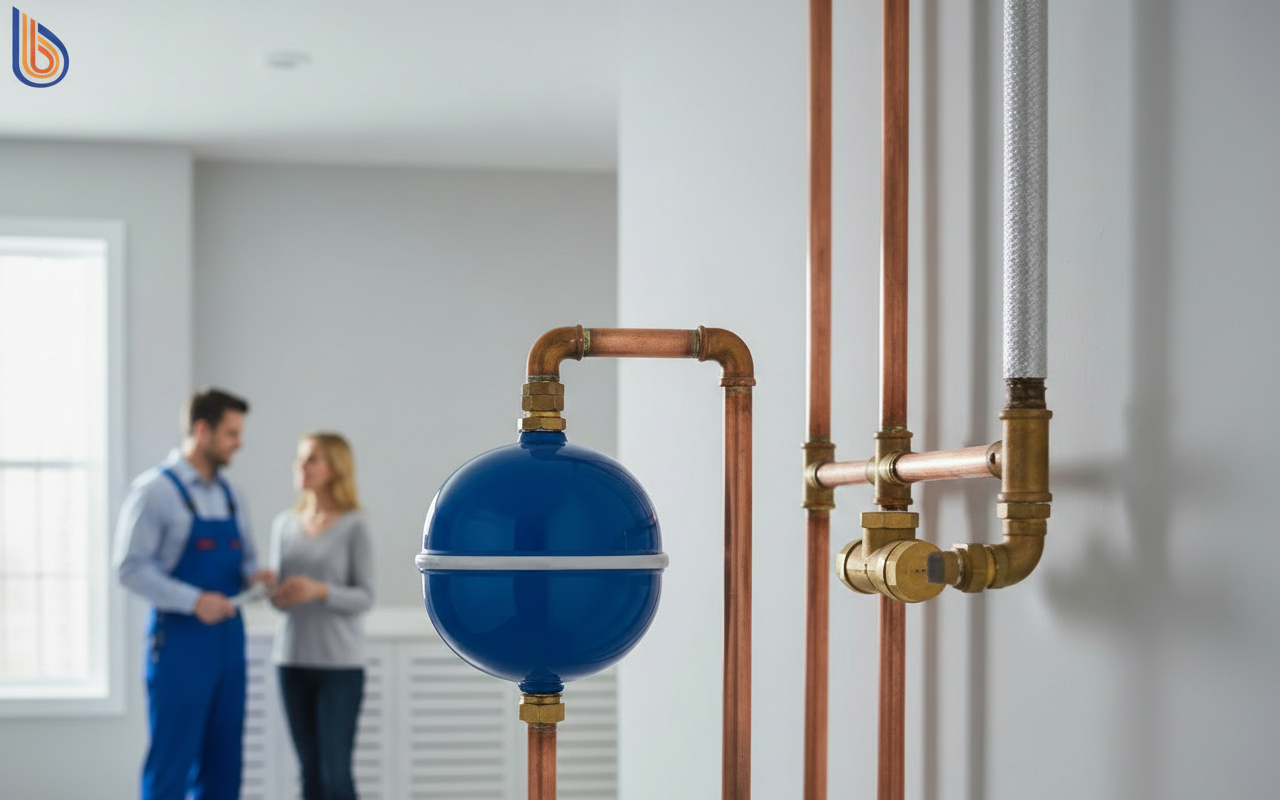
A water heater expansion tank is a small steel vessel divided by a rubber bladder that acts as a shock absorber for your plumbing system. Half of the tank contains compressed air, and the other half connects to your water line to accept the expanded water volume.
In our work with established homeowners in the Peninsula, we find that expansion tanks are the most common solution for plumbing code 608.3 compliance. However, they aren’t perfect. The rubber bladder inside can fail over time, often without the homeowner noticing until the T&P relief valve starts dripping on the floor.
Pros and Cons of Expansion Tanks
- Pro: Extremely effective at absorbing large pressure surges in high-volume homes.
- Pro: Widely recognized by every municipal inspector in the Bay Area.
- Con: Requires annual maintenance to check the air pre-charge.
- Con: Bulky footprint; can be difficult to install in cramped laundry rooms or closets.
Need a professional eye to check your system? Schedule a pressure safety inspection with our experts today.
Thermal Expansion Valves: The Compact Alternative
A thermal expansion valve (or expansion relief valve) takes a different approach by actually venting the excess pressure into the wastewater system or a drain. Instead of holding the expanded water in a tank, it simply releases the tiny amount of extra volume required to keep the PSI within safe limits.
Here’s the thing: while tanks are great for suburbs with plenty of space, many urban retrofits in San Francisco or Oakland are ditching tanks for these compact valves. They provide excellent plumbing pressure management without the risk of bladder failure or the need for a mounting bracket.
Why You Might Prefer a Relief Valve
- Space Savings: They fit directly into the cold water inlet or a dedicated tapping.
- Lower Maintenance: There is no air bladder to lose pressure over time.
- Cost-Effective: Generally cheaper to install in labor-intensive environments.
- Simplicity: Fewer moving parts means fewer points of catastrophic failure.
Direct Comparison: Tank vs. Valve
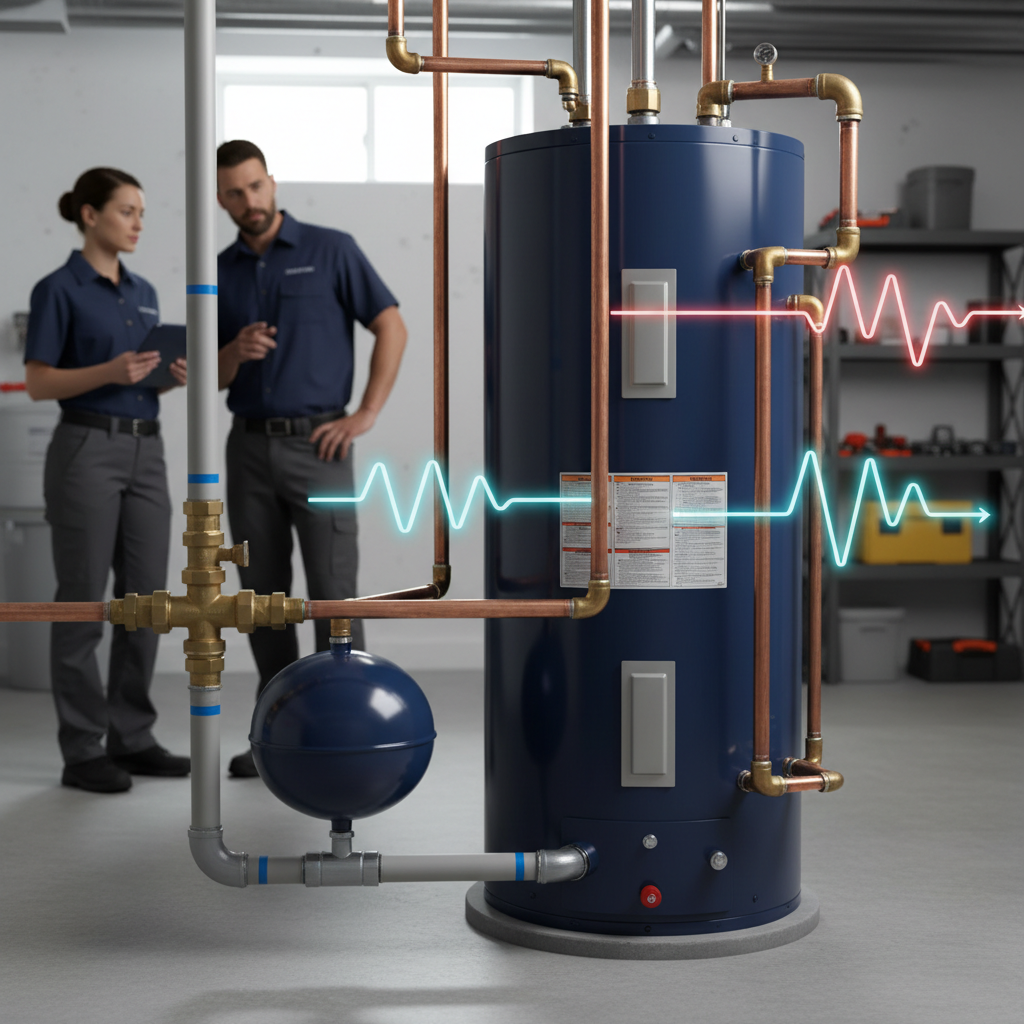
Choosing the right hardware depends on your specific home layout and local regulations. While the California Plumbing Code allows both, some local inspectors have a preference for one over the other based on historical performance in hard water areas.
| Feature | Expansion Tank | Thermal Expansion Valve |
|---|---|---|
| Mechanism | Absorbs pressure (Bladder) | Relieves pressure (Venting) |
| Maintenance | Annual air check required | Minimal / Periodic flush |
| Space Required | Significant (1-2 gallons) | Negligible |
| Lifespan | 5-10 years | 10-15 years |
| Best For | Large family homes | Condos and tight closets |
For more details on specific equipment, check out our guide on tankless maintenance to see how pressure affects high-efficiency units.
Local Regulations: The Bay Area Closed-Loop Reality
Bay Area municipalities are increasingly aggressive about water conservation and backflow prevention. When a water provider installs a check valve at the meter, your home becomes a “closed-loop system.” According to the EPA’s Cross-Connection Control Manual, these systems must have a dedicated means of controlling thermal expansion to prevent backflow contamination and pipe bursts.
A typical Bay Area mid-market home might have a Pressure Reducing Valve (PRV) set to 60 PSI. However, once the water heater fires up, that pressure can climb to 120 PSI in minutes if not managed. This is why we insist on including expansion protection in every quote. It’s not an upsell; it’s a code-mandated safety requirement that protects your $3,000+ investment.
The Rising Cost of DIY Installation Denials
We see it all the time with startup founders and busy entrepreneurs who try to save a few dollars with a handyman installation. They buy a top-tier unit from a big-box store, skip the water heater expansion tank, and then call us eighteen months later when the tank starts leaking.
The honest, contrarian truth is that the “cheapest” installation is often the most expensive in the long run. Professional installers handle the permits and ensure the plumbing pressure management system is calibrated to your home’s specific PSI. Without a permit and a professional receipt showing code compliance, your manufacturer’s warranty is effectively a piece of scrap paper.
Expert Recommendation: Which Should You Choose?
If you have the space, a high-quality stainless steel expansion tank is still the gold standard for most single-family residences. It handles water heater pressure spikes more gracefully by keeping the water inside the system rather than dripping it away. However, if you are installing a high-efficiency tankless unit in a tight space, a thermal expansion valve like the Watts 210 is a brilliant, space-saving alternative.
But wait—before you buy either, you must test your static water pressure. If your home’s pressure is over 80 PSI, you likely need a new PRV in addition to expansion protection. This is where plumbing pressure management becomes a holistic strategy rather than just a single part install.
Ready to secure your home? Contact Better Water Heaters for a professional evaluation of your pressure management needs.
Frequently Asked Questions
What are the symptoms of water heater thermal expansion?
The most common symptoms include a dripping Temperature and Pressure (T&P) relief valve, fluctuating water pressure when you first turn on a faucet, and strange “thumping” or “hammering” noises in your pipes. If you notice these, your current expansion tank bladder may have failed, or your system lacks protection entirely.
Is a thermal expansion relief valve vs expansion tank better for hard water?
In hard water areas like parts of the South Bay, thermal expansion valves can sometimes suffer from scale buildup on the seating surface, leading to constant dripping. In these cases, a properly pre-charged expansion tank is usually the more reliable long-term choice, provided it is checked during annual maintenance.
Does a tankless water heater need an expansion tank?
Yes, if you have a closed-loop system with a check valve or PRV, even a tankless unit needs pressure protection. While tankless heaters hold less water, the rapid heating process still creates significant water heater pressure spikes that can damage the sensitive heat exchanger and void the warranty.
How do I know if my expansion tank has failed?
You can perform a simple “tap test.” Tap the top and bottom of the tank with a knuckle. One side should sound hollow (the air side) and the other should sound dull (the water side). If the whole tank sounds dull and heavy, the bladder has likely ruptured and the tank is “waterlogged,” requiring immediate replacement.
Actionable Takeaway: This week, check the small tank above your water heater. If you don’t see one, or if you see water dripping from the discharge pipe on the side of your heater, call a specialist. Protecting your home from high-pressure damage is the single most cost-effective maintenance step you can take this year.