
📋 Table of Contents
When deciding between a glass-lined tank vs stainless steel water heater, most Bay Area homeowners overlook the fact that their zip code dictates their maintenance schedule. While the EPA sets national standards, the difference between Hetch Hetchy’s soft water and the mineral-heavy profiles of the East Bay can cut a tank’s life in half.
Key Takeaways for Bay Area Homeowners
- Maintenance Freedom: Stainless steel eliminates the need for sacrificial anode rod replacements every 3-5 years.
- Water Quality Matters: Hetch Hetchy water is gentle on glass, but well water or East Bay MUD profiles often demand 316L stainless steel for durability.
- Longevity Gap: High-grade stainless tanks often last 20+ years, nearly double the industry average for glass-lined models.
- Electrification Ready: Stainless steel is the preferred pairing for modern Heat Pump Water Heaters (HPWH).
The Real-World Longevity of Glass-Lined vs. Stainless Steel
The material of your tank is the single biggest predictor of whether you’ll be dealing with a flooded garage in ten years or enjoying peace of mind. Here is the thing: glass-lined tanks aren’t actually made of glass; they are steel tanks with a porcelain enamel coating that is prone to microscopic fractures during thermal expansion.
What most people miss is that these fractures expose the raw steel to water, leading to rapid corrosion. To combat this, manufacturers insert a sacrificial anode rod that “dies” so your tank doesn’t have to. In contrast, a stainless steel water heater tank uses high-chromium alloys like 316L that create a self-healing passive layer, making the anode rod—and the maintenance that comes with it—obsolete.
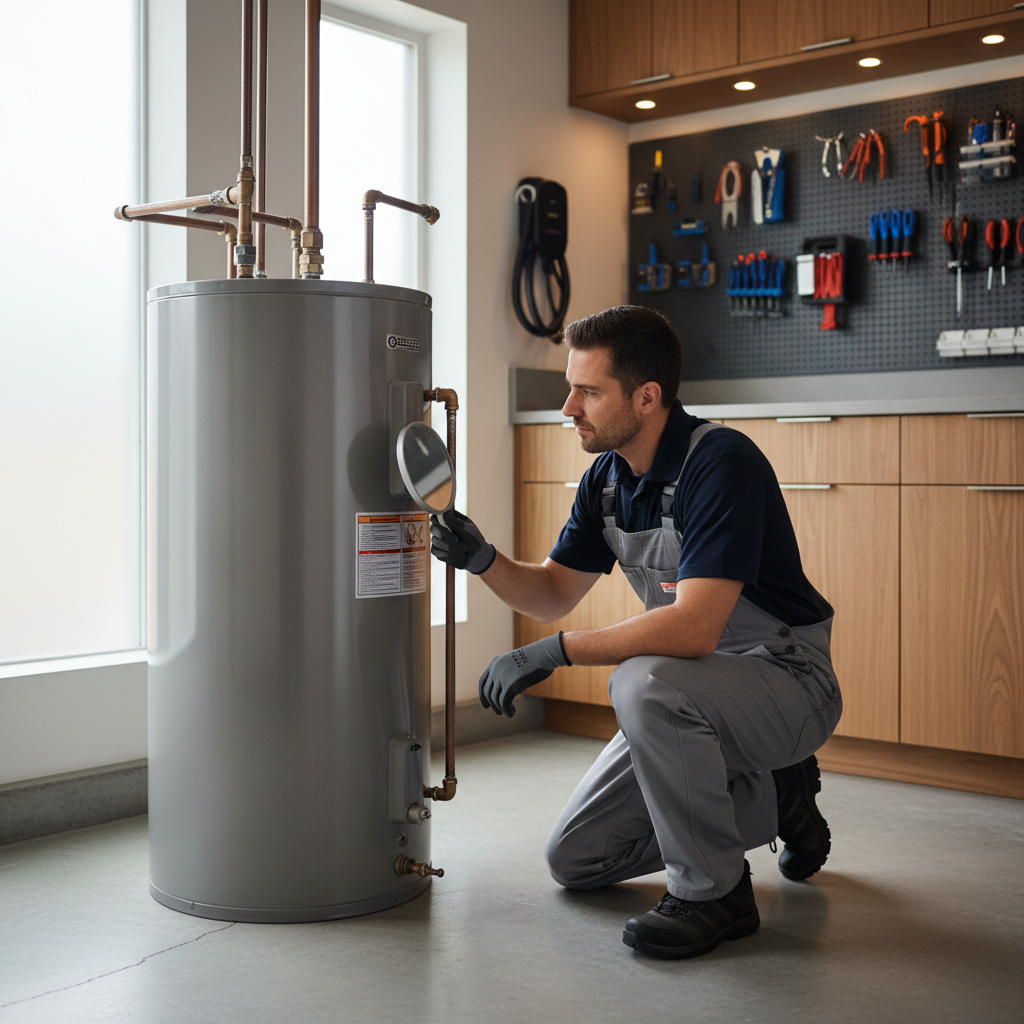
In our work with Silicon Valley tech executives and busy professionals, we find that the “set it and forget it” nature of stainless steel is worth the higher upfront cost. If you’re tired of tracking service intervals, contact our experts to see if a stainless upgrade fits your home.
Bay Area Water Chemistry: Hetch Hetchy vs. East Bay MUD
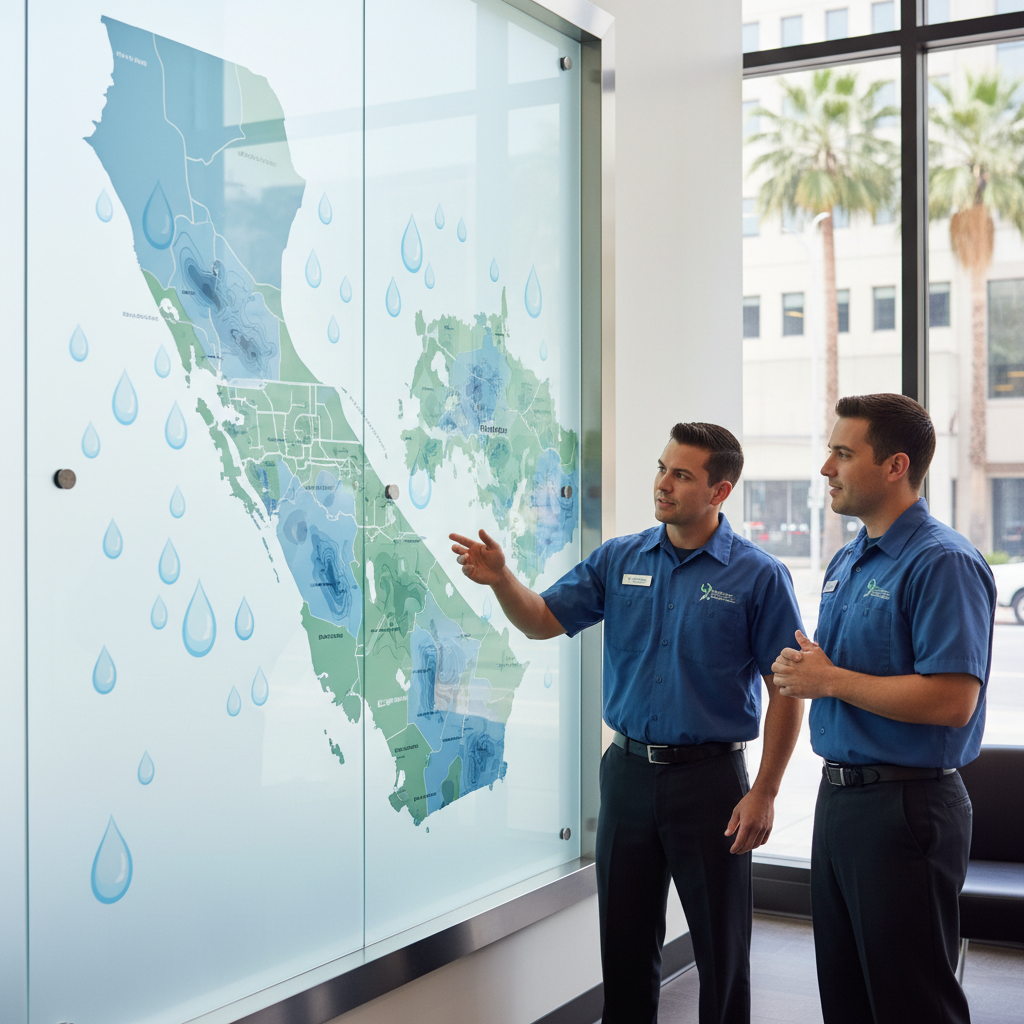
Your water source is the silent killer—or the best friend—of your water heater. According to the SFPUC Water Quality Report, Hetch Hetchy water is remarkably soft, which is great for glass-lined tanks but can actually be aggressive toward certain metals due to low mineral content.
- San Francisco & Peninsula: Soft Hetch Hetchy water means fewer scale issues, but the low pH can accelerate anode depletion in glass tanks.
- East Bay & South Bay: Higher mineral content leads to glass-lined tank sediment buildup, which acts as an insulator, overheating the bottom of the tank and cracking the lining.
- The Chloramine Factor: Most Bay Area utilities use chloramines for disinfection. While effective, chloramines are notoriously hard on rubber seals and can accelerate corrosion in lower-grade steel.
| Feature | Glass-Lined Tank | 316L Stainless Steel |
|---|---|---|
| Expected Lifespan | 8–12 Years | 20+ Years |
| Maintenance Required | Anode swap every 3-5 years | Virtually None |
| Corrosion Resistance | Relies on Anode Rod | Inherent in Material |
| Weight | Heavy (Porcelain + Steel) | Lightweight & Seismic Resilient |
The ‘Anode-Free’ Lifestyle: Reducing Maintenance Overhead
The real kicker about a glass-lined tank vs stainless steel choice is the hidden cost of the sacrificial anode rod replacement. For a typical Bay Area mid-market homeowner, hiring a plumber every few years to swap a rod costs between $250 and $400—expenses that quickly erase the initial savings of a cheaper glass tank.
But wait—stainless steel doesn’t just save money; it saves your nose. Have you ever noticed a “rotten egg” smell in your hot water? That is often a chemical reaction between sulfur-reducing bacteria and the magnesium in a glass tank’s anode rod. By switching to a stainless steel water heater tank, you eliminate the anode and the smell simultaneously.
Looking to simplify your home maintenance? Browse our guide on maintenance-free systems to see how modern tech is changing the game.
Seismic Resilience and Safety in Northern California
In the Bay Area, we don’t just worry about water; we worry about the ground moving. A stainless steel water heater tank is significantly lighter than its glass-lined counterpart because it doesn’t require a thick porcelain coating to stay watertight.
- Lower Center of Gravity: Lighter tanks put less stress on seismic strapping during a tremor.
- Weld Integrity: High-end brands like Lochinvar use laser welding on their stainless tanks, which offers superior structural integrity compared to the bulkier welds found on mass-market glass tanks.
- Hard Water Solutions: If you use a water softener in the South Bay, be warned: softeners make water more conductive, which can drain a glass tank’s anode rod in as little as 18 months.
Future-Proofing: Decarbonization and Heat Pumps
As California moves toward the 2027 gas water heater regulations, many homeowners are transitioning to electric Heat Pump Water Heaters (HPWH). The water heater longevity of these units is a major selling point, but pairing a high-tech heat pump with a low-tech glass tank is a strategic mistake.
The real value of stainless steel shines when paired with HPWH technology. Since these units are a larger investment, you want a tank that will last as long as the heat pump compressor itself. This is why we often recommend 316L stainless steel for our environmentally-conscious clients who are looking for the “last water heater they’ll ever buy.”
Ready to make the switch to a more efficient home? Get a free estimate on a stainless steel upgrade today.
Expert Verdict: Which Should You Choose?
The honest, contrarian truth? If you plan on moving in three years, buy the glass-lined tank. It’s cheaper and the next owner will deal with the failure. However, for the established Bay Area homeowner, the glass-lined tank vs stainless steel debate ends with stainless steel winning on total cost of ownership.
Consider the rising labor costs in Northern California. The price of a replacement installation in 2034 will likely be double what it is today. By investing in water heater longevity now, you are essentially hedging against future inflation and labor shortages.
FAQs About Tank Materials
How much longer does stainless steel last?
While a standard glass-lined tank typically lasts 8 to 12 years in the Bay Area, a high-quality 316L stainless steel tank is designed to last 20 years or more. This is due to its inherent resistance to corrosion without the need for a protective lining that can crack or a rod that can deplete.
Does stainless steel help with hard water?
Yes, stainless steel is highly resistant to the pitting and scale-related corrosion common in hard water areas like San Jose or Fremont. Unlike glass-lined tanks, where glass-lined tank sediment buildup can cause the bottom of the tank to overheat and fail, stainless steel handles thermal stress more effectively.
Is a stainless steel tank worth the extra cost?
For most homeowners, yes. When you factor in the cost of 2-3 anode rod replacements over 15 years, plus the inevitable early replacement of a failed glass tank, the stainless steel option usually pays for itself within the first decade of operation.
Can I use a stainless steel tank with a water softener?
Absolutely. In fact, it is recommended. Water softeners can be aggressive toward the sacrificial anodes in glass-lined tanks, leading to premature tank failure. Stainless steel tanks do not have this vulnerability, making them the perfect partner for home filtration systems.
Don’t wait for a leak to start thinking about your tank material. This week, check the age of your current unit. If it’s over 8 years old and you’re in a hard-water zone, it’s time to plan your upgrade. Schedule a consultation with Better Water Heaters to find the perfect fit for your home’s unique water profile.